
Effective Range and Placement Tips for Indoor Mosquito Killers to Eliminate Ineffective Mosquito Control
2026-05-27
Effective Range and Placement Tips for Indoor Mosquito Killers to Eliminate Ineffective Mosquito Control
Introduction: Why Your Mosquito Killer Isn’t Working
Summer brings persistent indoor mosquito troubles: their constant buzzing disrupts rest, and itchy bites ruin daily comfort. Most families own an indoor mosquito killer, yet many struggle with poor results. Even when running the device 24/7, mosquitoes still linger indoors, and the trap collects few to no insects. In most cases, ineffective mosquito control stems not from poor device quality, but from incorrect distance settings and improper placement.
When it comes to mosquito killer performance, 70% of effectiveness depends on placement and working distance, while only 30% relies on the device’s inherent quality. This guide breaks down the standard effective range of household mosquito killers, scenario-based placement strategies for different rooms, and common mistakes to avoid. With these practical tips, you can maximize your device’s efficiency and create a truly mosquito-free indoor space.
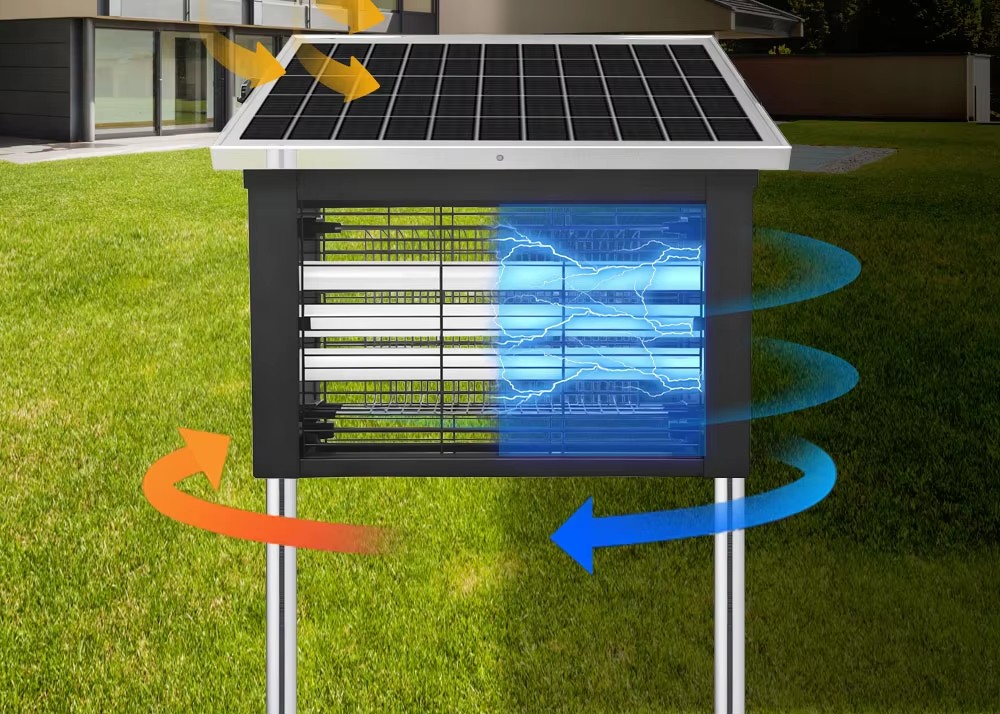
1. Key Basics: What Is the Effective Range of a Mosquito Killer?
Most popular household physical mosquito killers (UV lure, wind suction, and electric shock models) leverage mosquitoes’ natural phototaxis and sensitivity to carbon dioxide. Their performance is highly distance-dependent, and random placement will leave large blind spots in coverage.
1.1 Standard Effective Range for Household Mosquito Killers
For standard compact household mosquito killers, the optimal effective range is 3 to 5 meters. Within this zone, over 90% of mosquitoes can detect the UV lure and be trapped, delivering peak killing efficiency.
The 5 to 8-meter range offers weak, limited effectiveness, only attracting a small number of active mosquitoes with noticeably reduced efficiency. Any distance beyond 8 meters is virtually ineffective, as the device’s lure signals and light cannot reach or draw in mosquitoes.
High-power models designed for large living rooms extend the effective range to 6–8 meters, suitable for spacious areas, but still fail to cover spaces beyond 10 meters.
1.2 Core Principles for Distance Control
Placing a mosquito killer right next to your bed is one of the most common mistakes. Human bodies emit heat, carbon dioxide, and sweat odors that are far more attractive to mosquitoes than device UV light. The closer you are to the mosquito killer, the less effective it works. For best results, maintain a 1.5 to 3-meter gap between yourself and the device to avoid overriding its lure effect.
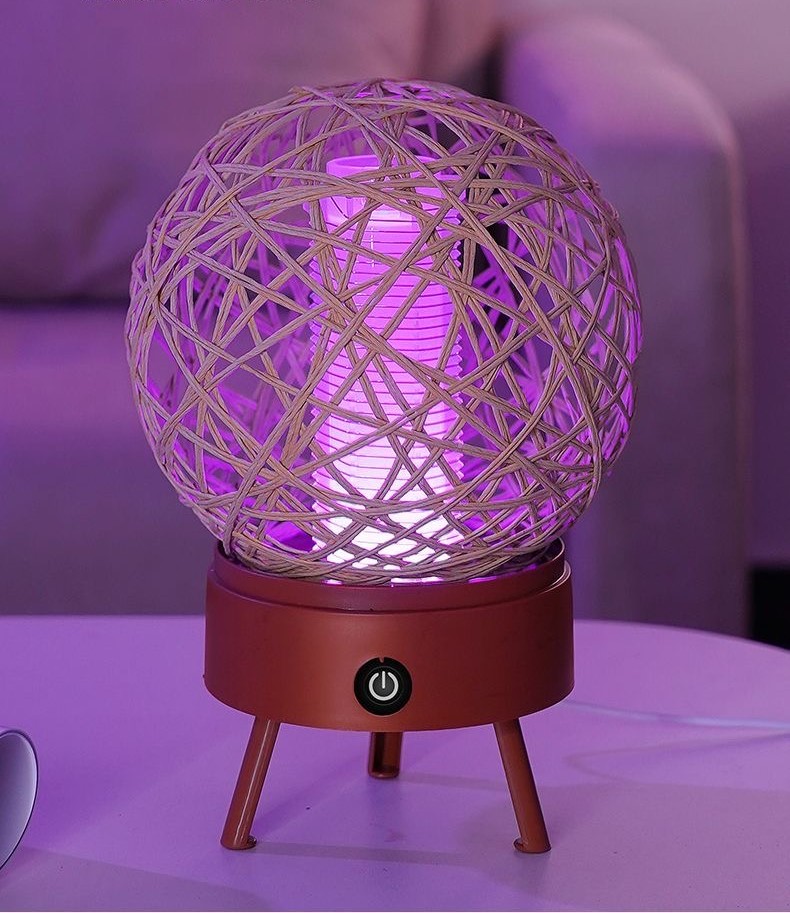
2. Room-by-Room Mosquito Killer Placement Guide
There is no universal placement spot for mosquito killers. Mosquito activity varies drastically across bedrooms, living rooms, kitchens, and balconies. Matching placement to room characteristics and effective range is the key to full-house mosquito control.
2.1 Bedrooms: Quiet, Undisturbed Night Protection
Bedrooms require quiet, non-intrusive mosquito protection for sleep quality. The best placement is a corner diagonally opposite your bed, far from the headboard.
Distance tip: Position the device at least 2 meters away from sleeping areas, keeping it within the 3–5 meter optimal coverage to blanket the entire bedroom. For height, place it on a table or low cabinet 80–120 cm above the floor — the typical flight height of mosquitoes — to maximize lure accuracy.
At night, turn off all main room lights and leave the mosquito killer as the only light source. This leverages mosquito phototaxis to concentrate trapping, effectively doubling your nightly mosquito-killing results.
2.2 Living Rooms: Full Coverage & Entry Point Blocking
Living rooms feature open layouts and multiple doors and windows, which are the main entry points for outdoor mosquitoes. The core rule is to place the device near mosquito entry points while ensuring even whole-room coverage. Priority spots include corners near windows, balcony doors, and front entrances.
A single mosquito killer in a central corner works perfectly for living rooms under 20㎡. For larger spaces over 20㎡, install two units spaced 5 meters apart to eliminate coverage blind spots.
Keep the device away from strong light sources like TVs, ceiling lamps, and spotlights, as bright ambient light neutralizes UV lure effects and renders the device useless. Avoid enclosed spaces blocked by sofas, plants, or clutter to ensure unobstructed light emission and smooth airflow.
2.3 Kitchen & Bathroom: Avoid Humidity & Odor Interference
Kitchens and bathrooms attract drain flies and tiny flying insects, with high humidity, lampblack, and peculiar odors that weaken mosquito killer lure performance. Keep the device far from stoves, sinks, and floor drains to prevent vapor, grease, and odors from interfering with its function.
Opt for dry, well-ventilated corners in kitchens and bathrooms, mounting the device around 1 meter above the ground. Do not place it directly next to windows to avoid outdoor strong light and wind interference, and rely on its 3–5 meter effective range to cover the entire space.
2.4 Balconies: First Line of Defense Against Outdoor Mosquitoes
Balconies are the main gateway for outdoor mosquitoes entering your home and host the highest insect activity. During peak mosquito hours in the evening, place the device on inner balcony corners, 1–2 meters away from windows and window screens.
This placement intercepts outdoor mosquitoes before they enter the house, reducing indoor insect populations at the source. Note that strong daylight drastically reduces UV lure efficiency, so run balcony mosquito killers from evening to night and turn them off during the day to save power and boost performance.
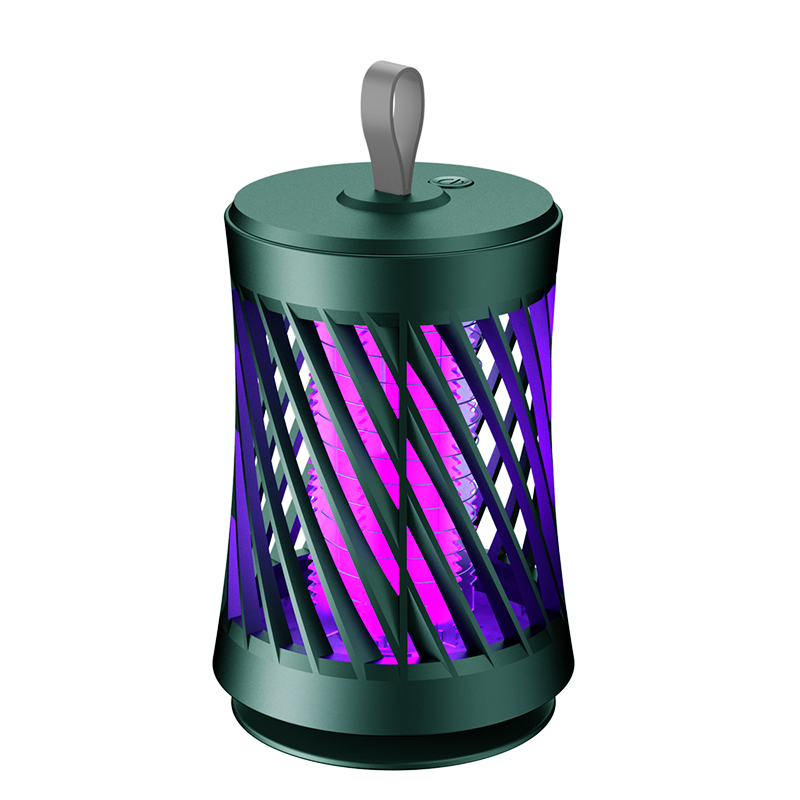
3. Most Common Mosquito Killer Placement Mistakes
3.1 Placing the Device in Strong Light or Direct Sunlight
Mosquito killers rely entirely on targeted UV light to attract insects. Strong light sources — including sunlight, indoor main lights, and spotlights — overpower the device’s dim UV rays, making it invisible to mosquitoes. Always operate the device in dim, low-light environments for valid results.
3.2 Placing the Device Too Close to Walls or Obstructions
Many users place mosquito killers flush against walls or cabinets, or let curtains, plants, and clutter block the device to save space. This blocks UV light dispersion and air intake, preventing mosquitoes from approaching and shrinking the effective coverage area significantly. Reserve at least 30 cm of clear, open space around the device for optimal ventilation and light transmission.
3.3 Placing the Device Too Close to Human Activity Zones
Placing mosquito killers beside beds, desks, or seating areas backfires badly. Human body heat and exhaled carbon dioxide are far more attractive to mosquitoes than machine lures. Insects will hover around people instead of the device, resulting in zero trapping effect and even drawing more mosquitoes to the area.
4. Pro Tips to Maximize Mosquito-Killing Efficiency
1. Follow mosquito activity rhythms: Mosquitoes are most active between 6 PM and 6 AM. Run the device during this window and power it off in the daytime for energy-saving, high-efficiency operation.
2. Use multiple devices for large homes: Single devices cannot cover large or multi-room homes. Arrange units at 5-meter intervals to achieve full-house coverage and eliminate mosquito breeding hotspots.
3. Maintain regular cleaning: A full insect storage tray or dust-clogged air vents will greatly reduce suction and lure efficiency. Clean your mosquito killer every 3–5 days to keep it in peak working condition.
Conclusion
The secret to effective mosquito killer use lies in adhering to the 3–5 meter optimal range, avoiding strong light and human interference, and matching placement to different room environments. There is no need to upgrade to expensive high-end devices blindly. Proper placement and daily usage habits can help ordinary household mosquito killers deliver outstanding results, keeping your home mosquito-free and comfortable all summer long.
Must-Have for Renters
Complete Guide to Choosing Household Mosquito Killers
Related Article

If you’re struggling with annoying mosquitoes, flies, and other flying pests indoors and outdoors, upgrading from traditional manual tools to anElectric Mosquito Swatter is the most efficient solution. Many homeowners and renters search where to buy fly swatter online to find durable, safe, and high-performance electric models that deliver instant pest control.
Where to Buy Fly Swatter
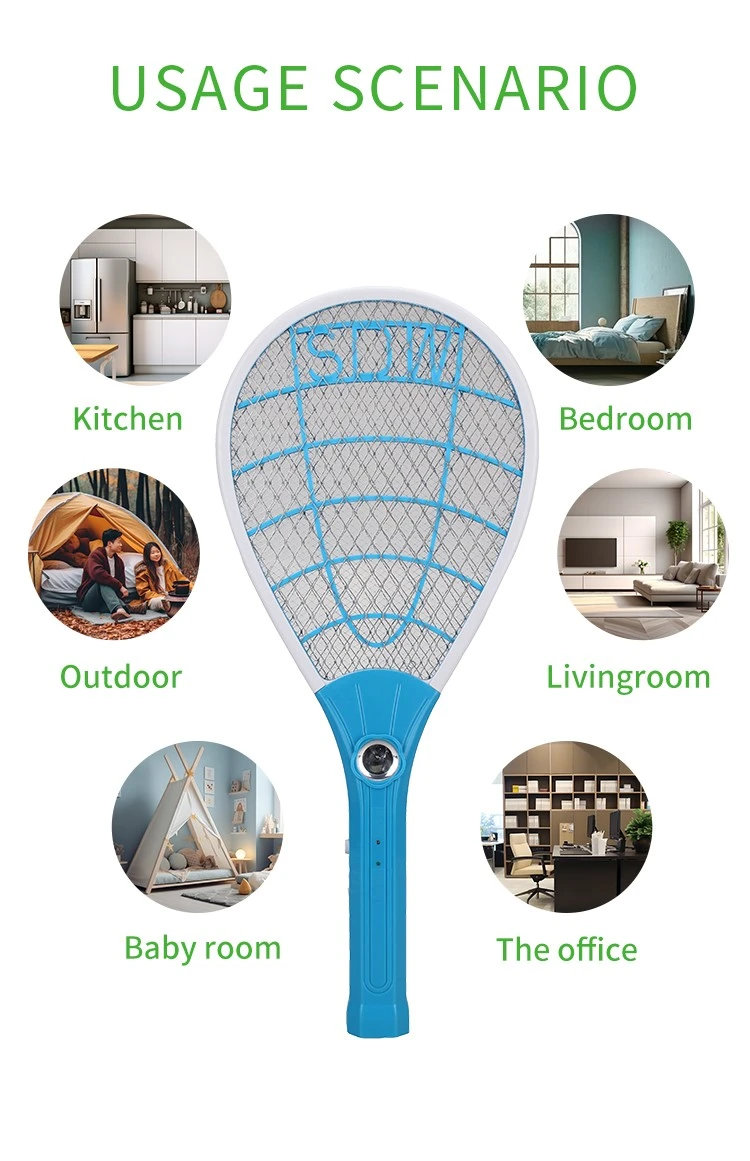
Most importers of electric mosquito swatters obsess over the first order: samples requested, factories vetted, a pre-shipment inspection booked. Then the reorder arrives eight months later and something is off. The grid feels softer. The charge port is a slightly different shade of black. The carton thickness dropped from 350 gsm to 300 gsm. Nothing is catastrophic — but the product no longer matches what your retail customers approved, and quietly, your return rate starts climbing.
How to Keep Mosquito Swatter Quality Consistent Across Repeat Orders
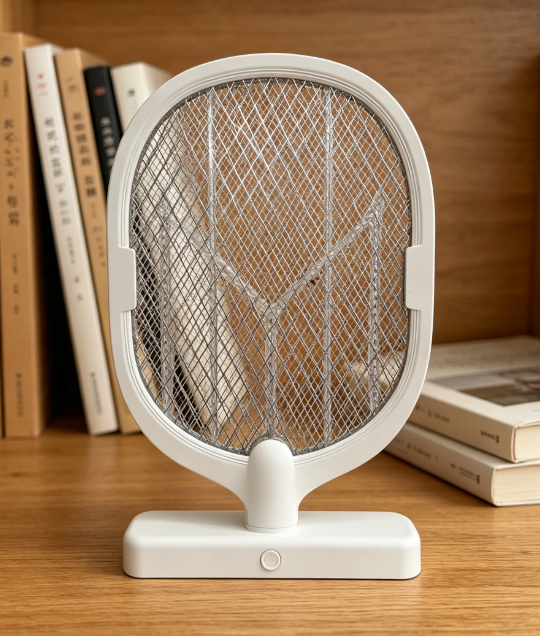
Warranty returns are the silent margin killer in the mosquito control category. A distributor who buys a swatter at $1.80 FOB and retails it at $9.90 can absorb a 1% return rate without noticing — but at 5%, the combined cost of replacement units, reverse logistics, and refund processing erases most of the line's profit.
Common mosquito swatter killer lamp failure modes wholesale spec guide

Digital bathroom scales rank as the second-highest-volume consumer weighing product category, only behind kitchen scales, with distinct market and product characteristics that set them apart from other scale types in importers’ product portfolios.
Digital bathroom body fat-bia-scale wholesale buyers guide