
Electric Fly Swatter Battery Not Charging
2025-07-24
Electric Fly Swatter Battery Not Charging? A Step-by-Step Guide to Troubleshooting and Solutions
The electric fly swatter is an essential tool for mosquito control in summer. However, it becomes useless once its battery fails to charge. In fact, most charging issues are repairable. By following a systematic troubleshooting process, you can identify and resolve the problem. This article will guide you through basic checks to advanced solutions for electric fly swatter charging problems.
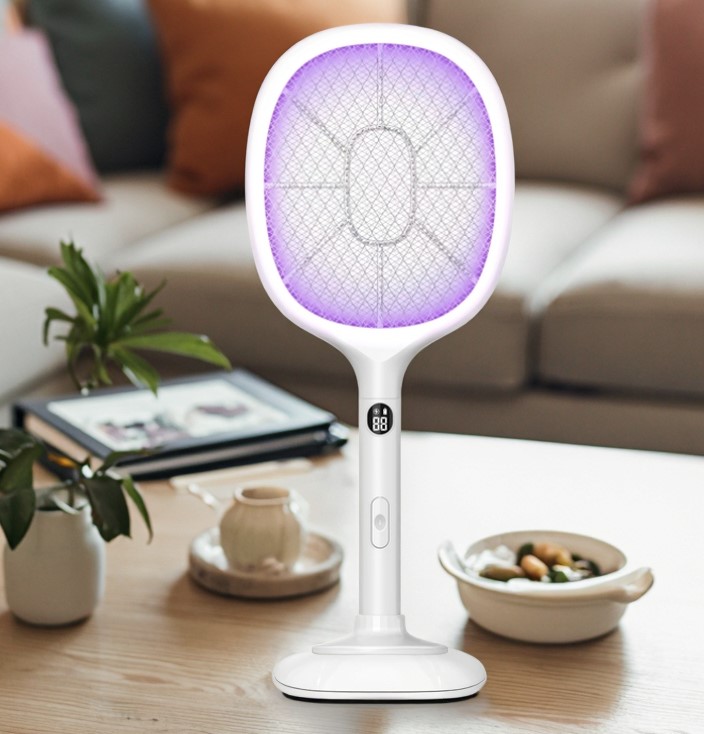
I. First, Check Basic Charging Components: Eliminate "Simple Mistakes"
In many cases, charging failures are not caused by device malfunctions but by issues in the charging process. It is advisable to start with the following basic checks:
1. Verify Charging Port and Power Connection
First, check if the charging plug is fully inserted into the electric fly swatter's charging port. Some products have tight ports, so ensure a secure fit. At the same time, check if the other end of the charger is firmly connected to the power outlet. You can try using a different outlet or test the outlet with a phone charger to confirm it is working. If the charging plug is contaminated, it may prevent charging. Simply clean the area around the plug with a cloth or tissue. If the charger cable is visibly damaged (e.g., cracked outer casing or exposed internal copper wires), replace it with a charger of the same specifications immediately to avoid the risk of short circuits.
2. Check Charging Duration and Indicator Light Status
The standard charging time for electric fly swatters is 8-12 hours (refer to the user manual for specific instructions). If the charging time is too short (e.g., 1-2 hours), it may create the illusion of "not charging" because the battery has not been activated.
Observe the charging indicator light: It should stay on (red or orange) during normal charging and may turn off or change to green when fully charged. If the indicator light does not turn on at all, the charger may be damaged or there may be a poor connection at the port.
II. Inspect the Battery Itself: Check the Core Component
If there are no issues with the basic components, focus on checking the battery status, as this is a common cause of charging failures:
1. Determine if the Battery is Aging
Electric fly swatters typically use lead-acid or lithium batteries, which have a lifespan of approximately 1-2 years (300-500 charge-discharge cycles). If the swatter has been used for more than 2 years and you have noticed a sudden drop in battery life (e.g., it runs out of power after a few uses even when fully charged), the battery is likely aging. You can open the swatter's casing (ensure it is disconnected from power first) and check for bulging or leakage. If the battery is swollen or leaking fluid, replace it with a battery of the same model immediately and do not continue using it.
2. Attempt to Activate a "Dormant" Battery
If the electric fly swatter has been unused for a long time (e.g., stored for more than 3 months during winter), the battery may enter a "dormant state," resulting in charging issues. You can try "forced activation": Use a compatible charger to charge it continuously for 24 hours (monitor for overheating and stop immediately if it gets too hot). Some batteries may recover. If this does not work, the battery is likely beyond repair.
III. Examine Circuits and Accessories: Troubleshoot Non-Battery Issues
If the battery is in good condition, further inspect the circuits and core accessories:
1. Check the Charging Port and Internal Wiring
After opening the casing, check if the metal contacts of the charging port are oxidized (blackened surface). You can clean them with a cotton swab dipped in alcohol. Also, check if the wires connected to the battery are loose or disconnected. If a wire connection is broken, you can re-solder it (basic electrical knowledge is required) or contact a repair professional.
2. Test for Circuit Board Damage
The circuit board is the core component that controls charging. If the charger, battery, and port are all functioning properly but the swatter still won't charge, the charging module on the circuit board may be damaged. This requires professional testing. If the swatter is relatively new (e.g., used for less than 6 months), contact the brand's after-sales service for repairs. If repair costs are high or the swatter is not valuable, purchasing a new one is a more economical and convenient option.
IV. Follow-Up Recommendations: Repair and Prevention
1. Criteria for Repair or Replacement
- If only the charger is damaged: Purchase a charger of the same specifications (ensure voltage compatibility, e.g., 5V/1A) at a cost of approximately 10-20 yuan.
- If the battery is aging: Replace it yourself (costing 10-20 yuan), taking care to install it with the correct positive and negative polarities.
- If there is a circuit or mainboard fault: For swatters used for more than a year, it is recommended to replace them directly (new ones typically cost 30-100 yuan) for better cost-effectiveness.
2. Extend Battery Life Through Daily Use
- Avoid overcharging: Disconnect the power promptly after full charging; do not leave it plugged in for an extended period (more than 24 hours).
- Use regularly: Charge it once a month if not in use for a long time to prevent the battery from entering a dormant state.
- Store properly: Clean it thoroughly after the summer, and store it in a dry, cool place away from high temperatures or moisture.
By following these steps, you can resolve most charging issues. Please note that before attempting any repairs yourself, ensure you understand the associated risks and take appropriate precautions. Safety should always be the top priority. Do not attempt to perform circuit soldering or component replacement if you lack experience. If you are unsure how to proceed, it is best to seek professional help. With timely troubleshooting and proper maintenance, your electric fly swatter will remain effective throughout the mosquito season!
Can mosquito killer lamps cause sunburn after long exposure
What is the difference between an insect trapper and an insect zapper
Related Article

If you’re struggling with annoying mosquitoes, flies, and other flying pests indoors and outdoors, upgrading from traditional manual tools to anElectric Mosquito Swatter is the most efficient solution. Many homeowners and renters search where to buy fly swatter online to find durable, safe, and high-performance electric models that deliver instant pest control.
Where to Buy Fly Swatter
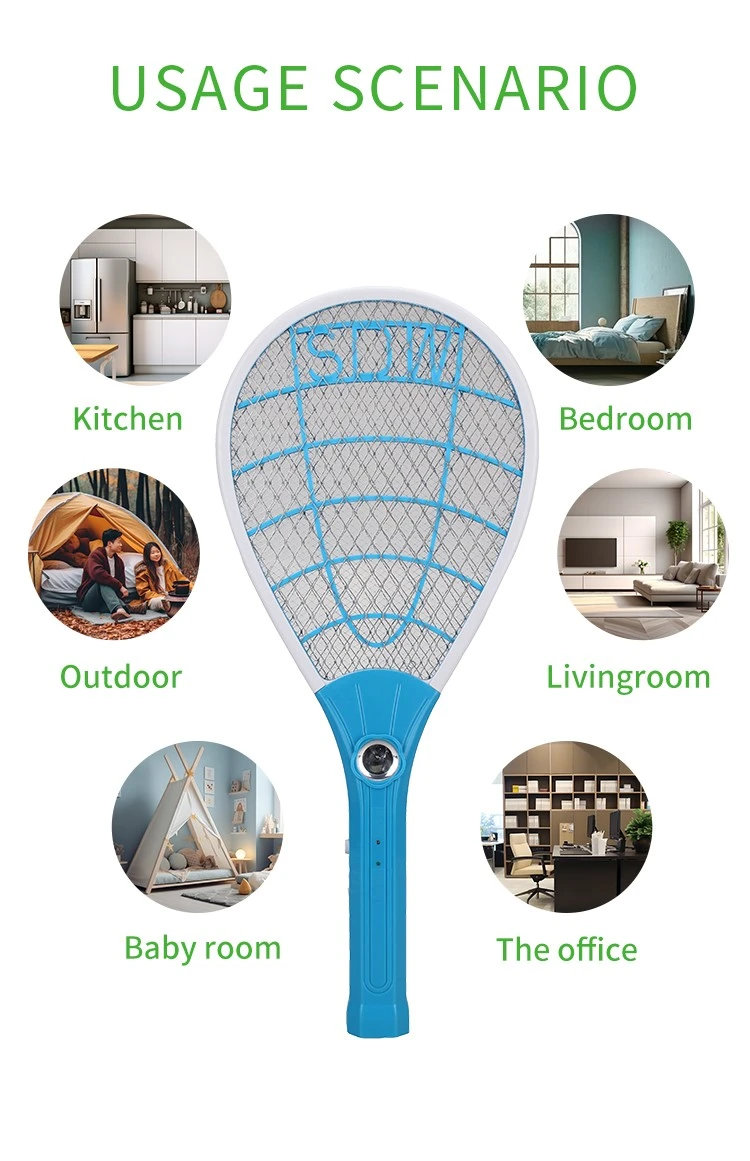
Most importers of electric mosquito swatters obsess over the first order: samples requested, factories vetted, a pre-shipment inspection booked. Then the reorder arrives eight months later and something is off. The grid feels softer. The charge port is a slightly different shade of black. The carton thickness dropped from 350 gsm to 300 gsm. Nothing is catastrophic — but the product no longer matches what your retail customers approved, and quietly, your return rate starts climbing.
How to Keep Mosquito Swatter Quality Consistent Across Repeat Orders
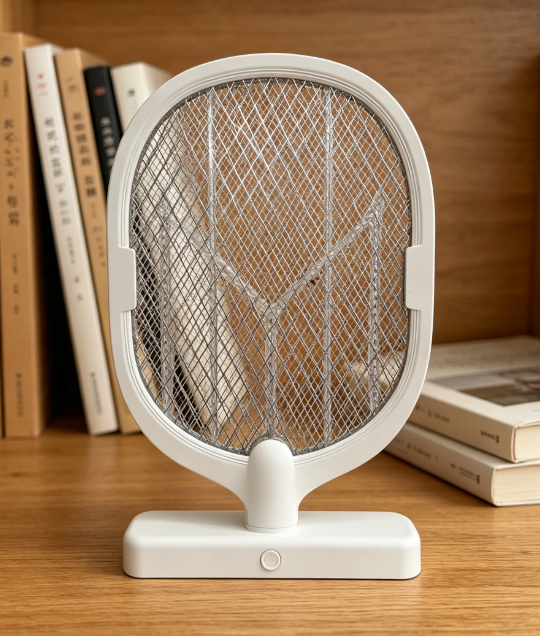
Warranty returns are the silent margin killer in the mosquito control category. A distributor who buys a swatter at $1.80 FOB and retails it at $9.90 can absorb a 1% return rate without noticing — but at 5%, the combined cost of replacement units, reverse logistics, and refund processing erases most of the line's profit.
Common mosquito swatter killer lamp failure modes wholesale spec guide

Digital bathroom scales rank as the second-highest-volume consumer weighing product category, only behind kitchen scales, with distinct market and product characteristics that set them apart from other scale types in importers’ product portfolios.
Digital bathroom body fat-bia-scale wholesale buyers guide