
Electric Mosquito Swatter Buying Guide
2026-04-20
2026 Durable Electric Mosquito Swatter Buying Guide: Avoid Bad Models and Choose a Mosquito Killer That Lasts Over 3 Years
The most annoying thing in summer is not the high temperature, but the mosquitoes buzzing in your ear late at night, and the electric mosquito swatter that breaks down after a few months—either the mesh is deformed, the battery swells, or the electric shock is weak. Replacing it frequently is both costly and troublesome. Today, we will break down "which electric mosquito swatter is the most durable", from core parameters and purchasing skills to cost-effective recommendations, full of practical information to help you choose a mosquito killer that can last for a long time~
I. Core Criteria for Judging a Durable Electric Mosquito Swatter
Many people only look at the mosquito-killing effect when choosing an electric mosquito swatter, but ignore the key to "durability"—a truly durable electric mosquito swatter relies not on luck, but on three core components: material, battery, and circuit.
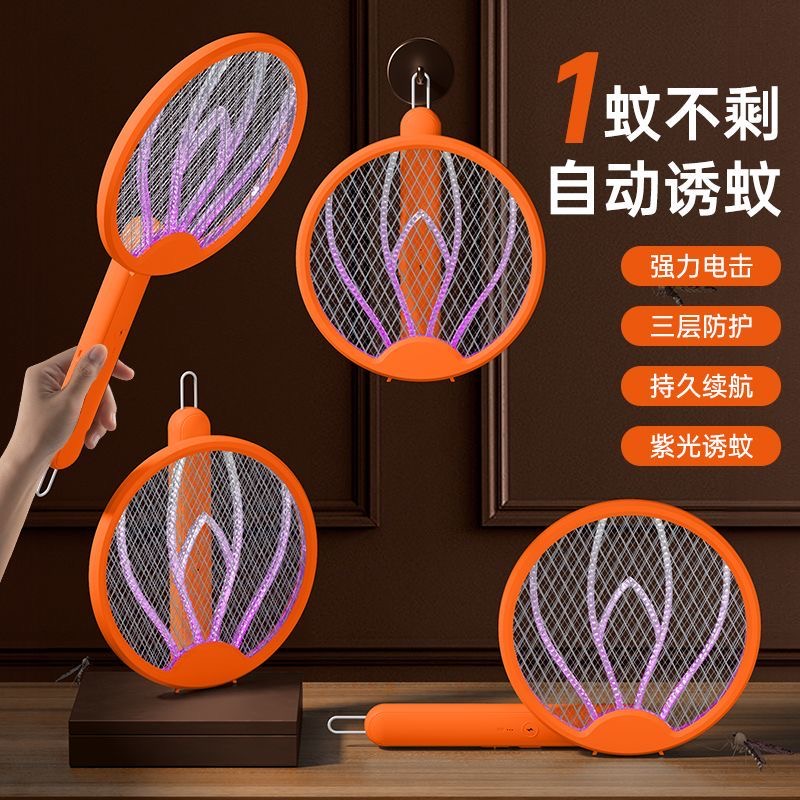
1. Material: Mesh + Handle Determine the Upper Limit of Service Life
The wear and tear of an electric mosquito swatter is mainly concentrated on the mesh and handle. The materials of these two parts directly affect the durability. For the mesh, priority should be given to stainless steel, followed by tungsten-copper alloy. These two materials are anti-oxidation and anti-corrosion, and they are not easy to rust or deform even in the humid south. Compared with ordinary nickel-plated copper wire, their service life can be increased by 2-3 times—ordinary nickel-plated copper wire is prone to breakage and looseness after half a year, while a stainless steel mesh can last for more than 3 years under normal use. For the handle, choose ABS engineering plastic. This material is lightweight and strong, resistant to falling and wear, comfortable to hold, and will not crack or peel off after long-term use, avoiding direct damage to the body due to accidental drops.
Warning: Do not buy low-priced plastic mesh and ordinary plastic handles. The mesh is easy to be blocked and broken by mosquito corpses, and the handle will deform after one fall, and it will completely break down after 1-2 months of use.
2. Battery: Battery Life + Charging, Say Goodbye to Frequent Charging Troubles
The battery is the "heart" of the electric mosquito swatter, and its durability directly depends on the battery type and capacity, which is also the core selling point of a "long-lasting durable electric mosquito swatter". Priority should be given to 18650 automotive-grade lithium batteries. This type of battery has a large capacity and a long cycle life. It can be used for more than 30 days on a single charge, and can still maintain more than 80% of its capacity after 500 charge-discharge cycles. Compared with ordinary lead-acid batteries, it not only has stronger battery life, but also is not easy to swell or leak, and is safer.
Parameter Reference: The battery capacity is recommended to be more than 1200mAh, and the charging interface is preferably Type-C, which is compatible with mobile phone chargers for more convenient charging, avoiding being unusable due to loss of the charging cable; it also has an overcharge protection function to prevent battery damage caused by overcharging and further extend the service life. Warning: Do not buy models with a battery capacity of less than 800mAh. They can only be used for a few days on a single charge, and frequent charging will accelerate battery loss, resulting in a sharp drop in battery life after half a year.
3. Circuit + Craftsmanship: Stable and Durable, Avoid Sudden Breakdown
Many electric mosquito swatters seem intact but suddenly have weak electric shock or power off. The problem lies in the circuit design and production craftsmanship. A durable electric mosquito swatter will adopt an LLC resonant topology circuit, which can reduce switching losses and improve voltage stability. Even in a high-temperature environment above 35℃, it can maintain a stable electric shock effect without voltage drop or weak mosquito killing.
In terms of craftsmanship, focus on the mesh welding and interface work: fine and non-loose welding points can avoid mesh detachment; firm and non-loose charging interface reduces poor contact problems; it also has an anti-misoperation design (such as a three-layer protective mesh, switch lock), which is not only safe, but also avoids circuit damage caused by misoperation, further improving durability.
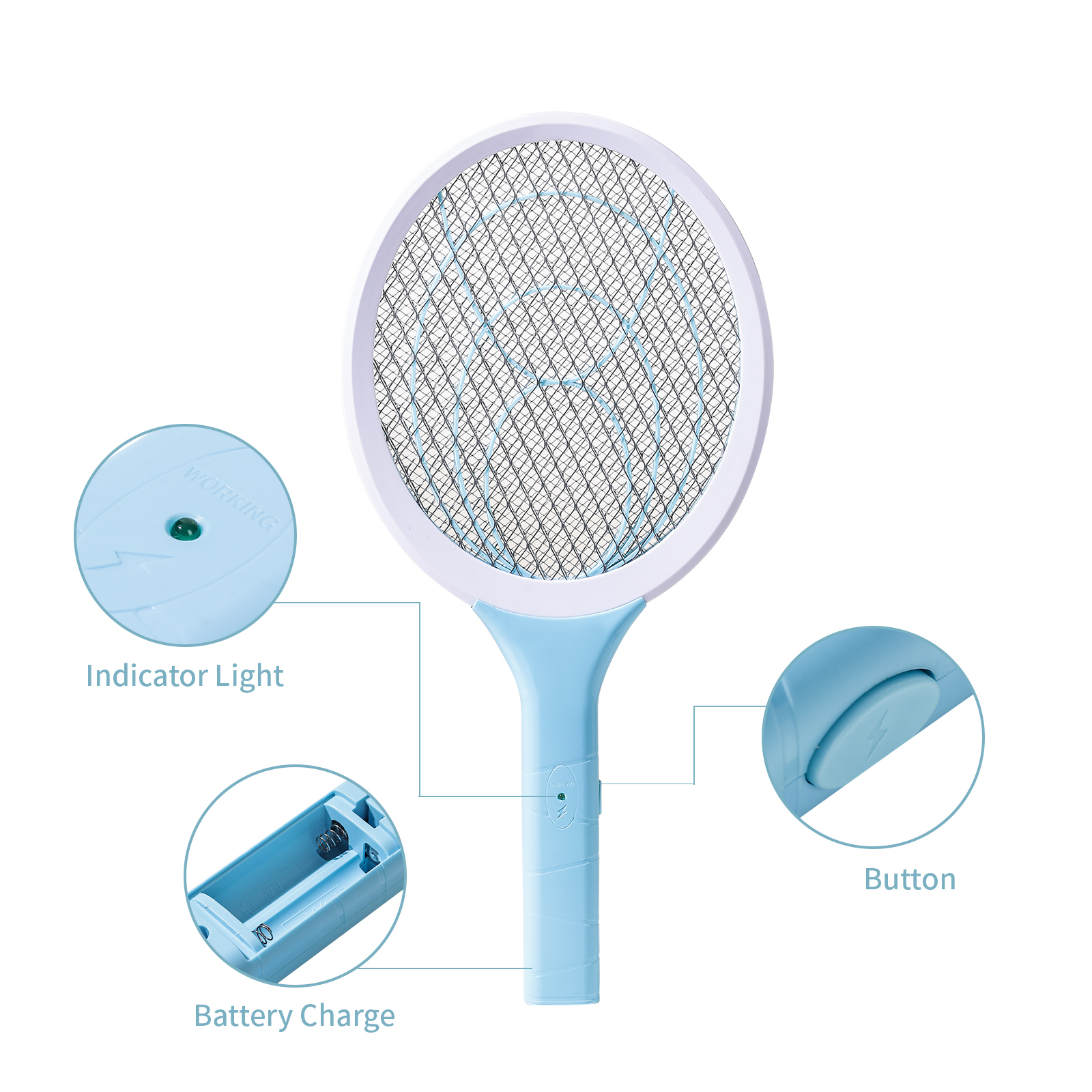
III. Tips to Extend the Service Life of Electric Mosquito Swatters
Choosing a durable electric mosquito swatter is only the first step. Correct use and maintenance can extend its service life by another 1-2 years. This part of the content is in line with the user's subsequent needs, improves the practicality of the blog, and at the same time embeds Google long-tail keywords to help with indexing.
1. Correct Use: Avoid Excessive Wear
Avoid continuous hitting more than 15 times per minute (the design limit is 8 times per minute). Excessive hitting will cause the mesh temperature to rise, damaging the support frame and circuit; turn off the power in time when not in use to avoid long-term standby power consumption and reduce battery loss; do not hit hard objects (such as walls, tables) with the mesh to prevent mesh deformation and breakage; keep away from flammable materials to avoid danger caused by sparks generated during electric shock, and protect the body material at the same time.
2. Daily Maintenance: Simple Steps to Extend Service Life
Clean the mesh regularly: gently brush off the mosquito corpses and dust on the mesh with a soft brush to avoid blocking the mesh and affecting the electric shock effect and service life. Be sure to turn off the power when cleaning to avoid electric shock; store it in a dry and ventilated place to avoid mesh rust and battery swelling caused by a humid environment (especially in coastal areas in the south, pay attention to moisture-proof); use the original charger or a compatible Type-C charger for charging, avoid using a high-voltage charger to prevent damage to the battery and circuit; when not in use for a long time, charge it once every 1-2 months to avoid battery damage due to undercharging.
IV. Common Questions and Answers
1. How long can a durable electric mosquito swatter last?
A high-quality durable electric mosquito swatter (meeting the above material, battery, and circuit standards), under normal use (used 1-2 times a day with good maintenance), can have a service life of 2-3 years; if maintained properly, it can even be used for more than 3 years; low-priced and inferior models can usually only be used for 1-6 months, and frequent replacement is more costly.
2. Which is more durable, a rechargeable or battery-powered electric mosquito swatter?
Priority should be given to rechargeable ones (18650 lithium batteries), which have stronger battery life, longer cycle life, and are not easy to damage; battery-powered electric mosquito swatters need frequent battery replacement, which is more costly in the long run, and battery leakage is easy to damage the circuit, so their durability is far inferior to that of rechargeable ones. This is also one of the frequently asked questions by Google users.
3. Can I continue to use it if the mesh is rusted or the battery is swollen?
It is not recommended to continue using it. A rusted mesh will affect the electric shock effect and may cause a short circuit; a swollen battery has potential safety hazards and is prone to leakage and explosion. At this time, it should be replaced in time to avoid danger and prevent damage to other components.
Summary: To choose a durable electric mosquito swatter, the core is to look at "stainless steel/tungsten-copper alloy mesh + 18650 lithium battery + stable circuit", and then choose according to your own use scenario and budget. Avoid low-priced and inferior models, and do a good job in daily maintenance, and the electric mosquito swatter can accompany you through many summers without frequent replacement.
Can a Bug Zapper Racket Hurt a Human
How Often Should You Charge an Electric Mosquito Swatter
Related Article

If you’re struggling with annoying mosquitoes, flies, and other flying pests indoors and outdoors, upgrading from traditional manual tools to anElectric Mosquito Swatter is the most efficient solution. Many homeowners and renters search where to buy fly swatter online to find durable, safe, and high-performance electric models that deliver instant pest control.
Where to Buy Fly Swatter
Most importers of electric mosquito swatters obsess over the first order: samples requested, factories vetted, a pre-shipment inspection booked. Then the reorder arrives eight months later and something is off. The grid feels softer. The charge port is a slightly different shade of black. The carton thickness dropped from 350 gsm to 300 gsm. Nothing is catastrophic — but the product no longer matches what your retail customers approved, and quietly, your return rate starts climbing.
How to Keep Mosquito Swatter Quality Consistent Across Repeat Orders
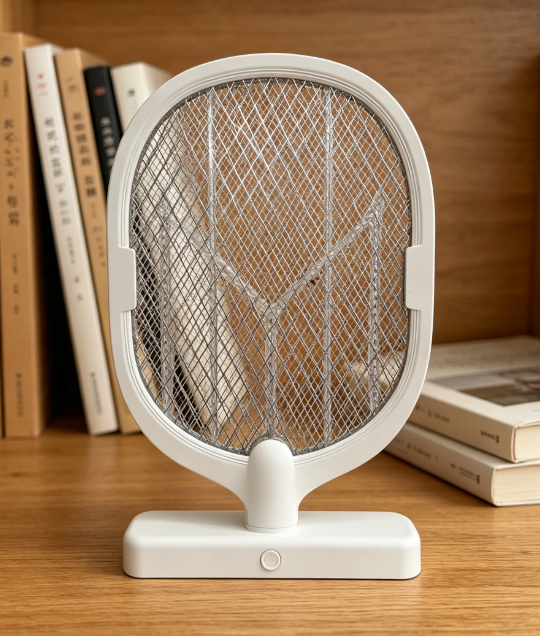
Warranty returns are the silent margin killer in the mosquito control category. A distributor who buys a swatter at $1.80 FOB and retails it at $9.90 can absorb a 1% return rate without noticing — but at 5%, the combined cost of replacement units, reverse logistics, and refund processing erases most of the line's profit.
Common mosquito swatter killer lamp failure modes wholesale spec guide

Digital bathroom scales rank as the second-highest-volume consumer weighing product category, only behind kitchen scales, with distinct market and product characteristics that set them apart from other scale types in importers’ product portfolios.
Digital bathroom body fat-bia-scale wholesale buyers guide