
Electric Mosquito Swatter Safety Guide
2026-07-17
Electric Mosquito Swatter Safety Guide: Correct Operation, Prohibited Practices and Maintenance Tips
With mosquitoes rampant in summer, electric mosquito swatters have become essential household mosquito-killing tools due to their high efficiency, convenience and odor-free features. Compared with chemical mosquito repellent products such as mosquito coils and repellent liquids, electric mosquito swatters adopt physical mosquito elimination, which is safer and healthier. However, their electrified operation comes with potential safety hazards. Improper use and inadequate daily maintenance often lead to electric shocks, short circuits, battery damage and even fire accidents. This comprehensive electric mosquito swatter safety guide elaborates on standard operating procedures, core prohibitions, usage specifications for specific groups and maintenance methods, helping you use electric mosquito swatters safely and durably.
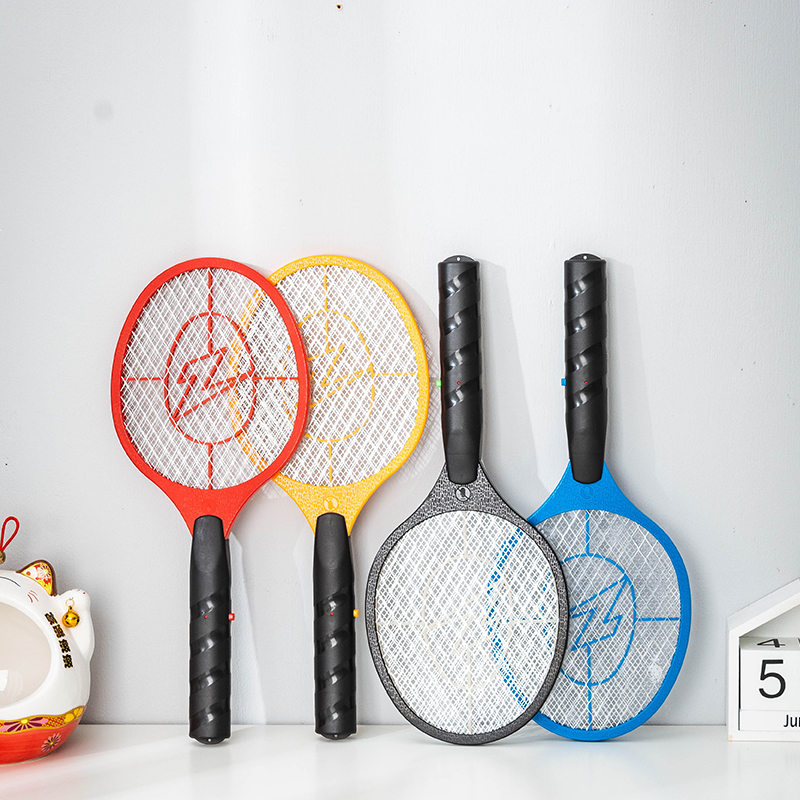
1. Working Principle and Safety Features of Electric Mosquito Swatters
To use an electric mosquito swatter properly, it is essential to understand its basic working principle, which is the core premise of avoiding safety risks. Ordinary household electric mosquito swatters boost voltage through a built-in rechargeable battery, forming a high-voltage and low-current electric field on the metal mesh to instantly kill mosquitoes upon contact.
Qualified formal electric mosquito swatters feature the safety characteristic of high voltage and low current. They can generate an instantaneous voltage of thousands of volts with extremely low current. Normal skin contact will not cause fatal harm to the human body, only a slight tingling sensation. Nevertheless, product aging, water ingress, damage or irregular operation will break the safety threshold and trigger safety accidents such as electric shocks and short circuits, highlighting the importance of standardized usage.
2. Standard Safe Operating Procedures for Electric Mosquito Swatters
Following standardized operating procedures can maximize safety risks while ensuring optimal mosquito-killing effects. The whole process is divided into three stages: before use, during use and after use.
2.1 Before Use: Equipment Inspection for Safety Assurance
A simple equipment inspection before each use can avoid more than 80% of potential safety hazards. First, check whether the mesh surface of the electric mosquito swatter is intact without damage, deformation or cracks, as loose or damaged mesh easily causes high-voltage leakage. Second, inspect the body and charging port for water ingress, dampness or heavy dust accumulation, since powering on in humid conditions will lead to short circuits. Finally, check the battery status and avoid using devices with bulging or leaking batteries, as aging batteries are prone to overheating and fire hazards.
2.2 During Use: Standard Operation to Eliminate Risks
Hold the handle of the electric mosquito swatter and never touch the metal mesh. Press and hold the power button, then gently attach the mesh to mosquitoes to kill them without hard slapping. Keep the device vertical during use and avoid hitting walls, floors or furniture forcefully with the mesh facing down, which may cause mesh deformation and loose internal circuits. In addition, do not keep the device powered on for too long. Release the button and let it stand after continuous power-on for more than 30 seconds to prevent overheating and component wear.
2.3 After Use: Power Off and Standby for Safe Shutdown
After use, release the power button immediately and place the electric mosquito swatter in a dry and ventilated area for 10 to 20 seconds to release residual voltage on the mesh completely. Do not touch or wipe the mesh right after use, as residual voltage can still cause electric tingling. Clean mosquito residues on the mesh only after confirming complete power-off.
3. Core Safety Prohibitions for Electric Mosquito Swatters
Most safety accidents with electric mosquito swatters stem from irregular operations. The following high-risk prohibited scenarios must be strictly avoided to ensure all-round household usage safety.
3.1 No Use in Humid Environments and No Water Washing
Electric mosquito swatters are precision electrified appliances. Never use them in humid environments such as bathrooms and toilets, as water mist adhering to the mesh and body will cause high-voltage leakage and short circuits. Direct water flushing of the whole device is strictly prohibited. Clean residual stains and mosquito carcasses on the mesh with a dry soft brush; slight stains can be wiped with a slightly damp cloth, and the device must be fully dried before storage and reuse.
3.2 Keep Away from Flammable and Explosive Items
Electric mosquito swatters produce tiny electric sparks during normal operation for mosquito killing, which can easily ignite flammable and explosive gases and substances. Keep the device far away from flammable liquids such as toilet water, mosquito repellent spray, alcohol and insecticides, and avoid using it in areas with gas leakage to prevent fire and explosion risks. Using electric mosquito swatters while spraying mosquito repellent is a highly dangerous irregular operation commonly seen in summer.
3.3 No Disassembly or Modification of the Device
Non-professionals are strictly prohibited from disassembling, repairing or modifying the electric mosquito swatter. The internal step-up circuit board and energy storage capacitor retain high residual voltage even after power off, and private disassembly may cause severe electric shocks. Random circuit modification and battery replacement will damage the safety structure of the device, leading to unstable voltage and overheating fires. Faulty devices should be replaced directly or repaired by professionals.
3.4 No Long-term Continuous Charging
Avoid overnight or over-long charging of rechargeable electric mosquito swatters. Ordinary household models only need 3 to 5 hours to be fully charged. Most devices are equipped with automatic power-off protection, but this function may fail on aging or low-quality products. Overcharging will cause battery overheating, bulging, leakage and even spontaneous combustion. Place the charger and device in an open flame-retardant area during charging and avoid covering them with clothes or bedding.
4. Usage Safety Specifications for Special Groups
Elderly people, children, pregnant women and other special groups have lower physical sensitivity and risk prevention capabilities, so extra protective measures and exclusive usage rules are required.
4.1 Safety Guidelines for Children
Minors must use electric mosquito swatters under parental supervision and are forbidden to play with the device alone or frolic with it. Do not allow children to aim the swatter at people, pets or eyes to avoid discomfort caused by high-voltage electric shocks. Prevent children from pulling power cords or biting the device body to avoid circuit damage and electric leakage. Store the electric mosquito swatter out of children’s reach when not in use.
4.2 Precautions for the Elderly and Pregnant Women
Elderly people have slow physical reactions; avoid one-handed operation and large-scale waving at heights to prevent device falling and accidental contact with leakage parts. Pregnant women have sensitive bodies and should minimize self-operation. If use is necessary, do not hold the powered-on device for a long time and keep it away from the abdomen to reduce discomfort caused by electromagnetic effects and slight electric shocks. Static mosquito-killing mode is recommended instead.
5. Daily Maintenance and Storage Safety Tips
Standardized maintenance and storage can not only extend the service life of electric mosquito swatters but also eliminate potential safety hazards caused by equipment aging from the source, which is the key to long-term safe use.
5.1 Daily Cleaning Methods
Regularly clean mosquito residues and dust on the mesh surface. Excessive residue accumulation will reduce mosquito-killing efficiency and cause mesh damp oxidation and short-circuit overheating. Always clean the device after complete power-off and residual voltage release. Use a soft brush for cleaning and avoid scraping the mesh with metal tools to prevent mesh damage and circuit short circuits.
5.2 Scientific Storage Environment
For long-term storage, fully charge the device and power it off before placing it in a dry, cool and ventilated indoor area. Avoid direct sunlight exposure and high-temperature baking, which will accelerate battery aging and embrittlement of the plastic body. Do not stack or squeeze the electric mosquito swatter to prevent mesh deformation and internal circuit damage.
5.3 Regular Inspection and Replacement
The service life of household electric mosquito swatters is generally 2 to 3 years. Regularly inspect the internal circuits, charging ports and mesh condition. Stop using the device immediately and replace it in a timely manner if abnormal indicator lights, reduced mosquito-killing effect, body overheating, charging faults or mesh damage occur. Do not continue to use aging faulty electrical equipment.
6. Emergency Solutions for Common Faults
Master correct emergency handling methods for daily faults to avoid safety risks caused by blind operation. If the device overheats, makes abnormal noises, causes electric tingling or fails to charge during use, cut off the power supply immediately and place it aside for cooling. Do not continue to power on the faulty device.
Malfunction caused by slight dust accumulation can be fixed after cleaning; faults resulting from battery, circuit or mesh damage are not worth repairing, and direct replacement is the best choice to ensure usage safety.
Conclusion
Electric mosquito swatters are practical and safe household mosquito-killing tools, but safe usage relies on standardized operation, risk avoidance and regular maintenance. Master the correct usage steps, stay away from high-risk operations such as humid environment use, contact with flammables, overcharging and private disassembly, and strengthen protection for special groups and daily inspection. These practices can maximize the mosquito-killing performance of electric mosquito swatters, completely avoid electric shock, fire and short circuit risks, and protect household electrical safety in summer.
Can Electric Fly Swatters Be Used With Insecticide
Can You Use Mosquito Lamps in School Dormitories
Related Article

If you’re struggling with annoying mosquitoes, flies, and other flying pests indoors and outdoors, upgrading from traditional manual tools to anElectric Mosquito Swatter is the most efficient solution. Many homeowners and renters search where to buy fly swatter online to find durable, safe, and high-performance electric models that deliver instant pest control.
Where to Buy Fly Swatter
Most importers of electric mosquito swatters obsess over the first order: samples requested, factories vetted, a pre-shipment inspection booked. Then the reorder arrives eight months later and something is off. The grid feels softer. The charge port is a slightly different shade of black. The carton thickness dropped from 350 gsm to 300 gsm. Nothing is catastrophic — but the product no longer matches what your retail customers approved, and quietly, your return rate starts climbing.
How to Keep Mosquito Swatter Quality Consistent Across Repeat Orders
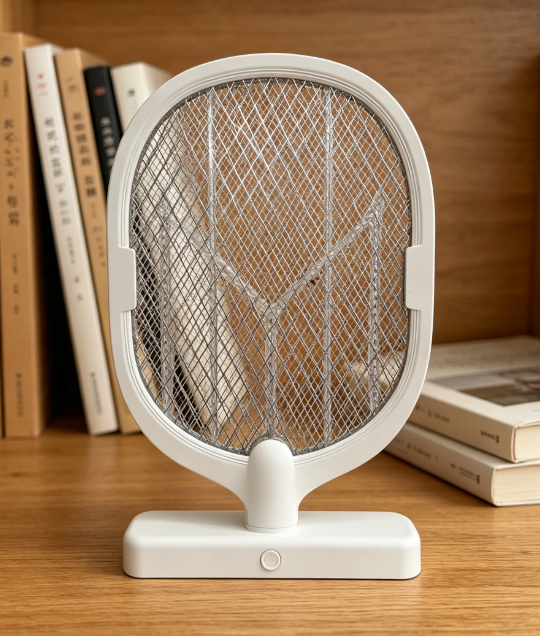
Warranty returns are the silent margin killer in the mosquito control category. A distributor who buys a swatter at $1.80 FOB and retails it at $9.90 can absorb a 1% return rate without noticing — but at 5%, the combined cost of replacement units, reverse logistics, and refund processing erases most of the line's profit.
Common mosquito swatter killer lamp failure modes wholesale spec guide

Digital bathroom scales rank as the second-highest-volume consumer weighing product category, only behind kitchen scales, with distinct market and product characteristics that set them apart from other scale types in importers’ product portfolios.
Digital bathroom body fat-bia-scale wholesale buyers guide