
Electric Mosquito Swatter Waste Classification Guide
2026-01-23
Electric Mosquito Swatter Waste Classification Guide: Don't Let This "Mosquito Repellent Tool" Become a Classification Dilemma
When an electric mosquito swatter is damaged, aged, and no longer usable, many people fall into a classification dilemma: should it be classified as recyclable waste, residual waste, or hazardous waste? In fact, the answer is not one-size-fits-all. The core lies in classifying by disassembling components, especially the proper disposal of the battery, which is crucial.
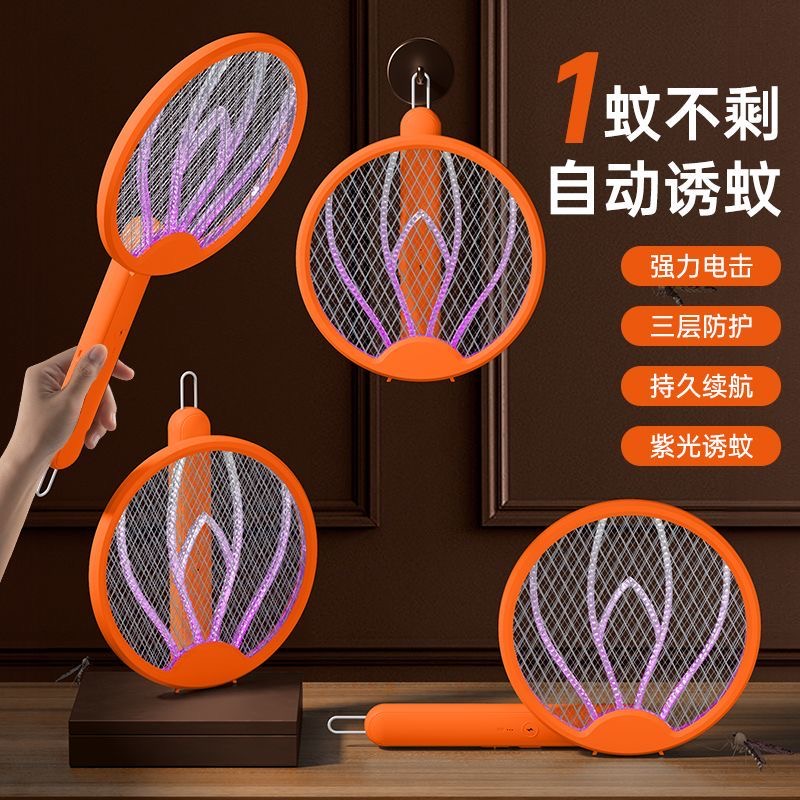
I. Main Body of the Electric Mosquito Swatter: Core Category of Recyclable Waste
First, clarify the core conclusion: the main body and most components of an electric mosquito swatter belong to recyclable waste. In terms of materials, the frame of the swatter surface is mostly plastic, and the handle and power grid contain metal components. These materials have recycling value and can be processed into new plastic and metal products through professional treatment to achieve resource recycling. Unlike disposable mosquito coils and electric mosquito repellent mats, electric mosquito swatters are not consumables. Their main structure contains no harmful components and does not need to be classified as residual waste or hazardous waste.
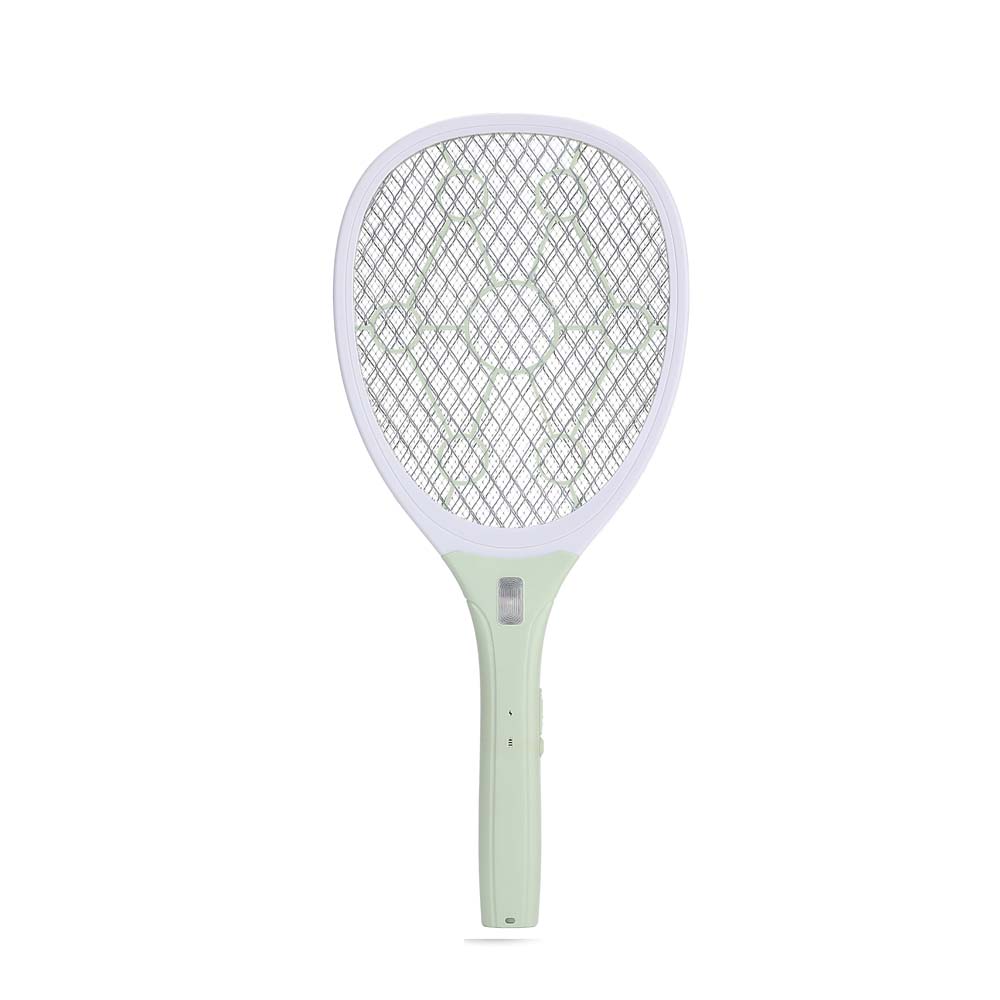
II. Classification Difficulty: Principle of Separating Battery Disposal
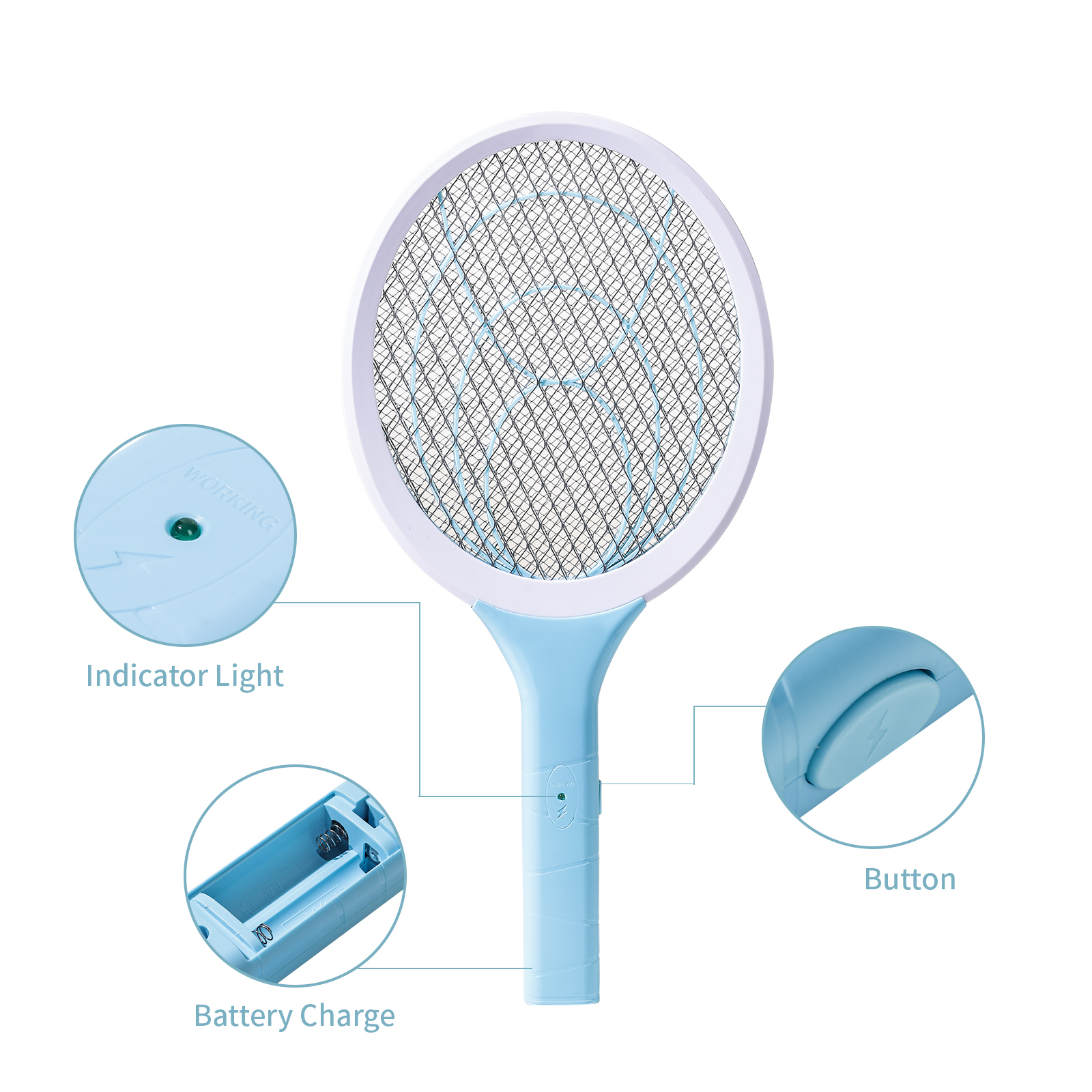
The key difficulty in classification lies in the disposal of the battery, which is also the most easily overlooked link. According to guidelines from authoritative environmental protection departments, the battery of an electric mosquito swatter must be disassembled and disposed of separately. Specifically, there are two scenarios: first, alkaline mercury-free batteries, which are highly environmentally friendly and classified as residual waste; second, other batteries except alkaline mercury-free ones, such as mercury-containing batteries and rechargeable batteries, which may contain harmful substances and must be properly disposed of as hazardous waste. If an electric mosquito swatter with a battery is directly thrown into the recyclable waste bin, it may not only contaminate other recyclable resources due to battery leakage but also violate the core principle of waste classification that "hazardous waste should be placed separately."
III. Practical Steps: Guide to Proper Disposal of Electric Mosquito Swatters
Here is a set of simple and operable steps for disposing of an electric mosquito swatter: Step 1, turn off the power of the electric mosquito swatter, confirm it is completely powered off, and then disassemble the battery; Step 2, put the battery into the residual waste or hazardous waste bin according to its type; Step 3, put the main body of the electric mosquito swatter (after removing the battery) into the recyclable waste bin. If there are obvious stains on the swatter surface, you can simply wipe it clean before disposal to improve the recycling rate. It should be noted that electric mosquito swatters are not classified as bulky waste or special recycling items for waste electrical and electronic products, so there is no need to send them to designated special recycling points. They can be disposed of in daily classified trash bins according to the above disassembly method.
IV. Extended Knowledge: Comprehensive Classification of Summer Mosquito Repellent Products
In fact, not only electric mosquito swatters but also common summer mosquito repellent products have their own classification rules. Let's take a look: expired floral water bottles, after being cleaned and dried, are recyclable waste; electric mosquito repellent liquid, which contains pyrethroid components, is hazardous waste; and the ash from burned mosquito coils is residual waste. These seemingly trivial classification details are actually important manifestations of practicing low-carbon environmental protection. Every correct disposal contributes to resource recycling and environmental governance.
The core of waste classification is "making the best use of things and isolating hazards," and the classification logic of electric mosquito swatters vividly reflects this principle. Next time you dispose of a waste electric mosquito swatter, remember to remove the battery first and then classify it, allowing this "tool" that accompanies us through the summer to complete its mission in a more environmentally friendly way. Protecting our green home starts with correctly classifying every piece of waste in our daily lives.
Does an Electric Mosquito Swatter Have a Shelf Life
A Review of Mosquito Repellent Methods
Related Article

If you’re struggling with annoying mosquitoes, flies, and other flying pests indoors and outdoors, upgrading from traditional manual tools to anElectric Mosquito Swatter is the most efficient solution. Many homeowners and renters search where to buy fly swatter online to find durable, safe, and high-performance electric models that deliver instant pest control.
Where to Buy Fly Swatter

Most importers of electric mosquito swatters obsess over the first order: samples requested, factories vetted, a pre-shipment inspection booked. Then the reorder arrives eight months later and something is off. The grid feels softer. The charge port is a slightly different shade of black. The carton thickness dropped from 350 gsm to 300 gsm. Nothing is catastrophic — but the product no longer matches what your retail customers approved, and quietly, your return rate starts climbing.
How to Keep Mosquito Swatter Quality Consistent Across Repeat Orders

Warranty returns are the silent margin killer in the mosquito control category. A distributor who buys a swatter at $1.80 FOB and retails it at $9.90 can absorb a 1% return rate without noticing — but at 5%, the combined cost of replacement units, reverse logistics, and refund processing erases most of the line's profit.
Common mosquito swatter killer lamp failure modes wholesale spec guide

Digital bathroom scales rank as the second-highest-volume consumer weighing product category, only behind kitchen scales, with distinct market and product characteristics that set them apart from other scale types in importers’ product portfolios.
Digital bathroom body fat-bia-scale wholesale buyers guide