
Electric Mosquito Swatters is Low-Cost Eco-Friendly Living
2025-09-04
Electric Mosquito Swatters: A "Small yet Powerful" Choice for Low-Cost Eco-Friendly Living
In the wave of pursuing sustainable living, people often focus on "high-investment" options like new energy vehicles and solar panels, while overlooking low-cost, highly practical eco-friendly tools right at their fingertips—the electric mosquito swatter. Not only does it solve mosquito troubles at an extremely low economic cost, but it also stands out as a typical example of practicing "low-cost eco-friendly living" in reducing chemical pollution, cutting resource consumption, and driving lifestyle changes. It deserves to be noticed and chosen by more people.
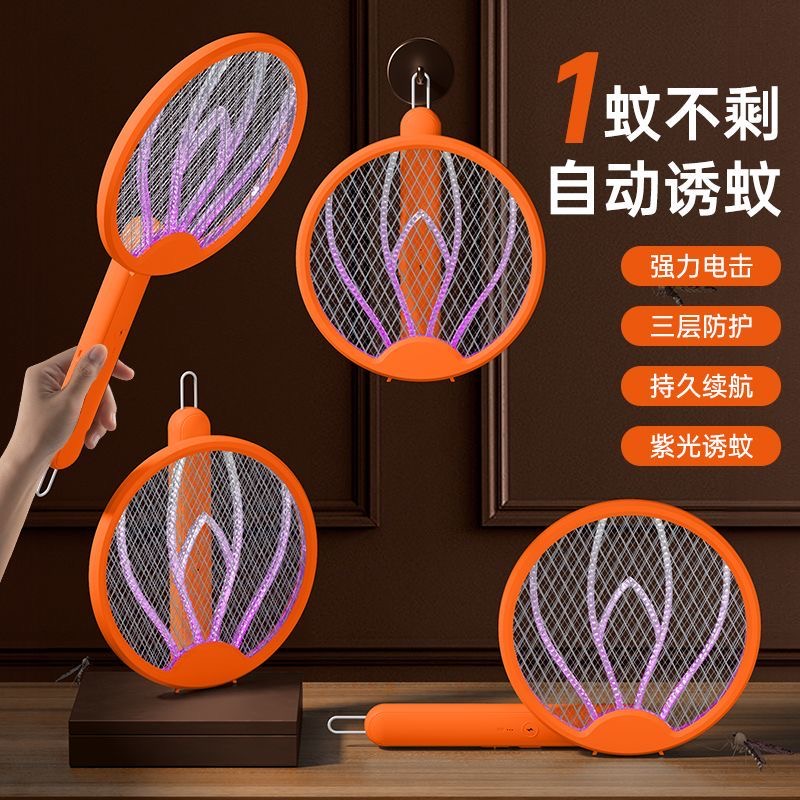
I. Electric Mosquito Swatters: Breaking the Traditional Dilemma of "Mosquito Repellent = Pollution"
When repelling mosquitoes in summer, traditional methods are often accompanied by unavoidable environmental costs. Chemical mosquito repellent products such as mosquito coils and insecticides may seem convenient, but they actually hide multiple environmental hazards. The emergence of electric mosquito swatters, however, precisely provides a "zero-chemical-pollution" alternative.
1. Comparison with Traditional Mosquito Repellents: From "Pollution Emission" to "Clean Solution"
The environmental shortcomings of traditional mosquito repellent products are quite obvious:
- Chemical Residue Pollution: Burning mosquito coils releases harmful gases like benzene and formaldehyde. Long-term use not only affects indoor air quality but also allows these substances to enter the human body through the respiratory tract, posing health risks. Canned insecticides mostly contain chlorofluorocarbon-based components, which may damage the ozone layer. Moreover, the chemical residues left on clothing and furniture surfaces after spraying require repeated cleaning to remove, indirectly increasing water consumption.
- Resource Waste and Garbage Increase: The paper holders of mosquito coils and plastic cans of insecticides are mostly disposable items that become household waste immediately after use. Statistics show that an average family consumes 10-15 boxes of mosquito coils and 3-5 cans of insecticides in summer. The non-degradable plastic and paper waste generated 加重 s the pressure of waste disposal.
Electric mosquito swatters completely avoid these problems: they eliminate mosquitoes by means of physical high-voltage electric shock, requiring no addition of any chemical agents. No toxic gases are produced and no chemical residues are left during use, cutting off the "mosquito repellent - pollution" chain at the source. Even for rechargeable electric mosquito swatters, a single charge consumes only about 0.01 kWh of electricity (calculated based on a common household voltage of 220V and a power of 10W for 1 hour of charging), which is almost negligible. This is far lower than the "hidden energy consumption" of traditional mosquito repellent methods (such as industrial energy consumption for insecticide production and logistics energy consumption for mosquito coil transportation).
2. Ultra-Long Service Life: Reducing Resource Consumption from "Repeated Purchases"
One of the cores of "sustainability" is to "reduce the frequency of resource circulation," and electric mosquito swatters excel in terms of service life.
- The core components (power grid, rechargeable battery, switch) of high-quality electric mosquito swatters are highly durable. With proper use, they can last for 3-5 years continuously, and some brands can even last more than 8 years. Compared with the high replacement frequency of mosquito coils ("1 box for 1 week") and insecticides ("1 can for 1 month"), electric mosquito swatters significantly reduce resource consumption in product production, packaging, and transportation. Buying 10 fewer boxes of mosquito coils means reducing the felling and processing of 10 batches of paper packaging; replacing 5 fewer cans of insecticides reduces the petroleum refining and waste pollution from 5 plastic cans.
- Even if an electric mosquito swatter has minor malfunctions (such as loose power grid or decreased battery life), it can continue to be used through simple maintenance (battery replacement, power grid reinforcement) instead of being discarded directly. This further extends the product life cycle and conforms to the eco-friendly concept of "recycling."
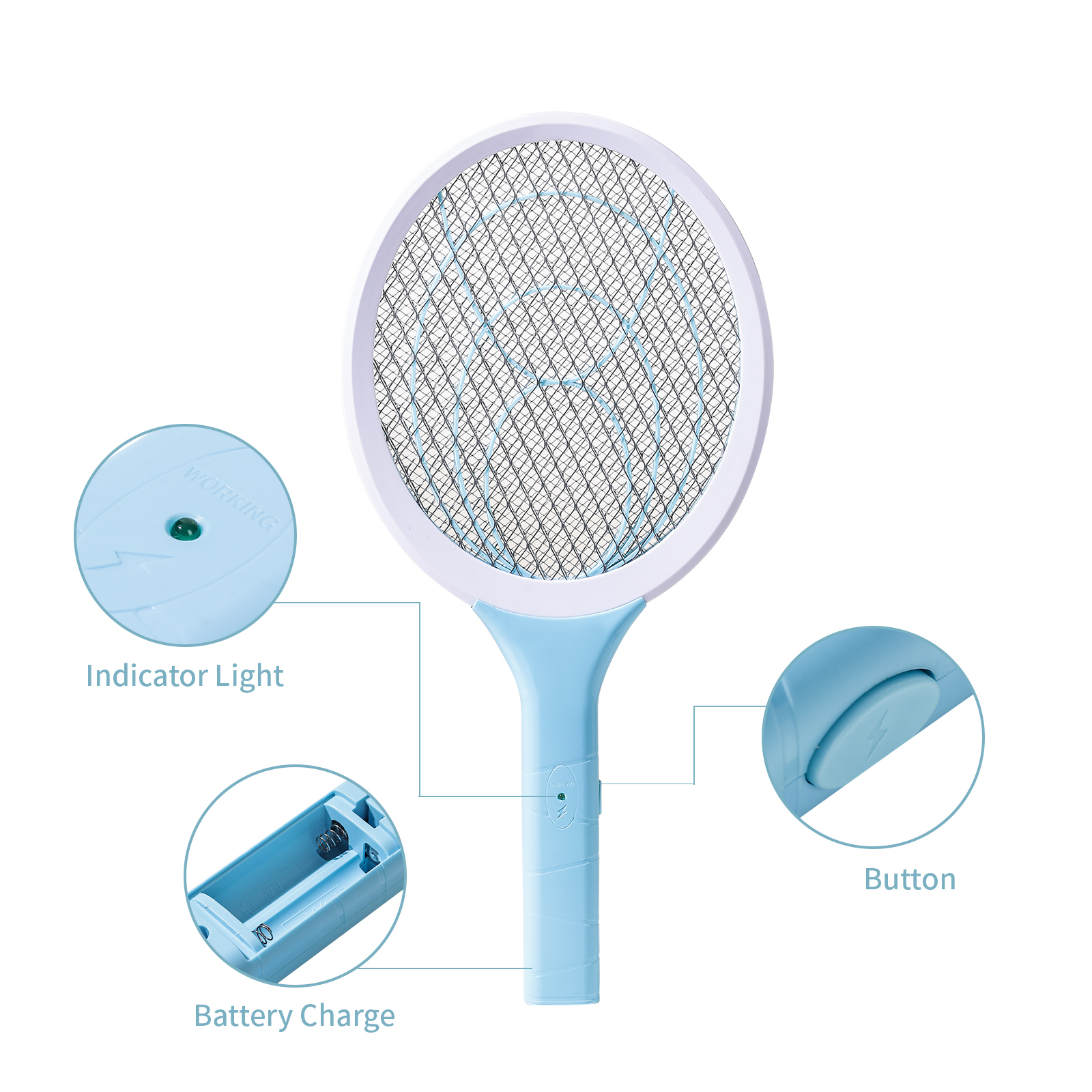
II. The "Low-Cost Eco-Friendly Logic" Behind Electric Mosquito Swatters: No Compromise on Convenience, No Extra Burden
Many people have a misunderstanding about "eco-friendly living," thinking it means "high investment" and "inconvenience." However, electric mosquito swatters prove that eco-friendliness can be "down-to-earth"—it doesn’t require a lot of money and doesn’t affect the convenience of life.
1. Extremely Low Economic Cost: One-Time Investment, Long-Term Benefits
- Purchase Cost: The price of ordinary household electric mosquito swatters is mostly between 20-50 yuan, which is much lower than that of mosquito repellent lotions (30-80 yuan per bottle, 2-3 bottles needed in summer) and mosquito traps (over 100 yuan). It is even lower than the total cost of buying mosquito coils and insecticides in a summer (calculated based on 15 boxes of mosquito coils and 5 cans of insecticides, the total cost is about 100-150 yuan).
- Usage Cost: Rechargeable electric mosquito swatters do not require additional purchase of consumables; they only need to be charged regularly, and the electricity cost is almost negligible. Even for battery-powered electric mosquito swatters, one AA battery can be used for 1-2 months, with a cost of less than 1 yuan. For most families, such "eco-friendly investment" has no economic pressure at all and is a choice that "everyone can afford."
2. High Convenience in Use: Aligning with Daily Habits, No Deliberate Adaptation Needed
The difficulty in adhering to eco-friendly living often lies in "going against habits"—for example, waste sorting requires additional sorting, and bringing reusable shopping bags requires deliberate memory. However, the usage logic of electric mosquito swatters is consistent with traditional mosquito repellent methods, and even more convenient:
- No Waiting Time: Mosquito coils need to be lit and wait for 15-20 minutes to take effect, while electric mosquito swatters can be "used immediately after turning on." You can eliminate mosquitoes directly when you see them, which is especially suitable for dealing with suddenly appearing mosquitoes.
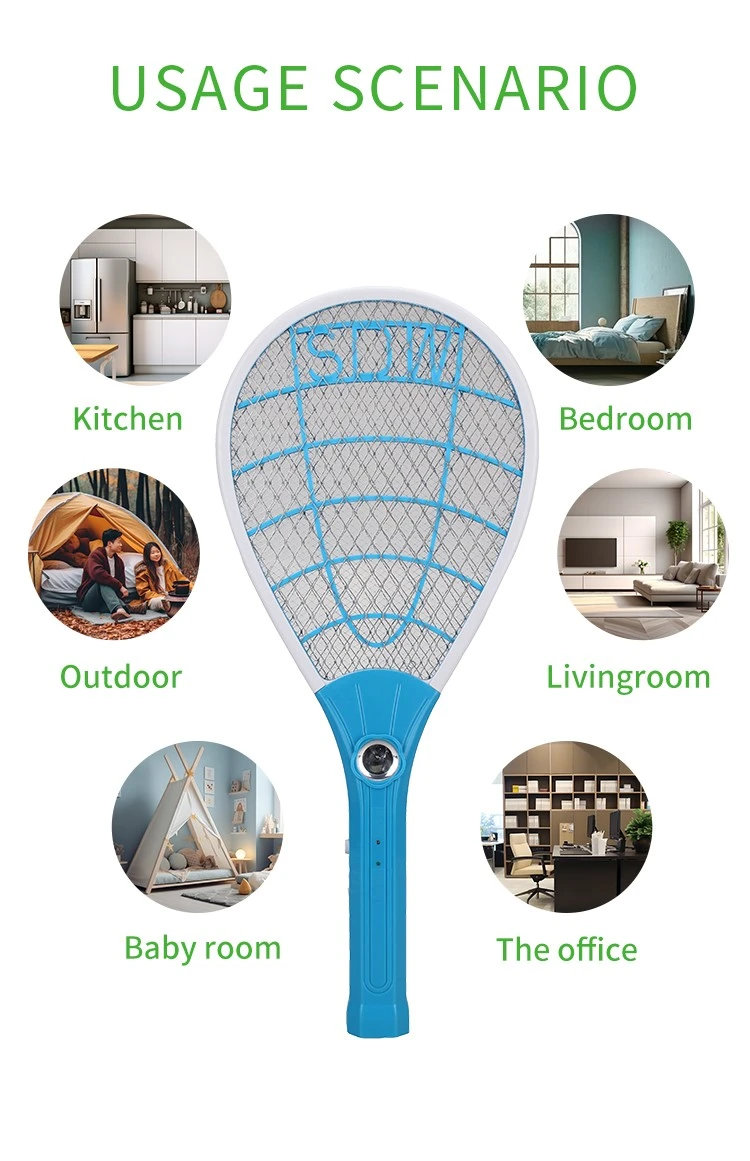
- Flexible Scenarios: Electric mosquito swatters can be used flexibly in bedrooms, living rooms, balconies, and kitchens. Unlike insecticides, there is no need to worry about "needing ventilation after spraying," and unlike mosquito traps, they are not limited by the location of power sockets.
- Simple Operation: Both the elderly and children can easily master it, with no "usage threshold," allowing the whole family to participate in the eco-friendly action of "chemical-free mosquito repellent."
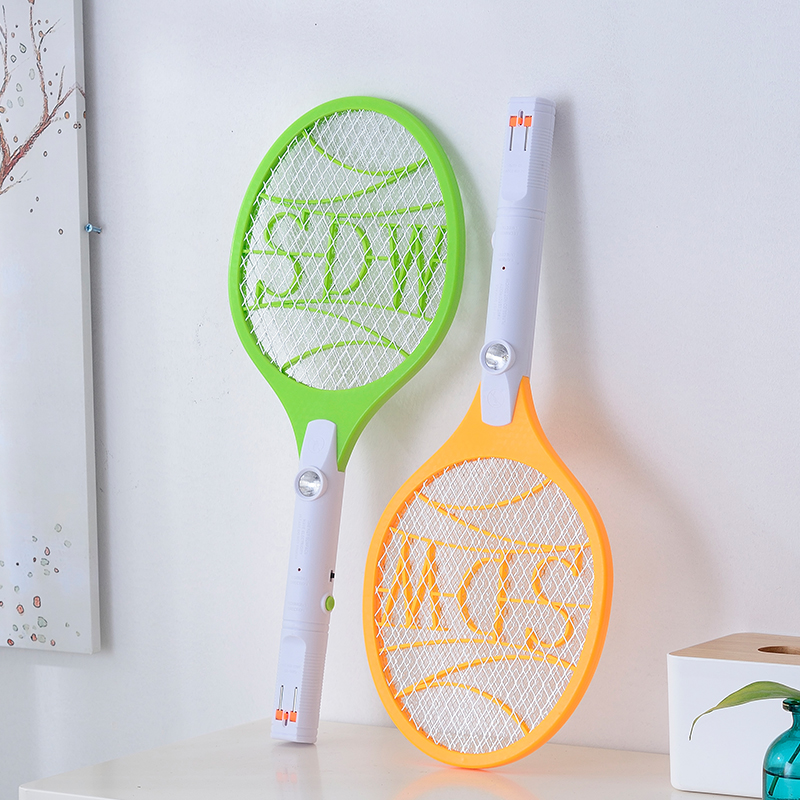
III. Appeal: Starting with Electric Mosquito Swatters, Embracing Eco-Friendly Living "From Small Beginnings"
The value of electric mosquito swatters lies not only in being an excellent mosquito-repelling tool but also in providing us with an idea of "low-cost eco-friendly living": eco-friendliness does not have to pursue "grand narratives." Starting from choosing a sustainable daily product and changing a small living habit, we can accumulate small efforts into a powerful force for environmental improvement.
1. For Individuals: Integrate "Eco-Friendliness" into Daily Life and Reject "Excessive Consumption for the Sake of Eco-Friendliness"
We don’t have to force ourselves to buy expensive eco-friendly products. Instead, just like choosing an electric mosquito swatter, we can ask one more question when shopping: "Is it durable? Will it cause pollution? Is there a more sustainable alternative?"
- For example, use reusable glass straws instead of disposable plastic straws, cloth bags instead of disposable shopping bags, and rechargeable batteries instead of disposable dry batteries. These choices, like electric mosquito swatters, have low costs and are easy to adhere to, but they can effectively reduce waste generation and resource consumption.
- Reject "excessive consumption for the sake of eco-friendliness": Do not blindly buy products with "eco-friendly gimmicks" (such as "degradable tableware" with excessive packaging) and do not pursue so-called "eco-friendly products" that require "one-time replacement." Instead, give priority to items that are "durable, repairable, and low-consumption," allowing eco-friendliness to return to its "practical essence."
2. For Society: Promote the Popularization of the Cognition of "Small Tools, Great Eco-Friendliness"
The popularization of electric mosquito swatters requires more people to recognize its eco-friendly value—it is not an "outdated old tool" but a "green choice" that conforms to the concept of sustainable development.
- Communities can introduce the advantages of low-cost eco-friendly tools like electric mosquito swatters through popular science promotions and eco-friendly lectures, breaking the misunderstanding that "eco-friendliness = high consumption."
- Merchants can increase the promotion of durable electric mosquito swatters, reduce excessive marketing of disposable mosquito repellent products, and guide consumers to choose more sustainable solutions.
- Each of us can also become an "eco-friendly promoter," recommending electric mosquito swatters to family and friends, and sharing the experience of "using it to repel mosquitoes is both cost-saving and eco-friendly," so that more people can join the ranks of "low-cost eco-friendly living."
Conclusion
An electric mosquito swatter is small enough to fit in the palm of your hand, but the eco-friendly significance it carries is great enough to make us rethink the "relationship between humans and nature"—eco-friendliness is not a "burden" but a "smarter way of life." Choosing an electric mosquito swatter means not only choosing a mosquito-free summer but also embracing a low-cost, low-pollution, and sustainable attitude towards life. Starting today, let’s begin with the "small tools" around us to practice eco-friendliness, making life better and the earth more at ease.
Why Is There a Huge Price Gap in Electric Mosquito Swatters
How to Installing a Sticky Insect Trap Light
Related Article

If you’re struggling with annoying mosquitoes, flies, and other flying pests indoors and outdoors, upgrading from traditional manual tools to anElectric Mosquito Swatter is the most efficient solution. Many homeowners and renters search where to buy fly swatter online to find durable, safe, and high-performance electric models that deliver instant pest control.
Where to Buy Fly Swatter
Most importers of electric mosquito swatters obsess over the first order: samples requested, factories vetted, a pre-shipment inspection booked. Then the reorder arrives eight months later and something is off. The grid feels softer. The charge port is a slightly different shade of black. The carton thickness dropped from 350 gsm to 300 gsm. Nothing is catastrophic — but the product no longer matches what your retail customers approved, and quietly, your return rate starts climbing.
How to Keep Mosquito Swatter Quality Consistent Across Repeat Orders
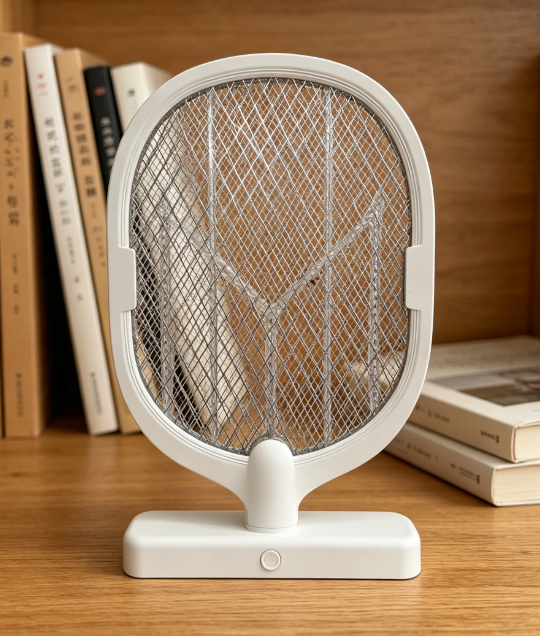
Warranty returns are the silent margin killer in the mosquito control category. A distributor who buys a swatter at $1.80 FOB and retails it at $9.90 can absorb a 1% return rate without noticing — but at 5%, the combined cost of replacement units, reverse logistics, and refund processing erases most of the line's profit.
Common mosquito swatter killer lamp failure modes wholesale spec guide

Digital bathroom scales rank as the second-highest-volume consumer weighing product category, only behind kitchen scales, with distinct market and product characteristics that set them apart from other scale types in importers’ product portfolios.
Digital bathroom body fat-bia-scale wholesale buyers guide