
Energy-Saving Mosquito Killer Recommendations
2026-03-31
Energy-Saving Mosquito Killer Recommendations: Stay Away from Mosquito Disturbance Without Wasting Power
Summer nights should be a time of comfort and relaxation—barbecues in the courtyard, leisurely evenings by the window, or a sound night’s sleep—but mosquitoes always seem to ruin this beauty. Traditional mosquito killers often consume a lot of electricity but fail to provide long-lasting mosquito control effects, leaving you both annoyed and facing higher electricity bills. The good news? Energy-saving mosquito killers perfectly solve this problem: they can effectively eliminate pests while significantly reducing power consumption, being both environmentally friendly and cost-effective. In this blog, we will detailedly analyze the advantages of energy-saving mosquito killers, recommend high-quality models suitable for different needs, and share purchasing tips to help you find the most suitable one for your home.
Why Choose Energy-Saving Mosquito Killers?
Before moving on to the recommendation section, let’s first take a look at why energy-saving mosquito killers are wiser than traditional ones. These devices are not only "environmentally friendly" but also designed with a focus on high efficiency and low consumption, bringing double benefits to your comfortable life and your wallet.
1. Significant Power and Cost Savings
The biggest advantage of energy-saving models is their low power consumption. Unlike traditional mosquito killers that need to continuously consume more than 40 watts of electricity, most energy-saving models can operate with only 4-15 watts with the help of advanced LED technology. This means that compared with old models, power consumption can be reduced by 75%-90%. For example, a 5-watt energy-saving mosquito killer costs only 3-6 US dollars to operate for a season, while a traditional 40-watt mosquito killer can cost 25-45 US dollars—saving you 15-40 US dollars per year, and 75-200 US dollars over five years.
2. Durable and Stable Performance
Energy-saving mosquito killers usually use LED lights instead of traditional fluorescent lights. LED lights have a service life of 3-5 years, while fluorescent lights can only be used for 6-12 months, which reduces the trouble of frequent bulb replacement and also reduces waste. Many models also adopt durable materials and intelligent designs to extend their overall service life, making them a cost-effective long-term investment.
3. Safe, Environmentally Friendly and Free of Harmful Substances
Most energy-saving mosquito killers adopt physical mosquito control methods—such as ultraviolet attraction, high-voltage grids or suction fans—without relying on harmful chemicals or insecticides. This makes them safer for families with children and pets, and more beneficial to the environment. In addition, low power consumption can also reduce carbon footprint, in line with the concept of sustainable living.
Recommendations for High-Quality Energy-Saving Mosquito Killers
Our company has carefully developed three types of energy-saving mosquito killers, covering outdoor, small indoor and silent models. Recommended by usage scenarios, all of them focus on low power consumption, taking into account both effect and practicality, adapting to the needs of different families and scenarios. They not only conform to the concept of energy conservation but also effectively solve the problem of mosquito disturbance.
I. Outdoor-Specific: Solar Outdoor Mosquito Killer
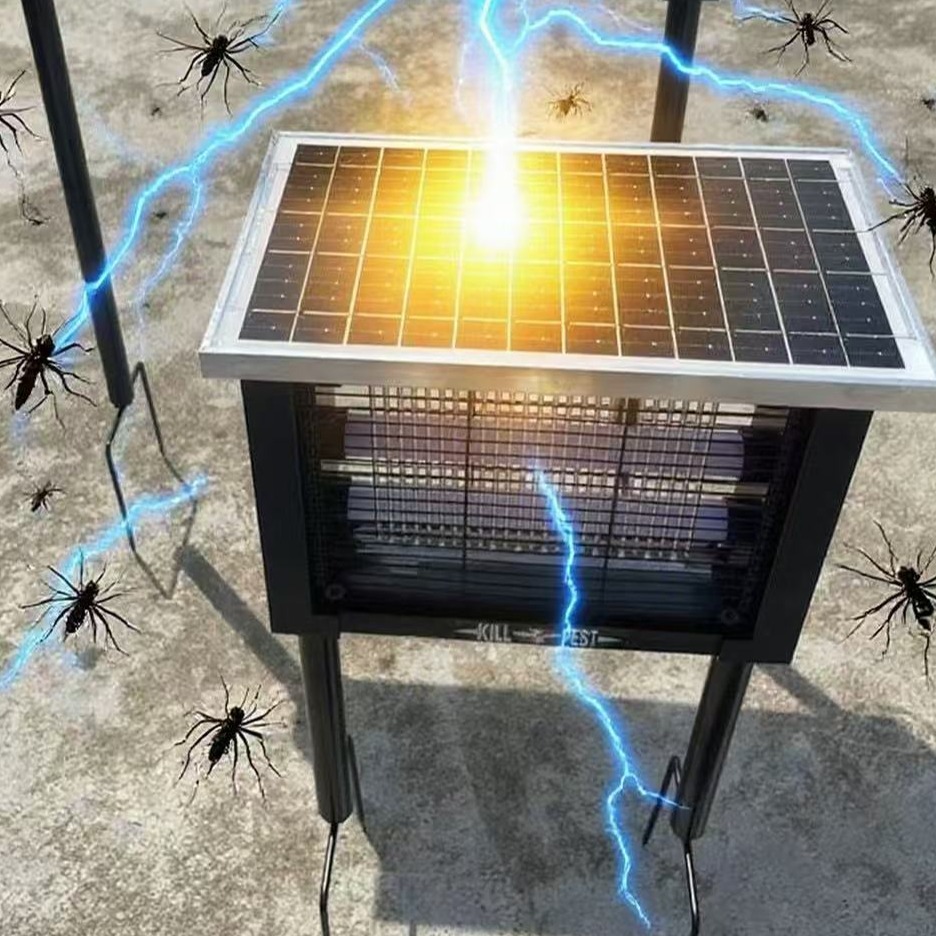
Designed specifically for outdoor scenarios such as courtyards, terraces and camping, it focuses on solar energy-saving power supply, perfectly meeting the needs of outdoor scenes without power sources. At the same time, it has excellent waterproof performance, fearless of wind and rain. This mosquito killer is equipped with a rotatable high-efficiency solar panel with a power of 40W, which can quickly absorb sunlight and store electricity. It is matched with a 24Ah high-capacity flame-retardant lithium battery, which can run continuously for 8-12 hours after being fully charged. It can be charged via USB as a backup on cloudy days, completely getting rid of the constraints of power cords. It adopts a 10W multi-spectral LED mosquito trap tube with a 365nm wavelength to accurately attract mosquitoes, and is matched with a spiral powerful fan to generate negative pressure to suck mosquitoes into the insect trap bucket. The wind speed at the air inlet is ≥2.2m/s, which is efficient in mosquito control without harsh electric shock noise. The protection level reaches IP55, and the whole machine is made of ABS flame-retardant shell with a solid structure. It can be hung, inserted into the ground or placed on the table, with different sizes. The maximum size can cover up to 500 square meters, suitable for large outdoor spaces such as courtyards, villas and orchards. It is both energy-saving and worry-free, truly realizing the convenient experience of "charging by sunlight and killing mosquitoes at night".
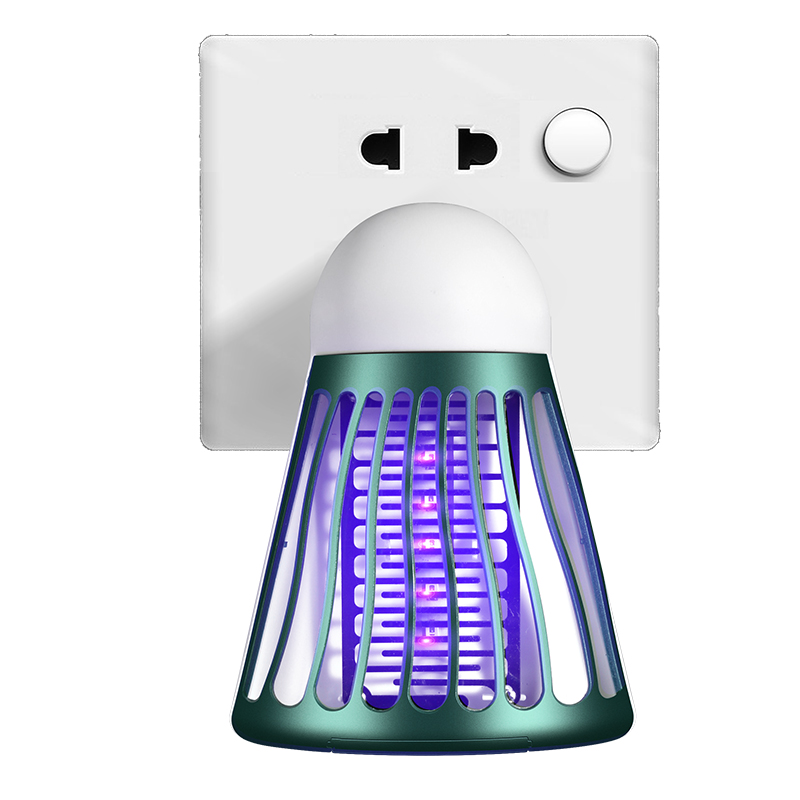
II. Small Indoor: Badminton-Shaped Mini Mosquito Killer
Focusing on small size, beauty, low consumption and silence, its unique badminton shape is simple and exquisite, which can be easily integrated into small spaces such as bedrooms, desks and offices without occupying extra space, combining decorativeness and practicality. With a power of only 5W, it is much lower than traditional indoor mosquito killers. Running continuously for 24 hours only consumes 0.12 kWh of electricity, and the monthly electricity bill is less than 1 yuan, with remarkable energy-saving effect. It adopts 360° surround UV purple light mosquito trapping technology to accurately attract mosquitoes, and is matched with a silent suction fan with an operating noise of less than 20 decibels, which does not interfere with sleep and work. It has no electric shock, no peculiar smell, and adopts physical mosquito control method without adding any chemical agents, which is safe for families with the elderly, children and pets. The coverage area is about 10-20 square meters, with a plug-in design and simple operation. It is an ideal choice for mosquito control in small indoor spaces, combining energy saving, beauty and practicality.
III. Indoor Silent Model: Sticky Trap Mosquito Killer
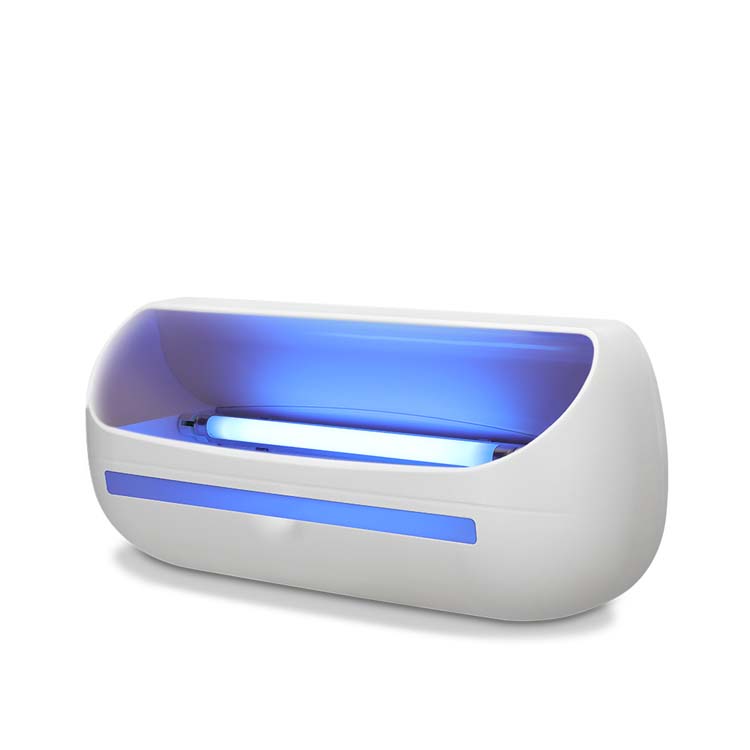
Designed specifically for people who are sensitive to noise and pay attention to home cleanliness, it adopts physical sticky trap as the core method, without electric shock noise, no peculiar smell, and runs silently throughout, without damaging the quiet atmosphere of the home. With a power of only 4W, it is an ultra-low energy consumption model. Turning it on for a long time will not increase the electricity bill burden, which is in line with the concept of energy conservation. At the same time, it has passed the national standard safety inspection, and the ultraviolet radiation at 1 meter is far lower than the safety standard, making it more reassuring to use. Equipped with a 365-375nm variable frequency LED mosquito trap light, it can accurately trap different types of mosquitoes with a mosquito trapping rate of up to 99%. It is matched with replaceable sticky trap boards. After being attracted, mosquitoes will be firmly stuck on the boards, which is convenient to clean, no need to clean up dead mosquitoes, avoiding secondary pollution. Moreover, the sticky trap boards have no harmful residues, which is safe and environmentally friendly. Suitable for indoor scenes such as bedrooms, baby rooms and studies, the coverage area is about 60-100 square meters, especially suitable for families with children, pregnant women and pets, combining energy saving, safety and convenience.
How to Choose the Right Energy-Saving Mosquito Killer?
There are many types of energy-saving mosquito killers on the market, and you need to consider your own specific needs when choosing. The following are the key factors to focus on:
1. Power Consumption
For indoor use, you can choose models with power between 4-20 watts, and for outdoor use, you can choose models with power between 10-40 watts. The lower the power consumption, the better the energy-saving effect, but you need to ensure that the model can effectively cover your use space.
2. Coverage Area
Match the coverage area of the mosquito killer according to the use space. Indoor models usually cover 500-1500 square feet, and outdoor models can cover up to 1 acre and above. Choosing a model with a suitable coverage area can ensure efficient mosquito control and avoid wasting electricity.
3. Power Supply Method
Indoor models are usually plug-in, and some small models support charging. For outdoor use, solar-powered models are the most energy-saving choice, which can use renewable energy. It is recommended to choose solar models with USB backup charging function to cope with cloudy days without sunlight.
4. Safety Performance
If there are children or pets at home, it is recommended to choose models with protective nets to prevent accidental contact with high-voltage components. Models certified by EPA are also a good choice, which meet safety standards and do not contain harmful chemical substances.
Tips to Maximize Energy Saving and Mosquito Control Effect
Even the best energy-saving mosquito killer will work better with simple skills. Follow the following suggestions to give full play to the role of the device:
-
Place the mosquito killer in a dark and quiet area—mosquitoes are more easily attracted by ultraviolet light in low-light environments. Avoid placing it near other light sources (such as table lamps or porch lights) to avoid distracting mosquitoes.
-
Clean the device regularly: remove dead mosquitoes from the power grid or collection tray to ensure the best performance of the device. A dirty device will reduce the mosquito control effect and waste electricity.
-
Use intelligent functions: many models have automatic on/off or light-sensing functions, which can automatically turn on at dusk and off at dawn—running only when needed to save electricity.
-
For outdoor solar models, place them in direct sunlight during the day to ensure full charging. This can maximize the nighttime operation time without relying on USB backup charging.
Conclusion
Energy-saving mosquito killers are an intelligent and sustainable solution to mosquito disturbance in summer. They can effectively eliminate mosquitoes, save electricity bills, and are safe for families and the environment. Whether you need an indoor model for the bedroom or a solar outdoor model for the courtyard, choosing the right model and following our usage skills will allow you to enjoy mosquito-free summer days and nights—without wasting a single watt of electricity.
Eco-Friendly Pest Control
Small Apartment Mosquito Control
Related Article

If you’re struggling with annoying mosquitoes, flies, and other flying pests indoors and outdoors, upgrading from traditional manual tools to anElectric Mosquito Swatter is the most efficient solution. Many homeowners and renters search where to buy fly swatter online to find durable, safe, and high-performance electric models that deliver instant pest control.
Where to Buy Fly Swatter
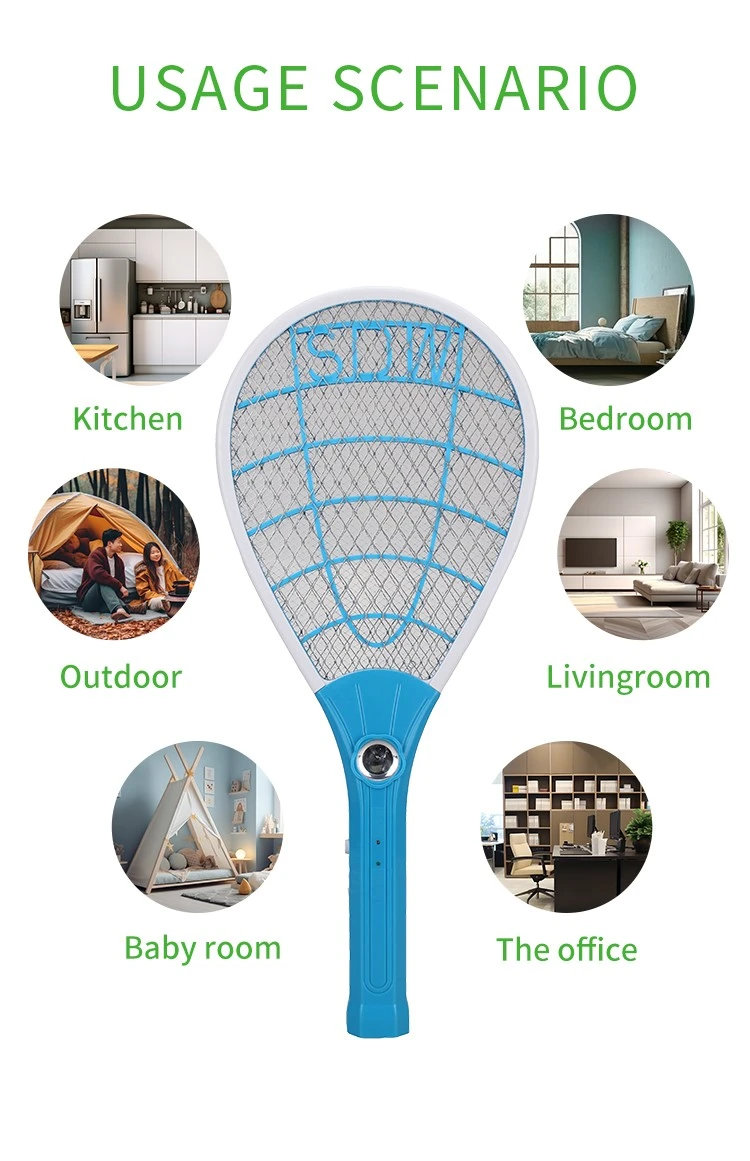
Most importers of electric mosquito swatters obsess over the first order: samples requested, factories vetted, a pre-shipment inspection booked. Then the reorder arrives eight months later and something is off. The grid feels softer. The charge port is a slightly different shade of black. The carton thickness dropped from 350 gsm to 300 gsm. Nothing is catastrophic — but the product no longer matches what your retail customers approved, and quietly, your return rate starts climbing.
How to Keep Mosquito Swatter Quality Consistent Across Repeat Orders
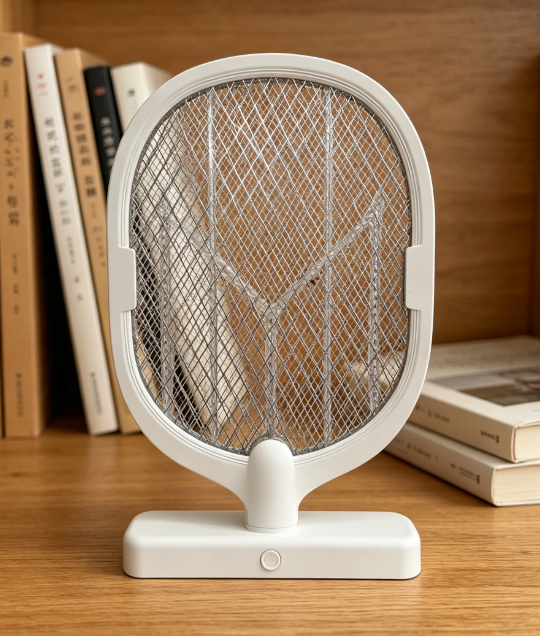
Warranty returns are the silent margin killer in the mosquito control category. A distributor who buys a swatter at $1.80 FOB and retails it at $9.90 can absorb a 1% return rate without noticing — but at 5%, the combined cost of replacement units, reverse logistics, and refund processing erases most of the line's profit.
Common mosquito swatter killer lamp failure modes wholesale spec guide

Digital bathroom scales rank as the second-highest-volume consumer weighing product category, only behind kitchen scales, with distinct market and product characteristics that set them apart from other scale types in importers’ product portfolios.
Digital bathroom body fat-bia-scale wholesale buyers guide