
Enjoy a Comfortable Autumn Without Mosquito Bites
2025-08-31
Enjoy a Comfortable Autumn Without Mosquito Bites
Before we know it, autumn has arrived. Many people assume summer is the peak season for mosquitoes and think they can let their guard down in autumn and winter—but this is far from the truth. Autumn is also a peak period for mosquito infestations. Contrary to common belief, these pests don’t disappear with the end of summer: many mosquito species actually thrive in autumn’s mild, humid conditions (such as puddles after rain, rotting leaves, and stagnant water in gardens). To fully savor the beauty of autumn without the annoyance of itchy bites (or the risk of mosquito-borne diseases like West Nile virus), follow this practical guide to keep mosquitoes at bay.
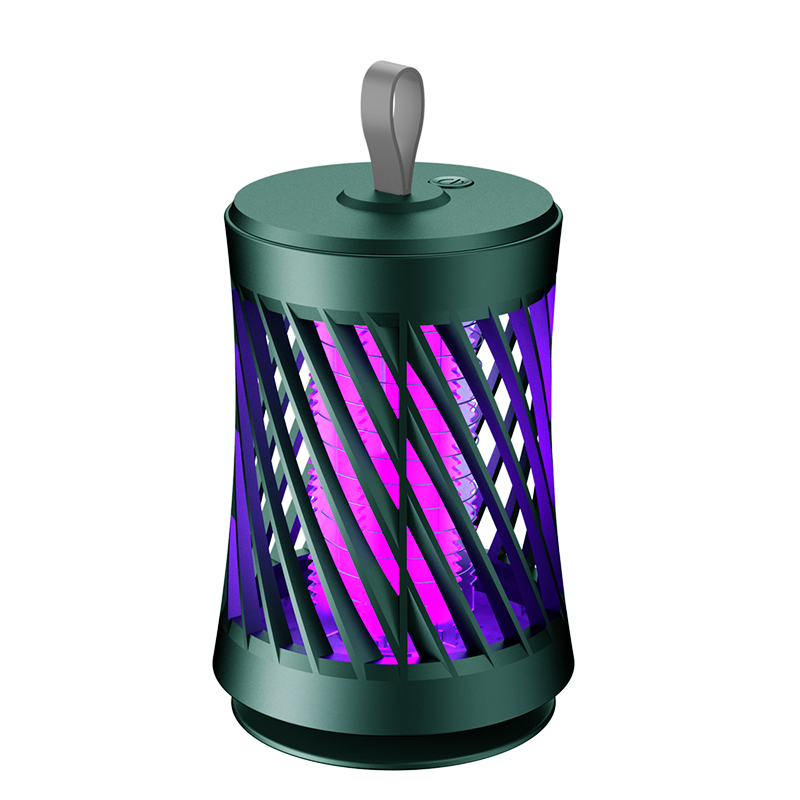
1. Block Mosquitoes at the Source: Eliminate Breeding Grounds
Mosquitoes lay their eggs in stagnant water—even tiny amounts (as little as the volume of a bottle cap!) can hatch into larvae. Autumn’s frequent rains and accumulated fallen leaves create ideal breeding environments for mosquitoes, so the top priority is to clear these habitats:
- Yard Cleaning: Empty and invert containers that easily collect water, such as flower pots, birdbaths, buckets, and grill covers. Replace the water in birdbaths every 2–3 days to prevent mosquitoes from laying eggs.
- Leaf and Debris Disposal: Rake up fallen leaves, as piled leaves trap moisture (providing an ideal habitat for mosquito larvae). Clear leaves and dirt from gutters—clogged gutters collect rainwater and become hidden mosquito breeding zones.
- Check Hidden Areas: Inspect under patios, outdoor furniture, and children’s play equipment for stagnant water. For larger areas like ponds or rain barrels, add biological larvicides (such as Bacillus thuringiensis israelensis, abbreviated as Bti)—this safe, non-toxic agent kills larvae without harming pets, fish, or plants.
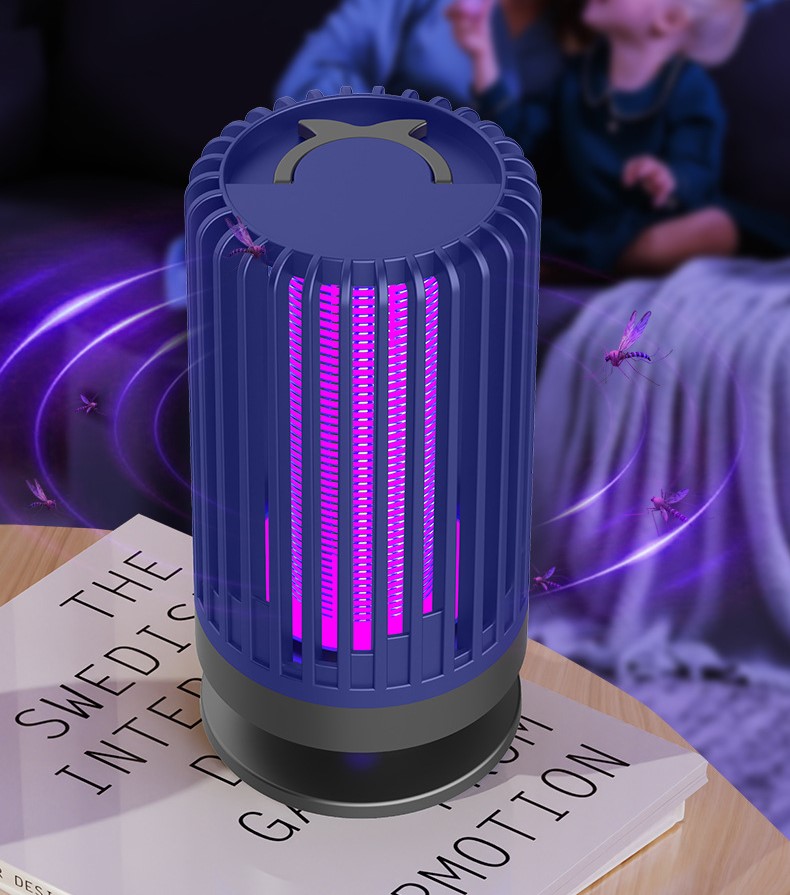
2. Dress Smart to Repel Bites: Choose Mosquito-Resistant Clothing
Autumn’s cool weather is perfect for layering—and the right clothing acts as a physical barrier against mosquito bites. Mosquitoes are attracted to dark colors and carbon dioxide, so adjusting your wardrobe can reduce your appeal to them:
- Opt for Light-Colored Clothing: Prioritize wearing white, beige, or light gray—dark colors (such as black, navy blue, and red) are more likely to attract mosquitoes.
- Cover Up Fully (Even in Mild Weather): Wear long-sleeved shirts (preferably made of lightweight, breathable fabrics like cotton or linen) and long pants. If hiking or staying in wooded areas for extended periods, tuck your pants into your socks (mosquitoes often gather near vegetation).
- Avoid Tight-Fitting Clothes: Mosquitoes can bite through thin, tight fabric—loose clothing creates a gap that prevents their mouthparts from reaching your skin.
3. Use Repellents Safely and Effectively
Repellents are essential for autumn, especially for evening activities (like bonfires or Halloween trick-or-treating). Choose products that balance effectiveness and safety, and follow these rules to avoid skin irritation:
- Select EPA-Registered Repellents: These products are proven effective and meet safety standards. Look for the following active ingredients:
- DEET: Provides protection for 2–12 hours (depending on concentration; a 20%–30% concentration is ideal for adults and children over 2 months old).
- Picaridin: An odorless alternative to DEET, safe for all age groups (including infants over 2 months old) and gentle on the skin.
- IR3535 (Ethyl Butylacetylaminopropionate): Suitable for sensitive skin and won’t damage clothing or gear (ideal for autumn jackets or backpacks).
- Apply Correctly: Spray repellent on exposed skin and the outer layers of clothing (mosquitoes can bite through fabric). Avoid contact with eyes, mouth, and open wounds. When using on children, first spray the repellent onto your hands, then rub it onto the child’s skin.
- Use “Natural” Repellents Cautiously in High-Risk Areas: Products containing essential oils (such as citronella or lavender) may smell pleasant, but they only provide protection for 30–60 minutes and are far less reliable than EPA-registered repellents. Use them only for short, low-risk outdoor activities.
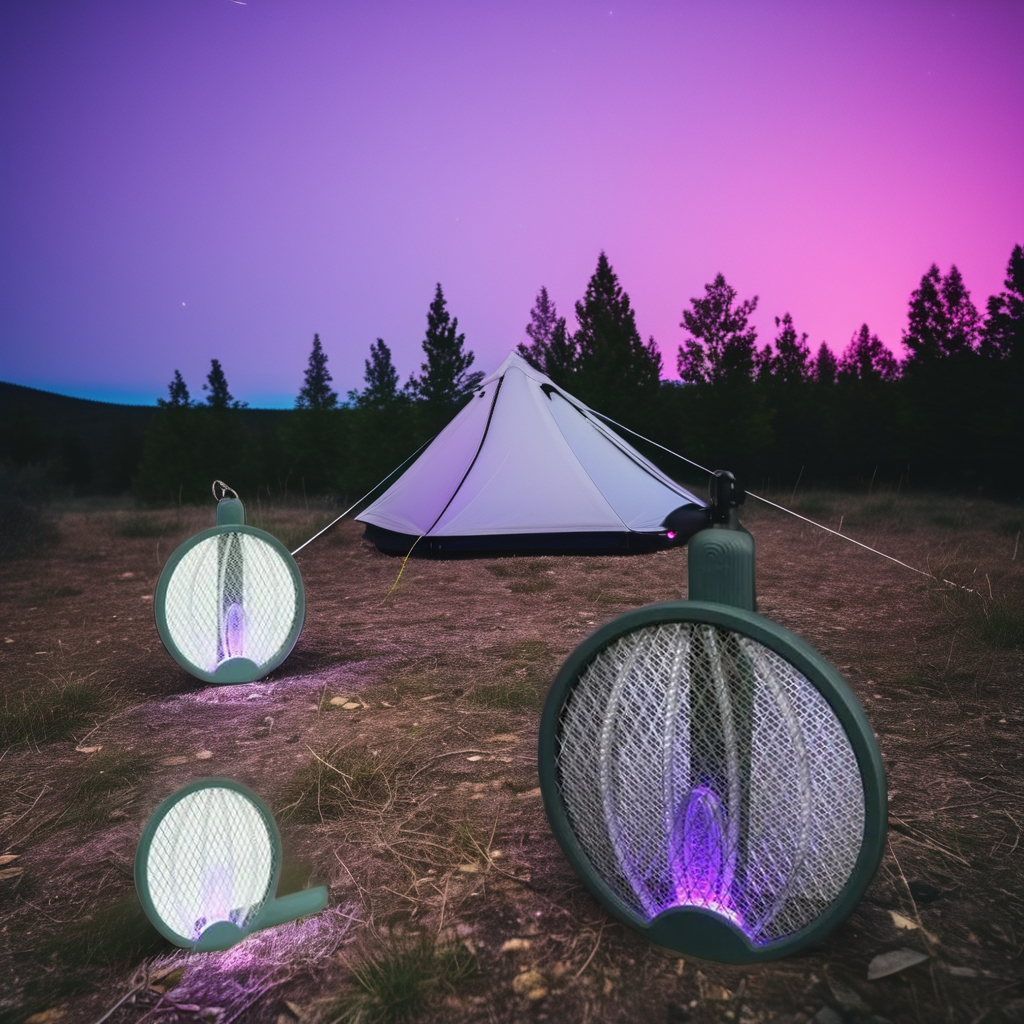
4. Protect Outdoor Spaces: Create a Mosquito-Free Environment
Whether hosting an autumn barbecue or relaxing on a patio, adjusting your outdoor area can repel mosquitoes:
- Use Fans: Mosquitoes are weak fliers—place box fans or oscillating fans near seating areas. The airflow disrupts their ability to land and bite, creating a “mosquito-free zone.”
- Grow Mosquito-Repellent Plants: Place potted herbs or flowers on patios or in gardens—mosquitoes dislike their scents. Top choices include:
- Citronella grass (the most well-known mosquito-repellent plant, but requires full sun to thrive).
- Lavender (adds a warm autumn vibe while repelling pests).
- Mint (easy to grow in pots; crushing its leaves enhances its repellent scent).
- Avoid Peak Activity Hours: Mosquitoes are most active in autumn during dawn and dusk (5–7 AM and 7–9 PM). If possible, schedule outdoor activities for midday, when mosquito activity is lower.
5. Secure Your Home: Prevent Mosquitoes from Sneaking In
When you open windows to let in the autumn breeze, don’t let mosquitoes slip inside. Seal entry points and use indoor tools to catch stragglers:
- Install or Repair Screens: Check window and door screens for tears or holes—repair small gaps with screen tape, or replace damaged screens entirely. For sliding doors, add weatherstripping (which also prevents mosquitoes from slipping through gaps at the bottom).
- Use Indoor Mosquito Traps: Plug-in mosquito traps (powered by UV light or carbon dioxide) are safe for indoor use and catch mosquitoes that sneak inside. Place them near windows or entryways (but away from beds or seating areas, ensuring mosquitoes are drawn to the trap rather than biting you).
- Turn Off Unnecessary Lights: Mosquitoes are attracted to bright light—use soft, warm-toned bulbs (such as LED string lights) for indoor and outdoor lighting. Avoid leaving porch lights on all night (use motion-sensor lights instead).
By following these methods, you can fully enjoy every moment of autumn—from apple picking to eating s’mores by the fire—without the bother of mosquito bites. The key is proactive prevention: simple preparations (like raking leaves or checking screens) can effectively keep these pests away.
Golden September and Silver October
Can Electric Fly Swatters Only Kill Mosquitoes
Related Article

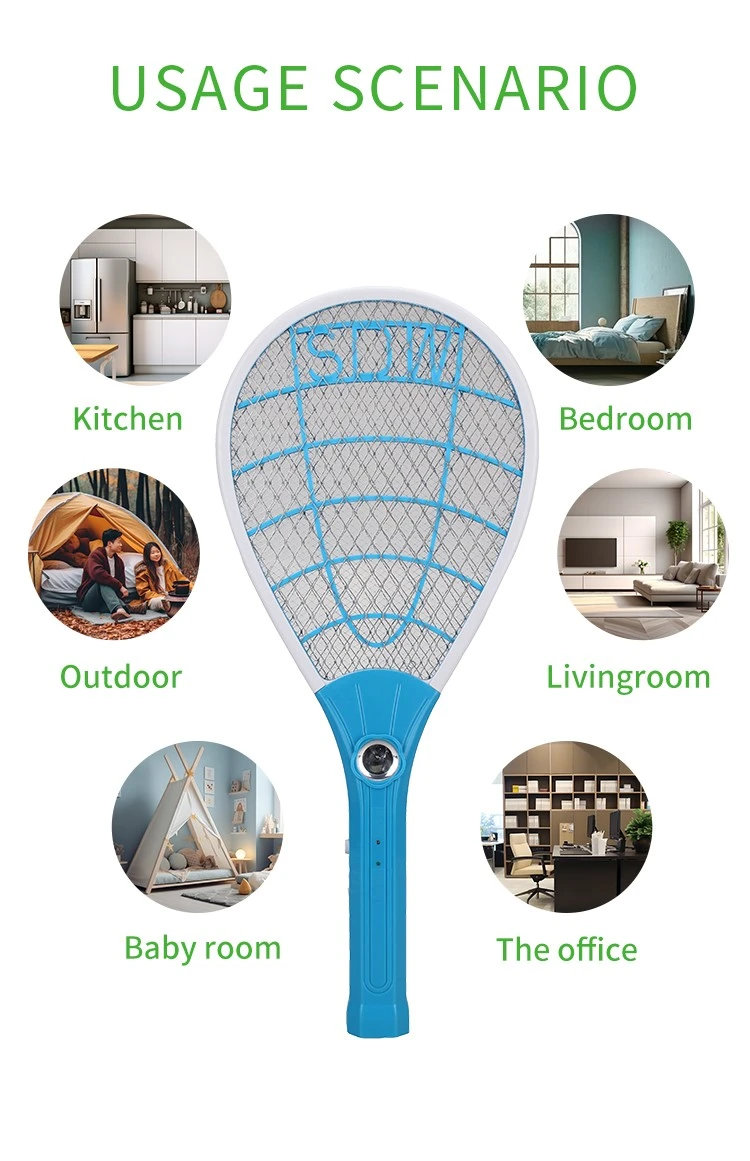
If you’re struggling with annoying mosquitoes, flies, and other flying pests indoors and outdoors, upgrading from traditional manual tools to anElectric Mosquito Swatter is the most efficient solution. Many homeowners and renters search where to buy fly swatter online to find durable, safe, and high-performance electric models that deliver instant pest control.
Where to Buy Fly Swatter
Most importers of electric mosquito swatters obsess over the first order: samples requested, factories vetted, a pre-shipment inspection booked. Then the reorder arrives eight months later and something is off. The grid feels softer. The charge port is a slightly different shade of black. The carton thickness dropped from 350 gsm to 300 gsm. Nothing is catastrophic — but the product no longer matches what your retail customers approved, and quietly, your return rate starts climbing.
How to Keep Mosquito Swatter Quality Consistent Across Repeat Orders
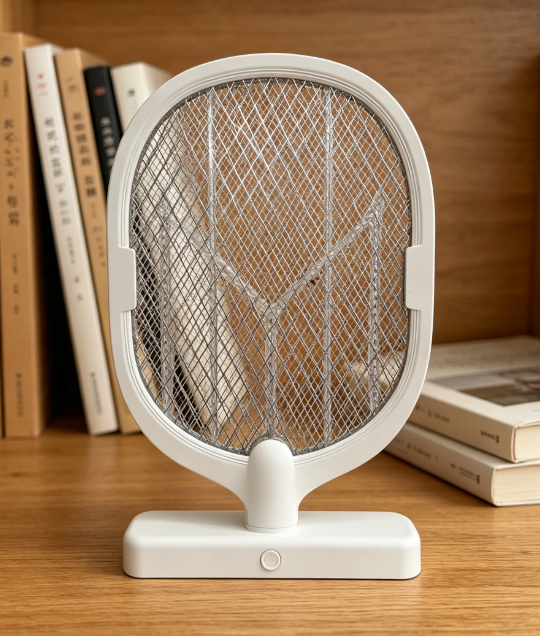
Warranty returns are the silent margin killer in the mosquito control category. A distributor who buys a swatter at $1.80 FOB and retails it at $9.90 can absorb a 1% return rate without noticing — but at 5%, the combined cost of replacement units, reverse logistics, and refund processing erases most of the line's profit.
Common mosquito swatter killer lamp failure modes wholesale spec guide

Digital bathroom scales rank as the second-highest-volume consumer weighing product category, only behind kitchen scales, with distinct market and product characteristics that set them apart from other scale types in importers’ product portfolios.
Digital bathroom body fat-bia-scale wholesale buyers guide