
EU Mandates Universal USB Type-C Charger
2026-01-12
EU Mandates Universal USB Type-C Charger: Full Timeline & Extended Scope to All External Power Supplies
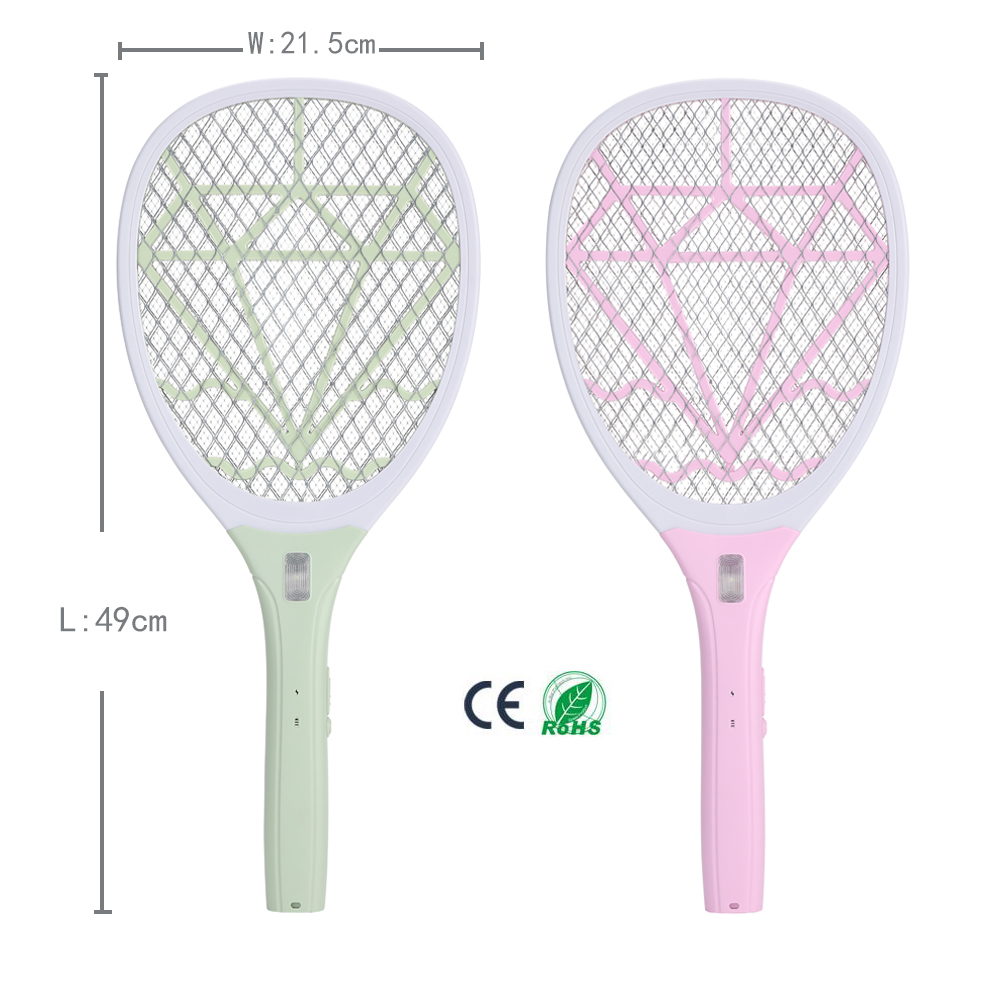
I. Core Regulations & Phased Implementation Schedule
The EU’s common charger requirements are advanced through two coordinated frameworks: revisions to the Radio Equipment Directive (RED) for end-user devices, and updates to the Ecodesign Regulation for External Power Supplies (EPS), working together to achieve full standardization.
| Implementation Date | Scope | Key Requirements |
|---|---|---|
| 28 December 2024 | Mobile phones, tablets, cameras, headphones, handheld game consoles, portable speakers, e-readers, keyboards, mice, etc. | Must feature a USB Type-C port and support USB Power Delivery (PD) fast charging; compatible with any compliant Type-C charger; display the EU Common Charger logo |
| 28 April 2026 | Laptops | Included in the mandatory Type-C scope; output power must be delivered via the Type-C/PD port |
| 14 December 2028 | Most external power supplies (chargers/adapters) for all electronically powered devices | All USB chargers must have at least one Type-C port; must use detachable cables; meet higher energy efficiency standards; label the maximum power of the port |
The newly updated Commission Regulation (EU) 2025/2052 was published on 24 November 2025. It allows for early compliance starting from 14 December 2025 and will be fully enforced on 14 December 2028, replacing the previous regulation (EU) 2019/1782.

II. Latest Extension: Type-C Requirements for All Externally Powered Devices
1. Coverage Scope
The new regulation comprehensively governs External Power Supplies (EPS), wireless chargers, wireless charging pads, general portable battery chargers, and USB Type-C cables:
- External Power Supplies: Including adapters for routers, monitors, electric toothbrushes, shavers, electric mosquito swatters, mosquito traps, etc.
- Wireless Charging Devices: Included in the ecodesign requirements for the first time, subject to standby power consumption limits and Type-C compatibility requirements.
- Type-C Cables: Must be equipped with Type-C plugs at both ends, labeled with rated power (60W/240W), and non-detachable hard-wired cables are prohibited.
2. Key Technical & Interoperability Requirements
- Type-C+PD as Standard: All USB chargers must have at least one Type-C port; maximum output power must be delivered through the Type-C/PD port; detachable cables are mandatory.
- Enhanced Energy Efficiency: Limits on no-load power consumption, low-load efficiency (10% load), and average efficiency have been significantly tightened. Energy efficiency requirements are imposed on wireless chargers and Type-C cables for the first time.
- Labeling & Compliance: Products that meet interoperability requirements must display the EU Common Charger logo and clearly indicate the maximum power of the port. A transition period is in place until the end of 2028, during which the old regulation will be phased out.
3. Exemption Scenarios (Limited Exceptions)
- High-power devices (>100W with special voltage requirements)
- Professional/industrial equipment and fixed-installation devices
- Medical devices, aviation-specific equipment, and other special-purpose products
- Some micro-devices (unable to integrate a Type-C port due to physical size constraints)
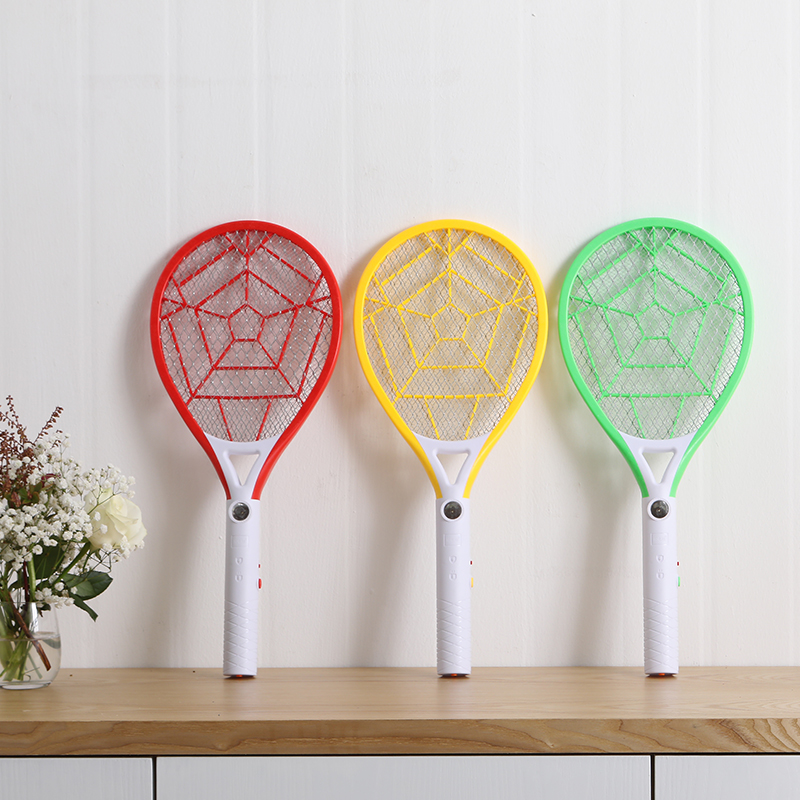
III. Key Impacts on Electric Mosquito Swatter & Mosquito Trap Industry
- Product Design Adjustments: For products using external power adapters (e.g., rechargeable electric mosquito swatters, plug-in mosquito traps), their adapters must be upgraded to Type-C detachable cable solutions by 2028. Built-in battery models supporting external charging also need to adopt Type-C ports.
- Export Compliance Threshold: The EU is a key export market; non-compliant products will be banned from sale. Enterprises need to plan supply chain upgrades and mold updates in advance to avoid disruptions to production capacity during the transition period.
- Energy Efficiency & Cost Optimization: The new regulation’s higher energy efficiency requirements will drive products to adopt more efficient power solutions. Unified Type-C standards can reduce the variety of charger models, lowering inventory and procurement costs.
- Wireless Charging Expansion: If developing wireless charging mosquito traps or electric mosquito swatters, products must meet the standby power consumption limits and Type-C compatibility requirements for wireless chargers.
IV. Regulatory Objectives & Market Value
- Environmental Benefits: Expected to reduce related pollutant emissions by approximately 13% and greenhouse gas emissions by 9%; cut electronic waste by around 10,000 tons annually, equivalent to the annual energy consumption of 140,000 electric vehicles.
- Consumer Value: Expected to save EU consumers around 100 million euros each year; eliminate the inconvenience of “multiple chargers for multiple brands”.
- Industry Impact: Promote the standardization of accessories and accelerate the maturity of the Type-C ecosystem. While posing compliance challenges for small and medium-sized enterprises (SMEs), it also presents opportunities for product upgrades.
V. Action Recommendations (For Export-Oriented Enterprises)
- Conduct product compliance assessments immediately to identify which models require adapter or charging port adjustments.
- Engage with suppliers in advance regarding Type-C detachable cable and high-efficiency power solutions to secure the supply chain.
- Plan mold updates and production capacity transitions to ensure full compliance with the new regulations by 2028.
- Highlight “Compliant with EU Universal Charger Standards” in product promotion to enhance international market competitiveness.
2026 New Regulations for the Electrical Appliance Industry
What Kind of Mosquito Swatter is Truly Eco-Friendly
Related Article

If you’re struggling with annoying mosquitoes, flies, and other flying pests indoors and outdoors, upgrading from traditional manual tools to anElectric Mosquito Swatter is the most efficient solution. Many homeowners and renters search where to buy fly swatter online to find durable, safe, and high-performance electric models that deliver instant pest control.
Where to Buy Fly Swatter
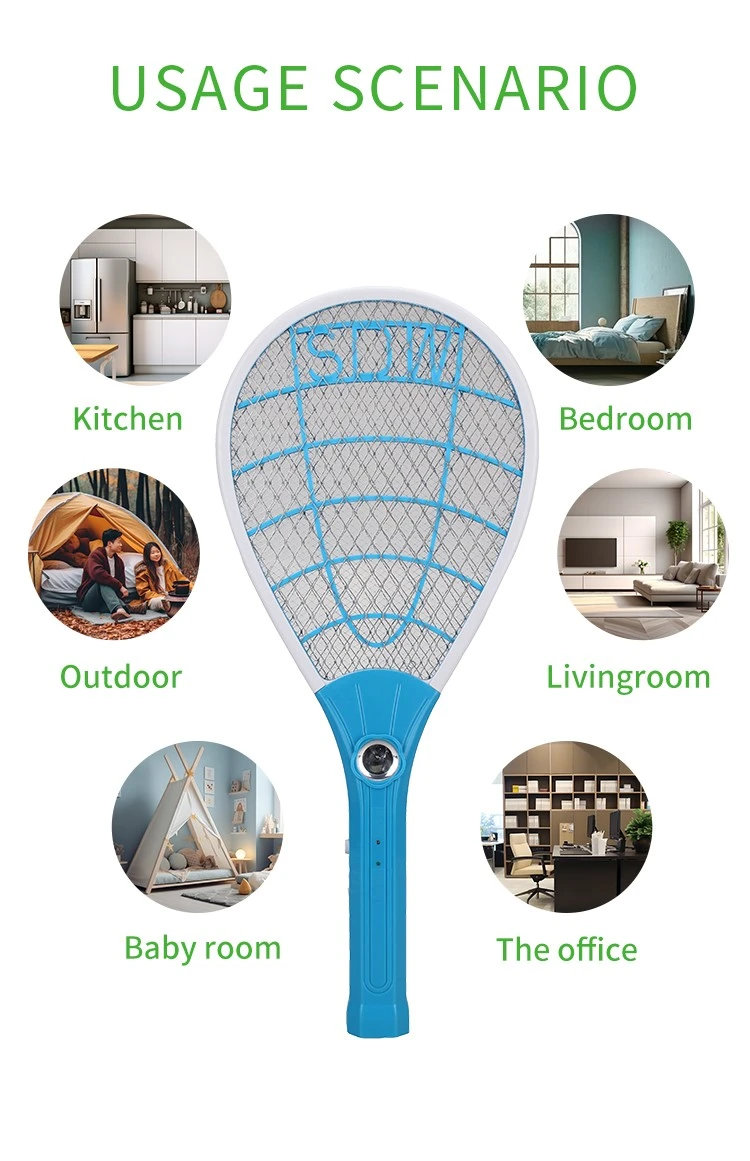
Most importers of electric mosquito swatters obsess over the first order: samples requested, factories vetted, a pre-shipment inspection booked. Then the reorder arrives eight months later and something is off. The grid feels softer. The charge port is a slightly different shade of black. The carton thickness dropped from 350 gsm to 300 gsm. Nothing is catastrophic — but the product no longer matches what your retail customers approved, and quietly, your return rate starts climbing.
How to Keep Mosquito Swatter Quality Consistent Across Repeat Orders
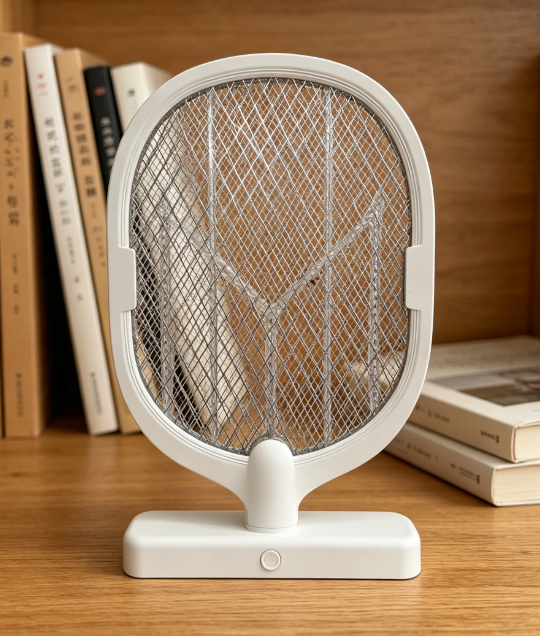
Warranty returns are the silent margin killer in the mosquito control category. A distributor who buys a swatter at $1.80 FOB and retails it at $9.90 can absorb a 1% return rate without noticing — but at 5%, the combined cost of replacement units, reverse logistics, and refund processing erases most of the line's profit.
Common mosquito swatter killer lamp failure modes wholesale spec guide

Digital bathroom scales rank as the second-highest-volume consumer weighing product category, only behind kitchen scales, with distinct market and product characteristics that set them apart from other scale types in importers’ product portfolios.
Digital bathroom body fat-bia-scale wholesale buyers guide