
Flying Insect Killers Troubleshooting
2025-11-04
Flying Insect Killers Troubleshooting: Common Issues and Easy Fixes
If you’ve ever walked into your kitchen, warehouse, or outdoor patio and found flying insects still buzzing around despite having a flying insect killer (FIK) plugged in, you’re not alone. These devices—whether electric zappers, glue traps, or UV light-based models—are designed to keep pests at bay, but they can run into problems that stop them from working effectively. In this guide, we’ll break down the most common FIK issues and walk you through step-by-step troubleshooting to get your device back in top shape.
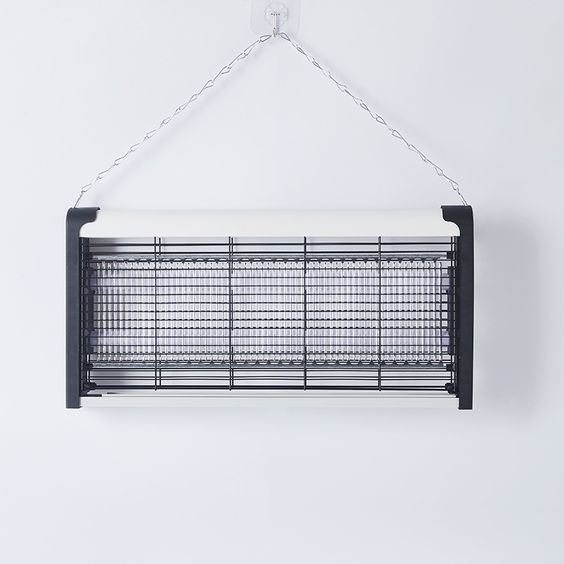
1. The FIK Isn’t Turning On At All
The first and most frustrating issue: your insect killer won’t power up. Before you assume it’s broken, try these simple checks:
- Check the Power Source: Start with the basics. Is the device plugged into a working outlet? If it’s using a power strip, make sure the strip is turned on and hasn’t tripped a circuit breaker. For battery-powered FIKs (common for outdoor use), test the batteries—replace them with fresh ones if they’re old or corroded.
- Inspect the Power Cord: Look for frayed wires, cracks, or damage to the plug. A damaged cord can cut off power entirely (and is a fire hazard). If you spot damage, stop using the device immediately—replace the cord or contact the manufacturer for repairs.
- Check for Internal Fuses: Many electric zappers have a small internal fuse that blows if there’s a power surge. Consult your user manual to find the fuse location (usually near the power input). If the fuse is blackened or broken, replace it with a fuse of the same amperage (never use a higher-amperage fuse—it can damage the device).
2. The UV Light Isn’t Working (For Light-Based FIKs)
Most FIKs rely on UV light to attract insects—if the light is out, the device might as well be a decorative piece. Here’s how to fix it:
- Replace the Bulb: UV bulbs have a lifespan of 3–6 months (even if they still glow faintly, their attractiveness drops sharply). Make sure to buy a bulb that matches your FIK’s model (e.g., T5 or T8 tubes) and turn off the power before swapping it out.
- Clean the Bulb and Reflector: Dust, bug debris, or grease on the bulb or its surrounding reflector can block UV light. Gently wipe the bulb with a dry microfiber cloth (never use water or chemicals) and clean the reflector with a soft brush to remove buildup.
- Test the Ballast (For Fluorescent Bulbs): If the new bulb still doesn’t light up, the ballast (the component that powers the bulb) might be faulty. This is trickier to fix—if you’re not handy with electronics, contact the manufacturer for a replacement part or service.
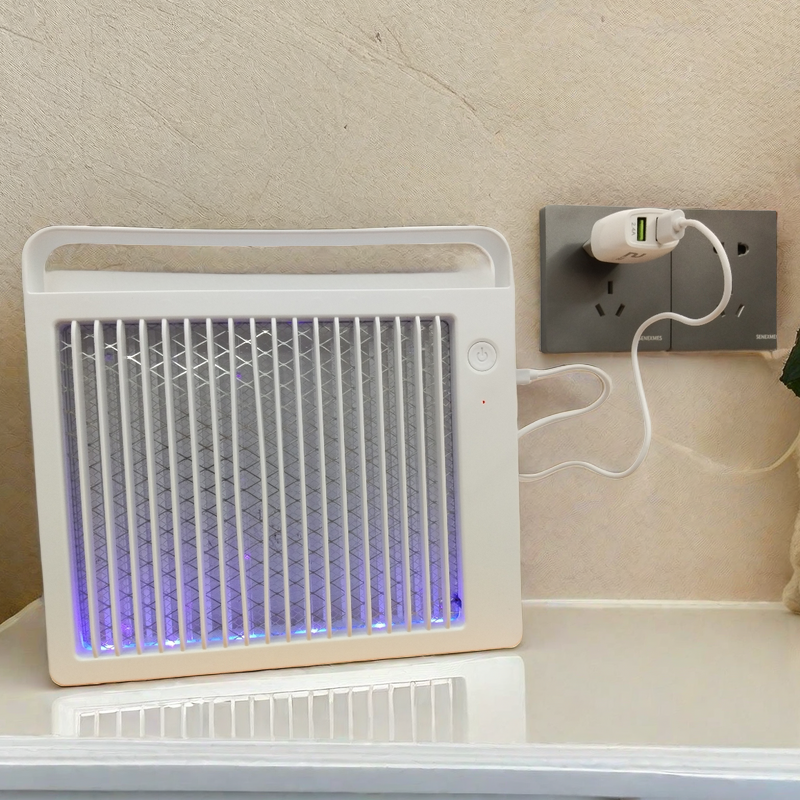
3. Insects Are Attracted But Not Killed
You see bugs swarming around the FIK, but they’re not getting zapped or stuck. This usually points to a problem with the killing mechanism:
-
- Clean the Grids: Dead bugs and debris can clog the metal grids, preventing a proper electric current. Unplug the device, wait 10 minutes (to ensure no residual charge), then use a small brush or compressed air to clear the grids. Avoid using water—moisture can damage the electrical components.
-
- Check the Voltage: If the grids are clean but still not zapping, the transformer (which generates the high voltage) might be weak. Use a multimeter to test the voltage (follow your manual’s instructions)—if it’s below the manufacturer’s recommended level, the transformer may need to be replaced.
- For Glue Trap FIKs:
-
- Replace the Glue Board: Glue boards lose their stickiness over time (usually after 2–4 weeks, depending on use). If bugs are walking over the board without getting stuck, swap it out for a new one. Make sure the board is properly aligned—if it’s loose, insects can slip underneath.
-
- Adjust Placement: Glue traps work best in low-wind areas. If your FIK is outdoors or near a fan, wind might blow bugs away before they land on the glue. Move the device to a calmer spot.
4. The FIK Is Making Strange Noises or Smells
Unusual sounds (like buzzing that’s louder than normal) or smells (burnt plastic, ozone) are red flags—don’t ignore them:
- Loud Buzzing or Crackling: For zappers, a faint “zap” sound when bugs hit the grid is normal. But a constant, loud buzz could mean a loose wire or a short circuit in the grids. Unplug the device and check for exposed wires or bent grid pieces—if you find damage, stop using it until it’s repaired.
- Burnt Smell: This often comes from a faulty transformer or overheated wiring. Turn off the FIK immediately and inspect the internal components (if safe to do so). If you see blackened parts or melted plastic, do not plug it back in—contact a professional or replace the device.
- Ozone Smell: A faint, metallic ozone smell is normal for zappers (it’s a byproduct of the electric current). But a strong ozone smell means the device is producing too much ozone, which can be harmful to humans. This usually happens with old or poorly maintained zappers—replace the bulb or the device itself.
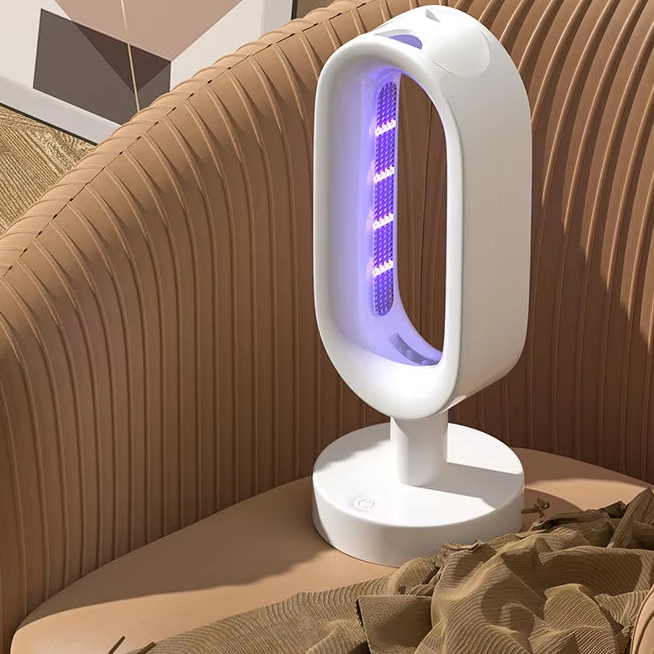
5. The FIK Isn’t Attracting Insects (Even With a Working Light)
If the UV light is on, but bugs aren’t coming near the device, the issue is likely with placement or environmental factors:
- Move It Away From Competing Light Sources: Insects are drawn to the brightest light in the area. If your FIK is near a porch light, kitchen lamp, or window (with sunlight or indoor light shining through), bugs will choose that instead. Place the FIK in a dark corner or turn off nearby lights at night.
- Adjust the Height: Most flying insects (like flies and mosquitoes) fly 3–6 feet off the ground. If your FIK is too high (e.g., mounted near the ceiling) or too low (on the floor), it won’t reach the bugs. Mount it at eye level or place it on a table for best results.
- Target Insect Habits: Mosquitoes are attracted to moisture, so place outdoor FIKs near plants or standing water (but not in water—keep it dry). Flies are drawn to food, so put kitchen FIKs near trash cans or countertops (but away from food prep areas to avoid bug debris falling into food).
Preventive Maintenance: Keep Your FIK Working Longer
Troubleshooting is easier if you maintain your FIK regularly. Here’s a quick checklist:
- Clean the device weekly: Wipe down the exterior, clear bug debris from grids or glue boards, and dust the UV bulb.
- Replace UV bulbs every 3–6 months: Even if they look good, their attractiveness fades.
- Store outdoor FIKs indoors during bad weather: Rain or snow can damage electrical components.
- Check the power cord monthly: Look for wear and tear to avoid shocks or fires.
Final Thoughts
Most FIK issues are easy to fix with a little patience and basic maintenance. If you’ve tried all the troubleshooting steps and your device still isn’t working, it might be time to replace it—especially if it’s more than 2–3 years old (older models are less energy-efficient and effective).
Do you have a specific FIK problem we didn’t cover? Let us know in the comments, and we’ll help you troubleshoot!
3 Ways to Boost the Aesthetics of Mosquito Swatters
Which Countries Are Embracing the Upcoming Summer
Related Article

If you’re struggling with annoying mosquitoes, flies, and other flying pests indoors and outdoors, upgrading from traditional manual tools to anElectric Mosquito Swatter is the most efficient solution. Many homeowners and renters search where to buy fly swatter online to find durable, safe, and high-performance electric models that deliver instant pest control.
Where to Buy Fly Swatter

Most importers of electric mosquito swatters obsess over the first order: samples requested, factories vetted, a pre-shipment inspection booked. Then the reorder arrives eight months later and something is off. The grid feels softer. The charge port is a slightly different shade of black. The carton thickness dropped from 350 gsm to 300 gsm. Nothing is catastrophic — but the product no longer matches what your retail customers approved, and quietly, your return rate starts climbing.
How to Keep Mosquito Swatter Quality Consistent Across Repeat Orders

Warranty returns are the silent margin killer in the mosquito control category. A distributor who buys a swatter at $1.80 FOB and retails it at $9.90 can absorb a 1% return rate without noticing — but at 5%, the combined cost of replacement units, reverse logistics, and refund processing erases most of the line's profit.
Common mosquito swatter killer lamp failure modes wholesale spec guide

Digital bathroom scales rank as the second-highest-volume consumer weighing product category, only behind kitchen scales, with distinct market and product characteristics that set them apart from other scale types in importers’ product portfolios.
Digital bathroom body fat-bia-scale wholesale buyers guide