
Generic vs Branded Electric Mosquito Swatters
2026-04-01
Generic vs Branded Electric Mosquito Swatters: Is There a Difference?
As summer rolls in, the buzz of mosquitoes becomes an unavoidable annoyance—whether you’re relaxing on the patio, sleeping in your bedroom, or working in the garden. Electric mosquito swatters have become a go-to solution for many, offering a chemical-free, instant way to zap these pests. But when you’re shopping, you’ll likely face a choice: opt for a budget-friendly generic (unbranded) model or invest in a well-known branded one. The question is, does the difference in price translate to a difference in performance, safety, or durability? Let’s break down the key distinctions to help you make an informed decision.
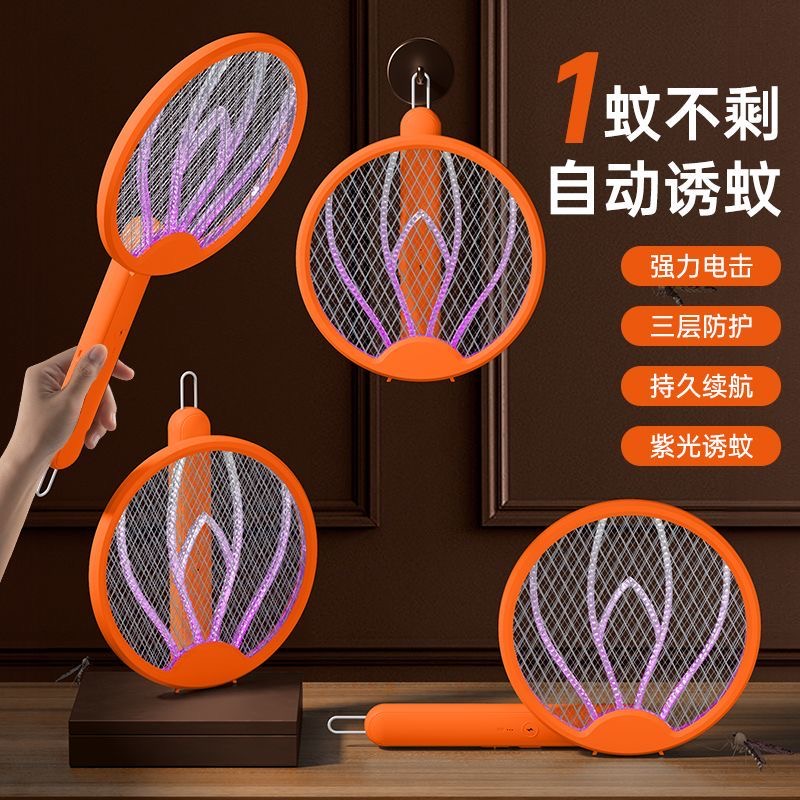
First, Let’s Define the Terms
Before diving into comparisons, it’s important to clarify what we mean by “generic” and “branded” electric mosquito swatters:
-
Branded Swatters: These are products from established manufacturers with a recognizable name (e.g., Philips, Raid, Mosiller, Faicuk). They typically come with a warranty, detailed user guides, and are sold through reputable retailers. Brands invest in research, design, and quality control to maintain their reputation.
-
Generic Swatters: Also known as unbranded or no-name swatters, these are produced by small manufacturers or OEMs (original equipment manufacturers) that sell their products without a specific brand label. They’re often sold at lower prices on marketplaces, discount stores, or online platforms, with little to no brand marketing or after-sales support.
Key Differences Between Generic and Branded Electric Mosquito Swatters
While both types serve the same basic purpose—zapping mosquitoes with an electric shock—there are significant gaps in performance, safety, build quality, and extra features. Let’s explore each area in detail.
1. Performance: Voltage, Grid Design, and Killing Efficiency
The core function of an electric mosquito swatter is its ability to deliver a powerful enough shock to kill insects on contact, and this is where the first major difference emerges.
Branded swatters are engineered with precise voltage control and thoughtful grid design. Most high-quality branded models feature a voltage range of 3000–4000V, which is strong enough to instantly kill mosquitoes, flies, and even larger pests like gnats or moths without excessive sparking or noise. They often use multi-layer grid structures (such as 3-layer safety mesh) that balance killing efficiency with safety, ensuring small insects can’t slip through while preventing accidental contact with the electrified grid. For example, the Mosiller electric fly swatter boasts a 3800V grid and triple-layer safety mesh, delivering rapid elimination of pests while minimizing risk.
Generic swatters, on the other hand, often cut corners here. Many use lower voltage (800–1200V) to reduce costs, which means they may only stun mosquitoes instead of killing them outright, requiring multiple swipes to get the job done. Their grid design is often simpler—single-layer or widely spaced wires—that allows small mosquitoes to escape, reducing overall efficiency. Some generic models also produce excessive sparks or loud buzzing sounds, which can be annoying and even slightly dangerous if mishandled.
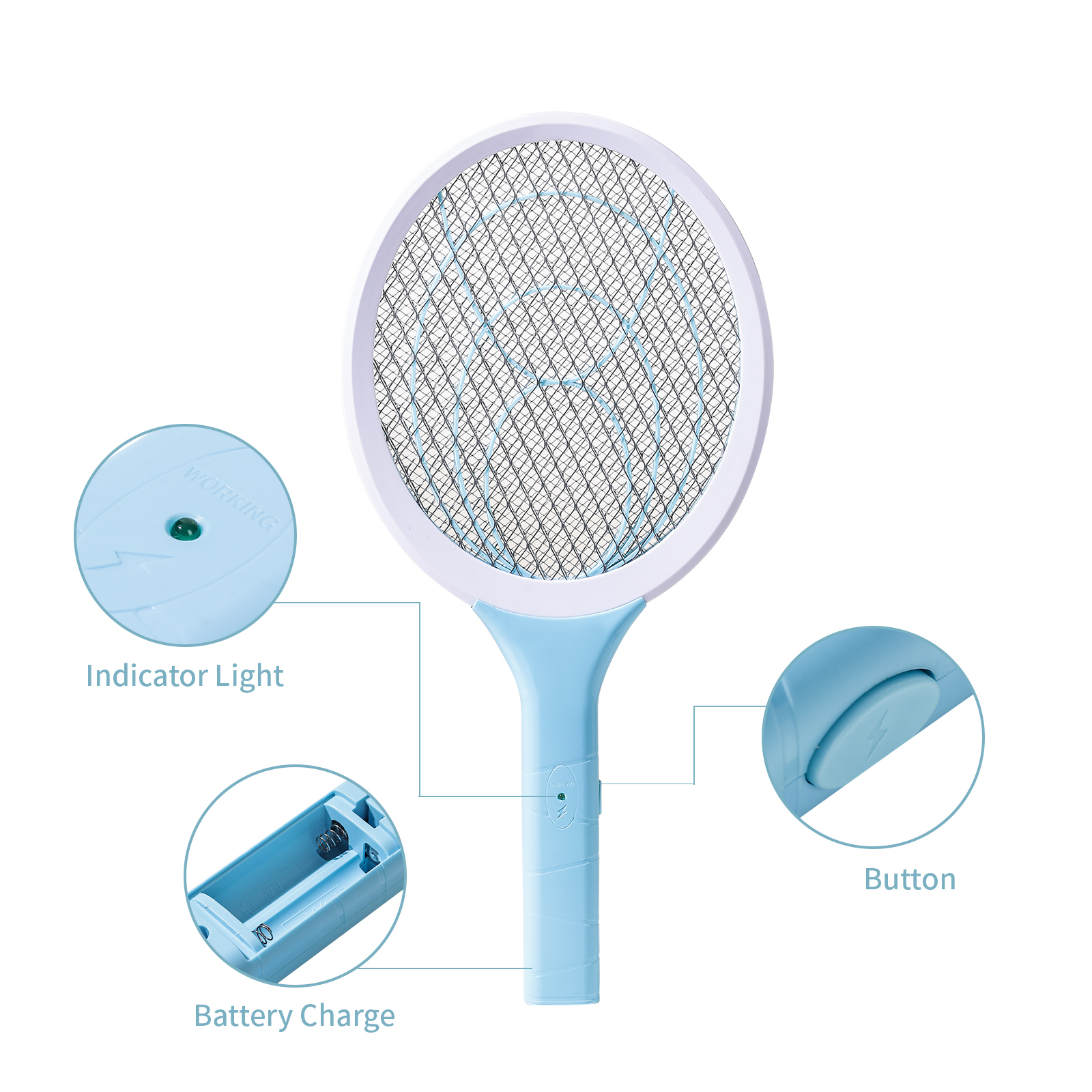
2. Build Quality and Durability
How long your electric swatter lasts depends largely on the materials used and the manufacturing standards—another area where branded products outshine generics.
Branded swatters are made with high-quality materials: durable ABS plastic for the handle, rust-resistant stainless steel or nickel alloy for the grid, and reliable internal wiring that can withstand repeated use and occasional drops. Brands like Philips and Raid use reinforced internal frames and stable circuit boards to ensure long-lasting performance, with some models boasting a service life of over 30,000 hours. They also undergo rigorous testing to ensure they can handle daily wear and tear, from frequent charging to accidental knocks.
Generic swatters, in contrast, often use cheap, brittle plastic and thin, easily bent wires for the grid. The internal components—like the battery and circuit board—are often low-grade, leading to issues like short circuits, broken handles, or grid damage after just a few weeks of use. Many generic models also have poor insulation, increasing the risk of electrical malfunctions over time. It’s not uncommon for a generic swatter to stop working after a single summer season, while a branded one can last 2–3 years or more with proper care.
3. Safety Features
Safety is non-negotiable when dealing with electric devices, and branded swatters prioritize this far more than generic alternatives.
Branded models come with multiple safety features to prevent accidental shocks, especially for children and pets. Common safety measures include triple-layer mesh (where the outer layers are non-electrified to prevent direct contact with the inner electrified grid), safety switches (requiring two buttons to be pressed at once to activate the swatter), and auto-shutoff functions if the swatter is left on for too long. Some high-end branded swatters even have smart protection systems that automatically cut power if they detect contact with human skin, further reducing risk. These features are tested to meet international safety standards (like IEC 60335-2-79), giving users peace of mind.
Generic swatters rarely include these safety features. Many have only a single on/off button with no additional safeguards, and some even have exposed electrified grids, increasing the risk of accidental shocks if touched. They also lack proper insulation, which can lead to short circuits or electrical leaks—especially if the swatter gets wet (e.g., from rain or dew). Since generic manufacturers don’t invest in safety testing, there’s no guarantee these products meet basic safety standards.
4. Battery Life and Charging
Most modern electric mosquito swatters are rechargeable, and here again, branded models have a clear advantage in battery technology and charging convenience.
Branded swatters use high-quality lithium-ion batteries with larger capacities (1800–2200mAh), providing longer runtime—up to 6 hours of continuous use or weeks of occasional use on a single charge. They often feature fast-charging technology (e.g., Type-C ports) that reduces charging time to 2–3 hours, and some even have battery level indicators so you know when it’s time to recharge. Brands also ensure their batteries have a longer lifespan, maintaining their capacity over hundreds of charge cycles.
Generic swatters typically use low-capacity nickel-cadmium (NiCd) batteries or cheap lithium-ion batteries that degrade quickly. They may only last 1–2 hours on a single charge, requiring frequent recharging, and their batteries often lose capacity after just a few months, leading to shorter runtime over time. Many generic models also use outdated charging ports (not Type-C) or require disposable AA batteries, adding to long-term costs and inconvenience.
5. Warranty and After-Sales Support
One of the biggest perks of buying a branded swatter is the warranty and after-sales support that comes with it. Brands stand behind their products, offering warranties ranging from 6 months to 2 years. If your swatter malfunctions (e.g., battery issues, circuit problems), you can contact the brand’s customer service for a replacement or repair—something that’s nearly impossible with generic swatters.
Generic swatters almost never come with a warranty. Once you buy one, there’s no recourse if it breaks, malfunctions, or fails to work as advertised. Since they’re sold by unknown manufacturers, there’s no customer service to contact for support, meaning you’ll have to replace the entire swatter if it stops working.
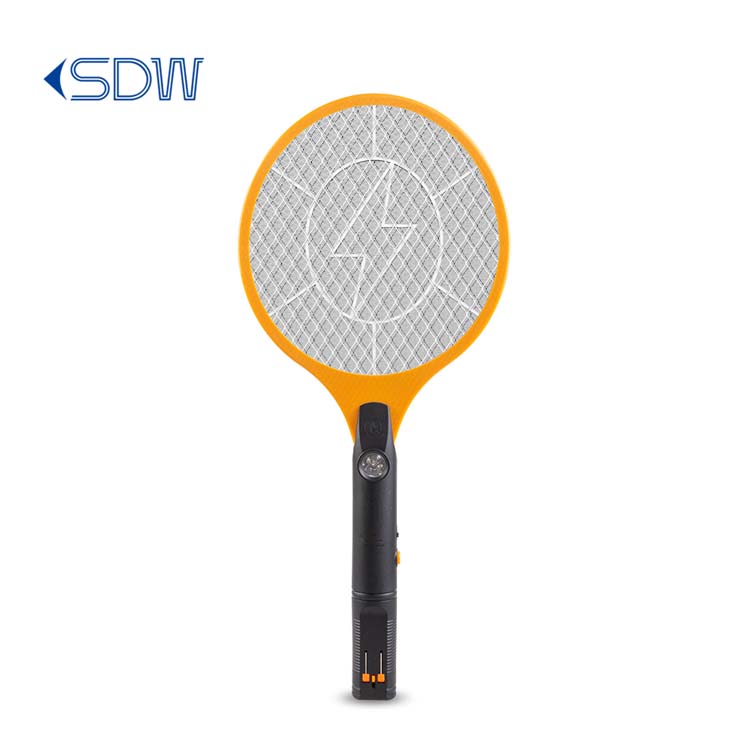
Is the Price Difference Worth It?
Generic electric mosquito swatters are significantly cheaper than branded ones—often costing half the price or less. For example, a generic swatter might cost $5–$10, while a branded one could range from $15–$30 (or more for high-end models with extra features like UV light attractors or dual-mode operation).
If you only need a swatter for a single summer (e.g., for a vacation home or temporary use) and don’t mind sacrificing performance, safety, and durability, a generic model might suffice. However, for long-term use, the extra cost of a branded swatter is well worth it. Branded swatters last longer, work more effectively, are safer to use, and come with support—saving you money in the long run (since you won’t have to replace them every year).
Final Verdict: Yes, There’s a Clear Difference
While generic and branded electric mosquito swatters look similar at first glance, the differences in performance, safety, durability, and support are significant. Branded swatters are engineered to be more effective, safer, and longer-lasting, while generic models cut corners to offer a low price tag—often at the cost of quality and safety.
If you value reliability and peace of mind, invest in a branded swatter. If you’re on a tight budget and only need a temporary solution, a generic model might work—but don’t expect it to perform as well or last as long. At the end of the day, the best electric mosquito swatter is one that keeps you and your family safe while effectively keeping mosquitoes at bay—and branded models are far more likely to deliver on that promise.
Avoid Pitfalls in Custom Electric Mosquito Swatters
Eco-Friendly Pest Control
Related Article

If you’re struggling with annoying mosquitoes, flies, and other flying pests indoors and outdoors, upgrading from traditional manual tools to anElectric Mosquito Swatter is the most efficient solution. Many homeowners and renters search where to buy fly swatter online to find durable, safe, and high-performance electric models that deliver instant pest control.
Where to Buy Fly Swatter
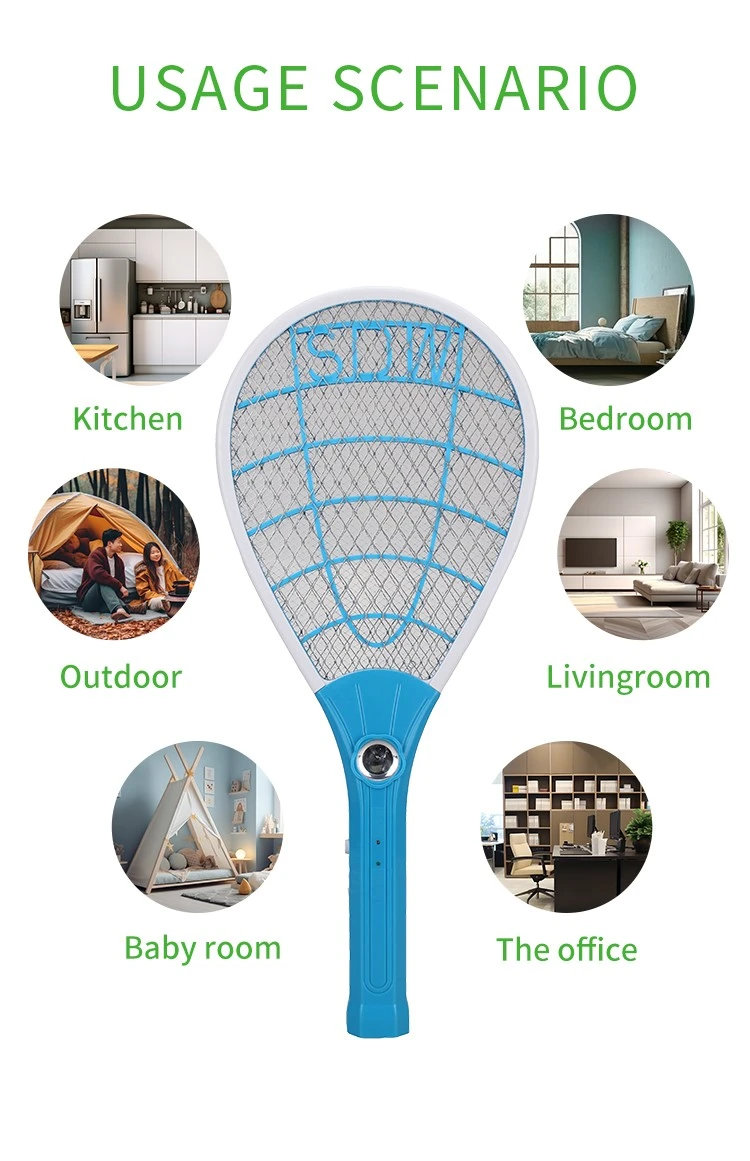
Most importers of electric mosquito swatters obsess over the first order: samples requested, factories vetted, a pre-shipment inspection booked. Then the reorder arrives eight months later and something is off. The grid feels softer. The charge port is a slightly different shade of black. The carton thickness dropped from 350 gsm to 300 gsm. Nothing is catastrophic — but the product no longer matches what your retail customers approved, and quietly, your return rate starts climbing.
How to Keep Mosquito Swatter Quality Consistent Across Repeat Orders
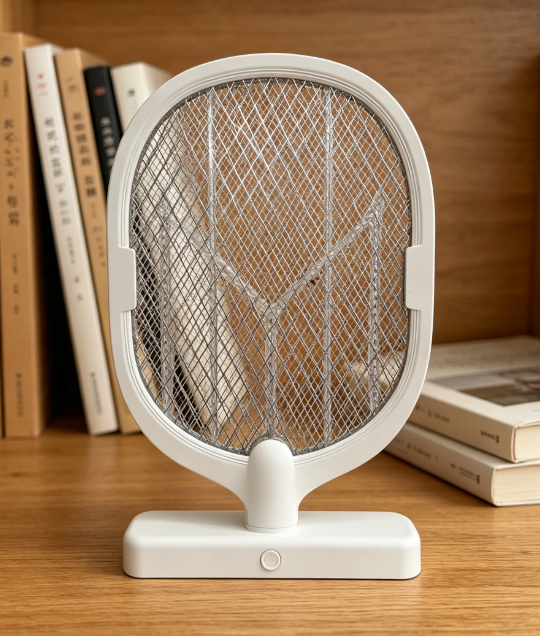
Warranty returns are the silent margin killer in the mosquito control category. A distributor who buys a swatter at $1.80 FOB and retails it at $9.90 can absorb a 1% return rate without noticing — but at 5%, the combined cost of replacement units, reverse logistics, and refund processing erases most of the line's profit.
Common mosquito swatter killer lamp failure modes wholesale spec guide

Digital bathroom scales rank as the second-highest-volume consumer weighing product category, only behind kitchen scales, with distinct market and product characteristics that set them apart from other scale types in importers’ product portfolios.
Digital bathroom body fat-bia-scale wholesale buyers guide