
Global Best-Selling Electric Mosquito Swatters
2026-01-22
Global Best-Selling Electric Mosquito Swatters: These Countries Use Them as "Must-Have Gadgets"
When mosquito season arrives, electric mosquito swatters become a primary mosquito-killing tool for many families. This physical mosquito control device, which requires no chemical agents and is easy to operate, shows significant regional differentiation in the global market. Among them, some countries in Asia-Pacific and Africa have become core regions for the best-selling electric mosquito swatters due to climate, public health needs and other factors, with China, Indonesia, India and other countries firmly ranking among the top of the best-selling list by virtue of strong consumption power and market demand.
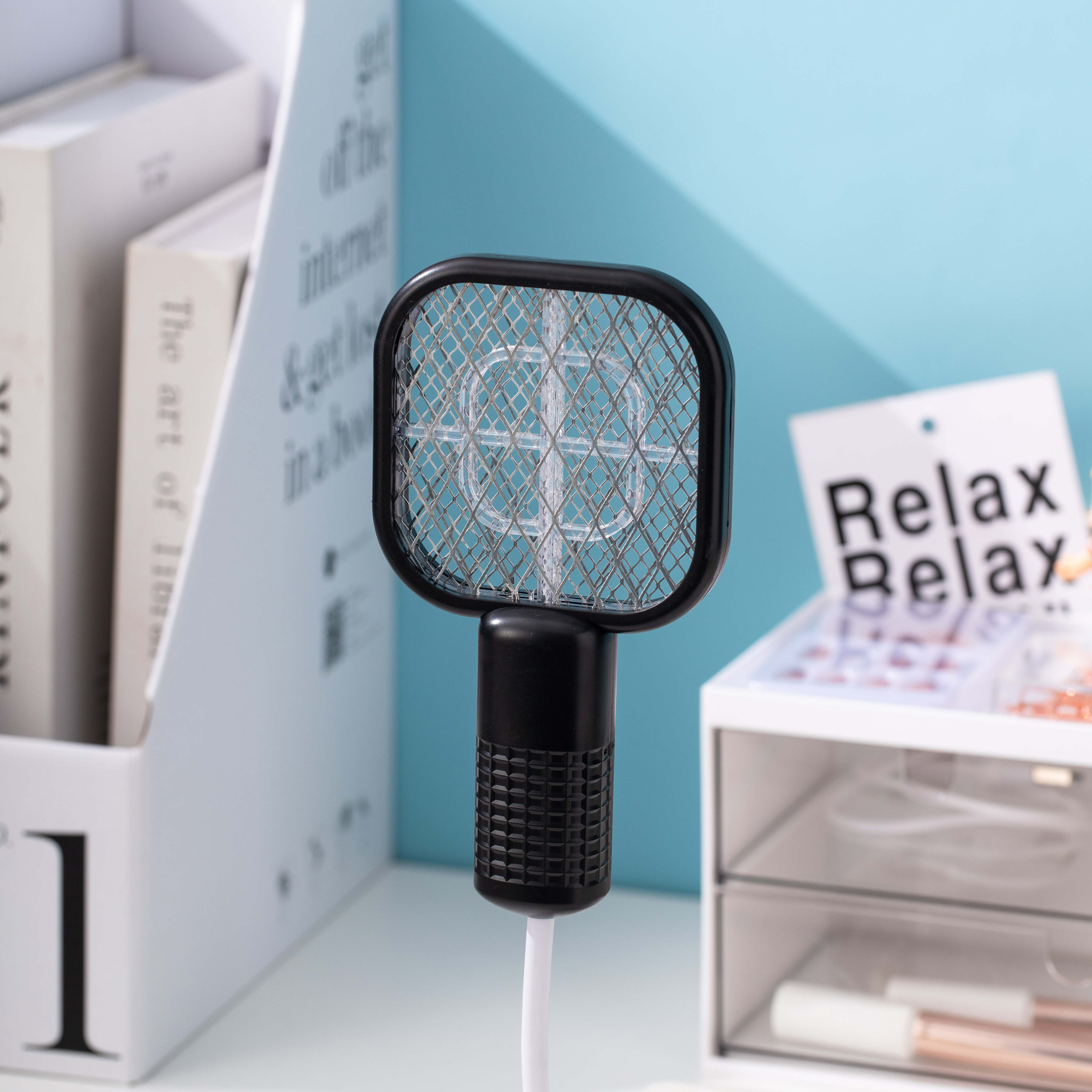
China: The "Electric Mosquito Swatter Kingdom" with Double Crowns in Production and Sales
As one of the birthplaces and popularization centers of electric mosquito swatters, China is both the world's largest producer and core consumer, worthy of the title of "double champion in production and sales". Data shows that China accounts for more than 60% of the global electric mosquito swatter production capacity. Over 800 related manufacturing enterprises are concentrated in the Pearl River Delta and Yangtze River Delta, and Zhejiang and Guangdong provinces are home to most enterprises with an annual output value exceeding 100 million yuan, forming a complete industrial chain from raw material supply to finished product sales.
The consumer side also performs strongly. In 2025, the scale of China's electric mosquito swatter market reached 4.8 billion yuan. East China and South China have become the main consumption areas due to the hot and humid climate, accounting for more than 55% of the total. The ownership rate in urban households is as high as 68.4%, and that in rural areas has also risen to 51.2%. Whether in urban apartments or rural courtyards, electric mosquito swatters have become a standard for household mosquito prevention. Product demand shows obvious stratification: consumers in first and second-tier cities prefer lithium battery rechargeable models, valuing battery life and silent design, with online sales accounting for 58.4%; while those in third and fourth-tier cities and rural areas favor low-cost dry battery models, as the ready-to-use feature fits local consumption habits. At the same time, the trend of intelligent upgrading is prominent. High-end models with ultraviolet mosquito luring, APP control and child lock functions are growing rapidly, becoming a new choice for young families.
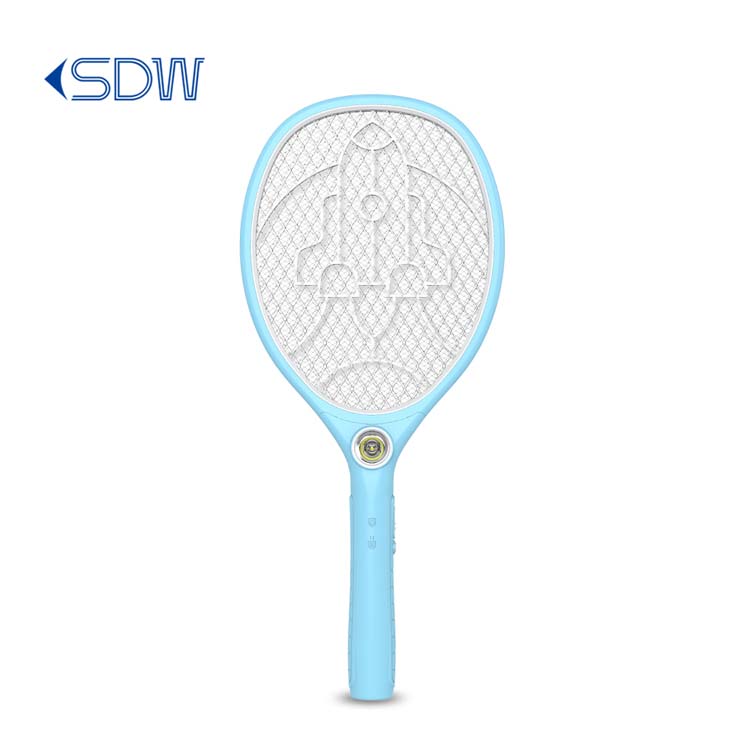
Indonesia: A "Tropical Necessity" Best-Selling Year-Round
In Indonesia, a tropical country, electric mosquito swatters have long stepped out of the category of "seasonal products" and become a daily essential tool throughout the year. With high temperature and humidity all year round, increased precipitation during the rainy season (November to March of the following year) leads to a surge in mosquito breeding. Coupled with the high incidence of mosquito-borne diseases such as dengue fever, people's demand for efficient mosquito control tools remains strong. Even in the "winter" of other countries, the sales of electric mosquito swatters in Indonesia remain high.
The boom in e-commerce channels has further boosted the sales of electric mosquito swatters. In Indonesian TikTok Shops, electric mosquito swatters have become popular traffic-driving products due to their cost-effectiveness and practicality. A store named HOMEDEKOR88 achieved sales of 9.2K units with just one ultraviolet electric mosquito swatter priced at $2.25, with the store's total GMV reaching $785,000. Local consumers especially prefer multi-functional models, and electric mosquito swatters with charging function and LED lighting are the most popular, which can not only kill mosquitoes but also provide emergency lighting, suitable for various scenarios such as family gatherings and outdoor trips. In addition, Southeast Asian e-commerce platforms often launch "mosquito prevention promotions" during the rainy season to further drive sales growth. Chinese-made electric mosquito swatters occupy 78% of the Indonesian market by virtue of the price advantage of $25-$35.
India: A Growth Dark Horse Driven by Policies and Demand
India is a "growth dark horse" in the electric mosquito swatter market, with a compound annual growth rate of 12.3%, driven by both public health policies and household demand. Mosquito-borne diseases such as dengue fever and chikungunya are frequent in India. The government has purchased a large number of electric mosquito swatters for community prevention and control through the "National Vector Borne Disease Control Programme". In 2024, the purchase volume exceeded 12 million units, an increase of 37% compared with 2022, forming a stable B-end demand.
The household consumption side also has huge potential. With the acceleration of urbanization and the improvement of health awareness, more and more Indian families choose electric mosquito swatters as physical mosquito control tools. Different from other countries, the Indian market pursues higher cost-effectiveness. Traditional handheld electric mosquito swatters with simple structure and strong durability still dominate, while entry-level products with basic charging functions are growing rapidly. As one of the core consumer markets in the Asia-Pacific region, India, together with China and Indonesia, supports 58% of the global electric mosquito swatter market, becoming an unignorable best-selling position.
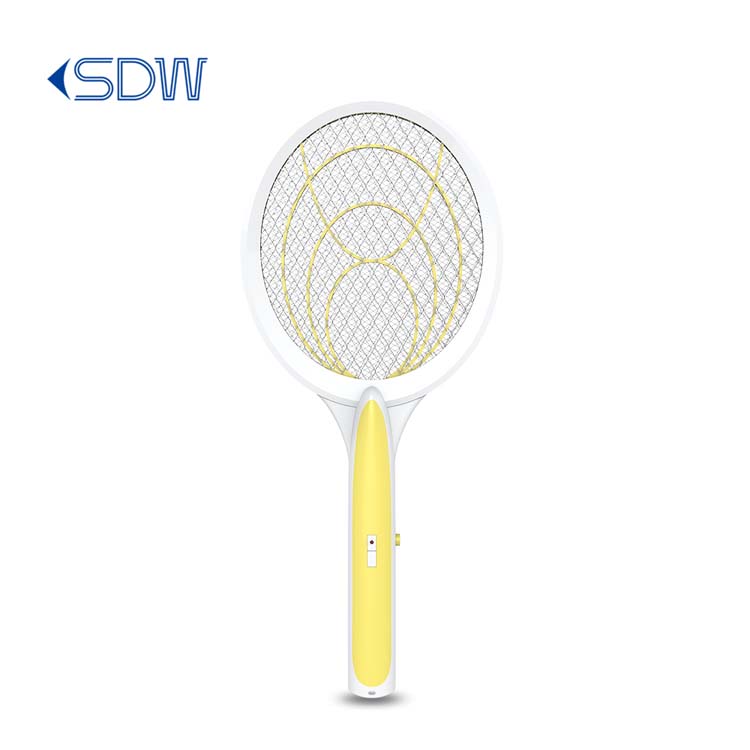
Other Best-Selling Markets: Differentiated Demand Supports Niche Segments
In addition to the above three countries, Nigeria in Africa, Vietnam in Southeast Asia and Brazil in South America are also on the list of best-selling electric mosquito swatters. As one of the main export destinations for Chinese electric mosquito swatters, Nigeria accounts for a significant proportion of global export volume. With the rise of the middle class, the proportion of household self-purchase has increased from 19% in 2020 to 34% in 2024, becoming a core growth point in the African market. Vietnam prefers electric mosquito swatters integrated with natural plant essential oils, which combine mosquito killing and atmosphere creation, fitting local consumption preferences.
In contrast, the European and American markets, although generally saturated, maintain stable sales relying on replacement demand and gift attributes. During the summer tourism peak season, the sales of portable electric mosquito swatters on online platforms increased by 11.3% year-on-year. The repurchase rate of products with anti-misoperation switches and storage boxes is as high as 41%, and high-end intelligent models occupy the high-profit track by virtue of the Internet of Things and solar charging functions.
From a global perspective, the popularity of electric mosquito swatters is always deeply bound to climate, public health needs and consumption habits. Countries such as China, Indonesia and India firmly occupy the first echelon by virtue of their "must-have attributes", while the intelligent and multi-functional upgrading of products is constantly expanding the growth space of the global market, allowing this "small gadget" to gain a foothold in more countries.
A Review of Mosquito Repellent Methods
How Rampant Were Mosquitoes in Ancient Times
Related Article

If you’re struggling with annoying mosquitoes, flies, and other flying pests indoors and outdoors, upgrading from traditional manual tools to anElectric Mosquito Swatter is the most efficient solution. Many homeowners and renters search where to buy fly swatter online to find durable, safe, and high-performance electric models that deliver instant pest control.
Where to Buy Fly Swatter
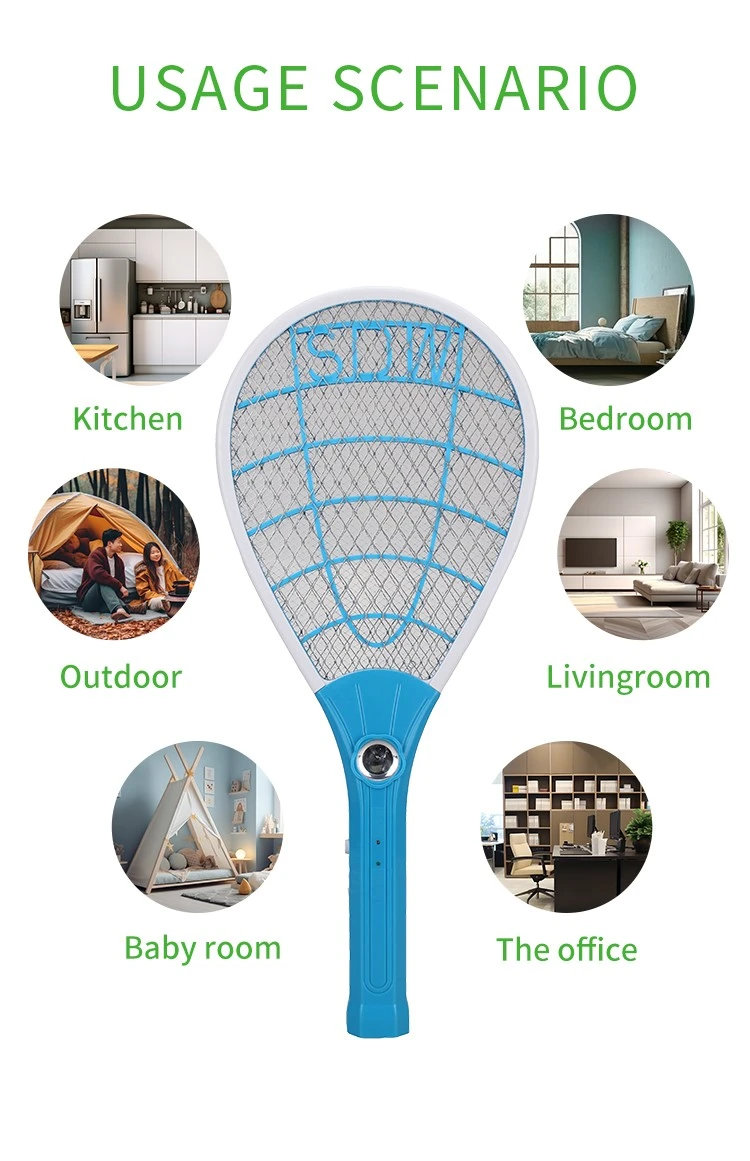
Most importers of electric mosquito swatters obsess over the first order: samples requested, factories vetted, a pre-shipment inspection booked. Then the reorder arrives eight months later and something is off. The grid feels softer. The charge port is a slightly different shade of black. The carton thickness dropped from 350 gsm to 300 gsm. Nothing is catastrophic — but the product no longer matches what your retail customers approved, and quietly, your return rate starts climbing.
How to Keep Mosquito Swatter Quality Consistent Across Repeat Orders
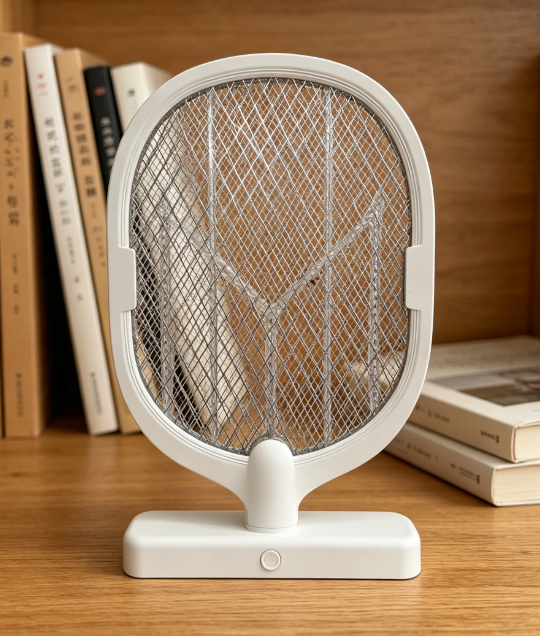
Warranty returns are the silent margin killer in the mosquito control category. A distributor who buys a swatter at $1.80 FOB and retails it at $9.90 can absorb a 1% return rate without noticing — but at 5%, the combined cost of replacement units, reverse logistics, and refund processing erases most of the line's profit.
Common mosquito swatter killer lamp failure modes wholesale spec guide

Digital bathroom scales rank as the second-highest-volume consumer weighing product category, only behind kitchen scales, with distinct market and product characteristics that set them apart from other scale types in importers’ product portfolios.
Digital bathroom body fat-bia-scale wholesale buyers guide