
Global Electric Mosquito Swatter Certification Standards by Region
2026-07-15
Global Electric Mosquito Swatter Certification Standards by Region | Cross-Border Compliance Guide
An electric mosquito swatter is a high-voltage household insect-killing appliance and a high-frequency compliance category for cross-border e-commerce. Countries and regions worldwide have formulated exclusive safety standards, electromagnetic compatibility standards, and environmental compliance standards for electric mosquito swatters, most of which are mandatory market entry requirements. This article comprehensively sorts out the certification rules, official standards, core testing requirements, and platform compliance guidelines for electric mosquito swatters in mainstream markets including China, the EU, the UK, the US, Japan, South Korea, and Australia, serving as a practical compliance reference for domestic sales, export, and cross-border listing of electric mosquito swatters.
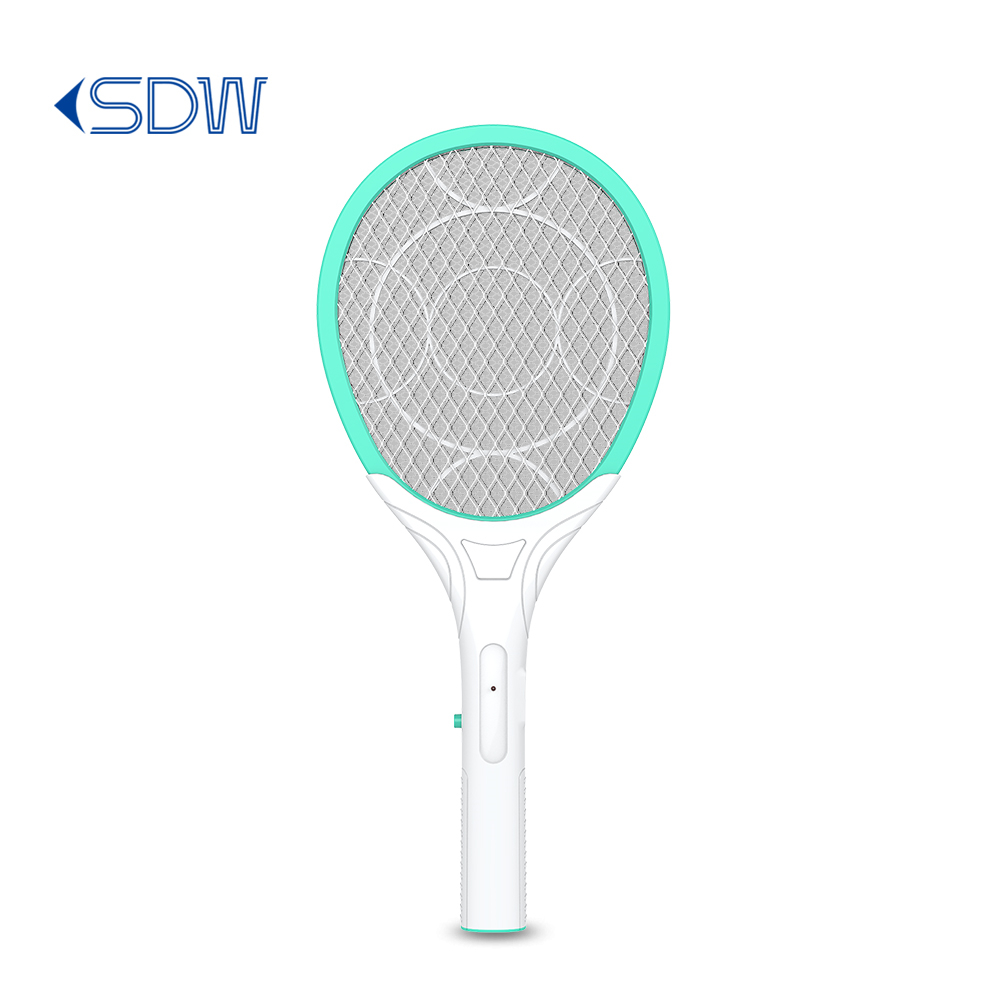
1. Electric Mosquito Swatter Certification Standards in China (Domestic Market)
1.1 Core Market Entry Certification: CCC Mandatory Certification
Electric mosquito swatters sold and listed on domestic e-commerce platforms in China must obtain CCC mandatory certification. Products without valid certification are prohibited from production, circulation, and sales, including products converted from export to domestic sales.
1.2 Official Implementation Standards
Domestic compliance testing for electric mosquito swatters adopts a dual-standard system, the sole legal standard for certification and market sampling: the special industry standard GB 4706.76-2014 Household and Similar Electrical Appliances – Safety – Part 2: Special Requirements for Insect Killers, paired with the general safety standard GB 4706.1-2005 Household and Similar Electrical Appliances – General Safety Requirements.
1.3 Core Compliance Testing Requirements
1.3.1 Electrical Safety Requirements
The high-voltage circuit of electric mosquito swatters must pass a 5000V AC 1-minute withstand voltage test without breakdown or flashover. The normal-state insulation resistance is no less than 10MΩ, and the insulation performance remains stable in humid and harsh environments, effectively preventing electric leakage and electric shock hazards.
1.3.2 Structural Protection Requirements
Products adopt a multi-layer protective grid structure with strictly limited mesh size to prevent children’s fingers from touching high-voltage live parts. The battery compartment is equipped with multiple protection functions including short-circuit prevention, reverse charging prevention, and explosion protection to avoid battery safety risks.
1.3.3 Mechanical Durability Requirements
Electric mosquito swatters can withstand a 1-meter free drop test without high-voltage leakage and can work normally after falling. The service life of control buttons is no less than 10,000 pressing cycles to meet long-term daily use requirements.
1.3.4 Flame Retardant and Temperature Rise Requirements
The product shell is made of professional flame-retardant materials. The temperature rise of core circuit components and the shell is strictly controlled during operation, avoiding high-temperature deformation, ignition, and other safety hazards, complying with household electrical fire safety specifications.
1.4 Supplementary Environmental Compliance Requirements
In addition to CCC certification, electric mosquito swatters sold in China must meet domestic RoHS environmental protection requirements for hazardous substance limits, strictly controlling the use of lead, mercury, cadmium, and other harmful materials to comply with household environmental entry standards.
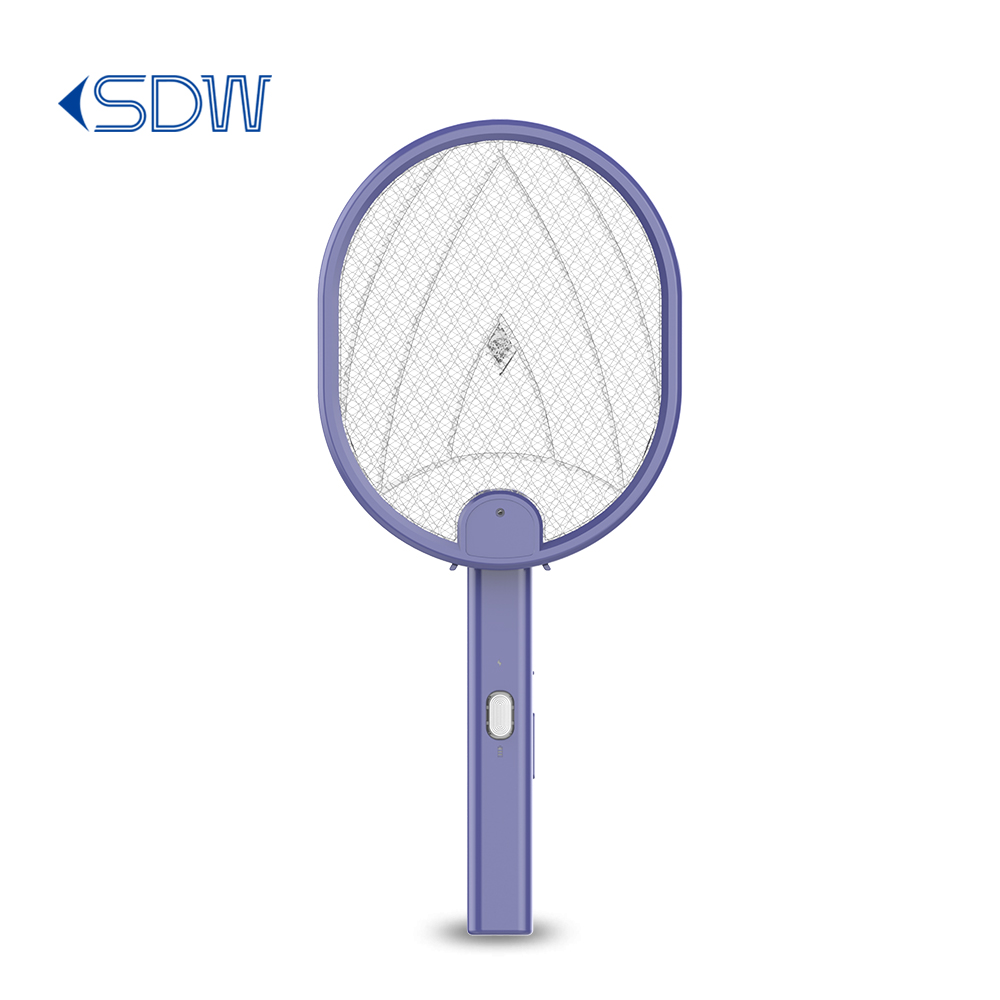
2. Electric Mosquito Swatter Certification Standards in the EU (27 EU Member States)
2.1 Core Market Entry Certification: CE Certification
CE certification is a mandatory market entry certification for electric mosquito swatters in the EU. The compliance system covers four core directives: LVD Low Voltage Directive, EMC Electromagnetic Compatibility Directive, RoHS Environmental Protection Directive, and WEEE Waste Electrical and Electronic Equipment Directive, fully regulating product safety and environmental performance.
2.2 Core Implementation Standard System
2.2.1 Safety Standards
Adopt EN 60335-1 general household appliance safety standard + EN 60335-2-59 special safety standard for insect killers, the core basis for EU electric mosquito swatter safety testing.
2.2.2 Electromagnetic Field Safety Standards
Implement IEC 62233 household appliance electromagnetic field exposure assessment standard, mandatorily evaluating the human body safety risk of product electromagnetic field radiation.
2.2.3 Electromagnetic Compatibility Standards
Comply with EN 55014-1/2 standards to regulate the electromagnetic emission and anti-interference performance of electric mosquito swatters, preventing interference with surrounding household and electronic devices during operation.
2.3 Key EU Market Compliance Requirements
2.3.1 High-Voltage and Insulation Protection
The electrical clearance and creepage distance of high-voltage components are no less than 6mm. Live parts and protective grids must pass a 3000V 60-second withstand voltage test without breakdown or electric leakage. After the device is turned off, the high-voltage grid must rapidly discharge residual voltage, with no excessive residual induced voltage.
2.3.2 Electromagnetic Field Radiation Control
At a distance of 20cm from the device, the power frequency electric field strength ≤ 83V/m and the magnetic field strength ≤ 0.3μT. The transient pulse electric field must comply with time-weighted safety limits to ensure human safety during close-range use.
2.3.3 Temperature Rise and Structural Durability
After 1,000 consecutive electric shock operations, the temperature rise of the shell and coil shall not exceed the standard limit. The handle can withstand a 500N tensile force, and foldable electric mosquito swatters must pass 5,000 folding durability tests to ensure structural stability.
2.3.4 Marking and Environmental Requirements
Strictly limit the content of harmful substances such as lead, cadmium, and mercury to meet EU RoHS regulations. Products must be permanently marked with CE logos, equipped with English user manuals, and clearly marked with safety warnings including "Keep away from children" and "Do not use while charging".
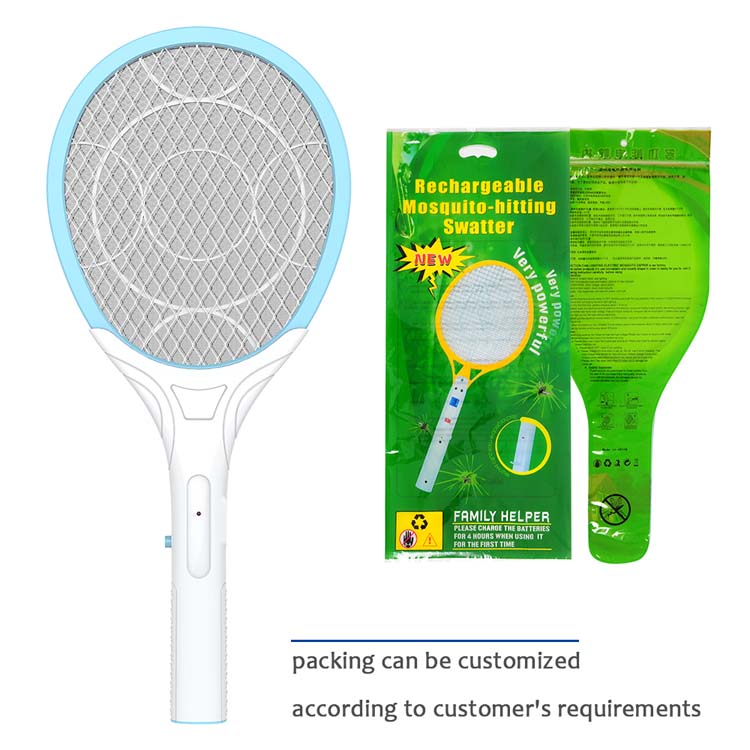
3. Electric Mosquito Swatter Certification Standards in the UK
3.1 Core Market Entry Certification: UKCA Certification
Since 2025, the UK market has completely phased out CE certification. UKCA certification has become the only mandatory entry credential for electric mosquito swatters. Products must display UKCA marks, and products with only CE marks are prohibited from circulation and sales.
3.2 Implementation Standard Basis
UK electric mosquito swatter compliance standards are homologous with EU standards, adopting international standards including EN 60335-2-59, EN 55014, and IEC 62233. The evaluation dimensions for safety testing, electromagnetic compatibility, and electromagnetic field performance are basically consistent with the EU.
3.3 Special UK Market Compliance Requirements
The UKCA mark must be permanently engraved on the product nameplate with a height of no less than 5mm; detachable adhesive marks are prohibited. Products must be labeled with complete information of UK local importers or authorized representatives, and full technical documents must be filed and retained locally in the UK for market inspection.
4. Electric Mosquito Swatter Certification Standards in the US (Mandatory Cross-Border E-Commerce Compliance)
4.1 Core Certifications and Implementation Standards
4.1.1 Safety Certification Standards
Adopt the dedicated safety standardUL 1559 for electric insect-killing devices, which has become a mandatory compliance requirement for electric mosquito swatter listings on Amazon US since 2023. Listings without valid compliance reports will be directly removed.
4.1.2 Electromagnetic Compatibility Certification
Conventional electric mosquito swatters without radio frequency functions apply for FCC SDoC certification (FCC Part 15B); smart electric mosquito swatters equipped with Bluetooth, WiFi, and other RF modules need upgraded FCC-ID certification.
4.1.3 Additional Compliance Specifications
Electric mosquito swatters sold for household use must strictly comply with the CPSIA Children’s Product Safety Improvement Act to fully eliminate safety risks for children.
4.2 UL 1559 Core Testing Guidelines
4.2.1 Electrical Safety Testing
Products must pass a 1500V 1-minute withstand voltage test without breakdown. The normal-state leakage current ≤ 0.5mA to avoid perceptible electric shock to the human body. The normal-state insulation resistance ≥ 10MΩ, and the humid-state insulation resistance ≥ 2MΩ to adapt to complex application environments.
4.2.2 Electric Shock Prevention Structural Testing
Standard test fingers cannot touch internal high-voltage live parts. The device will automatically power off when disassembling or operating detachable components, completely avoiding accidental high-voltage contact risks through structural design.
4.2.3 Flame Retardant and Heat Resistance Testing
The product shell material reaches the highest UL94 V0 flame retardant grade. The shell deformation is ≤ 3mm under 85℃ high-temperature environment, with no burning droplets or open flame spread.
4.2.4 Environmental Durability Testing
Products must pass 50 high and low temperature cycle tests from -10℃ to 40℃ and humid rain tests, maintaining stable insulation performance and working performance under extreme temperature and humidity conditions.
4.3 Special Rules for US Cross-Border Platforms
Amazon US only recognizes UL 1559 test reports issued by ISO17025 accredited laboratories. Factory self-inspection reports and ordinary third-party non-accredited reports are invalid. Inconsistent product models and parameters will lead to direct listing removal and account restriction.
5. Electric Mosquito Swatter Certification Standards in Japan
5.1 Core Market Entry Certification: Diamond PSE Certification (Class A Specified Electrical Appliances)
In accordance with Japan’s Electrical Appliance and Material Safety Law (DENAN Law), electric mosquito swatters are classified as high-risk specified electrical products. Diamond PSE certification obtained through authoritative third-party testing and on-site factory audit is mandatory for entering the Japanese market.
5.2 Core Japanese Market Compliance Requirements
5.2.1 Electrical Strength Requirements
The high-voltage circuit of electric mosquito swatters must pass a 5000V AC 1-minute withstand voltage test without breakdown, electric leakage, or flashover to meet electrical safety standards.
5.2.2 Mechanical Protection Requirements
Products must pass a 1kg steel ball impact test with no shell rupture or exposure of internal high-voltage components, ensuring reliable structural protection performance.
5.2.3 Mass Production Quality Control
Mass production factories must establish a standardized compliance quality system and accept annual random inspections by Japanese certification bodies to ensure the consistency and compliance of batch products and avoid batch quality defects.
5.2.4 Environmental Compliance Requirements
Products must comply with Japanese RoHS hazardous substance limit standards and provide complete material test reports to control the use of harmful materials.
6. Electric Mosquito Swatter Certification Standards in South Korea
6.1 Core Market Entry Certification: KC Certification
South Korea classifies electric mosquito swatters as controlled high-voltage household electrical appliances. Products sold in the market must complete both KC safety certification and EMC electromagnetic compatibility certification for legal circulation.
6.2 Official Implementation Standards
Safety testing adopts KC 60335-2-59 (equivalent to the international IEC 60335-2-59 special standard for insect killers); electromagnetic compatibility testing complies with KC CISPR 14-1, aligning with mainstream international standards.
6.3 Full-Dimensional Compliance Testing Requirements
South Korean KC certification covers full-item testing including electrical insulation, anti-electric shock structure, temperature rise and flame retardancy, electromagnetic interference, and mechanical durability with strict entry thresholds. The product nameplate must be clearly marked with the KC certification number, and uncertified products without valid numbers are prohibited from market sales.
7. Electric Mosquito Swatter Certification Standards in Australia & New Zealand
7.1 Core Market Entry Certification: SAA Certification + RCM Mark
SAA certification is the core mandatory safety certification for electrical appliances in Australia. Electric mosquito swatters exported to Australia and New Zealand must meet RCM marking compliance requirements, integrating three major compliance qualifications: safety, EMC electromagnetic compatibility, and energy efficiency.
7.2 Implementation Standard Basis
Adopt AS/NZS 60335.2.59, equivalent to the international universal IEC 60335-2-59 safety standard for insect killers. Consistent with EU and Korean evaluation dimensions, this standard focuses more on humid environment adaptability and child safety protection design, adapting to the humid climate in Australia.
8. CB International Mutual Recognition Certification (Global Universal Compliance Credential for Electric Mosquito Swatters)
CB certification is a global mutual recognition system established by the IECEE International Electrotechnical Commission. It is not mandatory for single market entry but serves as a cost-effective compliance credential for cross-border electric mosquito swatter exports. Holders of CB test reports and certificates can directly convert to national certifications including China CCC, EU CE, South Korea KC, and Japan PSE, greatly reducing repeated testing and certification costs.
The core test standard for electric mosquito swatter CB certification is IEC 60335-2-59. Core test items include 5000V withstand voltage test, mechanical impact test, insulation performance test, and temperature rise durability test, consistent with international universal core inspection items.
9. Comparison of Core Differences in Global Electric Mosquito Swatter Certifications
9.1 Certification Differences Between China and the US
Chinese CCC certification focuses on basic electrical safety and conventional mechanical protection to meet basic household safety needs. US UL 1559 certification has stricter entry thresholds, with additional specialized flame retardant grade, high and low temperature cycle durability, and precise leakage current control. Meanwhile, cross-border e-commerce platform review rules are more stringent, leading to higher overall compliance difficulty.
9.2 Certification Differences Between the EU and the UK
The two regions adopt completely consistent product testing standard systems, with core differences only in market entry rules: the EU continues to adopt CE certification, while the UK has fully abolished CE certification since 2025 and compulsorily implemented UKCA certification, adding exclusive requirements such as local importer filing and local technical document retention.
9.3 Certification Differences Between Japan and South Korea
Japanese Diamond PSE certification focuses on mass production quality control and requires on-site factory audits to ensure the consistency of batch products. South Korean KC certification implements dual mandatory requirements for safety and EMC with comprehensive test items but no mandatory factory audit, featuring simpler review procedures and faster compliance implementation.
10. Core Summary of Electric Mosquito Swatter Cross-Border Compliance
As high-voltage household small electrical appliances, electric mosquito swatters are subject to mandatory certification entry systems in all mainstream global markets. All core testing standards are based on the international benchmark IEC 60335-2-59, with differences only in subdivided test items, certification processes, platform rules, and marking requirements. Export enterprises can prioritize applying for CB international mutual recognition certification and then convert to local national certifications to efficiently complete global market compliance layout and avoid risks such as platform listing removal and customs detention.
Detachable Flashlight Electric Swatter
How to Avoid Mosquito-Borne Diseases After Floods
Related Article

If you’re struggling with annoying mosquitoes, flies, and other flying pests indoors and outdoors, upgrading from traditional manual tools to anElectric Mosquito Swatter is the most efficient solution. Many homeowners and renters search where to buy fly swatter online to find durable, safe, and high-performance electric models that deliver instant pest control.
Where to Buy Fly Swatter

Most importers of electric mosquito swatters obsess over the first order: samples requested, factories vetted, a pre-shipment inspection booked. Then the reorder arrives eight months later and something is off. The grid feels softer. The charge port is a slightly different shade of black. The carton thickness dropped from 350 gsm to 300 gsm. Nothing is catastrophic — but the product no longer matches what your retail customers approved, and quietly, your return rate starts climbing.
How to Keep Mosquito Swatter Quality Consistent Across Repeat Orders

Warranty returns are the silent margin killer in the mosquito control category. A distributor who buys a swatter at $1.80 FOB and retails it at $9.90 can absorb a 1% return rate without noticing — but at 5%, the combined cost of replacement units, reverse logistics, and refund processing erases most of the line's profit.
Common mosquito swatter killer lamp failure modes wholesale spec guide

Digital bathroom scales rank as the second-highest-volume consumer weighing product category, only behind kitchen scales, with distinct market and product characteristics that set them apart from other scale types in importers’ product portfolios.
Digital bathroom body fat-bia-scale wholesale buyers guide