
Guide for Nail Polish Repair of Scratched Electric Fly Swatters
2026-02-05
Feasibility Analysis and Standard Operation Guide for Nail Polish Repair of Scratched Electric Fly Swatters
In daily use, electric fly swatters are prone to scratches on the mesh surface or handle due to collisions and scrapes. These scratches not only affect the appearance integrity but may also arouse users' concerns about their safety in use. Recently, the claim that "nail polish can repair scratched electric fly swatters" has spread widely. Although this method seems convenient and economical, its actual feasibility needs to be comprehensively judged in combination with the structural characteristics and safety of electric fly swatters. This article will clarify the applicable scenarios and taboos of this repair method through detailed analysis, and provide scientific and standardized repair solutions.
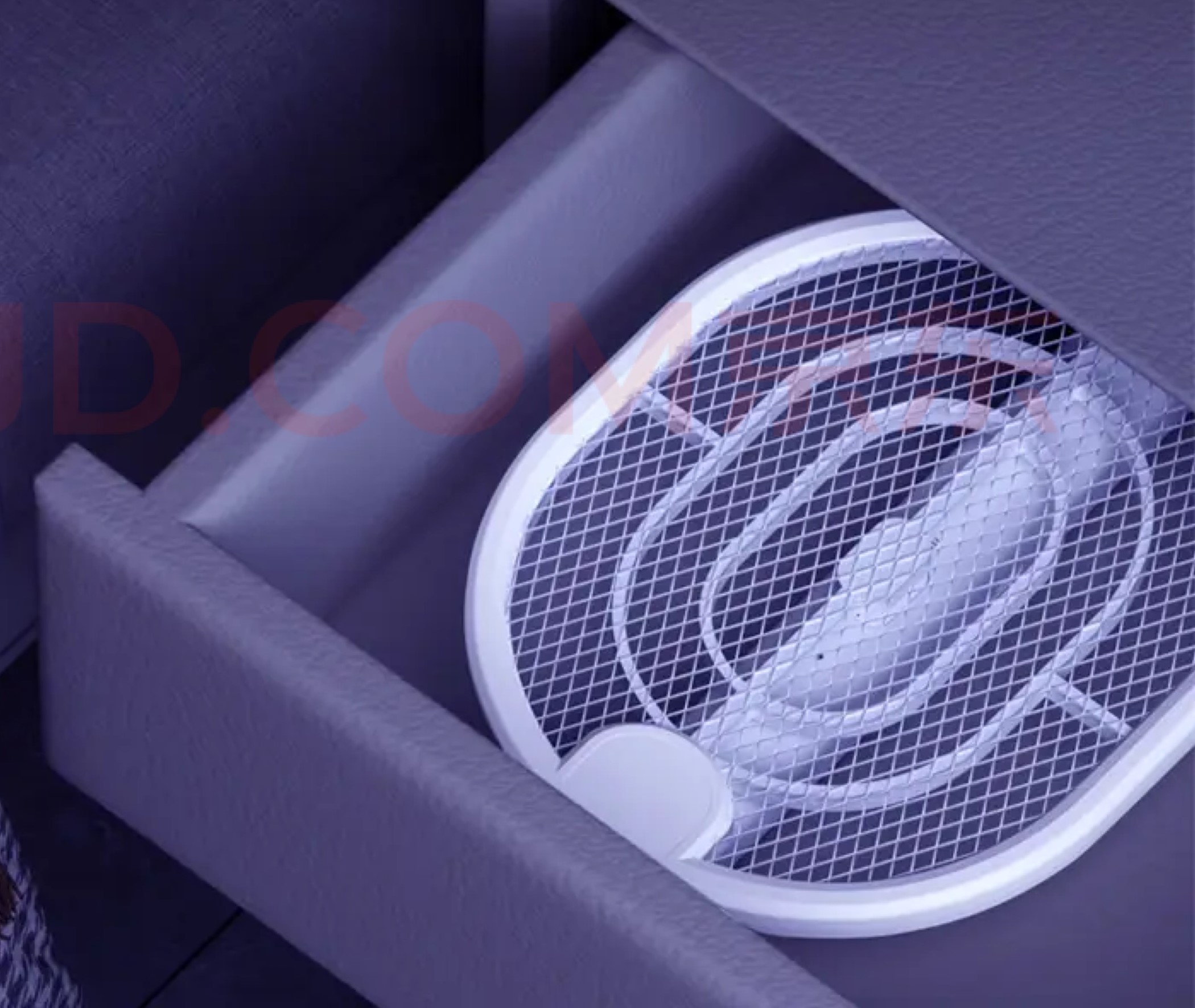
Core Conclusion: Applicable to Specific Scenarios, Strictly Prohibit Illegal Operation
Some users believe that nail polish, which has the function of touching up paint and filling gaps, can be directly used to repair scratches on electric fly swatters. However, as an electrical appliance with high-voltage electric shock function, the repair operation of electric fly swatters must take both electrical conductivity and safety into account and cannot be applied blindly. The core conclusions are as follows:Nail polish can only be used for temporary covering and repair when there are slight scratches on the handle shell of the electric fly swatter without damage and without affecting the internal circuit; if the scratched part is the mesh surface, regardless of the severity of the scratch, the use of nail polish for repair is strictly prohibited. The specific reasons and operation details are as follows.
I. Core Reasons for Prohibiting Nail Polish Repair on Mesh Scratches (Key Safety Points to Avoid Pitfalls)
The core working part of an electric fly swatter is the metal mesh surface in the middle, whose main function is to generate high-voltage electric shocks to achieve the mosquito killing effect. The material characteristics of nail polish are essentially conflicting with the working requirements of the metal mesh surface. Illegal use may cause potential safety hazards and equipment failures. The specific reasons are as follows:
-
Affect electric shock performance and cause equipment failure: Nail polish is an insulating material. Even if it is transparent, applying it on the scratches of the metal mesh surface will form an insulating film. The normal operation of the electric fly swatter relies on the good electrical conductivity of the metal mesh surface. The insulating film will block the current conduction, which may reduce the electric shock intensity and mosquito killing effect in mild cases, and cause short circuit of the mesh surface, damage the internal circuit, and make the electric fly swatter unable to work normally in severe cases.
-
Potential safety hazards and easy to cause risks: When the electric fly swatter is working, the metal mesh surface will generate thousands of volts of high voltage. After nail polish is applied to the mesh surface, it is prone to falling off and cracking under the influence of long-term use, friction or high-temperature environment. The fallen nail polish debris may get stuck in the gaps of the mesh surface, causing local short circuit and even slight electric leakage risk; if the scratch is deep, the nail polish cannot completely fill the gap, which will lead to the invasion of water vapor, dust and other impurities, accelerate the aging of the mesh surface and internal components, and further increase the safety hazard.
-
Corrode the mesh material and shorten the service life of the equipment: At present, most of the metal mesh surfaces of electric fly swatters on the market are made of galvanized or stainless steel materials, and the scratched parts are prone to rust due to oxidation. The chemical components contained in nail polish (especially the pigments and solvents in colored nail polish) will corrode the metal mesh surface, accelerate the rusting speed, worsen the scratches, and ultimately shorten the service life of the electric fly swatter.
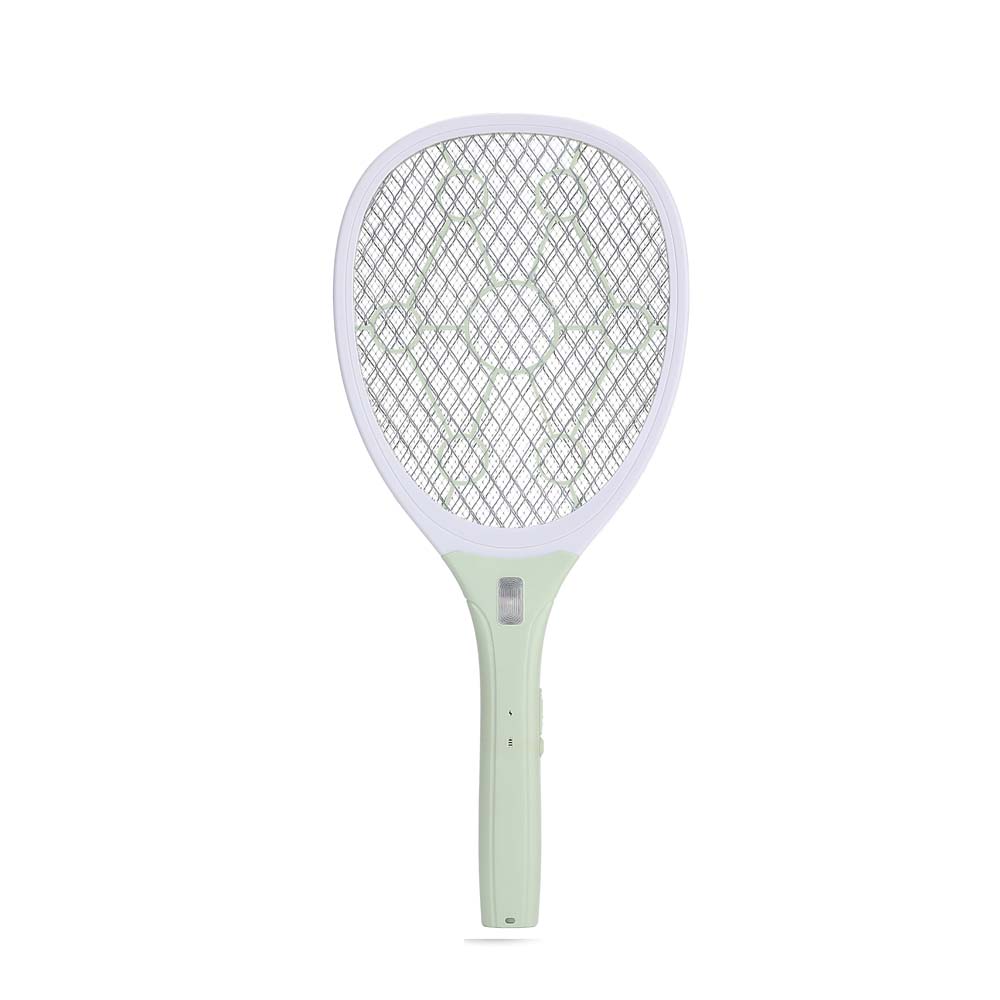
II. Slight Scratches on the Handle Shell: Standard Operation for Temporary Repair with Nail Polish
The handle shell of electric fly swatters is mostly made of plastic material. If there are only slight scratches without damage and no contact with the internal circuit, nail polish can be used for temporary repair, whose main purpose is to cover the scratches and improve the appearance. To avoid problems during the repair process, the following standard operation points must be followed:
-
Safety preparation before repair: First, cut off the power supply of the electric fly swatter, confirm that the switch is turned off. If it is a rechargeable electric fly swatter, unplug the charging plug and place it for 1-2 minutes to ensure that the residual electricity inside is completely released, so as to eliminate the risk of accidental electric shock.
-
Surface cleaning treatment: Use a clean cloth dipped in a small amount of alcohol to thoroughly wipe the scratch and its surrounding area to remove dust, oil stains and other impurities on the surface. Wait for the surface to be completely dry before carrying out subsequent operations to ensure that the nail polish can closely adhere to the shell and reduce the probability of falling off.
-
Requirements for nail polish selection: Priority is given to transparent nail polish. If the handle shell has a specific color, you can choose a matte nail polish consistent with the color of the shell (to avoid the bright nail polish being inconsistent with the texture of the shell and affecting the appearance); it is recommended to choose nail polish with thin texture and good fluidity for easy uniform application. The use of quick-drying, granular or nail polish with strong irritating chemical components is strictly prohibited.
-
Standard application process: Use the brush that comes with the nail polish to dip a small amount of nail polish and apply it thinly on the scratch. Avoid applying too thick at one time, which will cause the coating to wrinkle and agglomerate; after application, place the electric fly swatter in a well-ventilated and dry place to air dry for 15-20 minutes. If the scratch is obvious, you can apply another thin layer after the first layer is completely dry until the scratch is completely covered.
-
Notes: This method is only a temporary repair method. Due to the limited adhesion between nail polish and plastic shell, it may still fall off after long-term holding and friction, and cannot achieve a permanent repair effect; if the scratch on the handle shell is deep, damaged, or the internal circuit is exposed, the use of nail polish for repair is strictly prohibited, and the handle or the whole equipment should be replaced in time.
III. Scientific Repair Scheme for Scratches on Electric Fly Swatters (Standard Guidance by Part)
Compared with discussing the feasibility of the nail polish repair method, choosing a safe and durable repair method according to the scratched part can better ensure the safety and service life of the electric fly swatter. According to the different scratched parts, the following scientific repair schemes are recommended:
1. Mesh Scratches: Focus on Protection, No Forced Repair Required
If there are only slight scratches on the metal mesh surface without rust, wire breakage, and the electric shock effect of the electric fly swatter is not affected, no special repair is needed, and it can be used normally; if the scratch is deep and the mesh wire is slightly rusted, you can first gently polish the rusted part with fine sandpaper to remove the rust, then wipe it clean with a dry cloth, and then apply a small amount of anti-rust oil (or sewing machine oil). After drying, it can be used normally. This method can effectively prevent the mesh surface from continuing to rust and does not affect its electrical conductivity.
If the mesh surface has wire breakage, large-area damage and other conditions, it is recommended to replace the electric fly swatter directly. Because the broken mesh wire will destroy the uniformity of high-voltage distribution, which will not only reduce the mosquito killing effect but also cause potential safety hazards such as short circuit and electric leakage. At this time, the repair has no practical significance, and it is safer and more reliable to replace the equipment.
2. Handle Shell Scratches: Preferred Scheme for Permanent Repair
If users have high requirements for the durability of the repair effect, it is not recommended to use nail polish for temporary repair. According to the material of the handle shell, the following more durable repair methods can be selected:
-
Plastic handle: Special plastic touch-up pens (market price is about ten yuan) can be purchased, and the style consistent with the color of the handle shell can be selected. After cleaning the surface of the handle, apply the touch-up pen thinly on the scratch. After drying, gently polish it to a smooth surface with fine sandpaper, and finally apply a layer of transparent protective paint. This method has a long-lasting repair effect, a clean appearance, and will not damage the plastic material.
-
Metal handle (rare in the market): If there are slight scratches, you can first polish the scratches with fine sandpaper, then apply a small amount of special metal touch-up paint, and it can be repaired after drying; if the scratch is deep, it is recommended to seek professional maintenance personnel for treatment to avoid affecting the grip feeling and use safety due to self-repair.
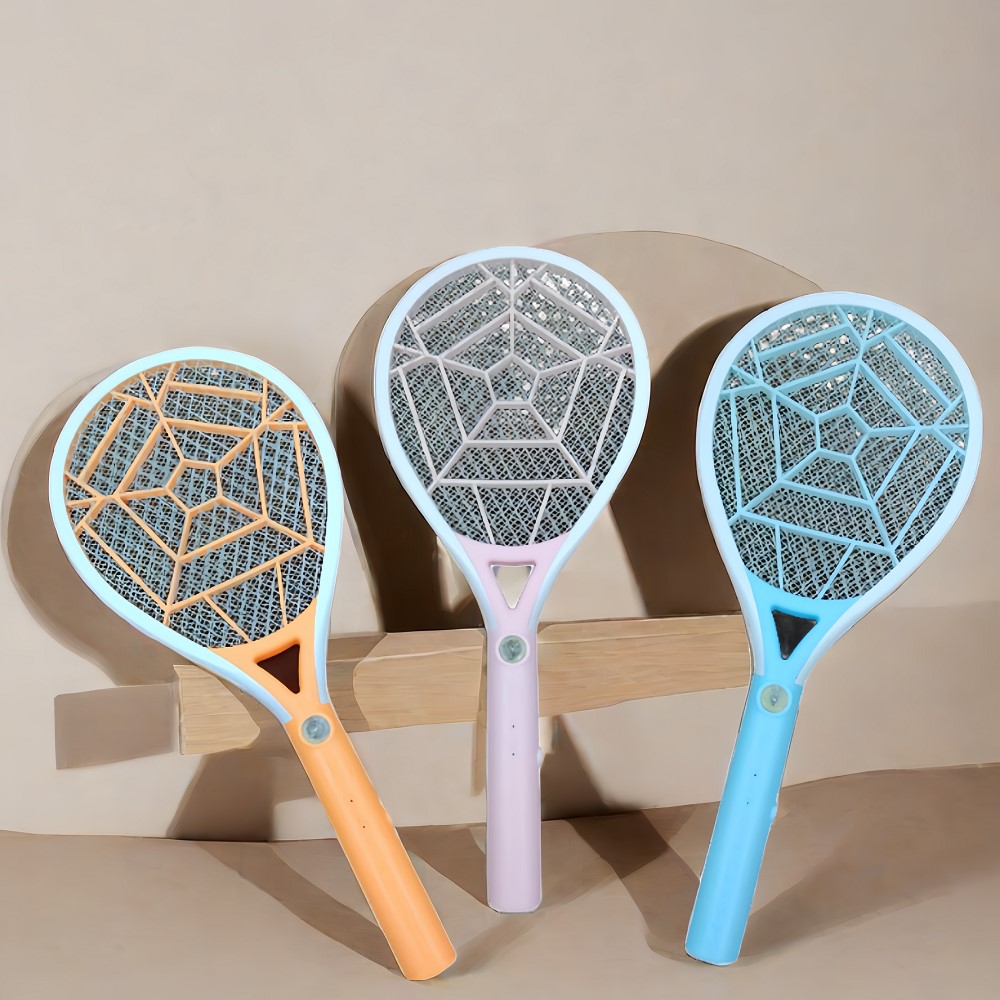
IV. Summary and Daily Use Notes
In summary, the repair of scratches on electric fly swatters must strictly distinguish the parts: the use of nail polish for repairing mesh scratches is strictly prohibited, otherwise, it may affect the equipment performance and use safety; slight scratches on the handle shell can be temporarily covered with nail polish, and special touch-up tools are recommended for durability.
To reduce the probability of scratches and damage to the electric fly swatter and extend its service life, the following points should be noted in daily use: avoid strong collisions and scratches on the mesh surface and handle; place it in a dry and cool environment when not in use to avoid direct sunlight and moisture erosion; use a dry cloth for cleaning, and it is strictly prohibited to rinse the mesh surface with water to ensure that the equipment is in a good working state.
Why Prioritize Type-C Ports
Revealing the Best-Selling Code of Electric Mosquito Swatters
Related Article

If you’re struggling with annoying mosquitoes, flies, and other flying pests indoors and outdoors, upgrading from traditional manual tools to anElectric Mosquito Swatter is the most efficient solution. Many homeowners and renters search where to buy fly swatter online to find durable, safe, and high-performance electric models that deliver instant pest control.
Where to Buy Fly Swatter
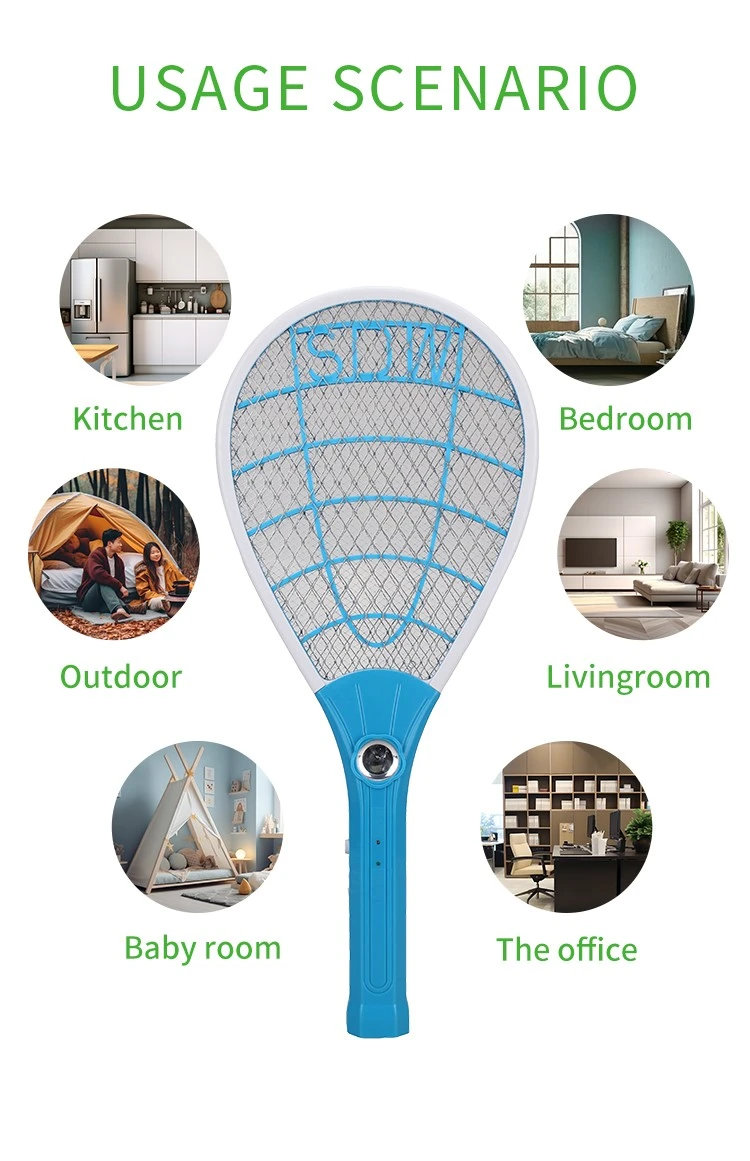
Most importers of electric mosquito swatters obsess over the first order: samples requested, factories vetted, a pre-shipment inspection booked. Then the reorder arrives eight months later and something is off. The grid feels softer. The charge port is a slightly different shade of black. The carton thickness dropped from 350 gsm to 300 gsm. Nothing is catastrophic — but the product no longer matches what your retail customers approved, and quietly, your return rate starts climbing.
How to Keep Mosquito Swatter Quality Consistent Across Repeat Orders
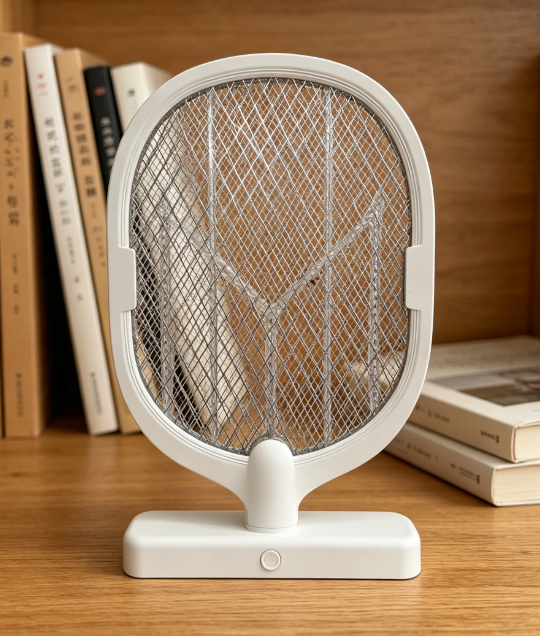
Warranty returns are the silent margin killer in the mosquito control category. A distributor who buys a swatter at $1.80 FOB and retails it at $9.90 can absorb a 1% return rate without noticing — but at 5%, the combined cost of replacement units, reverse logistics, and refund processing erases most of the line's profit.
Common mosquito swatter killer lamp failure modes wholesale spec guide

Digital bathroom scales rank as the second-highest-volume consumer weighing product category, only behind kitchen scales, with distinct market and product characteristics that set them apart from other scale types in importers’ product portfolios.
Digital bathroom body fat-bia-scale wholesale buyers guide