
Guide to Winter Mosquito Control
2025-12-17
WHO’s Guide to Winter Mosquito Control: Don’t Let Your Guard Down
Many people assume mosquitoes vanish with the cold, but the World Health Organization (WHO) warns that winter mosquito prevention is just as critical—especially in temperate and tropical regions where mosquitoes can survive or remain active year-round. Mosquito-borne diseases like dengue, malaria, and Zika don’t take a seasonal break, and proactive measures aligned with WHO’s guidelines can keep you and your community safe.
1. Eliminate Standing Water (WHO’s Top Priority)
Mosquitoes breed in stagnant water, even during cooler months. WHO emphasizes that removing potential breeding sites is the most effective preventive measure. Check your surroundings for:
- Flower pot saucers, birdbaths, and pet water bowls (empty and refill weekly)
- Clogged gutters, discarded containers, and tire piles (clear or cover them)
- Small pools of water in yards, balconies, or rooftops (drain or treat with safe larvicides if needed)
WHO notes that even tiny amounts of water—like in bottle caps—can support mosquito larvae, so thoroughness is key.
2. Physical Barriers: Keep Mosquitoes Out
WHO recommends physical protection as a safe, chemical-free layer. Ensure:
- Window and door screens are intact (repair holes or tears)
- Mosquito nets are used over beds, especially for infants, pregnant women, and the elderly (WHO endorses insecticide-treated nets (ITNs) for added protection in high-risk areas)
- Clothing covers arms and legs when outdoors during dawn or dusk (peak mosquito activity times, even in winter)
3. Safe Use of Mosquito Repellents
When physical barriers aren’t enough, WHO approves repellents containing proven active ingredients:
- DEET (10–30% concentration, safe for most adults and children over 2 months)
- Picaridin (up to 20%, gentle on skin and effective)
- IR3535 (a plant-based option recommended for sensitive groups)
Follow WHO’s guidelines: Apply repellent to exposed skin (avoid eyes, mouth, and cuts) and reapply as directed. For children, use adult-applied, low-concentration products, and avoid spraying on hands.
4. Community Collaboration and Surveillance
WHO stresses that mosquito control is a collective effort. Engage with local health authorities to:
- Report stagnant water in public areas (parks, construction sites)
- Participate in community clean-up drives
- Stay informed about mosquito-borne disease outbreaks in your region
WHO’s Integrated Vector Management (IVM) approach encourages communities to work with health systems for targeted, sustainable control.
5. Protect Vulnerable Populations
Pregnant women, young children, older adults, and people with compromised immune systems are at higher risk of severe mosquito-borne illnesses. WHO advises extra precautions:
- Ensure vulnerable individuals use ITNs consistently
- Limit their outdoor exposure during peak mosquito hours
- Consult healthcare providers before using repellents if pregnant or immunocompromised
Why Winter Matters
Even in colder climates, some mosquito species (like Culex or Aedes) can hibernate as adults or lay drought-resistant eggs that hatch when temperatures rise. WHO warns that neglecting winter prevention can lead to a surge in mosquito populations come spring. In tropical regions, where temperatures remain mild, mosquitoes stay active year-round—making consistent protection non-negotiable.
By following WHO’s evidence-based guidelines, you’re not just fending off annoying bites—you’re safeguarding your health from preventable diseases. This winter, let’s keep our guard up and make mosquito control a priority, one small step at a time.
Precautions for business trips or travel in Guangdong
How long should you charge an electric mosquito swatter
Related Article

If you’re struggling with annoying mosquitoes, flies, and other flying pests indoors and outdoors, upgrading from traditional manual tools to anElectric Mosquito Swatter is the most efficient solution. Many homeowners and renters search where to buy fly swatter online to find durable, safe, and high-performance electric models that deliver instant pest control.
Where to Buy Fly Swatter
Most importers of electric mosquito swatters obsess over the first order: samples requested, factories vetted, a pre-shipment inspection booked. Then the reorder arrives eight months later and something is off. The grid feels softer. The charge port is a slightly different shade of black. The carton thickness dropped from 350 gsm to 300 gsm. Nothing is catastrophic — but the product no longer matches what your retail customers approved, and quietly, your return rate starts climbing.
How to Keep Mosquito Swatter Quality Consistent Across Repeat Orders
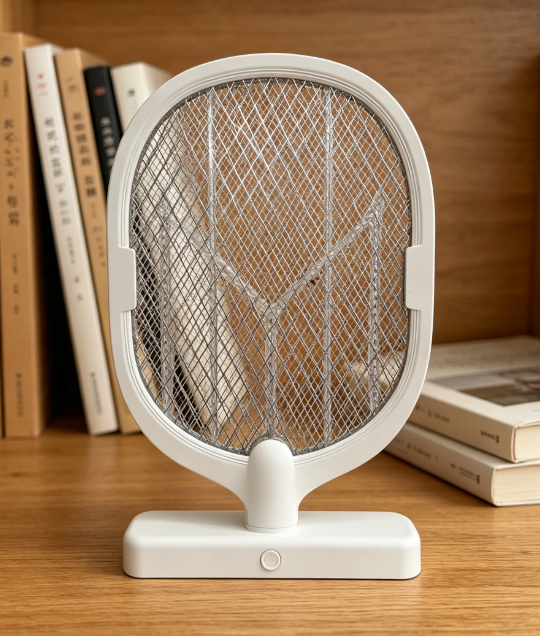
Warranty returns are the silent margin killer in the mosquito control category. A distributor who buys a swatter at $1.80 FOB and retails it at $9.90 can absorb a 1% return rate without noticing — but at 5%, the combined cost of replacement units, reverse logistics, and refund processing erases most of the line's profit.
Common mosquito swatter killer lamp failure modes wholesale spec guide

Digital bathroom scales rank as the second-highest-volume consumer weighing product category, only behind kitchen scales, with distinct market and product characteristics that set them apart from other scale types in importers’ product portfolios.
Digital bathroom body fat-bia-scale wholesale buyers guide