
How Accurate Are Body Fat Scales
2026-04-10
How Accurate Are Body Fat Scales?
Introduction: Why Do We Care About Body Fat Scale Accuracy?
In recent years, body fat scales have become a staple in many households, gyms, and health-focused routines. Unlike traditional weight scales, which only measure total body weight, body fat scales claim to offer a more comprehensive look at body composition—they tell you not just how much you weigh, but what percentage of that weight comes from fat, muscle, water, and even bone. But with so many options on the market, one question keeps popping up: How accurate are body fat scales, really? Can we trust the numbers they show to guide our fitness and health goals? This blog breaks down the science behind body fat scales, explores the factors that affect their accuracy, and helps you understand how to use these devices effectively.
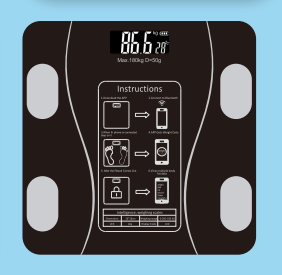
The Science Behind Body Fat Scales: How Do They Work?
To understand how accurate body fat scales are, we first need to know how they measure body composition. Most consumer-grade body fat scales use a technology called Bioelectrical Impedance Analysis (BIA). Here’s a simple breakdown of how it works:
1.1 The Basics of BIA Technology
BIA works by sending a tiny, harmless electrical current through your body. Different tissues in your body conduct electricity differently: muscle and water are good conductors (thanks to their high water content and electrolytes), while fat tissue is a poor conductor (since it contains very little water). The body fat scale measures the impedance (or resistance) of the electrical current as it travels through your body, then uses a pre-programmed algorithm to estimate your body fat percentage. This estimate is based on the impedance reading, plus other data you input—such as your age, gender, height, and weight.
1.2 Limitations of the BIA Method
The key thing to remember is that BIA is an estimation method, not a direct measurement. Unlike medical-grade devices (like DEXA scans or underwater weighing), body fat scales don’t measure body fat directly. Instead, they make an informed estimate based on impedance and other factors. This inherent limitation means even the best body fat scales will never be 100% accurate—and that’s perfectly okay, as long as we know how to interpret the results.
Factors That Affect Body Fat Scale Accuracy
The accuracy of body fat scales can vary quite a bit, and this variation usually stems from a mix of factors—some related to the device itself, and others related to your body and how you use the scale. Let’s break down the most common ones:
2.1 Body Hydration Levels
Since water is a good conductor of electricity, your body’s hydration status has a huge impact on impedance. If you’re dehydrated—like first thing in the morning, after a workout, or if you haven’t drunk enough water—your body will have higher impedance. The scale may misinterpret this as higher body fat. On the flip side, if you’re overhydrated (such as right after drinking a lot of water), impedance will be lower, and the scale may underestimate your body fat percentage. This is one of the biggest reasons body fat readings can fluctuate from day to day.
2.2 Device Quality and Calibration
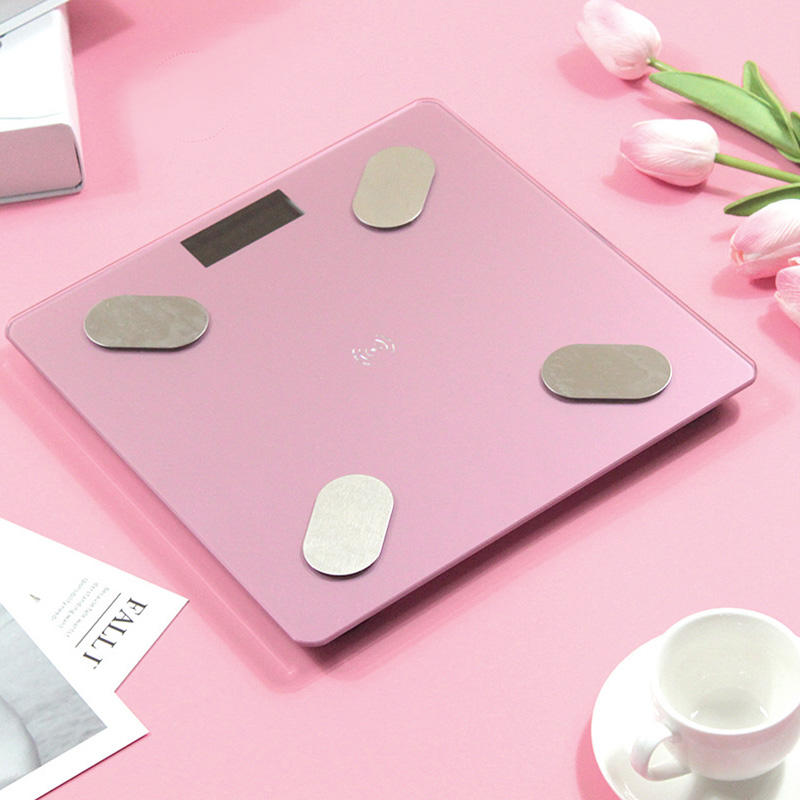
Not all body fat scales are made the same. Cheaper, low-quality scales may use simple algorithms, have fewer electrodes (which limits the accuracy of impedance measurements), or lack proper calibration. High-quality body fat scales, on the other hand, often have more electrodes (4 or 8, for example), use multi-frequency BIA (which can measure different tissue layers), and are calibrated more precisely. Additionally, if you don’t calibrate your scale regularly—like after moving it or if it’s old—its accuracy will decline over time.
2.3 Individual Body Composition and Lifestyle
Certain body types or lifestyle habits can also affect accuracy. For instance, people with a lot of muscle mass (like bodybuilders) may have lower impedance, which some scales might misinterpret as lower body fat (even if their actual body fat is already low). Conversely, people with edema (fluid retention) may have higher water content, leading to an underestimated body fat percentage. Other factors—like when you eat (a large meal before measuring), exercise (working out right before weighing), or even your skin temperature—can also skew the results.
How Accurate Are Body Fat Scales, Really?
Now, let’s get to the core question: What’s a realistic expectation for body fat scale accuracy? Most consumer-grade body fat scales have an accuracy range of ±3-5% when used correctly. That means if your actual body fat percentage is 25%, the scale might show anything between 20% and 30%. For most people, this margin of error is acceptable for tracking long-term trends—but it’s not reliable for precise measurements, like for medical purposes.
3.1 Comparing to Medical-Grade Devices
Medical-grade body composition devices (such as DEXA scans) have an accuracy range of ±1-2%, making them much more precise. However, these devices are expensive, require a trip to a clinic or hospital, and aren’t practical for daily use. Body fat scales, by contrast, are affordable, convenient, and designed for at-home monitoring—their purpose is to help you track changes over time, not to provide a perfectly precise number.
3.2 When Accuracy Matters Most
If you’re using a body fat scale for general fitness goals—like losing fat or building muscle—the ±3-5% margin of error is unlikely to be a problem. What matters most is consistency: using the same scale, at the same time of day, under the same conditions (such as in the morning, before eating, and after using the bathroom). That way, even if the scale isn’t perfectly accurate, you can still trust the trends it shows—for example, if your body fat percentage goes down over 4-6 weeks, you’re likely making progress.
Tips to Improve Body Fat Scale Accuracy
While body fat scales aren’t perfect, there are steps you can take to improve their accuracy and get more reliable results. Here are some practical tips:
4.1 Use the Scale Consistently
As mentioned earlier, consistency is key. Measure yourself at the same time every day—preferably in the morning, before eating or drinking, and after using the bathroom—and wear the same clothing (or no clothing) each time. This minimizes fluctuations caused by hydration, food intake, and other variables.
4.2 Keep Your Body Hydrated (Consistently)
Avoid measuring right after drinking a lot of water or after a workout (when you’re dehydrated). Try to drink a consistent amount of water each day, so your hydration levels are stable when you measure. This will help reduce day-to-day fluctuations in your readings.
4.3 Calibrate Your Scale Regularly
Check your scale’s instructions for calibration guidelines. Most scales can be calibrated by placing them on a hard, flat surface (not carpet), turning them on, and letting them reset to zero. If you move the scale or notice inconsistent readings, recalibrate it to ensure accuracy.
4.4 Choose a High-Quality Scale
Invest in a reputable body fat scale with multiple electrodes (4 or 8 electrodes) and multi-frequency BIA. These features improve the accuracy of impedance measurements and provide more reliable estimates. Steer clear of cheap, no-name scales that may use outdated algorithms or lack proper calibration.
Conclusion: Are Body Fat Scales Worth It?
To sum up, body fat scales aren’t 100% accurate, but they’re still a valuable tool for tracking body composition trends. Their accuracy—±3-5% when used correctly—is sufficient for most people’s fitness and health goals, and their convenience makes them a great addition to at-home health monitoring. The key is to understand their limitations, use them consistently, and focus on long-term trends rather than single readings.
So, if you’re looking to track your fat loss, muscle gain, or overall body composition, a body fat scale is a worthwhile investment—just don’t expect it to be perfect. Use it wisely, and it will help you stay on track with your health and fitness journey.
How Long Do Mosquitoes Live
How Does Mosquito Killer Lamp Work
Related Article

If you’re struggling with annoying mosquitoes, flies, and other flying pests indoors and outdoors, upgrading from traditional manual tools to anElectric Mosquito Swatter is the most efficient solution. Many homeowners and renters search where to buy fly swatter online to find durable, safe, and high-performance electric models that deliver instant pest control.
Where to Buy Fly Swatter
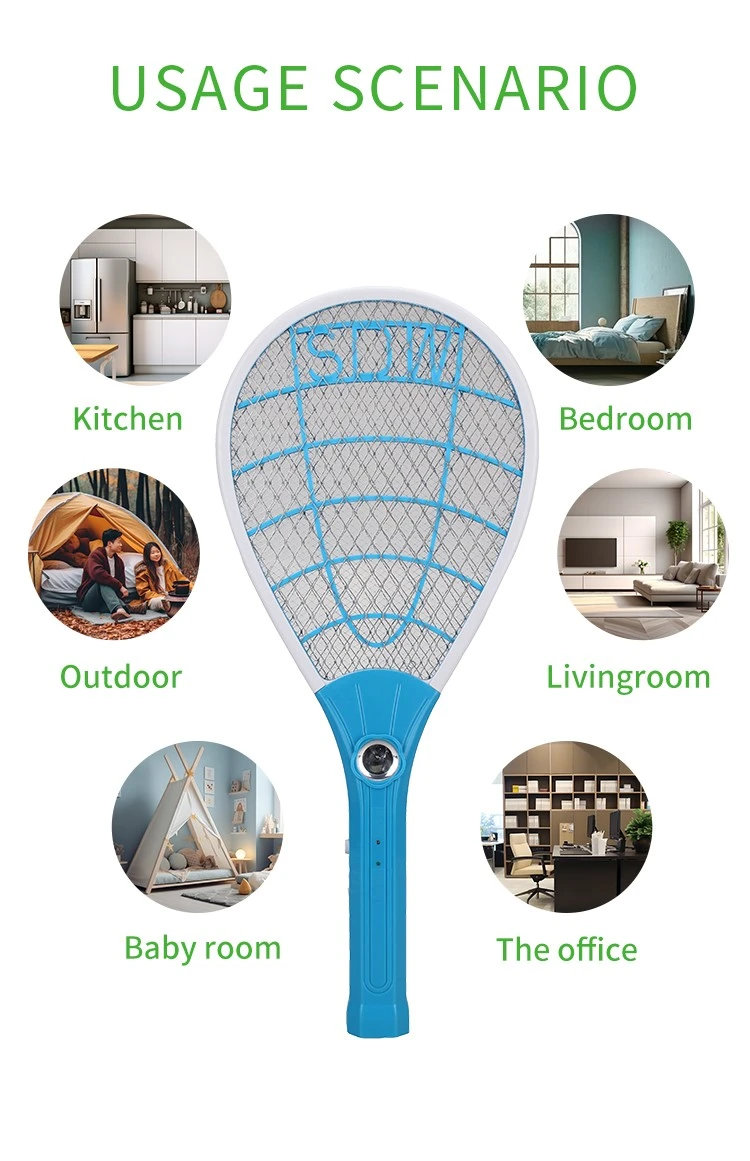
Most importers of electric mosquito swatters obsess over the first order: samples requested, factories vetted, a pre-shipment inspection booked. Then the reorder arrives eight months later and something is off. The grid feels softer. The charge port is a slightly different shade of black. The carton thickness dropped from 350 gsm to 300 gsm. Nothing is catastrophic — but the product no longer matches what your retail customers approved, and quietly, your return rate starts climbing.
How to Keep Mosquito Swatter Quality Consistent Across Repeat Orders
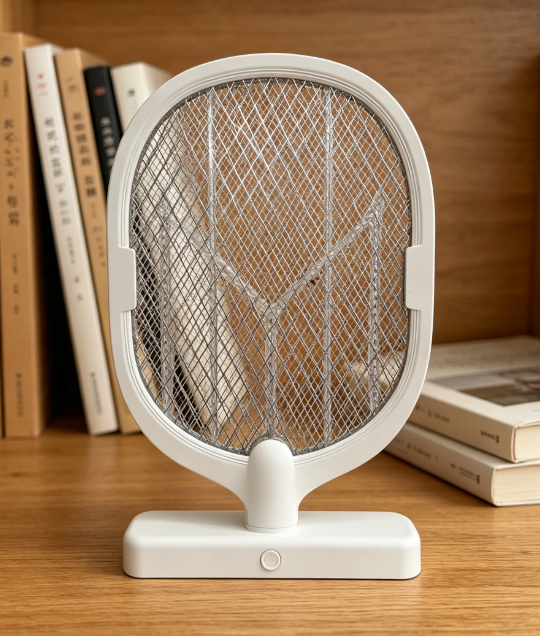
Warranty returns are the silent margin killer in the mosquito control category. A distributor who buys a swatter at $1.80 FOB and retails it at $9.90 can absorb a 1% return rate without noticing — but at 5%, the combined cost of replacement units, reverse logistics, and refund processing erases most of the line's profit.
Common mosquito swatter killer lamp failure modes wholesale spec guide

Digital bathroom scales rank as the second-highest-volume consumer weighing product category, only behind kitchen scales, with distinct market and product characteristics that set them apart from other scale types in importers’ product portfolios.
Digital bathroom body fat-bia-scale wholesale buyers guide