
How Can I Make My Bug Zapper More Effective
2025-07-11
How Can I Make My Bug Zapper More Effective?
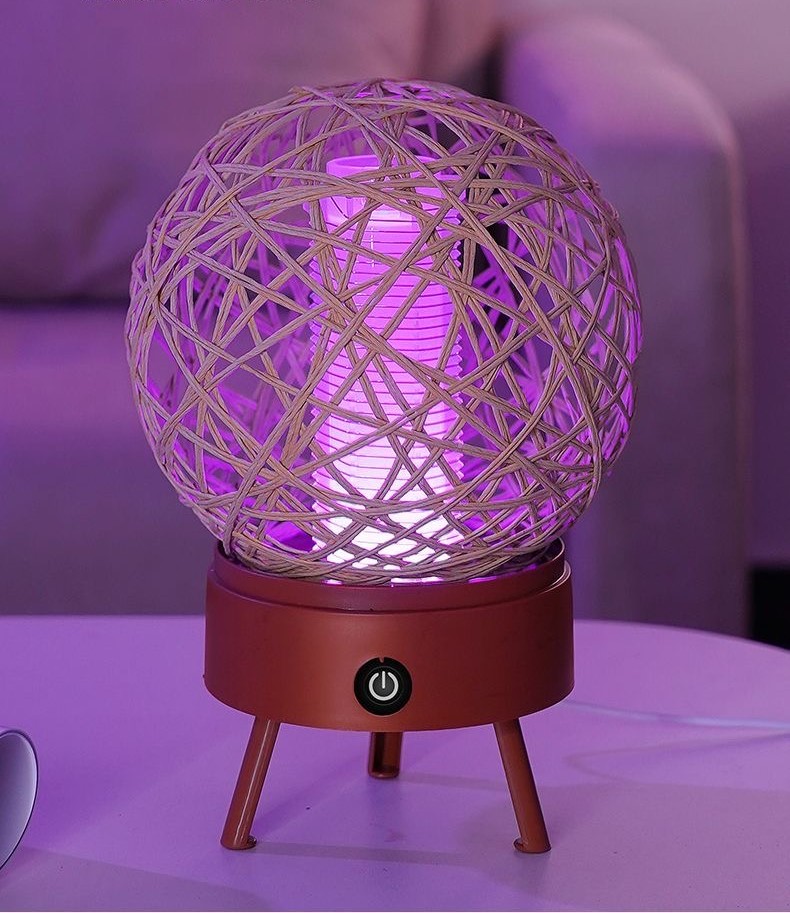
Bug zappers are a popular tool for keeping flying insects at bay, but their effectiveness can vary depending on how they’re used. If you’ve noticed your bug zapper isn’t catching as many pests as you’d like, don’t worry—there are simple strategies to boost its performance. Below, we’ll explore practical tips to maximize your bug zapper’s efficiency.
1. Optimize the Placement
The location of your bug zapper plays a critical role in its success. Insects are attracted to light, but they can be deterred by competing light sources or barriers.
1.1 Avoid Direct Competition with Other Lights
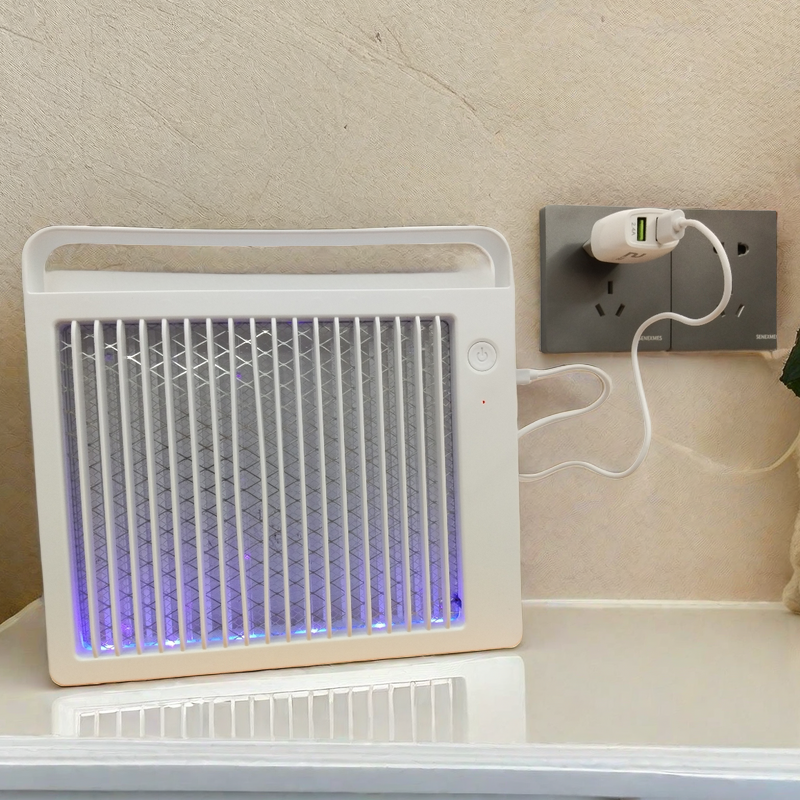
Most flying insects, such as mosquitoes and flies, are drawn to ultraviolet (UV) light—the type emitted by bug zappers. However, bright outdoor lights, porch lights, or even indoor lights shining through windows can distract them. Turn off unnecessary lights near the zapper, especially during peak insect activity (dusk and dawn). This forces pests to focus on the zapper’s UV light as their primary target.
1.2 Position It at the Right Height
Insects typically fly at certain heights. For mosquitoes, placing the zapper 3–5 feet above the ground works best, as they tend to hover close to humans and plants. For flies and moths, a slightly higher position (5–6 feet) may be more effective. Avoid placing it too low (near grass) or too high (above tree lines), as this can reduce its reach.
1.3 Place It Away from Human Activity
While you want the zapper to attract bugs, you don’t want it to attract them toward where you’re sitting or eating. Position the zapper 10–15 feet away from patios, decks, or outdoor seating areas. This way, insects are lured away from you and toward the zapper instead.
2. Maintain the Zapper Regularly
A dirty or poorly maintained bug zapper will lose its effectiveness over time. Insect debris can block the UV light and prevent the electric grid from working properly.
2.1 Clean the Grid and Tray Frequently
After each use, or at least once a week during peak season, turn off and unplug the zapper. Use a soft brush or cloth to remove dead insects from the electric grid. Empty the collection tray to prevent debris from blocking the light or causing odors that might repel new pests. For stubborn residue, wipe the grid with a damp cloth (ensure it’s completely dry before plugging it back in).
2.2 Replace UV Bulbs Annually
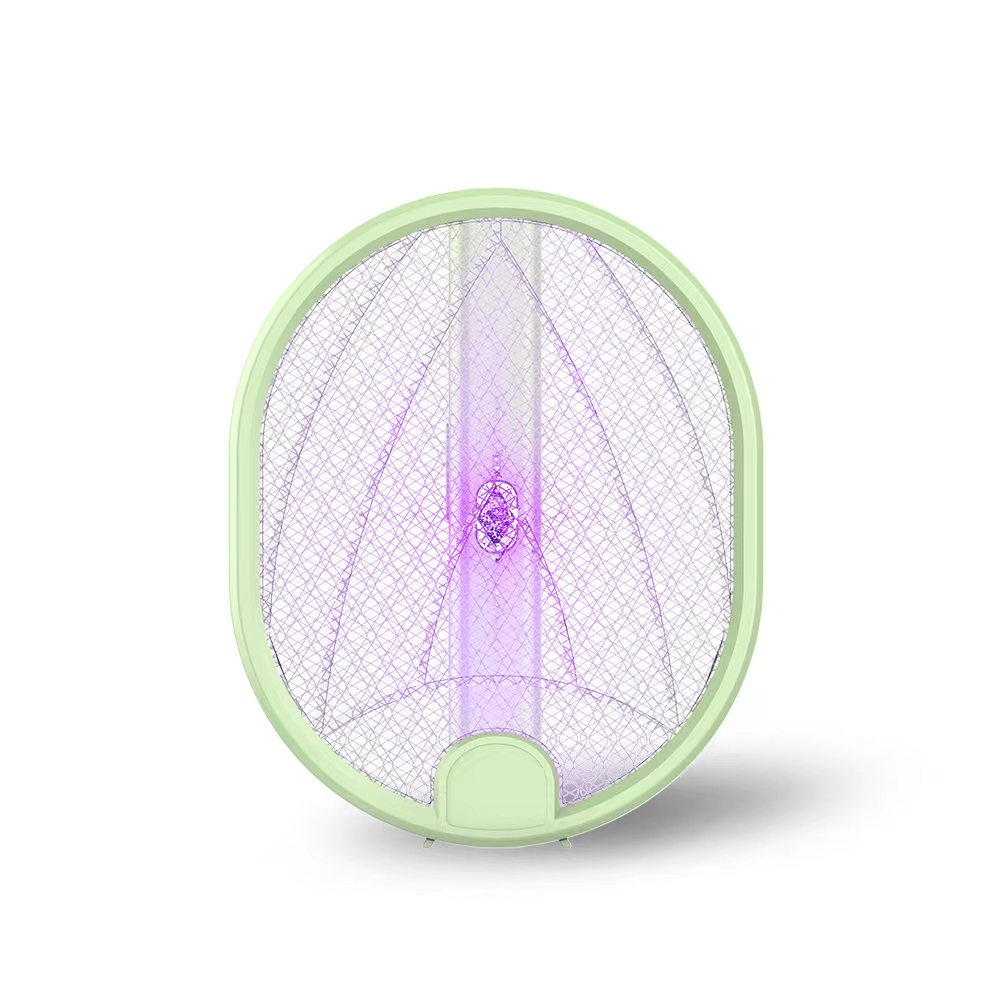
UV bulbs lose their intensity over time—even if they still glow, they may not emit enough UV light to attract insects. Replace the bulbs every 6–12 months, depending on usage. Check the manufacturer’s instructions for specific recommendations, as some bulbs have shorter lifespans.
3. Enhance Attraction with Additional Lures
While UV light is the primary attractant, adding supplementary lures can make your zapper more appealing to specific pests.
3.1 Use Pheromone Attractants
Certain insects, like mosquitoes and flies, are drawn to pheromones (chemical signals released by other insects). Many bug zappers are compatible with pheromone tablets or strips that can be attached to the device. These lures enhance the zapper’s appeal, especially for species less responsive to UV light alone.
3.2 Consider Carbon Dioxide (CO2) Boosters
Mosquitoes are highly attracted to CO2, which humans and animals exhale. Some advanced zappers come with CO2 cartridges, but you can also place a small bowl of sugar water or a slice of overripe fruit near the zapper to release trace amounts of CO2. This mimics the presence of a host, luring mosquitoes closer to the UV light.
4. Use the Zapper at the Right Time
Insect activity peaks during specific hours, so timing your zapper’s use can significantly improve results.
4.1 Activate It During Peak Hours
Most flying insects are most active at dusk, dawn, and during the night. Turn on your zapper 30 minutes before sunset to catch pests as they become active. Leave it on throughout the night for maximum coverage, especially during warm, humid weather when insects thrive.
4.2 Adjust for Seasonal Changes
Insect activity varies by season. During spring and summer, when populations are highest, run the zapper nightly. In fall, as temperatures drop, reduce usage to evenings when pests are still active. During winter, store the zapper in a dry place to protect it from the elements.
Conclusion
By optimizing placement, maintaining the device, adding extra lures, and timing its use correctly, you can significantly enhance your bug zapper’s effectiveness. With these simple steps, you’ll enjoy a more insect-free outdoor space, making your evenings outdoors much more pleasant.
Which type of mosquito killer works the best
How to Trap Fruit Flies
Related Article

If you’re struggling with annoying mosquitoes, flies, and other flying pests indoors and outdoors, upgrading from traditional manual tools to anElectric Mosquito Swatter is the most efficient solution. Many homeowners and renters search where to buy fly swatter online to find durable, safe, and high-performance electric models that deliver instant pest control.
Where to Buy Fly Swatter
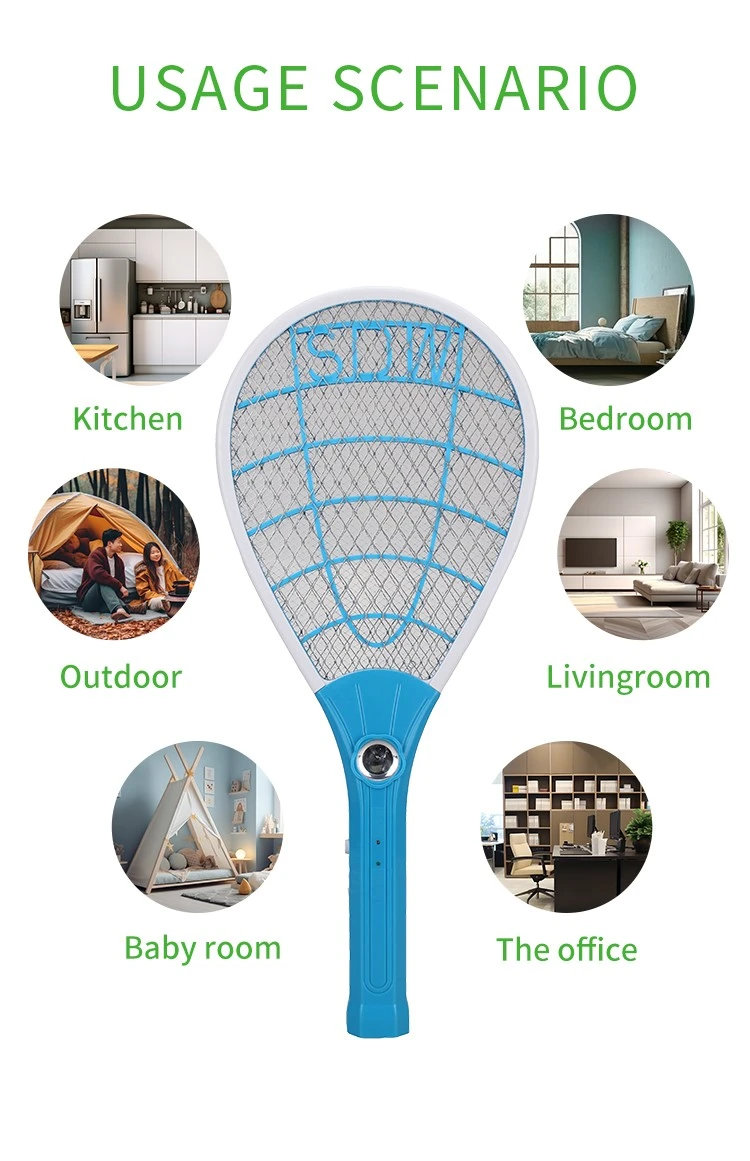
Most importers of electric mosquito swatters obsess over the first order: samples requested, factories vetted, a pre-shipment inspection booked. Then the reorder arrives eight months later and something is off. The grid feels softer. The charge port is a slightly different shade of black. The carton thickness dropped from 350 gsm to 300 gsm. Nothing is catastrophic — but the product no longer matches what your retail customers approved, and quietly, your return rate starts climbing.
How to Keep Mosquito Swatter Quality Consistent Across Repeat Orders
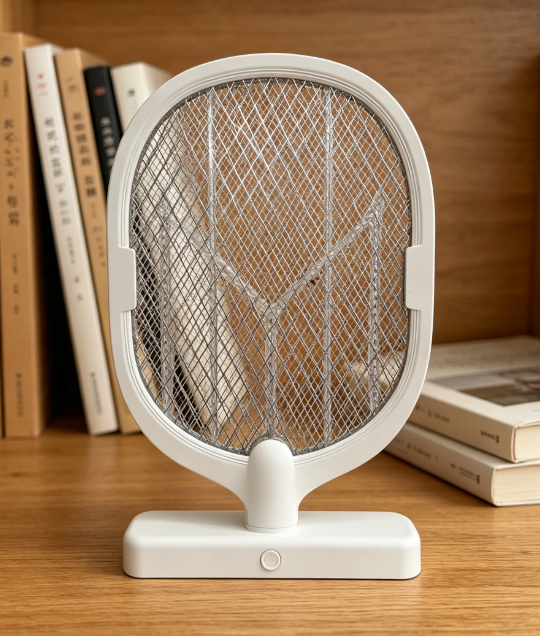
Warranty returns are the silent margin killer in the mosquito control category. A distributor who buys a swatter at $1.80 FOB and retails it at $9.90 can absorb a 1% return rate without noticing — but at 5%, the combined cost of replacement units, reverse logistics, and refund processing erases most of the line's profit.
Common mosquito swatter killer lamp failure modes wholesale spec guide

Digital bathroom scales rank as the second-highest-volume consumer weighing product category, only behind kitchen scales, with distinct market and product characteristics that set them apart from other scale types in importers’ product portfolios.
Digital bathroom body fat-bia-scale wholesale buyers guide