
How do LED insect light traps contribute to environmental sustainability
2025-07-13
How Do LED Insect Light Traps Contribute to Environmental Sustainability?
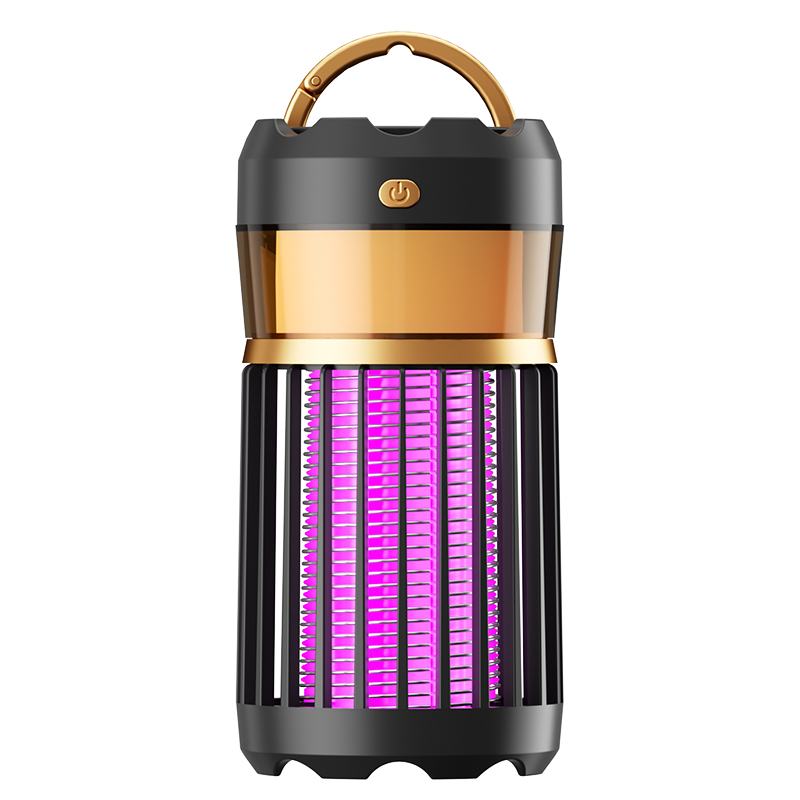
In an era where environmental sustainability has become a global priority, industries and households alike are seeking eco-friendly alternatives to traditional practices. When it comes to pest control, one innovation that stands out is the use of LED insect light traps. These devices not only effectively manage insect populations but also offer significant benefits for the environment. Let’s explore how LED insect light traps contribute to a more sustainable future.
Reducing Reliance on Chemical Pesticides
Minimizing Toxic Runoff and Soil Contamination
Traditional pest control methods often rely heavily on chemical pesticides, which can have devastating effects on ecosystems. These chemicals can seep into the soil, contaminate groundwater, and runoff into nearby rivers, lakes, and oceans. This pollution harms aquatic life, disrupts food chains, and even poses risks to human health through contaminated drinking water or food sources.
LED insect light traps provide a chemical-free alternative. By attracting and trapping insects using light, they eliminate the need for harmful pesticides. This reduction in chemical usage directly lowers the risk of soil and water contamination, preserving the integrity of natural habitats and ensuring cleaner resources for future generations.
Not all insects are pests—many, such as bees, butterflies, and ladybugs, play crucial roles in pollination and pest control themselves. Chemical pesticides are often non-discriminatory, killing both harmful and beneficial insects. This disruption can lead to imbalances in ecosystems, reducing biodiversity and affecting crop yields.
LED insect light traps can be designed to target specific wavelengths of light that are most attractive to pest insects, while being less visible or appealing to beneficial species. This targeted approach helps preserve pollinators and other helpful insects, maintaining the natural balance of ecosystems and supporting sustainable agriculture.
Energy Efficiency and Reduced Carbon Footprint
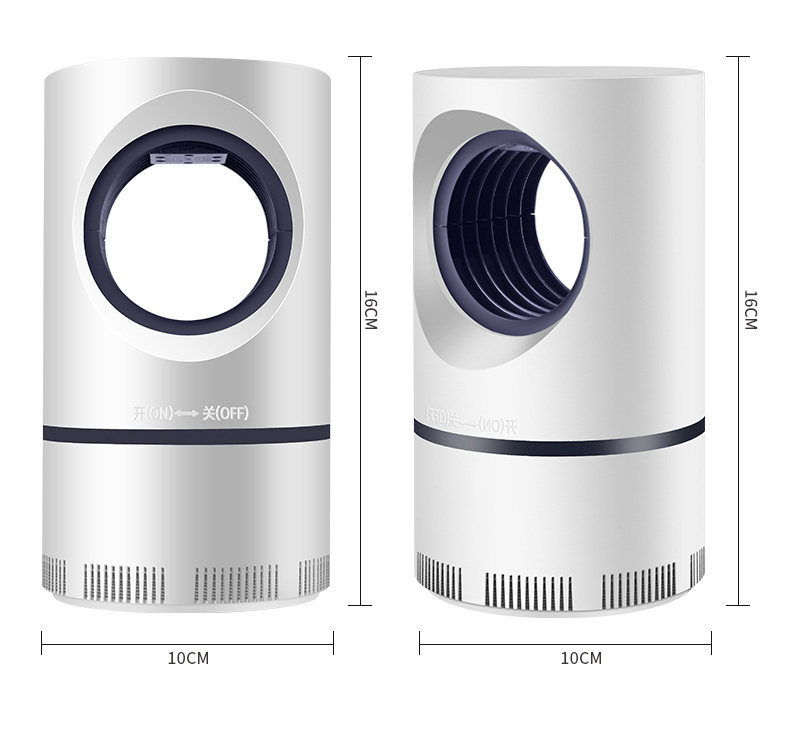
Lower Energy Consumption Compared to Traditional Lighting
Traditional insect light traps typically use incandescent or fluorescent bulbs, which are energy-inefficient. These bulbs convert a large portion of the energy they consume into heat rather than light, resulting in higher electricity usage.
LEDs, on the other hand, are highly energy-efficient. They produce more light per unit of energy consumed, requiring significantly less electricity to operate. This reduced energy demand translates to lower greenhouse gas emissions from power plants, contributing to efforts to combat climate change. Over time, the cumulative energy savings from using LED insect light traps can have a substantial positive impact on the environment.
Long Lifespan Reducing Waste
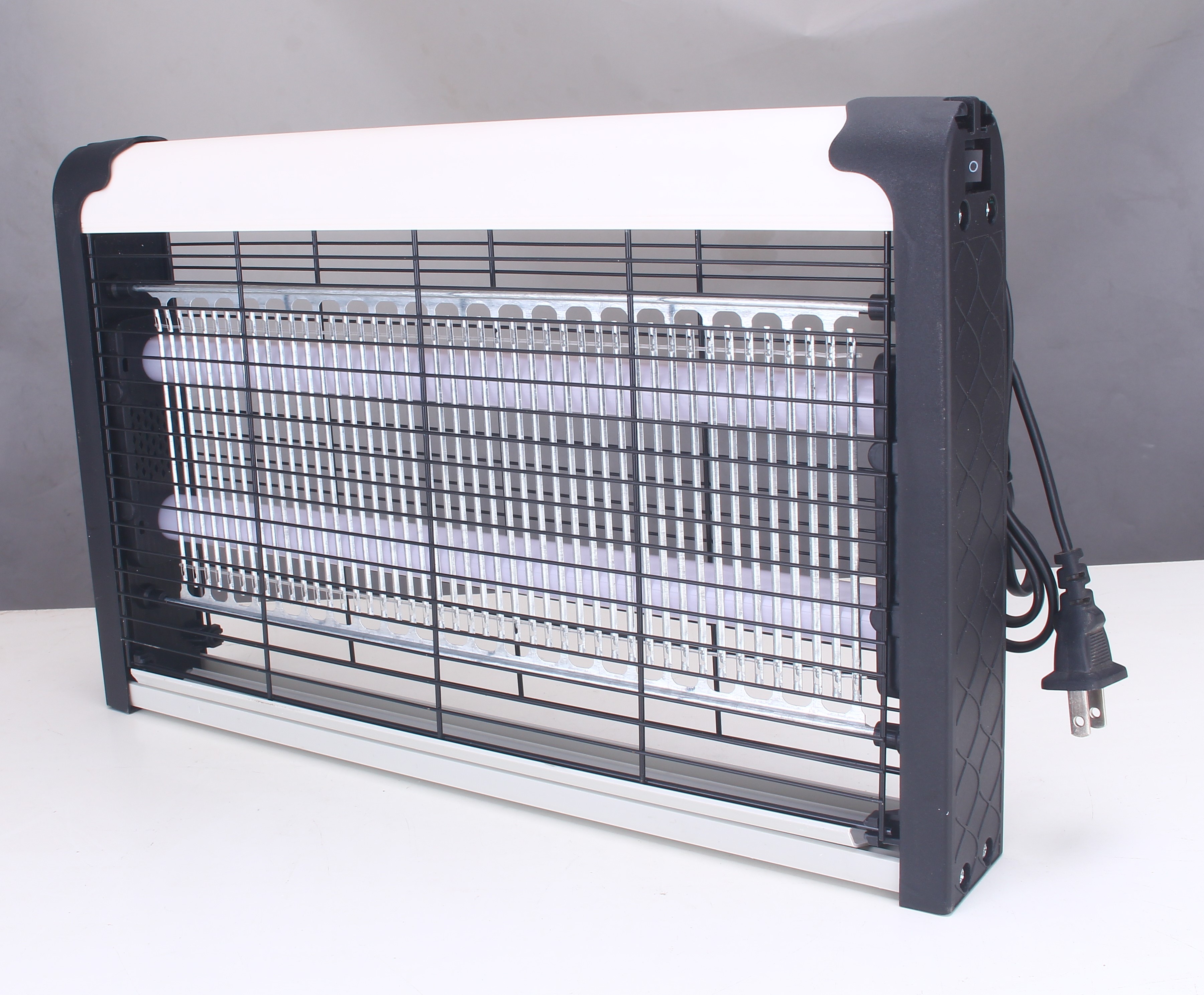
Another environmental advantage of LED insect light traps is the long lifespan of LED bulbs. Incandescent bulbs may last only a few hundred hours, while fluorescent bulbs typically last for a few thousand hours. In contrast, LED bulbs can last up to 50,000 hours or more.
This extended lifespan means fewer bulbs need to be manufactured, transported, and disposed of. Reducing the number of bulbs in the waste stream lowers the environmental impact associated with production—including the extraction of raw materials and the energy used in manufacturing—and decreases the amount of electronic waste, which often contains hazardous materials that can pollute the environment if not properly disposed of.
Supporting Sustainable Agriculture and Food Systems
Reducing Crop Losses Without Harming the Environment
In agriculture, insect pests can cause significant crop losses, threatening food security and economic stability. Farmers have historically turned to chemical pesticides to protect their crops, but these chemicals can harm the environment and contaminate food supplies.
LED insect light traps offer a sustainable solution for agricultural pest control. By placing these traps in fields, greenhouses, or storage facilities, farmers can effectively reduce pest populations without relying on chemicals. This not only protects crops but also ensures that the food produced is safer for consumption and less harmful to the environment. Over time, this can lead to more sustainable farming practices and a more resilient food system.
Promoting Biodiversity in Agricultural Landscapes
By reducing the use of chemical pesticides, LED insect light traps help maintain biodiversity in agricultural landscapes. Beneficial insects, such as pollinators and natural predators of pests, can thrive, creating a more balanced ecosystem. This biodiversity is essential for sustainable agriculture, as it enhances soil health, improves pollination, and reduces the need for external inputs like fertilizers and pesticides.
Conclusion
LED insect light traps are more than just effective pest control tools—they are a testament to how innovation can align with environmental sustainability. By reducing chemical pollution, lowering energy consumption, minimizing waste, and supporting sustainable agriculture, these devices play a valuable role in protecting our planet. As we continue to seek ways to live more sustainably, adopting technologies like LED insect light traps is a step in the right direction, ensuring a healthier environment for both current and future generationMoreover, as awareness of environmental issues grows, the widespread adoption of LED insect light traps can serve as an educational tool, encouraging individuals and communities to make more informed decisions about pest control and environmental stewardship. This, in turn, can foster a culture of sustainability, where the protection of the planet becomes a collective responsibility.
How to Choose the Right Electric Fly Swatter
are mosquitos attracted to light
Related Article

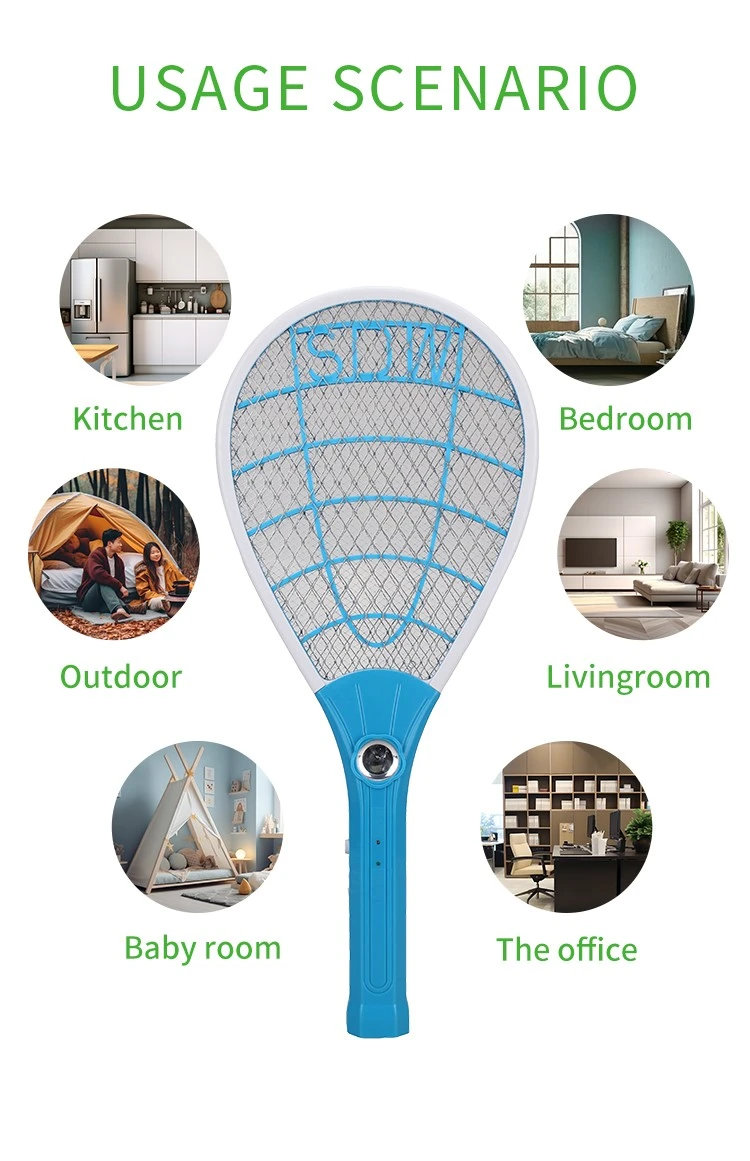
If you’re struggling with annoying mosquitoes, flies, and other flying pests indoors and outdoors, upgrading from traditional manual tools to anElectric Mosquito Swatter is the most efficient solution. Many homeowners and renters search where to buy fly swatter online to find durable, safe, and high-performance electric models that deliver instant pest control.
Where to Buy Fly Swatter
Most importers of electric mosquito swatters obsess over the first order: samples requested, factories vetted, a pre-shipment inspection booked. Then the reorder arrives eight months later and something is off. The grid feels softer. The charge port is a slightly different shade of black. The carton thickness dropped from 350 gsm to 300 gsm. Nothing is catastrophic — but the product no longer matches what your retail customers approved, and quietly, your return rate starts climbing.
How to Keep Mosquito Swatter Quality Consistent Across Repeat Orders
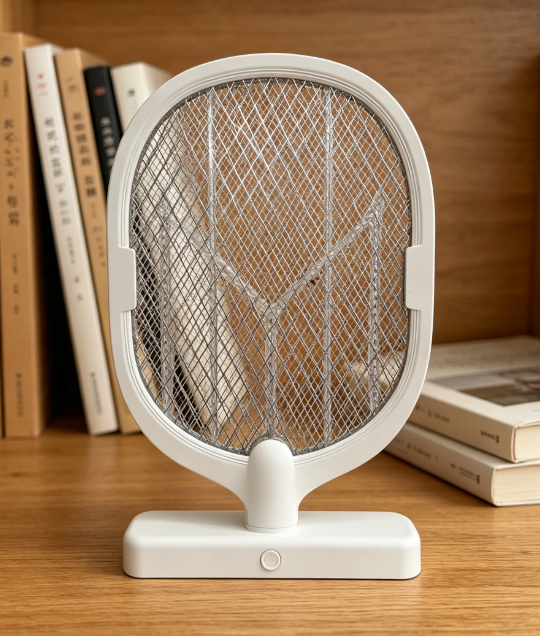
Warranty returns are the silent margin killer in the mosquito control category. A distributor who buys a swatter at $1.80 FOB and retails it at $9.90 can absorb a 1% return rate without noticing — but at 5%, the combined cost of replacement units, reverse logistics, and refund processing erases most of the line's profit.
Common mosquito swatter killer lamp failure modes wholesale spec guide

Digital bathroom scales rank as the second-highest-volume consumer weighing product category, only behind kitchen scales, with distinct market and product characteristics that set them apart from other scale types in importers’ product portfolios.
Digital bathroom body fat-bia-scale wholesale buyers guide