
How Do You Kill Mosquito Larvae in a Swimming Pool
2025-05-22
How Do You Kill Mosquito Larvae in a Swimming Pool
A swimming pool is supposed to be a refreshing oasis for relaxation and fun. However, when mosquito larvae start to populate the water, it not only ruins the appeal of taking a dip but also poses a health risk, as mosquitoes can carry various diseases. If you’ve noticed mosquito larvae wriggling in your pool, don’t worry. In this blog, we’ll explore effective ways to eliminate these pesky larvae and keep your pool a safe and enjoyable place.
Understanding Mosquito Larvae
Before we dive into the methods of killing mosquito larvae, it’s essential to understand these tiny creatures. Mosquito larvae are the immature stage of mosquitoes, and they thrive in stagnant water, making swimming pools an ideal breeding ground, especially if the pool is not in use or not properly maintained. These larvae breathe through a siphon tube and feed on organic matter in the water. They develop into pupae within a few days and then emerge as adult mosquitoes, continuing the cycle of annoyance and potential health threats.
Physical Methods to Kill Mosquito Larvae
Draining the Water
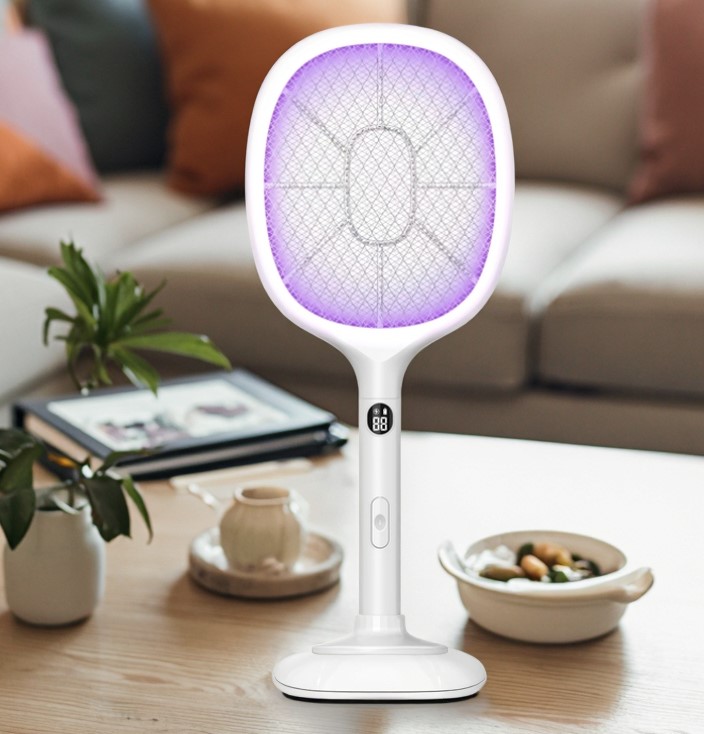
One of the simplest ways to get rid of mosquito larvae is to drain the water from your swimming pool, if possible. Since larvae need water to survive, removing their habitat eliminates them. However, this method is only practical for small, temporary pools or in situations where you can afford to refill the pool later. Draining a large, permanent pool might be costly and time-consuming.
Skimming and Cleaning
Regularly skimming the surface of the pool with a net helps remove debris, organic matter, and mosquito larvae. Additionally, thoroughly cleaning the pool, including the walls, floor, and corners, reduces the food sources for the larvae. Use a pool brush to scrub away any algae or dirt, and make sure to vacuum the pool floor to pick up any remaining larvae or eggs.
Chemical Methods to Kill Mosquito Larvae
Pool Chemicals
Maintaining the proper chemical balance in your pool is crucial for killing mosquito larvae. Chlorine, a common pool disinfectant, can effectively kill larvae. Make sure to keep the chlorine level in your pool within the recommended range (usually 1 - 3 parts per million). Bromine, another disinfectant, can also be used to eliminate larvae. Shock treatment, which involves adding a higher dose of chlorine or another oxidizing agent, can quickly kill a large number of larvae and sanitize the pool.
Mosquito Larvicides
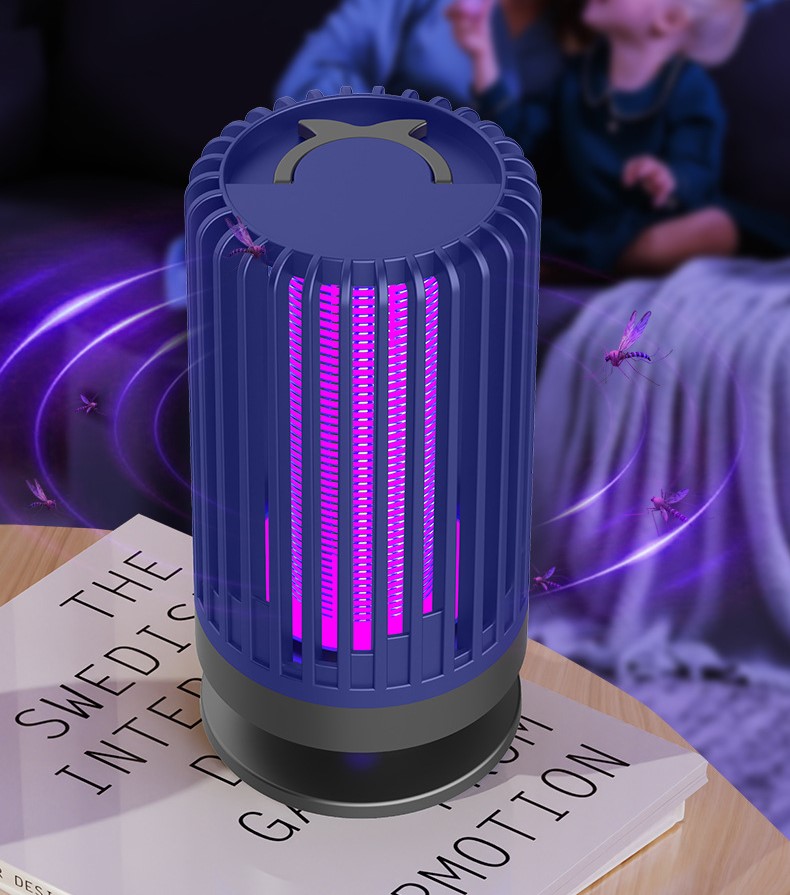
Specific mosquito larvicides are available in the market and are designed to target and kill mosquito larvae without harming other aquatic life or humans. These larvicides come in various forms, such as tablets, granules, or liquid concentrates. You can simply drop the larvicide into the pool according to the product instructions. Bacillus thuringiensis israelensis (BTI), a naturally occurring bacterium, is a popular choice as it specifically targets mosquito larvae and is safe for other organisms.
Biological Methods to Kill Mosquito Larvae
Introducing Mosquito - Eating Fish
Some fish species, like guppies, mosquito fish (Gambusia affinis), and goldfish, are natural predators of mosquito larvae. If your pool setup allows, introducing a few of these fish can help control the mosquito larvae population. These fish will actively hunt and consume the larvae, providing a natural and sustainable way to keep your pool free from these pests. However, be aware that fish may not be suitable for all pool types, especially those with complex filtration systems or where the water chemistry is difficult to maintain.
Using Natural Predators
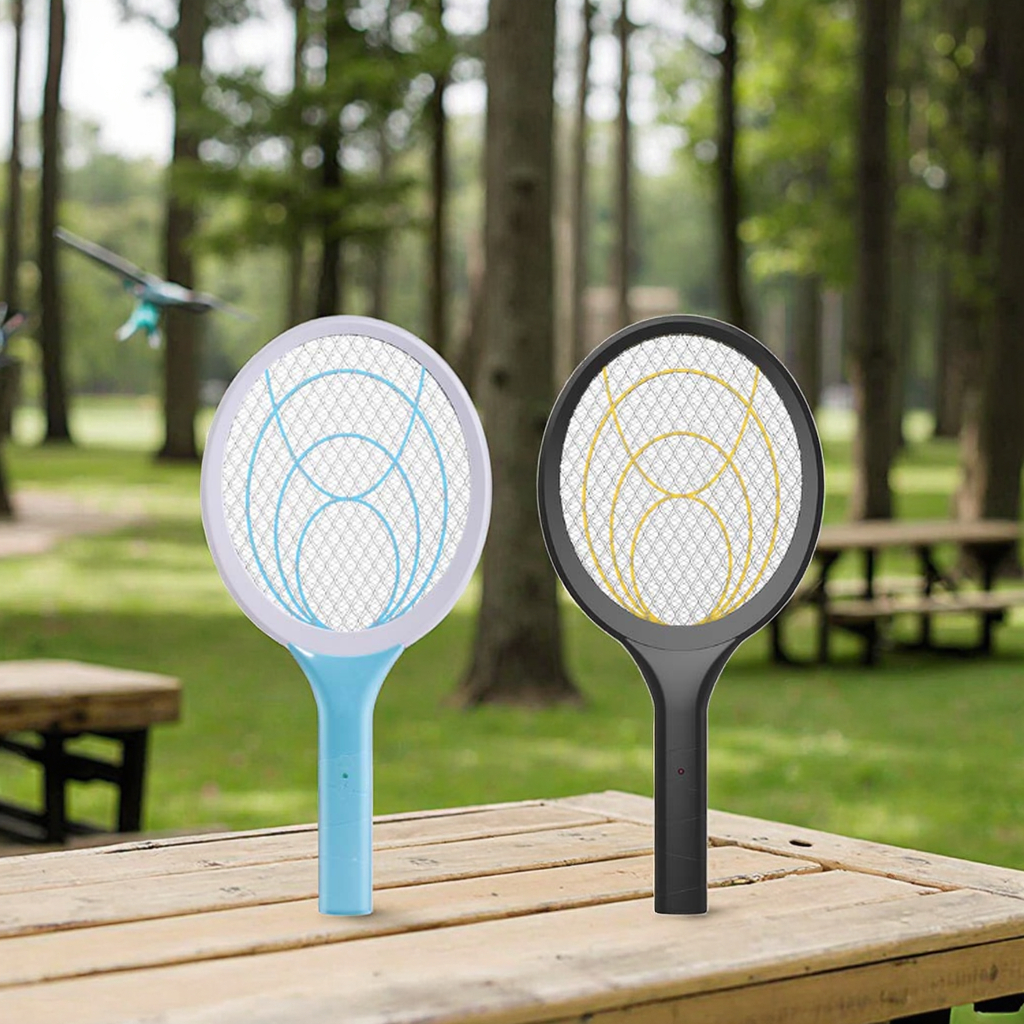
Other than fish, certain aquatic insects and amphibians also feed on mosquito larvae. For example, dragonfly nymphs are voracious predators of mosquito larvae. Creating a small, adjacent pond or water feature with plants that attract dragonflies can encourage them to lay their eggs nearby, and once the nymphs hatch, they will help control the mosquito larvae in your pool.
In conclusion, there are multiple effective ways to kill mosquito larvae in a swimming pool, whether through physical, chemical, or biological methods. By choosing the right approach or combining several methods, you can ensure that your pool remains clean, safe, and free from these unwanted pests. Regular maintenance and monitoring are key to preventing mosquito larvae from returning and enjoying your pool to the fullest.
Does a Bug Zapper Kill Flies
How to Test a bug zapper
Related Article

If you’re struggling with annoying mosquitoes, flies, and other flying pests indoors and outdoors, upgrading from traditional manual tools to anElectric Mosquito Swatter is the most efficient solution. Many homeowners and renters search where to buy fly swatter online to find durable, safe, and high-performance electric models that deliver instant pest control.
Where to Buy Fly Swatter
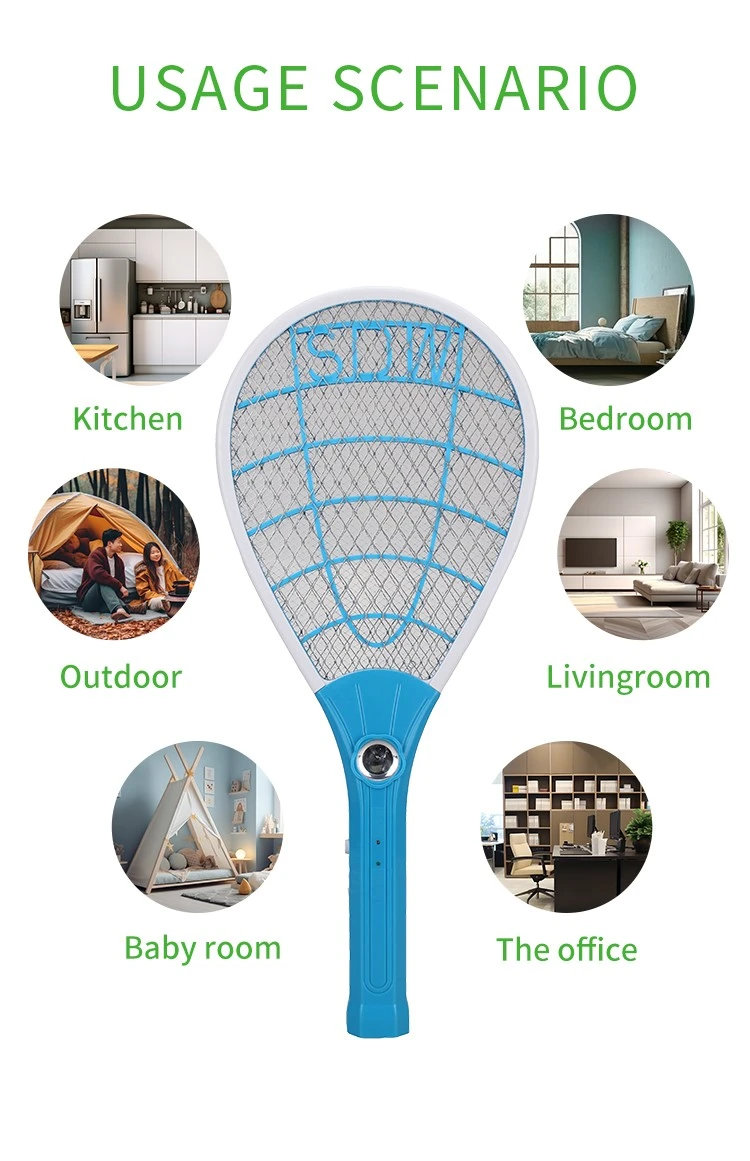
Most importers of electric mosquito swatters obsess over the first order: samples requested, factories vetted, a pre-shipment inspection booked. Then the reorder arrives eight months later and something is off. The grid feels softer. The charge port is a slightly different shade of black. The carton thickness dropped from 350 gsm to 300 gsm. Nothing is catastrophic — but the product no longer matches what your retail customers approved, and quietly, your return rate starts climbing.
How to Keep Mosquito Swatter Quality Consistent Across Repeat Orders
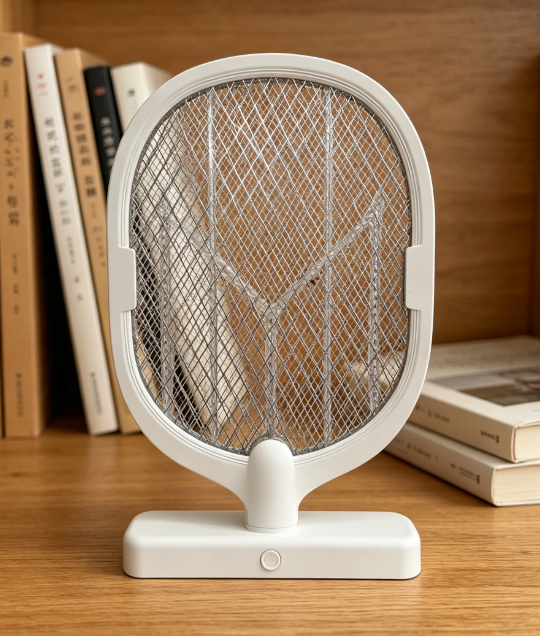
Warranty returns are the silent margin killer in the mosquito control category. A distributor who buys a swatter at $1.80 FOB and retails it at $9.90 can absorb a 1% return rate without noticing — but at 5%, the combined cost of replacement units, reverse logistics, and refund processing erases most of the line's profit.
Common mosquito swatter killer lamp failure modes wholesale spec guide

Digital bathroom scales rank as the second-highest-volume consumer weighing product category, only behind kitchen scales, with distinct market and product characteristics that set them apart from other scale types in importers’ product portfolios.
Digital bathroom body fat-bia-scale wholesale buyers guide