
How Do You Kill Mosquito Larvae
2025-07-01
How Do You Kill Mosquito Larvae? Effective Strategies Uncovered
Mosquitoes are not only annoying but can also pose serious health risks as carriers of diseases like malaria, dengue, and Zika virus. The key to curbing the mosquito population lies in tackling the problem at its source—by eliminating mosquito larvae. In this blog, we'll explore various ways to kill mosquito larvae and take proactive steps towards a mosquito - free environment.
Understanding Mosquito Larvae
Before delving into the methods of killing mosquito larvae, it's essential to understand their habits and habitats. Mosquito larvae thrive in stagnant water, such as puddles, birdbaths, flower pots with saucers, and even clogged gutters. They feed on organic matter in the water and breathe through a siphon tube, which makes them vulnerable to certain control measures.
Physical Removal Methods
Draining Standing Water
The simplest and most effective way to eliminate mosquito larvae is to remove their breeding grounds. Regularly check your yard and home for any sources of stagnant water. Empty flower pot saucers, old tires, buckets, and other containers that can hold water. For larger areas like ponds or water features, consider installing a pump or fountain to keep the water moving, as mosquitoes prefer still water for laying eggs.
Scrubbing and Cleaning
If you have containers that can't be easily drained, such as birdbaths, thoroughly scrub and clean them at least once a week. This removes the organic matter that mosquito larvae feed on and physically dislodges any larvae present. Use a stiff brush and clean water to ensure a thorough cleaning.
Biological Control
Introducing Mosquito - Eating Fish
Certain fish species, like Gambusia affinis (mosquitofish), are natural predators of mosquito larvae. If you have a pond or a large water feature, stocking it with these fish can be an eco - friendly way to control the mosquito larval population. These fish consume large numbers of larvae daily, helping to keep the population in check.
Using Bacillus thuringiensis israelensis (BTI)
BTI is a naturally occurring bacterium that is toxic to mosquito larvae but harmless to humans, pets, and other wildlife. It comes in various forms, including granules, tablets, and liquid solutions. You can apply BTI products to standing water sources, such as rain barrels, small ponds, and even plant saucers. Once ingested by the larvae, BTI releases toxins that disrupt their digestive system, leading to their death.
Chemical Larvicides
Organophosphate Larvicides
Organophosphate - based larvicides are chemical products designed to kill mosquito larvae. They work by interfering with the nervous system of the larvae. These larvicides are available in different formulations, such as emulsifiable concentrates or granules. However, it's important to use them with caution, as they can also be harmful to other aquatic organisms and the environment if not applied properly. Always follow the product instructions and safety guidelines.
Pyrethroid Larvicides
Pyrethroid larvicides are another type of chemical treatment. They are derived from pyrethrins, which are natural substances found in chrysanthemum flowers. Pyrethroid larvicides act quickly to kill mosquito larvae by paralyzing their nervous system. Like organophosphate larvicides, they should be used carefully, especially in areas where there are other beneficial insects or aquatic life.
By implementing these effective strategies on how to kill mosquito larvae, you can significantly reduce the mosquito population in your area. Whether you choose physical removal, biological control, or chemical larvicides, a combination of these methods often yields the best results. Take action today and enjoy a more comfortable, mosquito - free living space!
How Much Should Pest Control Cost
Ways To Prevent Fruit Flies
Related Article

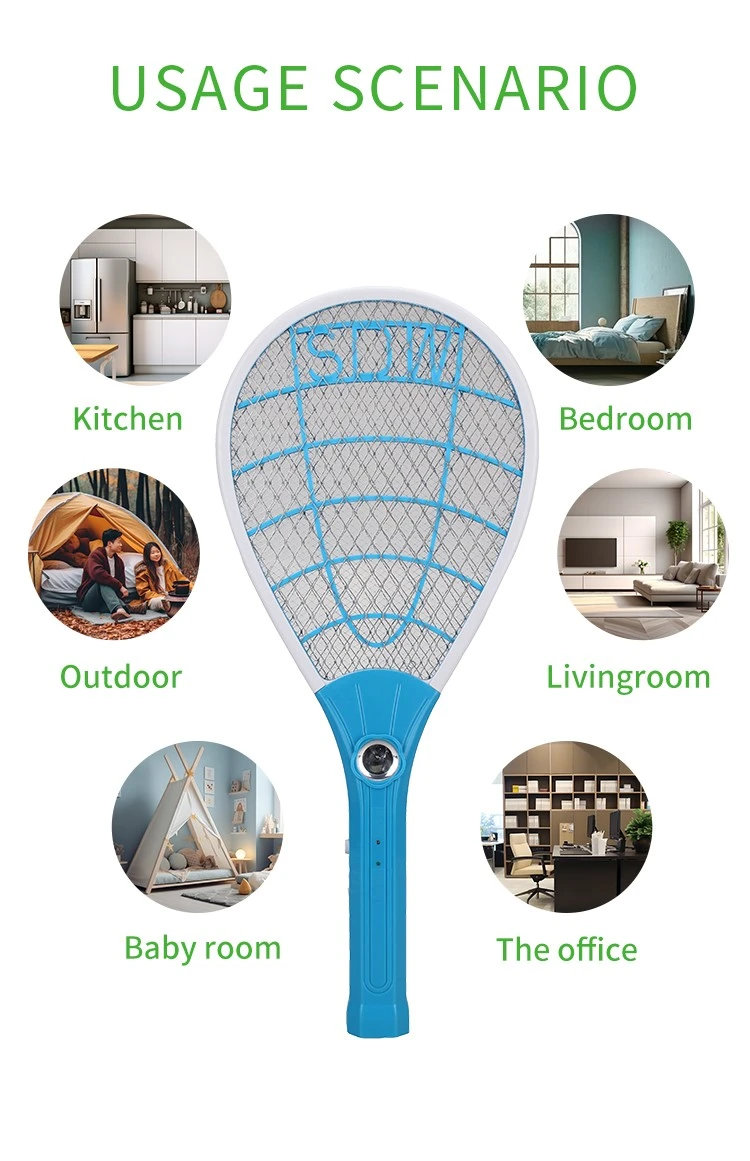
If you’re struggling with annoying mosquitoes, flies, and other flying pests indoors and outdoors, upgrading from traditional manual tools to anElectric Mosquito Swatter is the most efficient solution. Many homeowners and renters search where to buy fly swatter online to find durable, safe, and high-performance electric models that deliver instant pest control.
Where to Buy Fly Swatter
Most importers of electric mosquito swatters obsess over the first order: samples requested, factories vetted, a pre-shipment inspection booked. Then the reorder arrives eight months later and something is off. The grid feels softer. The charge port is a slightly different shade of black. The carton thickness dropped from 350 gsm to 300 gsm. Nothing is catastrophic — but the product no longer matches what your retail customers approved, and quietly, your return rate starts climbing.
How to Keep Mosquito Swatter Quality Consistent Across Repeat Orders
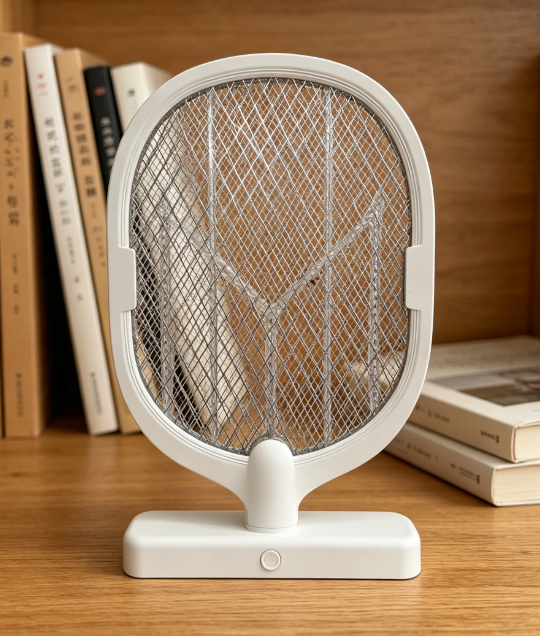
Warranty returns are the silent margin killer in the mosquito control category. A distributor who buys a swatter at $1.80 FOB and retails it at $9.90 can absorb a 1% return rate without noticing — but at 5%, the combined cost of replacement units, reverse logistics, and refund processing erases most of the line's profit.
Common mosquito swatter killer lamp failure modes wholesale spec guide

Digital bathroom scales rank as the second-highest-volume consumer weighing product category, only behind kitchen scales, with distinct market and product characteristics that set them apart from other scale types in importers’ product portfolios.
Digital bathroom body fat-bia-scale wholesale buyers guide