
How Does Diatomaceous Earth Kill Insects
2025-07-02
How Does Diatomaceous Earth Kill Insects?
In the realm of natural pest control, diatomaceous earth has emerged as a popular and effective solution for eliminating a wide variety of insects. Unlike chemical pesticides that rely on toxic substances, diatomaceous earth offers a safer, environmentally - friendly alternative. But how exactly does diatomaceous earth kill insects? Let's delve into the fascinating science behind its insect - killing properties.
The Composition and Structure of Diatomaceous Earth
What is Diatomaceous Earth?
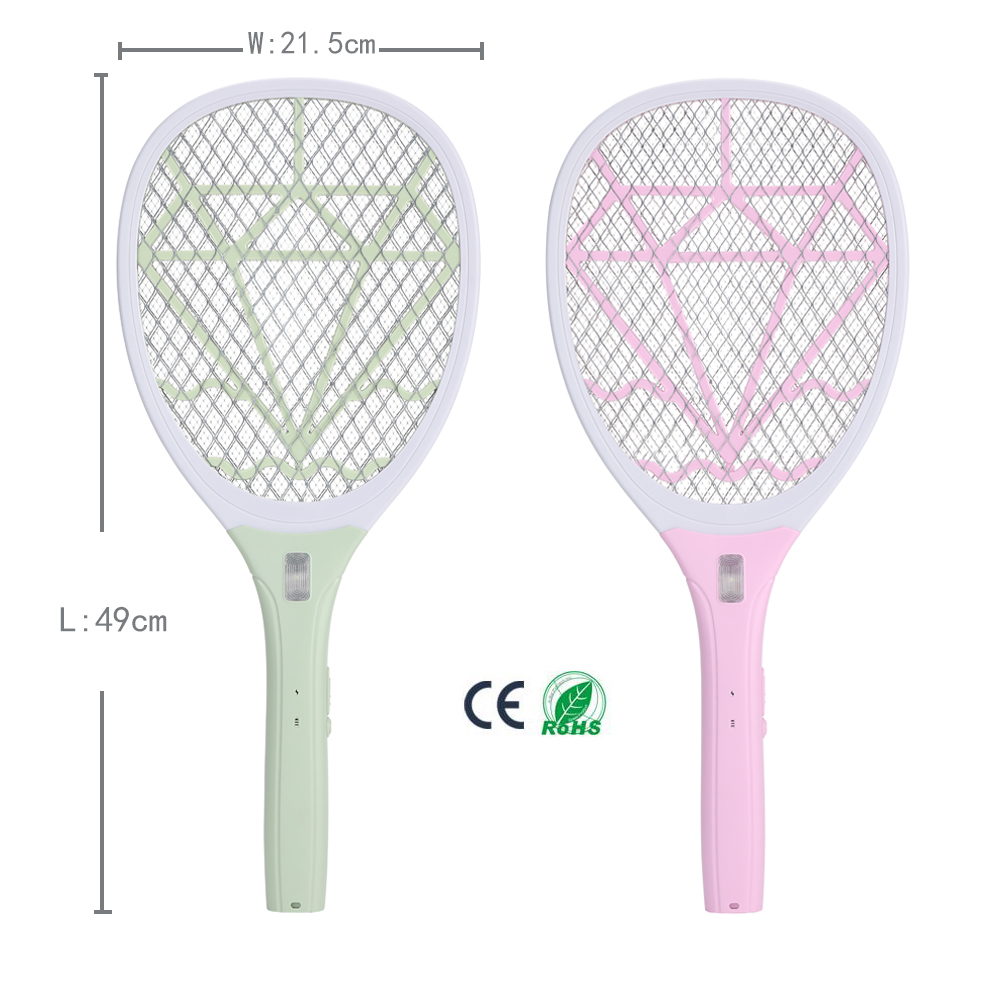
Diatomaceous earth is a naturally occurring, soft sedimentary rock that is easily crumbled into a fine white powder. It is primarily composed of the fossilized remains of diatoms, a type of hard - shelled algae. These diatoms have unique microscopic structures, with intricate patterns of pores and sharp edges.
Microscopic Characteristics
Under a microscope, diatomaceous earth reveals a world of tiny, abrasive particles. Each particle is like a microscopic shard of glass, with sharp edges and a highly porous surface. This structure is crucial to its insect - killing ability, as it allows the powder to interact with insects in a very specific way.
The Insect - Killing Process
Physical Abrasion
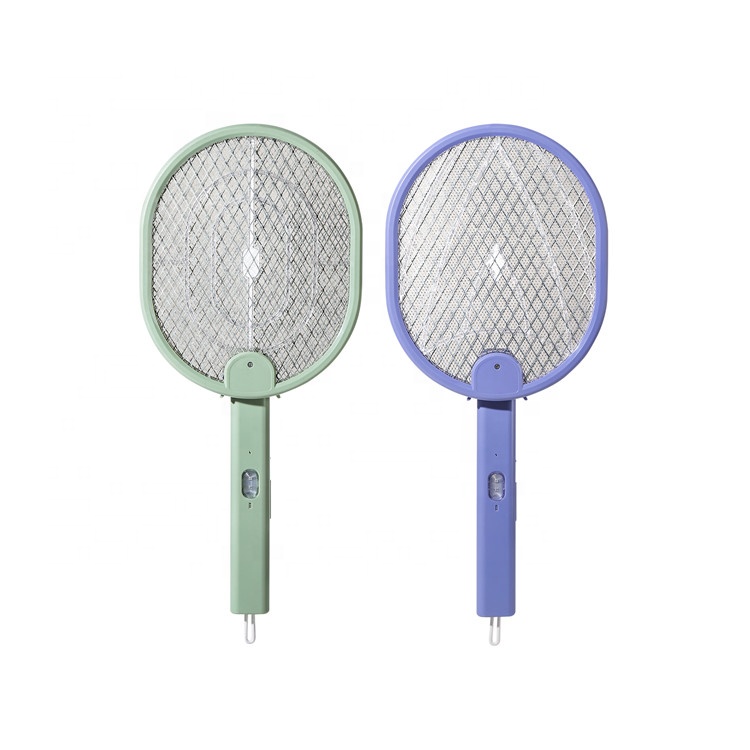
When insects come into contact with diatomaceous earth, the first step in the killing process is physical abrasion. The sharp edges of the diatomaceous earth particles scratch and cut through the waxy outer layer of the insect's exoskeleton, also known as the cuticle. This cuticle serves as a protective barrier for the insect, helping it to retain moisture and prevent the entry of pathogens. Once this barrier is compromised, the insect's body begins to lose water rapidly.
Dehydration
After the exoskeleton is damaged, dehydration sets in. Insects rely on their intact exoskeleton to maintain proper hydration. With the cuticle breached, the internal fluids of the insect start to evaporate. As the insect loses more and more water, its cells begin to dry out, leading to organ failure. Eventually, the insect dies from dehydration, typically within 48 hours of coming into contact with diatomaceous earth.
Effectiveness Against Different Insects
Diatomaceous earth is highly effective against crawling insects such as ants, cockroaches, bed bugs, and fleas. Since these insects have direct contact with the ground or surfaces where the powder is applied, they easily pick up the diatomaceous earth particles on their bodies. The constant movement of their legs and bodies ensures that the abrasive particles come into contact with their exoskeletons, initiating the killing process.
Flying Insects
While diatomaceous earth is less effective against flying insects in mid - flight, it can still be useful. When flying insects land on surfaces treated with diatomaceous earth, they can become coated with the powder. If they groom themselves or come into contact with their wings or other body parts covered in the powder, the physical abrasion and dehydration process can still occur, leading to their demise.
Advantages Compared to Chemical Insecticides
Safety
One of the biggest advantages of diatomaceous earth is its safety. Unlike chemical insecticides that can be harmful to humans, pets, and beneficial insects, diatomaceous earth is non - toxic when used as directed. It is safe to use around children and pets, making it an ideal choice for households.
Environmentally Friendly
Diatomaceous earth is a natural substance that does not contaminate the soil, water, or air. It breaks down over time and does not leave behind harmful residues, which is beneficial for the environment and helps to maintain a healthy ecosystem.
Comparison with Mosquito Killers: Mosquito Zappers and Mosquito Rackets
Working Principles
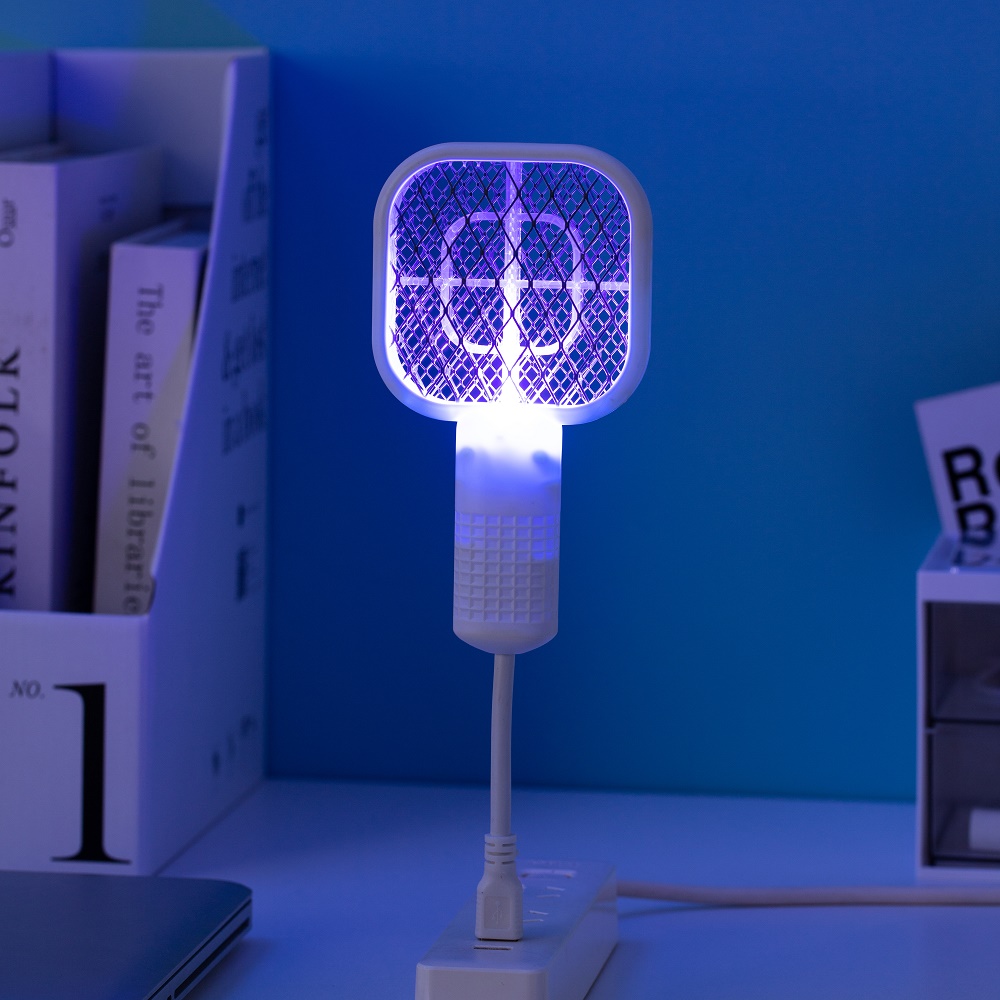
Mosquito zappers operate by emitting UV light to attract mosquitoes. Once the mosquitoes are lured close, they are electrocuted upon touching the electrified grid. Mosquito rackets, on the other hand, also use electricity. When a user swings the racket at a mosquito, the mesh wires deliver an electric shock that kills the insect on contact. In contrast, diatomaceous earth kills insects through a physical and dehydrating process, without relying on electricity.
Applicable Scenarios
Mosquito zappers are often suitable for large outdoor areas or indoor spaces where mosquitoes are a persistent problem, such as basements or garages. They can continuously reduce the mosquito population in a fixed area. Mosquito rackets are more of a manual, on - demand solution, ideal for quickly dealing with individual mosquitoes that are within reach. Diatomaceous earth, however, can be applied in a wide range of places, including areas where insects hide, like cracks in walls, under furniture, and in gardens. It is effective for both crawling and flying insects that come into contact with the treated surfaces.
Safety and Environmental Impact
Mosquito zappers may pose a risk of electric shock if not properly installed or if children or pets come into close contact with them. They can also accidentally kill beneficial insects that are attracted to the UV light. Mosquito rackets require careful handling to avoid accidental electric shock during use. Diatomaceous earth, as a natural product, is free from electrical risks. It is non - toxic to humans and pets, and its use does not harm the environment or disrupt the ecosystem balance, making it a more sustainable choice for long - term pest control.
In conclusion, diatomaceous earth kills insects through a physical process of abrasion and dehydration. Its unique composition and structure make it an effective, safe, and environmentally - friendly option for pest control. When compared with mosquito zappers and mosquito rackets, diatomaceous earth offers a different approach with its own set of advantages. Whether you're dealing with a crawling insect infestation at home or looking for a natural way to protect your garden from pests, understanding how diatomaceous earth works and how it compares to other pest control methods can help you make the most of this remarkable natural substance.
How do I mosquito proof my yard
What is the most effective fly killer
Related Article

If you’re struggling with annoying mosquitoes, flies, and other flying pests indoors and outdoors, upgrading from traditional manual tools to anElectric Mosquito Swatter is the most efficient solution. Many homeowners and renters search where to buy fly swatter online to find durable, safe, and high-performance electric models that deliver instant pest control.
Where to Buy Fly Swatter
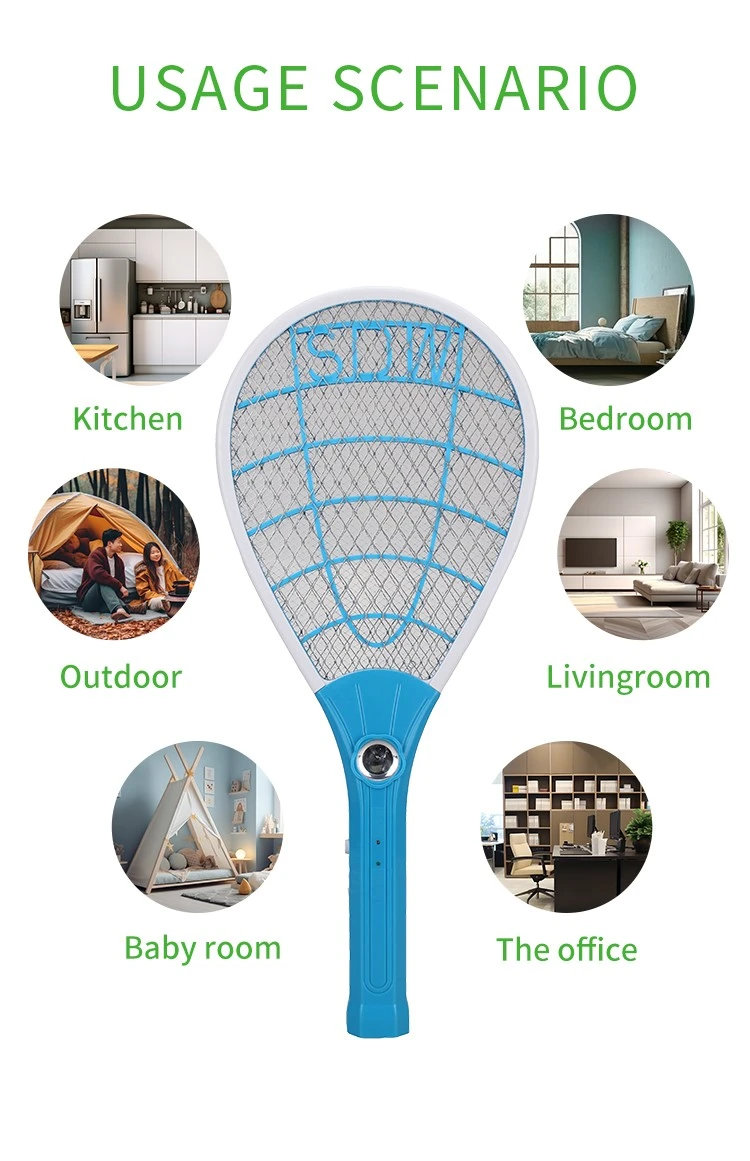
Most importers of electric mosquito swatters obsess over the first order: samples requested, factories vetted, a pre-shipment inspection booked. Then the reorder arrives eight months later and something is off. The grid feels softer. The charge port is a slightly different shade of black. The carton thickness dropped from 350 gsm to 300 gsm. Nothing is catastrophic — but the product no longer matches what your retail customers approved, and quietly, your return rate starts climbing.
How to Keep Mosquito Swatter Quality Consistent Across Repeat Orders
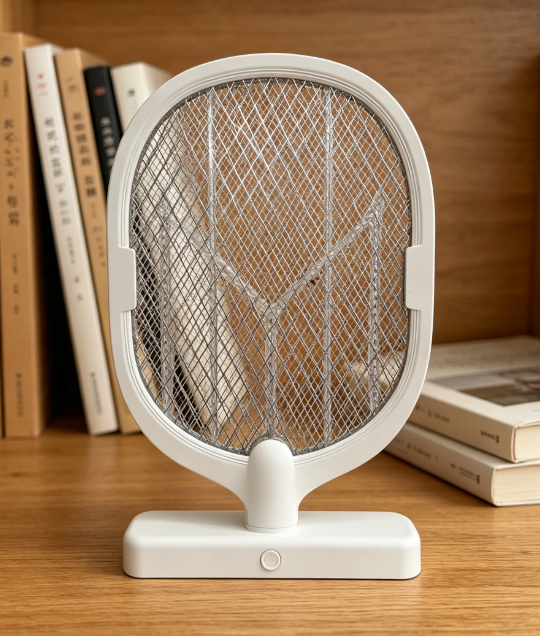
Warranty returns are the silent margin killer in the mosquito control category. A distributor who buys a swatter at $1.80 FOB and retails it at $9.90 can absorb a 1% return rate without noticing — but at 5%, the combined cost of replacement units, reverse logistics, and refund processing erases most of the line's profit.
Common mosquito swatter killer lamp failure modes wholesale spec guide

Digital bathroom scales rank as the second-highest-volume consumer weighing product category, only behind kitchen scales, with distinct market and product characteristics that set them apart from other scale types in importers’ product portfolios.
Digital bathroom body fat-bia-scale wholesale buyers guide