
How Does Small Fan Noise Affect User Experience
2025-08-26
In hot weather, small fans have become a popular choice for people to cool down, thanks to their portability and energy efficiency. Whether you're working in an office, resting at home, or going out, you can always see small fans in use. However, the noise level of small fans is often overlooked. In fact, its impact on the user experience is far greater than we imagine — from disrupting concentration to ruining the relaxing atmosphere, and even affecting social interactions. Noise acts like an "invisible disruptor" that directly determines whether a small fan can truly serve as a "comfort aid".
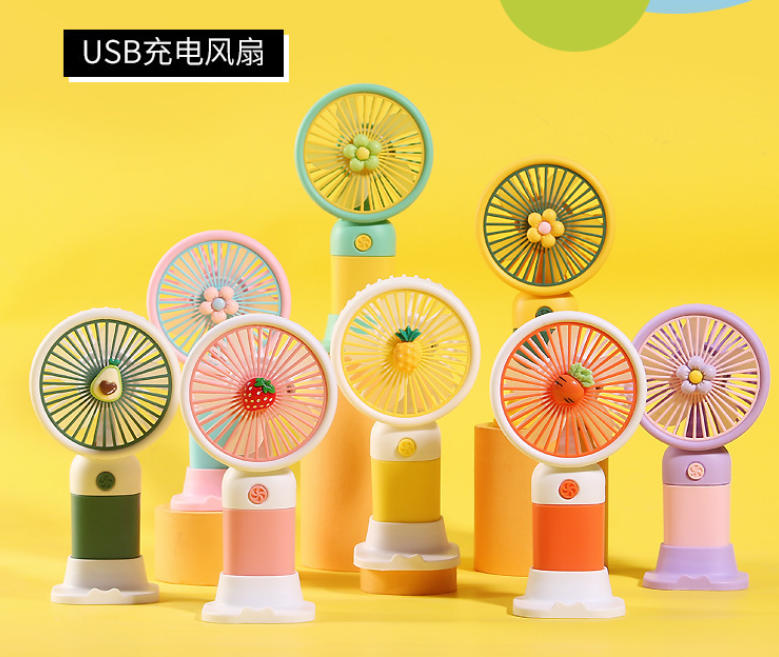
I. Specific Impacts of Noise on User Experience in Different Scenarios
Small fans are used in a variety of scenarios, and the negative impacts of noise vary in different situations. But in all cases, noise directly reduces comfort, and may even turn a "cooling tool" into a "source of trouble".
1.1 Office and Study Scenarios: Disrupting Concentration and Reducing Efficiency
When using a small fan in an office or study, excessive noise can seriously disrupt concentration. For example, when you're focused on writing an important report or tackling a complex problem, the continuous "hum" will constantly interrupt your train of thought, making it difficult for you to enter a state of deep concentration. Studies have shown that if there is continuous noise exceeding 35 decibels in the environment, the duration of people's concentration will be reduced by more than 40%. This means that a task that would normally take an hour to complete may take an extra half an hour or even longer due to frequent noise interference, greatly reducing work and study efficiency. More importantly, prolonged exposure to such a noisy environment can easily trigger feelings of irritability and anxiety, further affecting the clarity of thinking and judgment.
1.2 Home Rest Scenarios: Affecting Sleep Quality and Ruining Relaxing Atmosphere
When resting at home, small fans often accompany us to sleep or help us relax, and at this time, the impact of noise is even more significant. The human body becomes more sensitive to noise during sleep. Even a slight noise of 25-30 decibels may make light sleepers unable to fall asleep, or cause them to frequently enter a light sleep state during the night. As a result, they still feel tired and listless when they wake up the next day. In addition, when you're watching TV, reading, or practicing meditation to relax, excessive noise will break the original quiet atmosphere. For instance, if you're immersed in a novel, the "roar" of the small fan will constantly pull you back to reality, greatly reducing the relaxing effect and even producing the opposite result.
1.3 Outdoor Scenarios: Affecting Communication and Causing Discomfort
In outdoor scenarios such as camping, picnics, queuing, or commuting, people use small fans to relieve the heat, but noise may bring new troubles. The outdoor environment is relatively open, so the noise of small fans is more likely to be amplified. If the noise exceeds 40 decibels, it will directly affect communication between people. For example, when you're chatting with friends during a picnic, you need to raise your voice to drown out the fan noise. This not only requires more effort but also reduces the pleasure of communication. Moreover, during commuting (such as on subways or buses), excessive fan noise may cause discomfort to those around you and even lead to embarrassment. Thus, the small fan that was originally used for "comfort" may instead become a "trouble-maker".
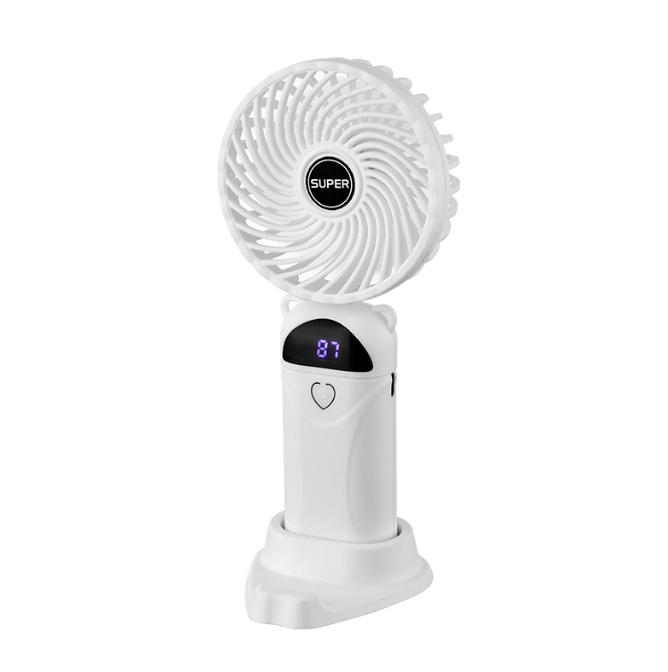
II. Quantitative Reference for Noise Impact: How to Judge if a Small Fan's Noise is "Excessive"
Many people have no intuitive understanding of "noise level" when choosing a small fan. In fact, we can judge whether noise will affect the user experience through decibel values and actual feelings. The specific standards are as follows:
2.1 User Experience Corresponding to Decibel Values
- 20-25 decibels: Similar to a quiet environment (such as a bedroom at midnight). The noise is almost inaudible, making it suitable for scenarios requiring high quietness like sleep and study, with an excellent user experience.
- 25-35 decibels: Similar to the sound of someone speaking softly. The noise is very faint and can only be detected in a completely quiet environment. It has little impact on daily rest and work, and belongs to the "comfortable noise range".
- 35-45 decibels: Equivalent to the sound of normal indoor conversation. The noise is obvious and will disrupt concentration. If used continuously, it is easy to cause irritability, so it is not suitable for long-term use in study or office scenarios.
- Above 45 decibels: Similar to the noise of a small vacuum cleaner. The noise is relatively loud and will cause discomfort even outdoors. It not only affects communication but may also disturb others, resulting in a very poor user experience.
2.2 "Noise Traps" in Product Parameters
It should be noted that some merchants mark "low noise" in product parameters, but the actual noise during use is much higher than expected. This is because merchants may only mark the "noise level at the lowest gear" instead of the commonly used gears (such as medium and high gears). Therefore, when making a purchase, you should not only pay attention to the parameters but also check the "actual noise feedback" in user reviews to avoid falling into traps.
III. Practical Methods to Reduce the Impact of Small Fan Noise: Optimization from Selection to Use
Since noise has a significant impact on the user experience, we can take some measures to reduce the impact of noise and improve comfort when selecting and using small fans:
3.1 Selection Stage: Prioritize Products with "Quiet Design"
When purchasing a small fan, you can focus on the following points to reduce noise from the source:
- Check if the product is marked with "quiet motor" or "shock absorption design" (such as anti-slip shock-absorbing pads added to the fan base, or fan blades adopting a streamlined quiet design).
- Prioritize products with adjustable gears, especially models with a "sleep mode" or "quiet mode". The rotation speed of these gears is relatively low, and the noise can usually be controlled within 30 decibels.
- Avoid choosing overly cheap products. Low-priced small fans often cut corners in motor quality and structural design, leading to more prominent noise problems.
3.2 Usage Stage: Reduce Noise Through Detailed Adjustments
If you have already purchased a small fan with slightly excessive noise, you can reduce its impact through the following methods:
- Place the fan on a stable and hard surface (such as a tabletop) and avoid placing it on soft objects (such as bedding or sofas) to reduce additional noise caused by fan vibration.
- Adjust the gear according to the scenario: use the lowest gear during sleep or study, as only a slight airflow is needed; use the high gear when it's hot outdoors to balance "cooling needs" and "noise impact".
- Clean the fan regularly: dust accumulated on the fan blades will cause uneven force during rotation, increasing noise. Cleaning the fan blades with a soft cloth once a month can effectively reduce noise.
IV. Conclusion: Noise is a Key Indicator of Small Fan "User Experience"
In summary, the noise level of a small fan is not an "insignificant detail" but a core factor that directly determines the user experience — it can turn a small fan from a "cooling artifact" into a "disturbance source", or enable it to truly play the role of a "comfort aid" in different scenarios. Whether in office and study, home rest, or outdoor scenarios, only by choosing a small fan with noise controlled within a reasonable range (below 35 decibels) and combining it with correct usage methods can you enjoy the cool air without being troubled by noise, and truly improve the comfort of life in summer.
2025 Electric Mosquito Swatter Buying Guide
Do Mosquito Killer Lamps Make Noise
Related Article

If you’re struggling with annoying mosquitoes, flies, and other flying pests indoors and outdoors, upgrading from traditional manual tools to anElectric Mosquito Swatter is the most efficient solution. Many homeowners and renters search where to buy fly swatter online to find durable, safe, and high-performance electric models that deliver instant pest control.
Where to Buy Fly Swatter
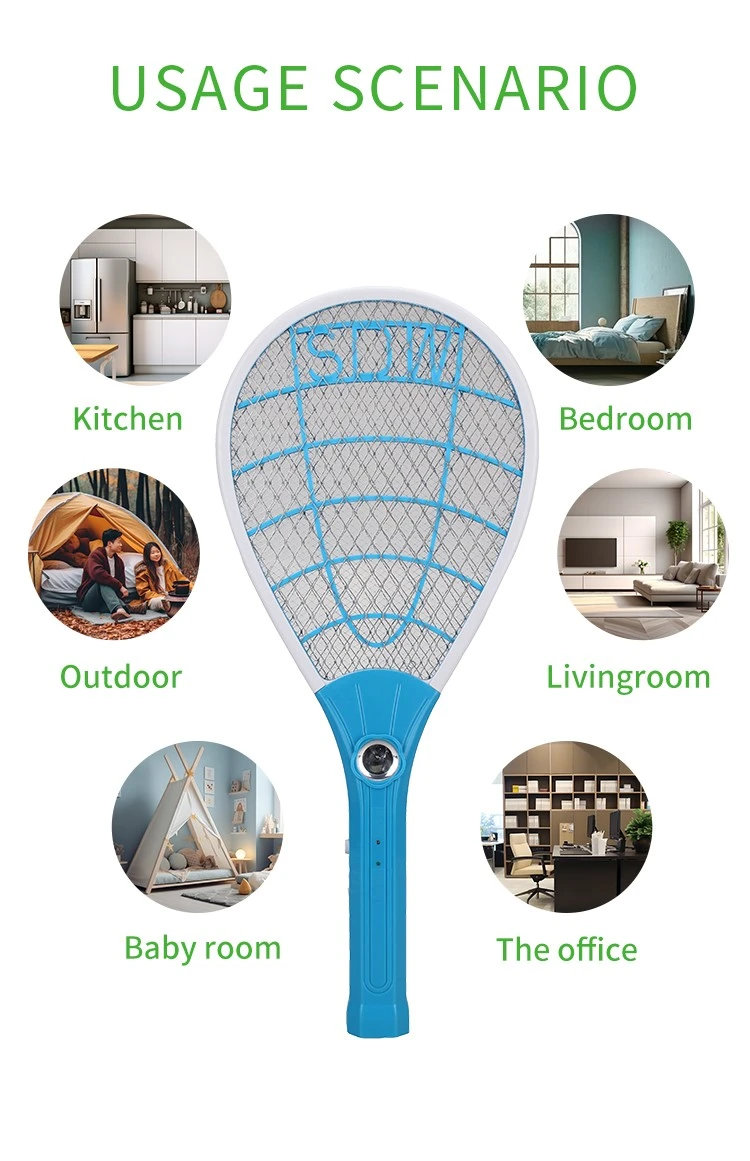
Most importers of electric mosquito swatters obsess over the first order: samples requested, factories vetted, a pre-shipment inspection booked. Then the reorder arrives eight months later and something is off. The grid feels softer. The charge port is a slightly different shade of black. The carton thickness dropped from 350 gsm to 300 gsm. Nothing is catastrophic — but the product no longer matches what your retail customers approved, and quietly, your return rate starts climbing.
How to Keep Mosquito Swatter Quality Consistent Across Repeat Orders
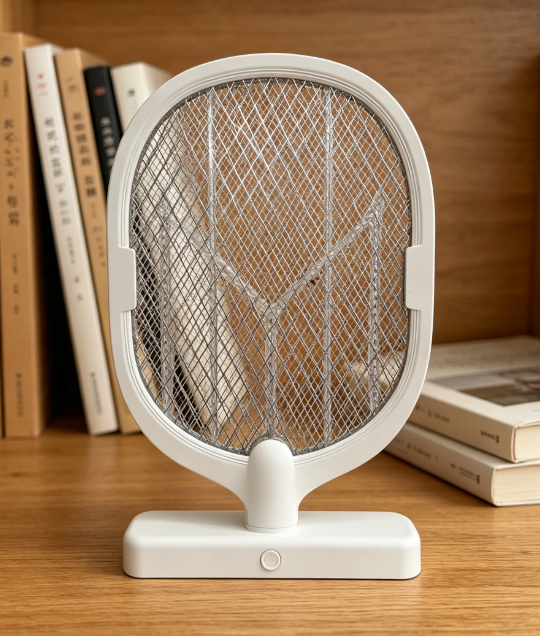
Warranty returns are the silent margin killer in the mosquito control category. A distributor who buys a swatter at $1.80 FOB and retails it at $9.90 can absorb a 1% return rate without noticing — but at 5%, the combined cost of replacement units, reverse logistics, and refund processing erases most of the line's profit.
Common mosquito swatter killer lamp failure modes wholesale spec guide

Digital bathroom scales rank as the second-highest-volume consumer weighing product category, only behind kitchen scales, with distinct market and product characteristics that set them apart from other scale types in importers’ product portfolios.
Digital bathroom body fat-bia-scale wholesale buyers guide