
How does the LED insect trap protect our planet
2025-12-22
Nowadays, more and more people care about reducing our impact on the environment—even the way we deal with pests is getting a green upgrade. LED insect light traps have become a eco-friendly choice instead of old-fashioned pest control tools, bringing many environmental benefits that fit with what we need to protect the planet. Let’s take a look at how these smart devices help make the Earth healthier, in simple terms.
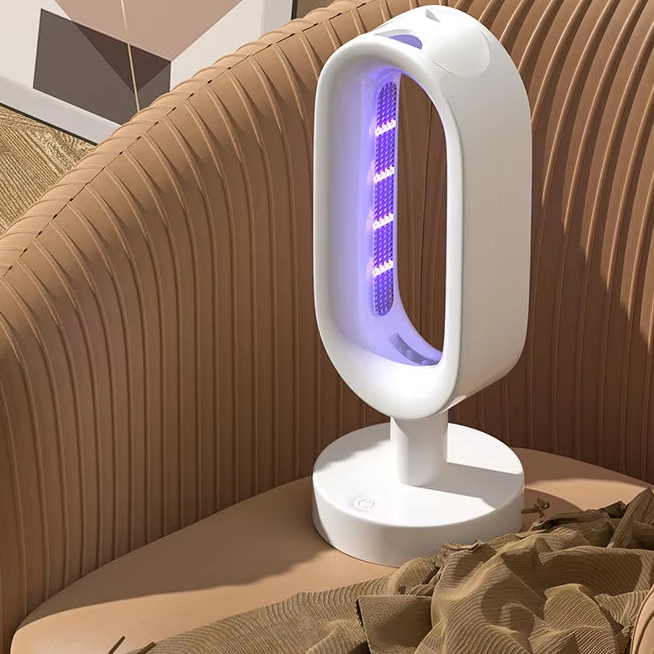
1. Super Energy-Saving, Less Climate-Warming Gas
One of the biggest environmental perks of LED insect traps is that they use way less electricity. Compared to old incandescent or fluorescent traps, LEDs save up to 80% of energy. For example, a regular LED trap only uses 5-10 watts of electricity, while a fluorescent one might need 25-40 watts to work. When we use less electricity, power plants don’t have to burn as much coal or oil—so they produce less carbon emissions, the gas that makes the planet warmer. If lots of people start using LED traps, it can really help slow down climate change over time.
2. No Toxic Chemicals, No Pollution
Old pest control often uses chemical insecticides and pesticides, which are really bad for the environment. These chemicals seep into the soil and flow into rivers, messing up ecosystems, killing helpful creatures, and breaking food chains. LED insect traps work in a simple physical way: they attract bugs with specific colored light and catch them—no toxic stuff at all. This method without chemicals stops pesticide runoff from polluting the environment, keeps groundwater clean, and protects soil health, so nature can stay balanced and strong.
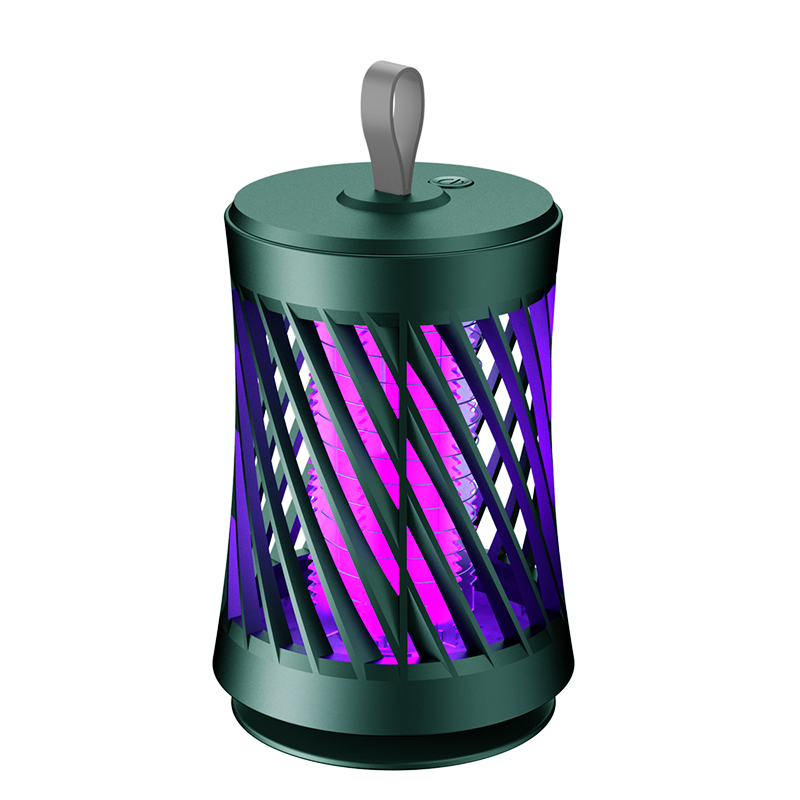
3. Targets Only Pests, Protects Useful Bugs
Unlike pesticides that kill all kinds of bugs (both pests and helpful ones like bees, butterflies, and ladybugs), LED traps only go after the pests we don’t want. LED lights can be set to specific colors that mainly attract annoying or harmful insects—like mosquitoes, fruit flies, and moths—while bees and butterflies don’t even notice them. By keeping helpful insect populations safe, LED traps let all kinds of creatures thrive together. This is super important because bees help plants grow, ladybugs eat pests, and every small creature plays a part in keeping nature balanced.
4. Lasts a Long Time, Less Trash from Old Devices
LEDs have an amazing lifespan—they usually work for 50,000 to 100,000 hours. That’s way longer than incandescent bulbs (which only last 1,000 to 10,000 hours) or fluorescent tubes (8,000 to 15,000 hours). So LED insect traps don’t need bulb replacements very often, which means way less electronic waste. Electronic waste—stuff like old bulbs and broken devices—is a growing problem because many of these things have harmful materials that leak into landfills. By needing fewer replacements, LED traps cut down on this trash, easing the burden on waste management and keeping the environment cleaner.
5. Barely Any Heat, Won’t Disturb Nature
Old light traps give off a lot of heat. This can change the temperature of small surrounding areas, hurt nearby plants, or even start small fires in dry places. LEDs emit almost no heat, making them safe for the environment around them. This low-heat design means plants won’t get “roasted” by the trap, and animals won’t be bothered by unexpected warmth—so pest control doesn’t accidentally mess up the natural world.
Conclusion
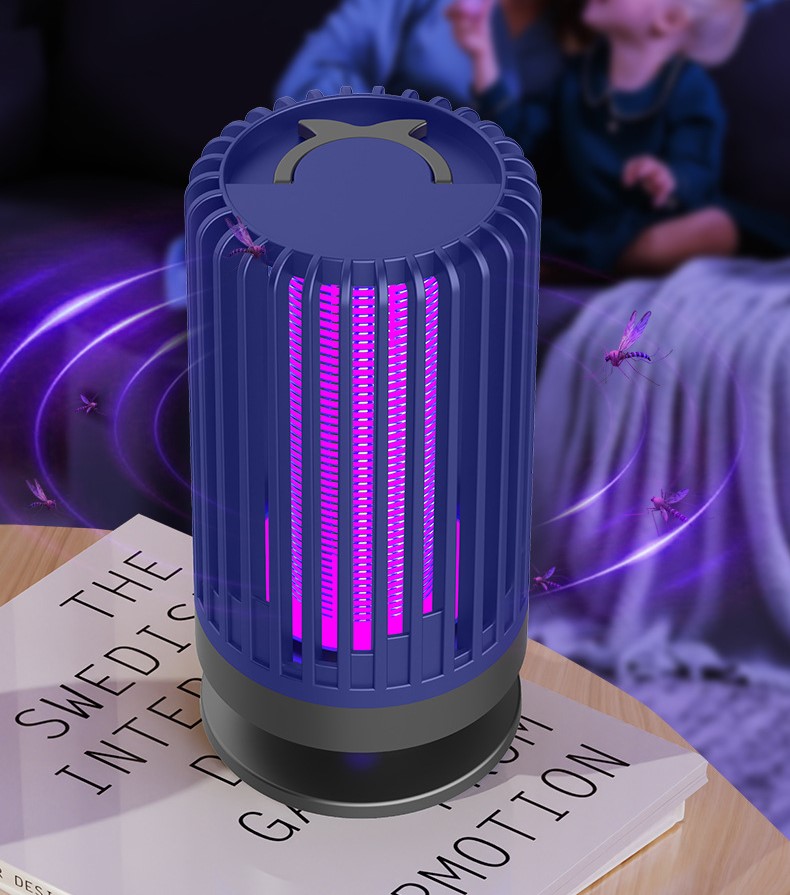
LED insect light traps aren’t just good at catching pests—they’re a great example of how smart ideas can work well while being kind to the environment. By using less energy, avoiding chemical pollution, protecting helpful bugs, cutting down on electronic trash, and not disturbing nature, these devices offer a simple and effective way to control pests sustainably. Whether you use them at home, on a farm, in a restaurant, or in public spaces, LED insect traps show that we can solve everyday problems without hurting the planet. As we work toward a more eco-friendly future, choosing products like LED traps is a small but powerful step to protect our environment for future generations.
If you want to know more about specific LED trap models, how to use them in different places, or how to add them to your eco-friendly habits, feel free to share your questions or needs—I’m here to help!
Core Difference Analysis Between PP Material and AB Material
How to Properly Maintain and Clean a Bug Zapper to Ensure Its Safety
Related Article

If you’re struggling with annoying mosquitoes, flies, and other flying pests indoors and outdoors, upgrading from traditional manual tools to anElectric Mosquito Swatter is the most efficient solution. Many homeowners and renters search where to buy fly swatter online to find durable, safe, and high-performance electric models that deliver instant pest control.
Where to Buy Fly Swatter
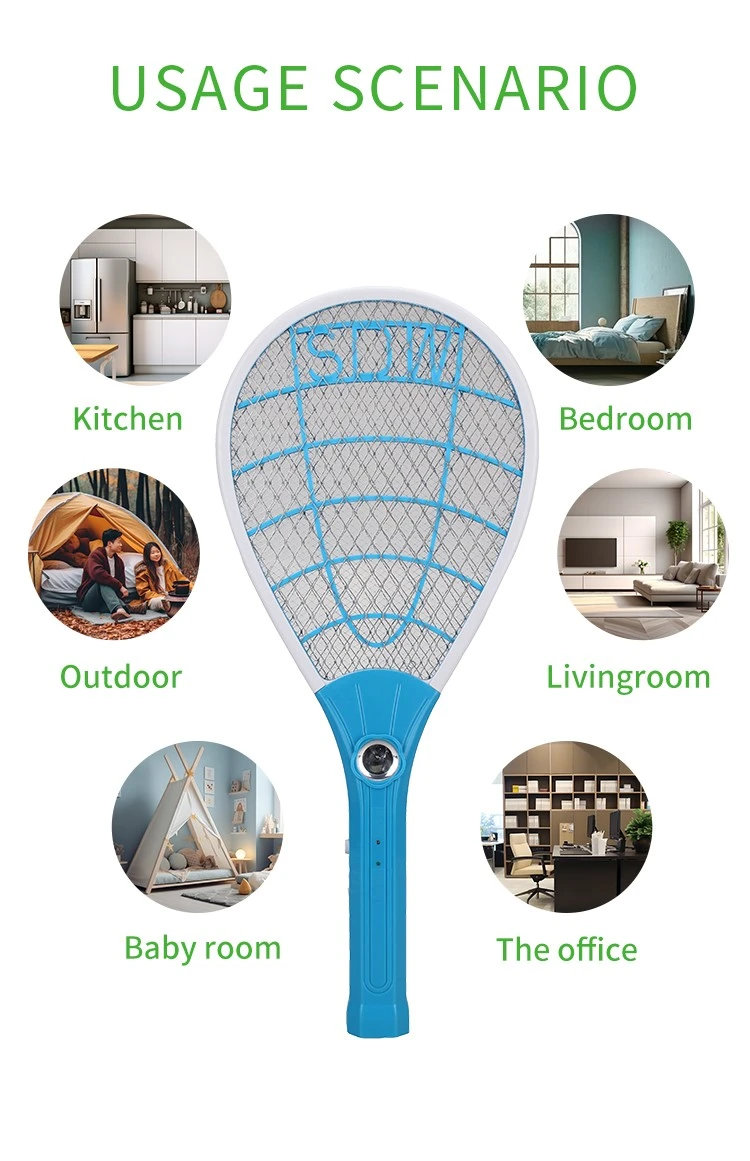
Most importers of electric mosquito swatters obsess over the first order: samples requested, factories vetted, a pre-shipment inspection booked. Then the reorder arrives eight months later and something is off. The grid feels softer. The charge port is a slightly different shade of black. The carton thickness dropped from 350 gsm to 300 gsm. Nothing is catastrophic — but the product no longer matches what your retail customers approved, and quietly, your return rate starts climbing.
How to Keep Mosquito Swatter Quality Consistent Across Repeat Orders
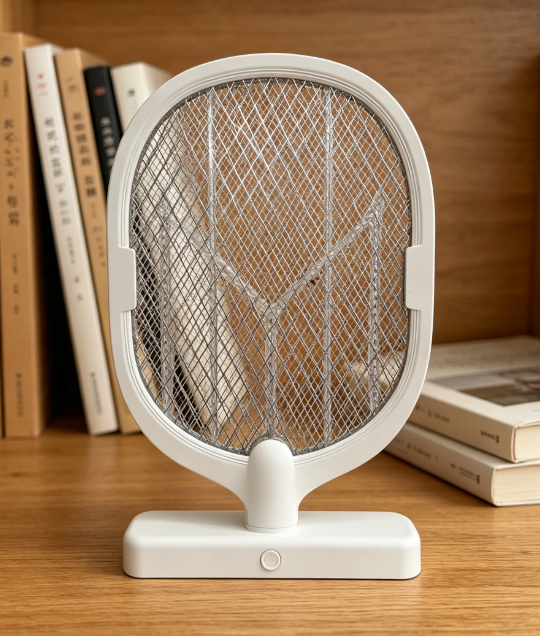
Warranty returns are the silent margin killer in the mosquito control category. A distributor who buys a swatter at $1.80 FOB and retails it at $9.90 can absorb a 1% return rate without noticing — but at 5%, the combined cost of replacement units, reverse logistics, and refund processing erases most of the line's profit.
Common mosquito swatter killer lamp failure modes wholesale spec guide

Digital bathroom scales rank as the second-highest-volume consumer weighing product category, only behind kitchen scales, with distinct market and product characteristics that set them apart from other scale types in importers’ product portfolios.
Digital bathroom body fat-bia-scale wholesale buyers guide