
How Electric Mosquito Swatters Protect Your Family from Mosquito-Borne Diseases
2026-04-03
How Electric Mosquito Swatters Protect Your Family from Mosquito-Borne Diseases
As summer approaches and temperatures rise, mosquitoes become more than just a nuisance—they are carriers of dangerous diseases that threaten your family’s health. From dengue and malaria to Zika virus and West Nile fever, these tiny pests can transmit life-threatening infections with a single bite. While there are many mosquito control methods available, electric mosquito swatters stand out as a safe, effective, and eco-friendly solution to keep your home protected. In this blog, we’ll explore how electric mosquito swatters work and why they are a crucial tool for safeguarding your loved ones from mosquito-borne diseases.
The Hidden Danger of Mosquito-Borne Diseases
Mosquitoes are more than just annoying insects that leave itchy bites. According to the World Health Organization (WHO), mosquito-borne diseases cause over 720,000 deaths worldwide each year, with malaria, dengue, and chikungunya being among the most prevalent threats. These diseases can affect people of all ages, but children, the elderly, and those with weakened immune systems are particularly vulnerable.
Different mosquito species carry different pathogens: Anopheles mosquitoes transmit malaria, Aedes mosquitoes (often called tiger mosquitoes) spread dengue, Zika, and chikungunya, while Culex mosquitoes are responsible for West Nile fever. The risk of infection isn’t limited to tropical regions—climate change and global travel have made these diseases increasingly common in temperate areas too, making mosquito control a global concern.
How Electric Mosquito Swatters Work: Simple Science, Powerful Protection
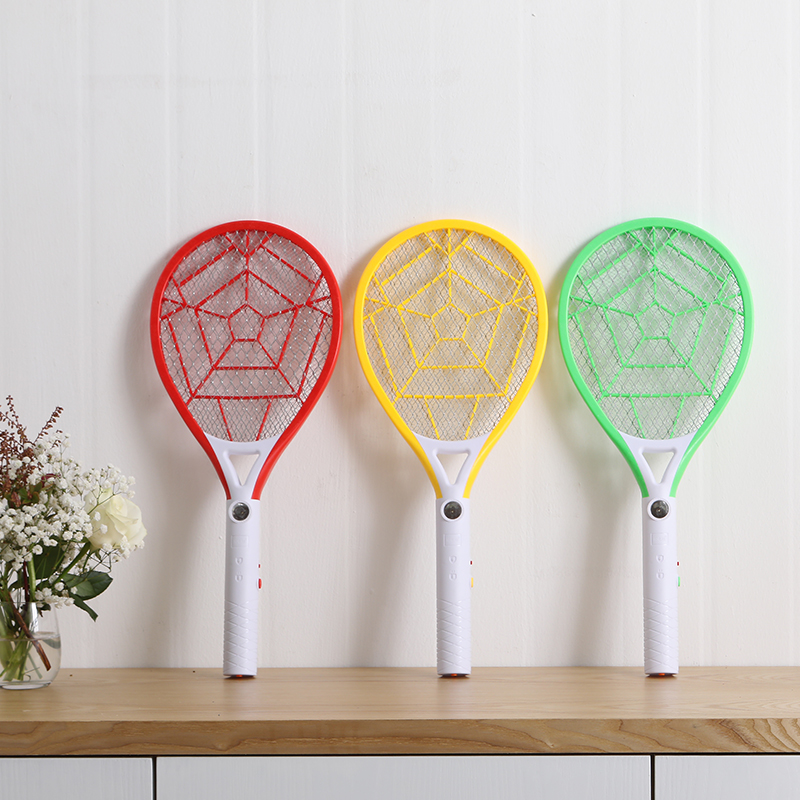
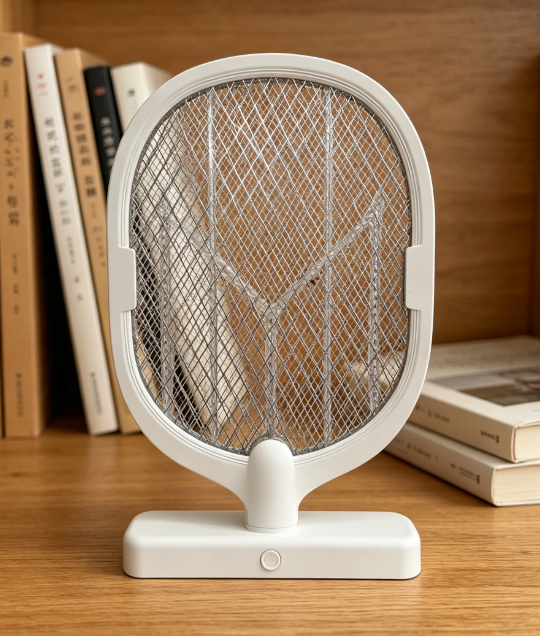
Electric mosquito swatters may look like ordinary tennis rackets, but they rely on clever engineering to eliminate mosquitoes quickly and safely. At their core, they consist of three key components: a power source (rechargeable or disposable batteries), a high-voltage generator, and a metal mesh grid.
Here’s the science behind their operation: The battery supplies low-voltage direct current (usually 3V), which the high-voltage generator converts into high-voltage alternating current—typically between 1,000V and 3,000V. When a mosquito comes into contact with the metal mesh, the high voltage passes through its body, causing instant neural paralysis and cardiac arrest, killing it within 0.3 to 0.8 seconds. Importantly, the current used is extremely low (0.05-0.15mA), well below the threshold that would harm humans or pets, making electric swatters safe for household use.
3 Key Ways Electric Mosquito Swatters Protect Your Family
1. Instant, Targeted Elimination of Disease-Carrying Mosquitoes
Unlike chemical sprays or sticky traps that take time to work, electric mosquito swatters kill mosquitoes on contact. This immediate action is critical because it stops infected mosquitoes from biting and transmitting diseases before they have a chance. Tests show that electric swatters have a high kill rate—up to 92.3% for Aedes mosquitoes, the primary carriers of dengue and Zika. Their handheld design also allows you to target mosquitoes in hard-to-reach areas, such as near windows, doorways, or outdoor seating, where mosquitoes often gather.
2. Chemical-Free Protection for Safe Indoor Use
Many traditional mosquito control methods, such as insect sprays or coils, contain harmful chemicals that can irritate the eyes, lungs, and skin—especially for young children and pets. Electric mosquito swatters use no chemicals, making them a safe choice for indoor use. They leave no residue, produce no fumes, and don’t contribute to air or water pollution. In fact, their carbon footprint is nearly half that of electric mosquito coils, making them an eco-friendly option too.
3. Prevents Mosquito Breeding and Reduces Disease Risk Long-Term
By killing adult mosquitoes, electric swatters help break the mosquito life cycle. Female mosquitoes lay hundreds of eggs at a time, so eliminating even a few adults can significantly reduce the number of mosquitoes in your home over time. This long-term reduction in mosquito populations lowers the overall risk of mosquito-borne disease transmission. For example, a study in a Chinese community found that increasing electric swatter usage by 10% led to a 3.2-fold decrease in dengue cases.
Tips for Using Electric Mosquito Swatters Safely and Effectively
To get the most out of your electric mosquito swatter and ensure safety, follow these simple tips:
-
Always use dry hands when operating the swatter—wet hands can increase the risk of electric shock, as moisture reduces skin resistance.
-
Never use the swatter near flammable substances like insect sprays or花露水 (perfumed water), as the electric spark can cause fires or explosions.
-
Check the swatter regularly for damage, such as torn mesh or broken insulation. Damaged swatters should be replaced immediately to avoid safety hazards.
-
Store the swatter out of reach of children and pets to prevent accidental contact with the grid.
-
For best results, use the swatter during peak mosquito activity times—dusk and dawn—and in areas with standing water (a common breeding ground for mosquitoes).
Final Thoughts: A Simple Tool for Powerful Protection
Mosquito-borne diseases are a serious threat to family health, but protecting your loved ones doesn’t have to be complicated or harmful. Electric mosquito swatters offer a simple, safe, and effective way to eliminate disease-carrying mosquitoes, reduce breeding, and create a safer home environment. Unlike chemical methods, they are gentle on your family and the planet, making them a must-have for every household.
This summer, don’t let mosquitoes ruin your time with loved ones—or put their health at risk. Invest in an electric mosquito swatter, follow safe usage tips, and enjoy a mosquito-free home that’s protected from the hidden dangers of mosquito-borne diseases.
Complete Guide to Mosquito and Insect Prevention for Qingming Travel
Buying Guide for Mother-Baby-Friendly Mosquito Killer Lamps
Related Article

If you’re struggling with annoying mosquitoes, flies, and other flying pests indoors and outdoors, upgrading from traditional manual tools to anElectric Mosquito Swatter is the most efficient solution. Many homeowners and renters search where to buy fly swatter online to find durable, safe, and high-performance electric models that deliver instant pest control.
Where to Buy Fly Swatter
Most importers of electric mosquito swatters obsess over the first order: samples requested, factories vetted, a pre-shipment inspection booked. Then the reorder arrives eight months later and something is off. The grid feels softer. The charge port is a slightly different shade of black. The carton thickness dropped from 350 gsm to 300 gsm. Nothing is catastrophic — but the product no longer matches what your retail customers approved, and quietly, your return rate starts climbing.
How to Keep Mosquito Swatter Quality Consistent Across Repeat Orders
Warranty returns are the silent margin killer in the mosquito control category. A distributor who buys a swatter at $1.80 FOB and retails it at $9.90 can absorb a 1% return rate without noticing — but at 5%, the combined cost of replacement units, reverse logistics, and refund processing erases most of the line's profit.
Common mosquito swatter killer lamp failure modes wholesale spec guide

Digital bathroom scales rank as the second-highest-volume consumer weighing product category, only behind kitchen scales, with distinct market and product characteristics that set them apart from other scale types in importers’ product portfolios.
Digital bathroom body fat-bia-scale wholesale buyers guide