
How LED Insect Light Traps Boost Environmental Sustainability
2025-10-08
How LED Insect Light Traps Boost Environmental Sustainability
In a world where environmental conservation has become a global priority, every industry is seeking eco-friendly alternatives to reduce its carbon footprint. When it comes to pest control—an essential practice for agriculture, food safety, and public health—traditional methods like chemical pesticides and inefficient insect traps have long posed risks to ecosystems. Enter LED insect light traps: a modern solution that not only effectively manages insect populations but also aligns with sustainability goals. Let’s break down how these innovative tools contribute to a greener planet.
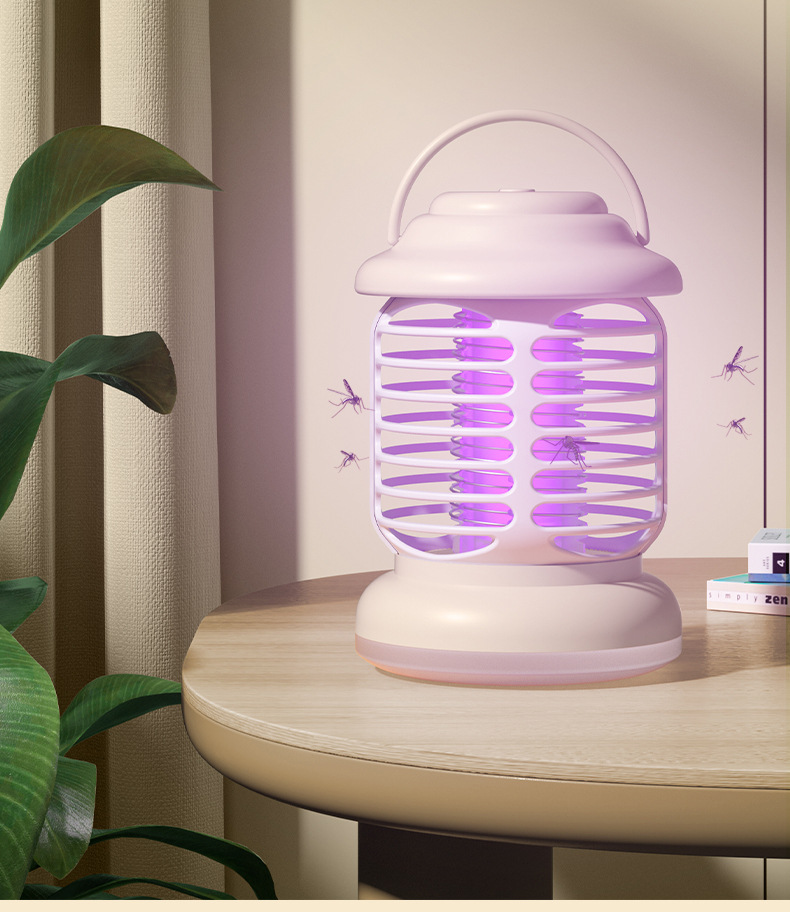
1. Slash Chemical Pesticide Use, Protect Ecosystems
Traditional insect control often relies on synthetic pesticides, which seep into soil, contaminate water sources, and harm non-target organisms—from beneficial pollinators like bees to aquatic life and even humans. LED insect light traps offer a chemical-free alternative by using light to attract and capture insects (typically via adhesive boards or non-toxic zappers).
By reducing dependence on pesticides, these traps prevent:
- Soil and water pollution: Pesticide runoff is a major cause of waterway eutrophication (algal blooms) and groundwater contamination, which disrupts aquatic ecosystems.
- Harm to beneficial insects: Bees, butterflies, and ladybugs—critical for pollination and natural pest control—are often collateral damage of broad-spectrum pesticides. LED traps can be calibrated to emit light wavelengths that target specific pest species (e.g., mosquitoes, flies) while sparing beneficial ones, preserving ecological balance.
2. Energy Efficiency: Lower Carbon Emissions and Utility Bills
LED technology is renowned for its energy efficiency, and this advantage shines in insect light traps. Compared to traditional options like incandescent, fluorescent, or mercury-vapor bulbs, LED bulbs use up to 80% less energy to produce the same (or brighter) light output.
What does this mean for sustainability?
- Reduced greenhouse gas emissions: Less energy use translates to lower demand for fossil fuel-based electricity, cutting carbon dioxide (CO₂) and other pollutant releases from power plants. For example, a commercial farm using 100 LED traps instead of traditional ones could save hundreds of kilowatt-hours annually—equivalent to reducing CO₂ emissions by dozens of pounds.
- Longer lifespan, fewer replacements: LED bulbs last 5–10 times longer than incandescent or fluorescent bulbs. This not only lowers the frequency of bulb replacements (reducing waste) but also decreases the energy and resources needed to manufacture, transport, and dispose of new bulbs.
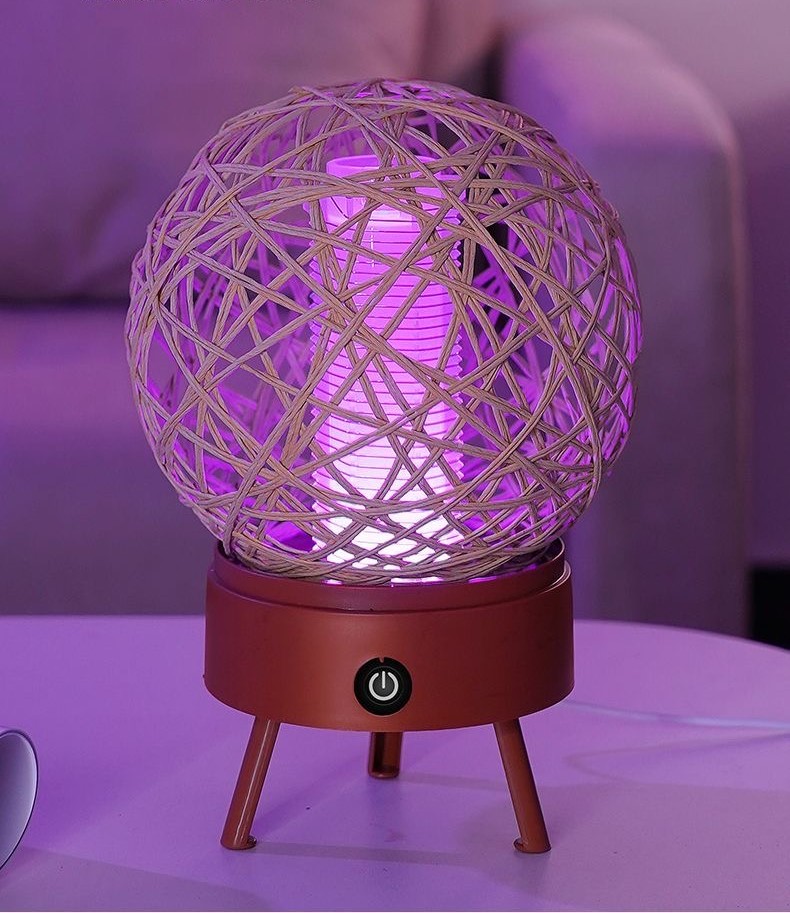
3. Minimize Waste with Durable, Recyclable Components
Sustainability isn’t just about energy—it’s about reducing waste throughout a product’s lifecycle. LED insect light traps excel here in two key ways:
First, their durable construction. Unlike flimsy traditional traps that break easily, LED models are often made with high-quality, shock-resistant materials (e.g., ABS plastic) that withstand harsh outdoor conditions (rain, heat, wind). This means fewer traps end up in landfills due to damage.
Second, recyclable parts. Many LED traps are designed with recyclability in mind: LED bulbs contain no toxic mercury (unlike fluorescent bulbs), and plastic components can be recycled if the trap reaches the end of its life. Some manufacturers even offer take-back programs for old traps, ensuring responsible disposal.
4. Support Biodiversity by Targeting Pests Precisely
One of the biggest environmental flaws of traditional pest control is its “blanket approach”—it kills both pests and beneficial organisms, disrupting food chains and reducing biodiversity. LED insect light traps solve this with species-specific attraction.
Insects have unique photoreceptors that respond to specific light wavelengths. For example, mosquitoes are most attracted to ultraviolet (UV) light in the 365–385 nm range, while bees and butterflies are more sensitive to visible light (400–700 nm). LED traps can be tuned to emit only the wavelengths that target pest species, minimizing accidental captures of beneficial insects. This precision helps maintain healthy populations of pollinators and natural predators, which are vital for ecosystem resilience.
5. Enhance Food System Sustainability for a Growing Population
As the global population grows, the demand for food increases—and so does the need for sustainable agriculture. LED insect light traps play a key role here by protecting crops without harming the environment.
In organic farming, for instance, chemical pesticides are strictly limited. LED traps provide a compliant, effective way to control pests like fruit flies, aphids, and moths, reducing crop loss and ensuring higher yields. By supporting organic and low-chemical farming practices, LED traps help create a more sustainable food system—one that uses fewer resources, produces less pollution, and provides healthier food for consumers.
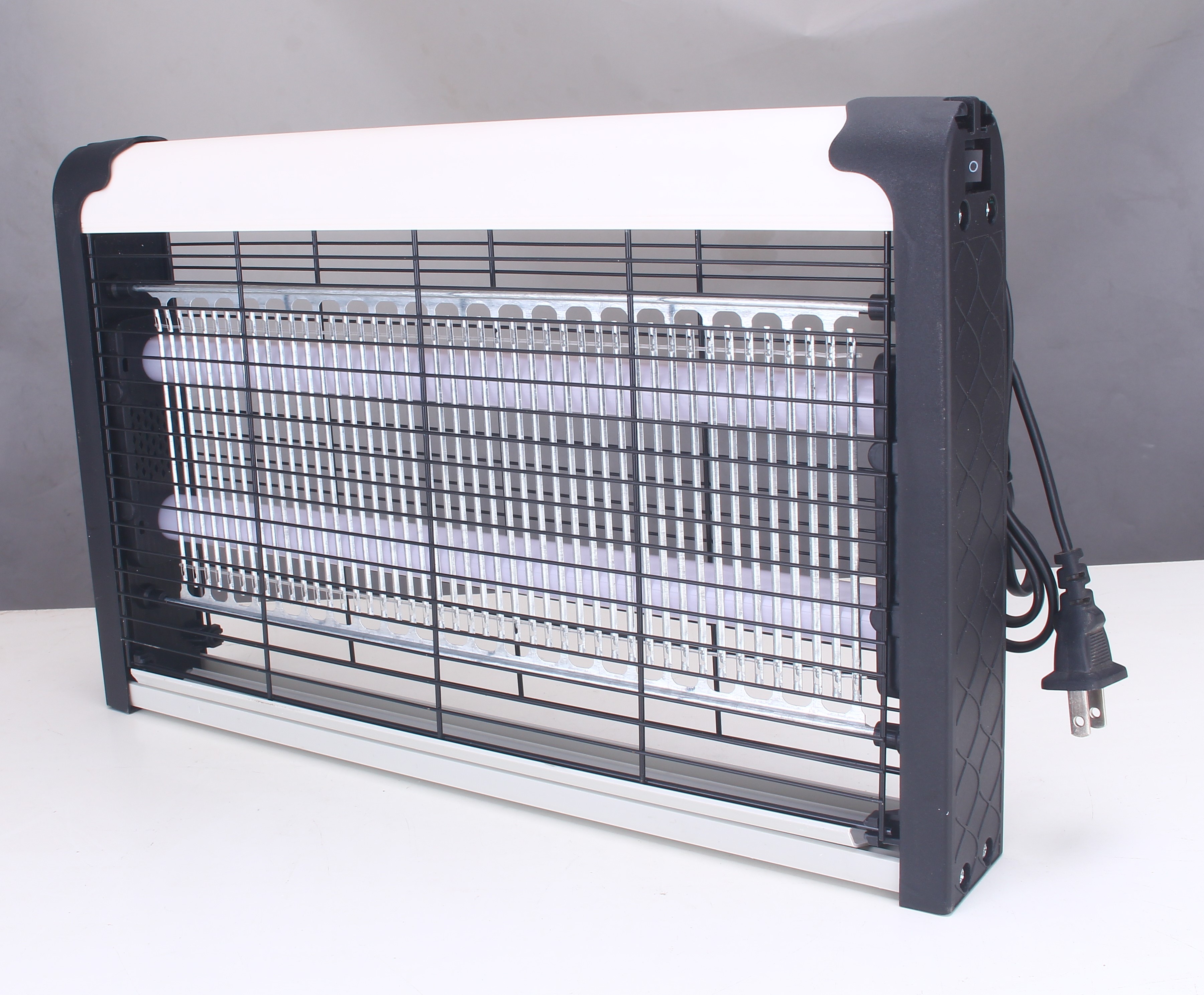
Conclusion: LED Traps—A Small Change with Big Environmental Impact
LED insect light traps may seem like a simple tool, but their contribution to environmental sustainability is significant. By cutting chemical use, saving energy, reducing waste, protecting biodiversity, and supporting sustainable agriculture, they address multiple environmental challenges at once.
As businesses, farmers, and homeowners increasingly adopt eco-friendly practices, LED insect light traps stand out as a practical, cost-effective choice that benefits both people and the planet. In the fight against climate change and ecosystem degradation, every small step counts—and switching to LED traps is a step in the right direction.
Autumn Mosquitoes Are Ferocious
Why Are Moths Attracted to Light
Related Article

If you’re struggling with annoying mosquitoes, flies, and other flying pests indoors and outdoors, upgrading from traditional manual tools to anElectric Mosquito Swatter is the most efficient solution. Many homeowners and renters search where to buy fly swatter online to find durable, safe, and high-performance electric models that deliver instant pest control.
Where to Buy Fly Swatter
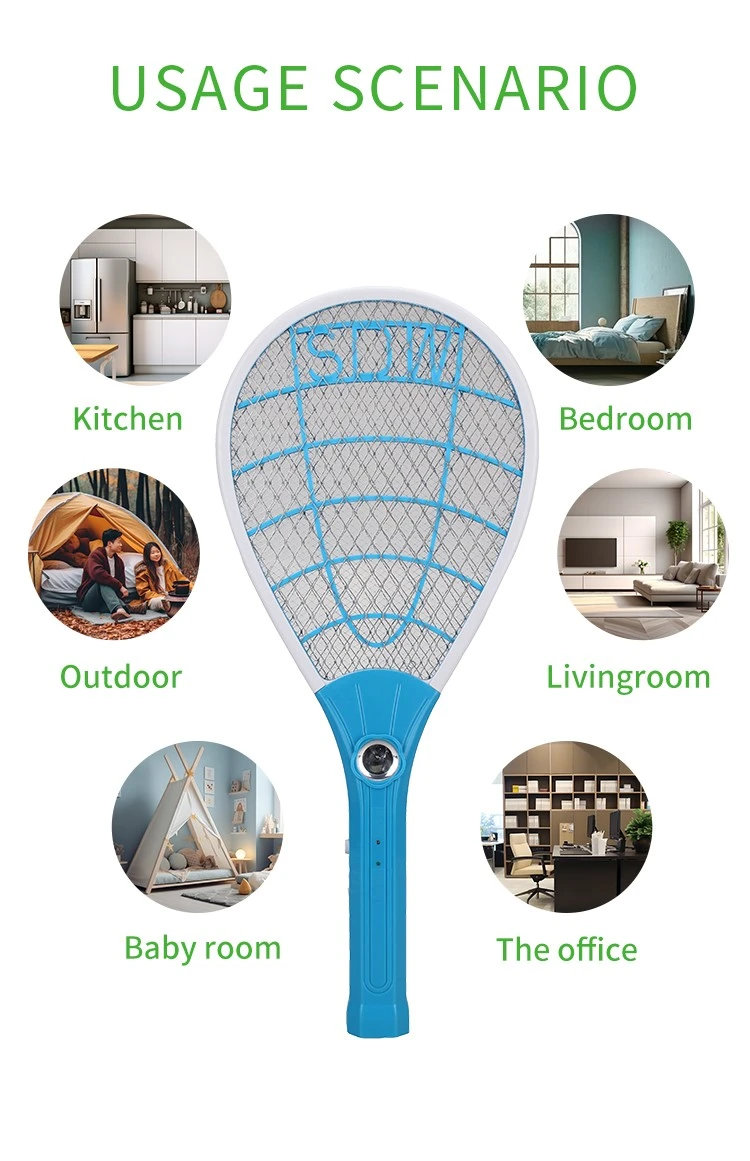
Most importers of electric mosquito swatters obsess over the first order: samples requested, factories vetted, a pre-shipment inspection booked. Then the reorder arrives eight months later and something is off. The grid feels softer. The charge port is a slightly different shade of black. The carton thickness dropped from 350 gsm to 300 gsm. Nothing is catastrophic — but the product no longer matches what your retail customers approved, and quietly, your return rate starts climbing.
How to Keep Mosquito Swatter Quality Consistent Across Repeat Orders
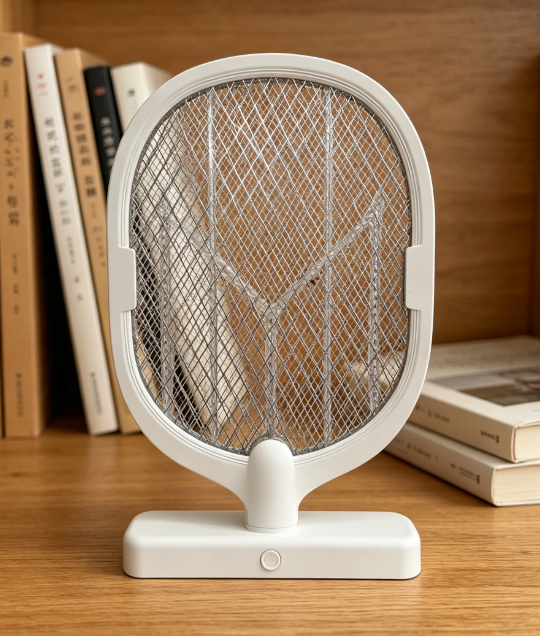
Warranty returns are the silent margin killer in the mosquito control category. A distributor who buys a swatter at $1.80 FOB and retails it at $9.90 can absorb a 1% return rate without noticing — but at 5%, the combined cost of replacement units, reverse logistics, and refund processing erases most of the line's profit.
Common mosquito swatter killer lamp failure modes wholesale spec guide

Digital bathroom scales rank as the second-highest-volume consumer weighing product category, only behind kitchen scales, with distinct market and product characteristics that set them apart from other scale types in importers’ product portfolios.
Digital bathroom body fat-bia-scale wholesale buyers guide