
How Long Do Mosquitoes Live
2026-04-12
How Long Do Mosquitoes Live? A Complete Guide + Electric Mosquito Swatter Tips
How Long Do Mosquitoes Live? Key Facts for Effective Mosquito Control
If you’ve ever wondered “how long do mosquitoes live?” you’re not alone. These tiny, buzzing pests are more than just a nuisance—they can carry diseases and disrupt your outdoor and indoor comfort. Understanding a mosquito’s lifespan is the first step to controlling their population, and one of the most effective tools to cut their life short is the Electric Mosquito Swatter. In this guide, we’ll break down the mosquito life cycle, how long each stage lasts, factors that affect their lifespan, and how an Electric Mosquito Swatter can help you keep these pests at bay.
Mosquito Life Cycle: 4 Stages That Determine Their Lifespan
Mosquitoes go through a complete metamorphosis, with four distinct life stages: egg, larva, pupa, and adult. The total lifespan of a mosquito depends on species, environmental conditions, and gender—but each stage plays a critical role in how long they survive. Let’s break down each stage in detail.
Stage 1: Egg (2–3 Days to Several Months)
The mosquito life cycle starts with eggs, which female mosquitoes lay in or near standing water—including puddles, birdbaths, flower pots, and even small containers. The lifespan of mosquito eggs varies widely: in warm, moist conditions, eggs hatch in just 2–3 days. However, some species (like Aedes mosquitoes) lay eggs that can survive dry conditions for months, hatching only when water is present again. This resilience is why mosquito infestations can return quickly after rain.
Stage 2: Larva (4–14 Days)
Once eggs hatch, they become larvae (also called “wigglers”), which live entirely in water. Larvae breathe through a siphon that acts like a snorkel, hanging just below the water’s surface to access air. They feed on aquatic microorganisms and go through four developmental stages (instars) as they grow, shedding their exoskeleton each time. The larval stage typically lasts 4–14 days, depending on water temperature, food availability, and species. Colder water slows their growth, while warm, nutrient-rich water speeds it up.
Stage 3: Pupa (1.5–4 Days)
After the larval stage, mosquitoes enter the pupal stage (known as “tumblers”). Pupae do not feed but still need to breathe at the water’s surface, and they are highly sensitive to light and movement. This stage is short, lasting just 1.5–4 days, during which the pupa undergoes metamorphosis to become an adult mosquito. Once fully developed, the adult mosquito emerges from the pupa and rests on the water’s surface until its wings dry and harden.
Stage 4: Adult (7 Days to 5 Months)
The adult stage is what most people think of when they ask “how long do mosquitoes live?” Here, the lifespan differs dramatically between male and female mosquitoes:
Male Mosquitoes: 7–10 Days
Male mosquitoes do not bite humans or animals—they feed on plant nectar for energy. Their sole purpose is to mate with females, and once they do, their lifespan is short. Most male mosquitoes live just 7–10 days, with some species surviving up to two weeks under ideal conditions.
Female Mosquitoes: 2–6 Weeks (Up to 5 Months in Hibernation)
Female mosquitoes live much longer than males, typically 2–6 weeks in warm weather. Unlike males, females need a blood meal to develop their eggs—this is why they bite humans and animals. After feeding, they lay eggs and repeat the cycle. In cooler climates, some female mosquitoes (like Anopheles and Culex species) hibernate during winter, extending their lifespan to 3–5 months. This hibernation allows them to survive cold temperatures and resume breeding in spring.
Factors That Affect Mosquito Lifespan
While the above timelines are typical, several factors can shorten or extend a mosquito’s life. Understanding these factors can help you better control mosquito populations—and use tools like the Electric Mosquito Swatter more effectively.
1. Temperature
Mosquitoes thrive in warm, humid conditions (70–90°F / 21–32°C). Colder temperatures slow their metabolism, extending the larval and pupal stages, but can also kill adult mosquitoes if temperatures drop below freezing. In hot, dry weather, adult mosquitoes may die faster due to dehydration.
2. Food Availability
Larvae need aquatic microorganisms to survive, so nutrient-rich water (like water with decaying leaves or organic matter) helps them grow faster and live longer. Adult females need regular blood meals to lay eggs—without access to hosts, their lifespan shortens, and they cannot reproduce.
3. Predators and Pest Control
Natural predators (like fish, birds, and dragonflies) can reduce mosquito populations by feeding on larvae and adults. Human pest control methods—including the Electric Mosquito Swatter—also play a key role in shortening adult mosquito lifespans, preventing them from mating and laying eggs.
How an Electric Mosquito Swatter Helps Control Mosquito Lifespan
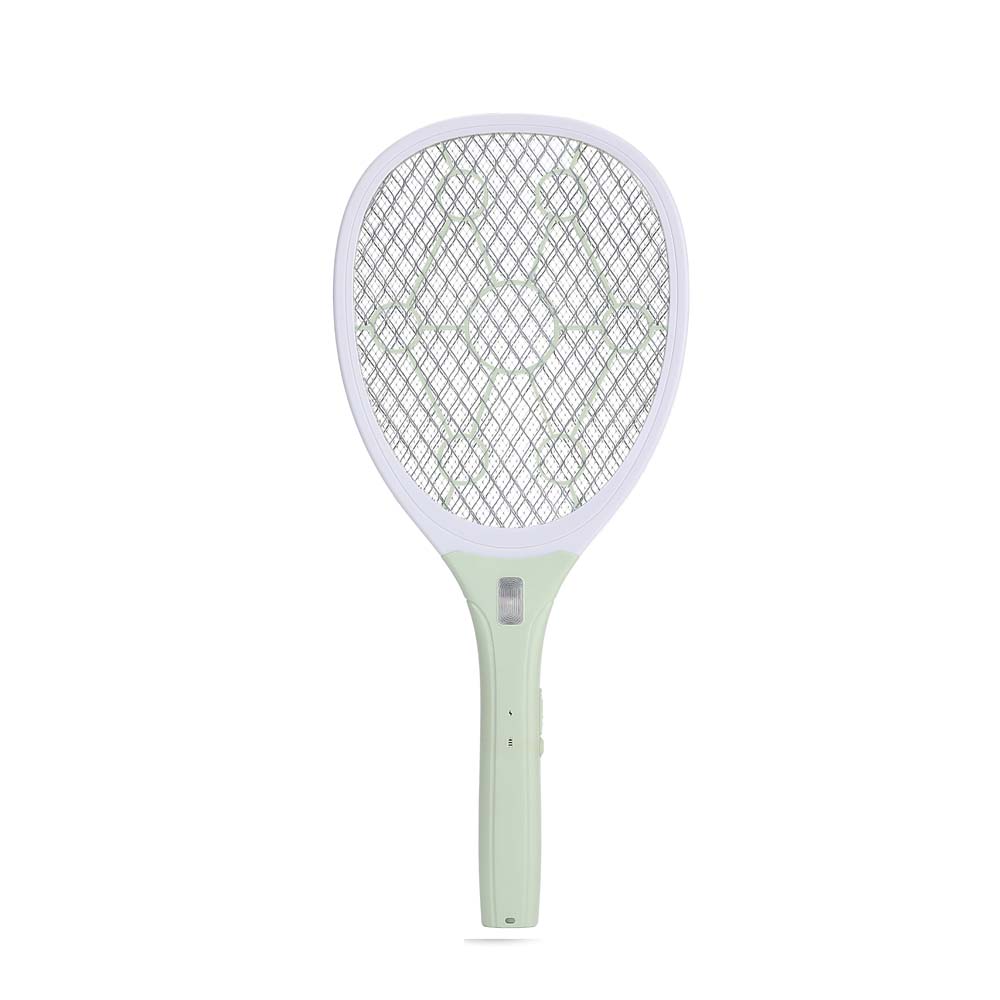
Now that you know how long mosquitoes live, you can use this knowledge to target them at their most vulnerable stages. The Electric Mosquito Swatter is a safe, effective tool to kill adult mosquitoes quickly, cutting their lifespan short and reducing their ability to reproduce. Here’s why it’s a game-changer for mosquito control:
Immediate Results to Shorten Adult Lifespan
Adult female mosquitoes are the only ones that bite, and they need 2–3 weeks to mate, feed, and lay eggs. An Electric Mosquito Swatter delivers a high-voltage shock that instantly kills adult mosquitoes when they come into contact with the mesh grid. By killing females before they lay eggs, you break the life cycle and prevent future generations of mosquitoes from hatching.
Chemical-Free and Safe for Indoor/Outdoor Use
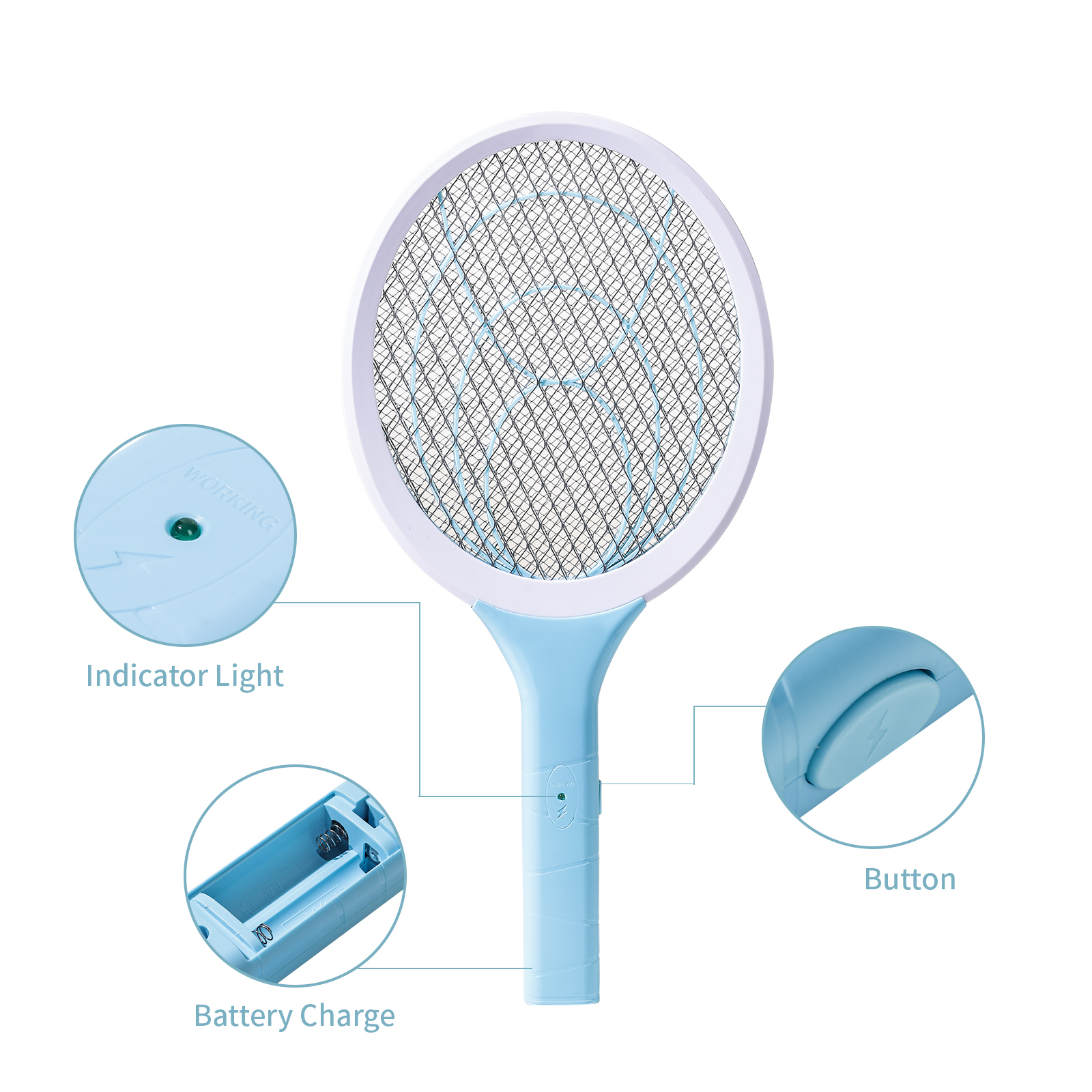
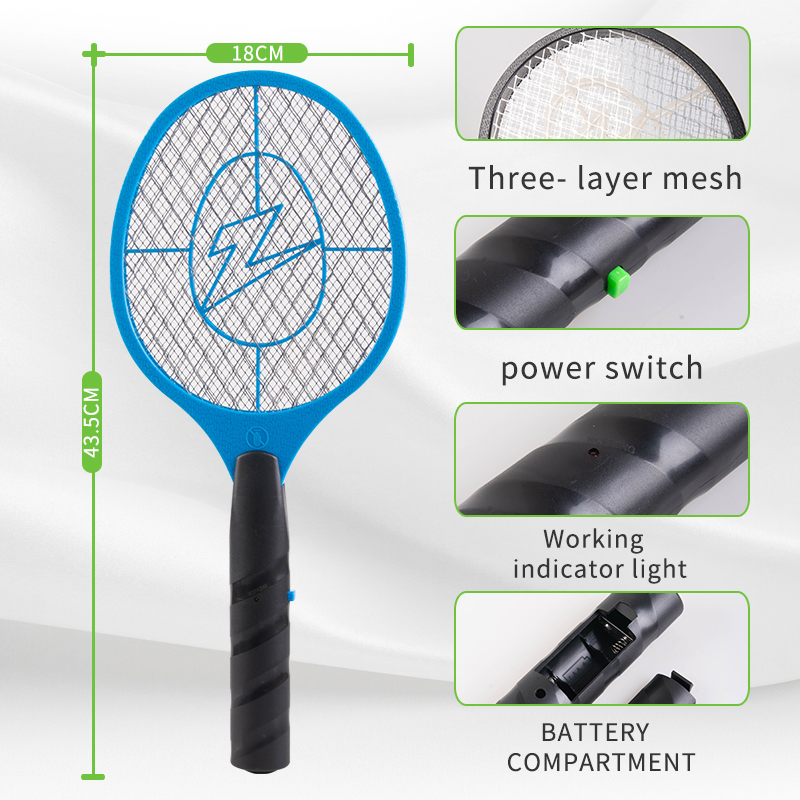
Unlike chemical insecticides, which can harm humans, pets, and the environment, Electric Mosquito Swatters use physical force to kill mosquitoes—no toxic chemicals required. This makes them safe to use around children and pets, and ideal for indoor spaces (like bedrooms, living rooms) and outdoor areas (like patios, decks) where mosquitoes are most active. Modern Electric Mosquito Swatters even include safety features like dual switches and residual voltage protection to prevent accidental shocks.
Targeted Control for Active Mosquitoes
Mosquitoes are most active during dawn, dusk, and night—times when they are searching for blood meals. Using an Electric Mosquito Swatter during these peak hours allows you to target adult mosquitoes when they are most active, effectively reducing their numbers. For even better results, use the swatter near standing water (mosquito breeding sites) to kill emerging adults before they can fly away.
Tips for Using an Electric Mosquito Swatter Effectively
To get the most out of your Electric Mosquito Swatter and maximize its impact on mosquito lifespans, follow these tips:
-
Choose the right time: Use the swatter during mosquito peak activity (5–7 a.m. and 6–8 p.m.) when they fly slower and are easier to catch.
-
Use proper technique: Keep the swatter perpendicular to the mosquito’s flight path and approach quietly to avoid startling them—head-on swatting can blow mosquitoes away with air flow.
-
Target resting mosquitoes: Mosquitoes often rest on walls, ceilings, or curtains during the day. Place the swatter 3–5 cm from the mosquito, press the switch, and slowly move it to make contact.
-
Maintain your swatter: Keep the mesh clean and fully charged (most models have USB charging) to ensure maximum voltage and killing power.
FAQs About Mosquito Lifespan (and Electric Mosquito Swatters)
Q: Do all mosquitoes live the same amount of time?
A: No. Lifespan varies by species, gender, and environment. Male mosquitoes live 7–10 days, while females live 2–6 weeks (up to 5 months in hibernation). Some species (like Aedes) have eggs that can survive dry conditions for months, while others (like Anopheles) hibernate as adults.
Q: Can an Electric Mosquito Swatter kill all stages of mosquitoes?
A: Electric Mosquito Swatters are most effective against adult mosquitoes. Larvae and pupae live in water, so you’ll need to eliminate standing water (or use larvicides) to target those stages. However, killing adult females with a swatter prevents them from laying eggs, which indirectly reduces larval populations.
Q: How often should I use an Electric Mosquito Swatter to control mosquitoes?
A: Use it daily during peak mosquito activity (dawn, dusk, night) to kill adult mosquitoes as they emerge. For best results, combine it with other control methods: eliminate standing water, use screens on windows/doors, and keep outdoor areas clean.
Final Thoughts: How Long Do Mosquitoes Live, and How to Stop Them
To answer the question “how long do mosquitoes live?”: it depends on the stage, gender, and environment, but adult mosquitoes typically live 7 days to 5 months. The key to controlling mosquitoes is to target the adult stage—where they bite and reproduce—and the Electric Mosquito Swatter is one of the most effective tools for this job. By killing adult females quickly, you break the mosquito life cycle, reduce their population, and enjoy a more comfortable, mosquito-free space.
Remember: understanding mosquito lifespan is only half the battle. Combine your Electric Mosquito Swatter with proper water management and other pest control methods to keep mosquitoes at bay all season long.
What Blood Type Do Mosquitoes Like
How Accurate Are Body Fat Scales
Related Article

If you’re struggling with annoying mosquitoes, flies, and other flying pests indoors and outdoors, upgrading from traditional manual tools to anElectric Mosquito Swatter is the most efficient solution. Many homeowners and renters search where to buy fly swatter online to find durable, safe, and high-performance electric models that deliver instant pest control.
Where to Buy Fly Swatter

Most importers of electric mosquito swatters obsess over the first order: samples requested, factories vetted, a pre-shipment inspection booked. Then the reorder arrives eight months later and something is off. The grid feels softer. The charge port is a slightly different shade of black. The carton thickness dropped from 350 gsm to 300 gsm. Nothing is catastrophic — but the product no longer matches what your retail customers approved, and quietly, your return rate starts climbing.
How to Keep Mosquito Swatter Quality Consistent Across Repeat Orders

Warranty returns are the silent margin killer in the mosquito control category. A distributor who buys a swatter at $1.80 FOB and retails it at $9.90 can absorb a 1% return rate without noticing — but at 5%, the combined cost of replacement units, reverse logistics, and refund processing erases most of the line's profit.
Common mosquito swatter killer lamp failure modes wholesale spec guide

Digital bathroom scales rank as the second-highest-volume consumer weighing product category, only behind kitchen scales, with distinct market and product characteristics that set them apart from other scale types in importers’ product portfolios.
Digital bathroom body fat-bia-scale wholesale buyers guide