
How Long Does an Electric Mosquito Swatter Last
2026-01-30
How Long Does an Electric Mosquito Swatter Last? Do These 3 Things, and It Won’t Need Replacing for 3 Years
Some electric mosquito swatters stop discharging after just one year, while others can last for several years. So, how long is the normal service life of an electric mosquito swatter? What factors affect its "lifespan"? Today, we’ll talk about it in detail to help you use your electric mosquito swatter longer and more worry-free.
First, the answer: The normal service life of an ordinary household electric mosquito swatter is mostly 1-3 years; if it’s a high-quality brand model with proper use and maintenance, the service life can be extended to 3-5 years; on the contrary, improper use, frequent collisions or neglect of maintenance may cause malfunctions in half a year, leading to early "retirement". In fact, the service life of an electric mosquito swatter, like other small household appliances we use daily, depends on three key factors—battery, power grid, and usage habits. These three directly determine how many summers it can accompany you.
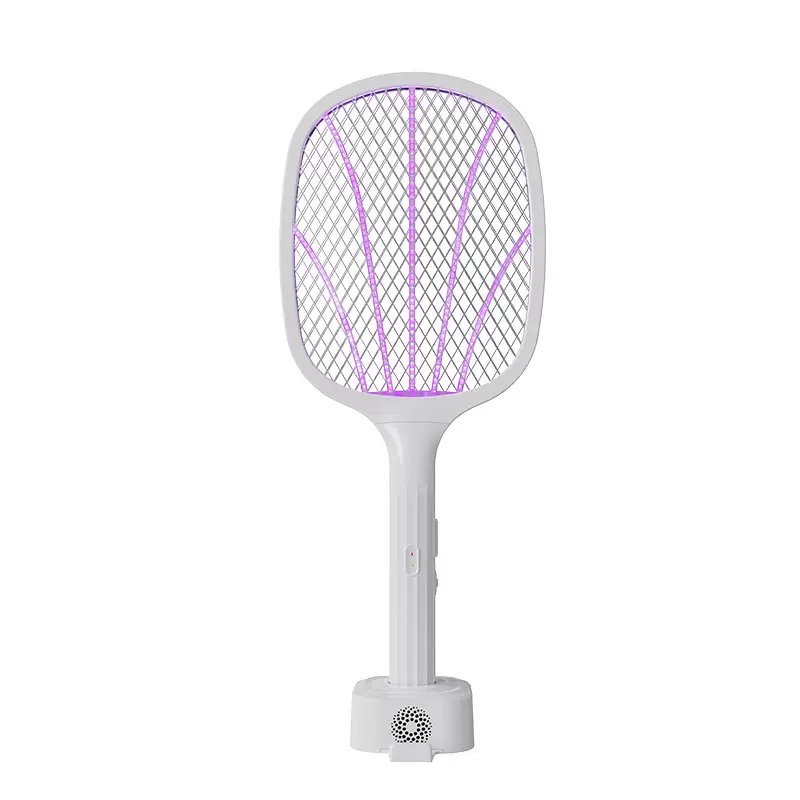
1. Core Components: The "Key Players" Determining the Service Life of Electric Mosquito Swatters
The service life of an electric mosquito swatter is essentially the wear cycle of its core components. Among them, the most critical are the battery and power grid. The condition of these two components directly affects whether the electric mosquito swatter can work normally.
The battery is equivalent to the "heart" of the electric mosquito swatter and is also the fastest-wearing component. Currently, electric mosquito swatters on the market are mainly divided into two types of batteries: rechargeable (lithium batteries, nickel-cadmium batteries) and dry battery-powered. For dry battery-powered electric mosquito swatters, the service life mainly depends on the frequency of battery replacement and the wear of the contact terminals. As long as the terminals are not rusted or loose, replacing them with new batteries allows continued use, and the theoretical service life is longer, but replacing batteries regularly is relatively troublesome; rechargeable electric mosquito swatters have a fixed cycle life. For example, lithium batteries can generally be charged and discharged 500-1000 times. Calculated by charging once a day and using it for 3 months in summer, it can last about 2-3 years. After that, the battery will experience endurance degradation, and a full charge can only last 1-2 days, or even fail to charge. At this time, the electric mosquito swatter basically loses its core function.
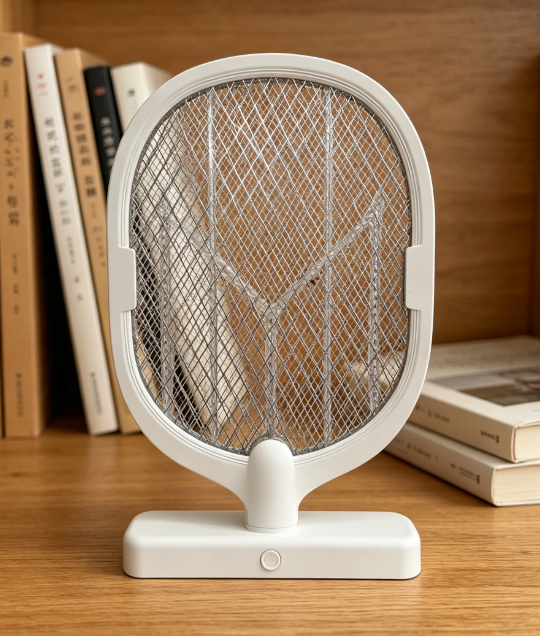
Next, the power grid, which is the "attack weapon" of the electric mosquito swatter, responsible for releasing high-voltage electricity to kill mosquitoes. The power grid of high-quality electric mosquito swatters is made of stainless steel, which is corrosion-resistant and not easy to deform. As long as it is not scratched by hard objects or exposed to water, it can remain intact; however, the power grid of low-quality electric mosquito swatters is made of ordinary iron wire, which is prone to rust and breakage. Especially after accidental collision, the power grid will be deformed and short-circuited, making the electric mosquito swatter unable to discharge directly and even posing safety hazards. In addition, if mosquito corpses and dust accumulate in the gaps of the power grid for a long time without timely cleaning, it will cause poor discharge and indirectly shorten the service life.
In addition to the battery and power grid, the switch and charging interface of the electric mosquito swatter are also wearing parts. Frequent pressing of the switch and forceful plugging and unplugging of the plug during charging will lead to poor contact, and gradually there will be problems such as "no discharge when pressed" and "failure to charge".
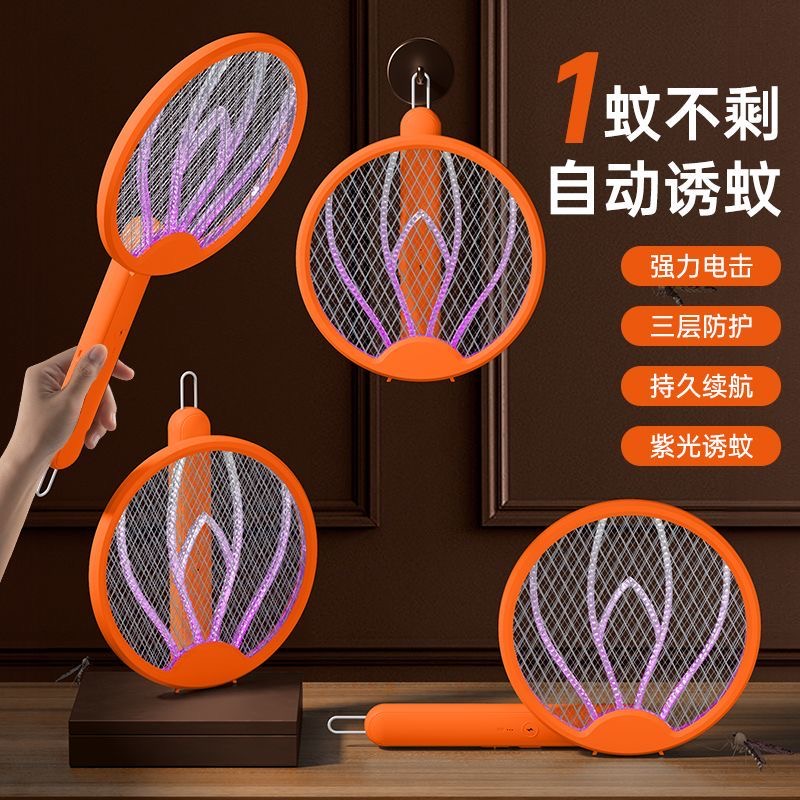
2. These Behaviors Are Quietly "Shortening" the Service Life of Your Electric Mosquito Swatter
Many people just put down their electric mosquito swatter casually after use, but they don’t know that some inadvertent habits will accelerate its wear and even make it "strike" in advance. In particular, avoid these 4 misunderstandings:
1. Overcharging or Undercharging: For rechargeable electric mosquito swatters, not unplugging the plug in time after full charge will cause overcharging of the battery and accelerate battery aging; on the contrary, not charging in time after the power is completely used up will directly damage the battery due to long-term undercharging, and it will never be charged again. The correct way is: when the indicator light turns green, it means it’s fully charged, so unplug the plug immediately; usually, charge it in time when the power is obviously insufficient (the discharge intensity becomes weak).
2. Exposure to Water or Humid Environments: An electric mosquito swatter is an electrical appliance with a high-voltage circuit inside. Exposure to water will cause a short circuit, burning the power grid and circuit board; long-term placement in humid places such as bathrooms and balconies will cause rust on internal parts, especially the charging interface and battery contacts. It is recommended to wipe the surface dry after use and store it in a dry and ventilated place. Never use it to repel mosquitoes outdoors on rainy days.
3. Hitting or Scratching the Power Grid with Hard Objects: Many people use electric mosquito swatters to hit mosquitoes on walls and tables, or use hard objects such as screwdrivers to clean the gaps of the power grid. This is easy to scratch and deform the power grid, and even cause a short circuit of the power grid; in addition, accidentally dropping the electric mosquito swatter will also damage internal parts and affect the service life.
4. Long-term Idleness Without Use: If you don’t use the electric mosquito swatter in winter and just put it in a corner to idle, the battery will age slowly, and the power grid may also rust due to humid environment. The correct way is: fully charge it before idleness, then charge it once every 3 months, and store it in a sealed plastic bag to avoid dust and humidity.
3. 3 Simple Steps to Extend the Service Life of Your Electric Mosquito Swatter
In fact, as long as you do a good job in daily maintenance, an ordinary electric mosquito swatter can be used for more than 3 years, even up to 5 years, which is cost-effective and worry-free. Focus on these 3 points:
Step 1: Charge Correctly: Follow the principle of "unplug immediately after full charge, no undercharging, no overcharging". Control the charging time at 8-12 hours (see the manual for details), and do not charge overnight; try to place it in a dry place during charging to avoid direct sunlight.
Step 2: Clean in Time: After each use, gently clean the mosquito corpses and dust in the gaps of the power grid with a soft brush (such as a toothbrush). Do not rinse with water or scratch with hard objects; if there are stains on the surface, wipe gently with a dry or damp cloth, and store it after drying.
Step 3: Store Properly: When not in use, place it in a dry, ventilated and cool place, away from water sources, fire sources and high-temperature environments; avoid falling and collision, and do not press the electric mosquito swatter heavily; when idle for a long time, supplement power regularly and do a good job in dust and moisture prevention.
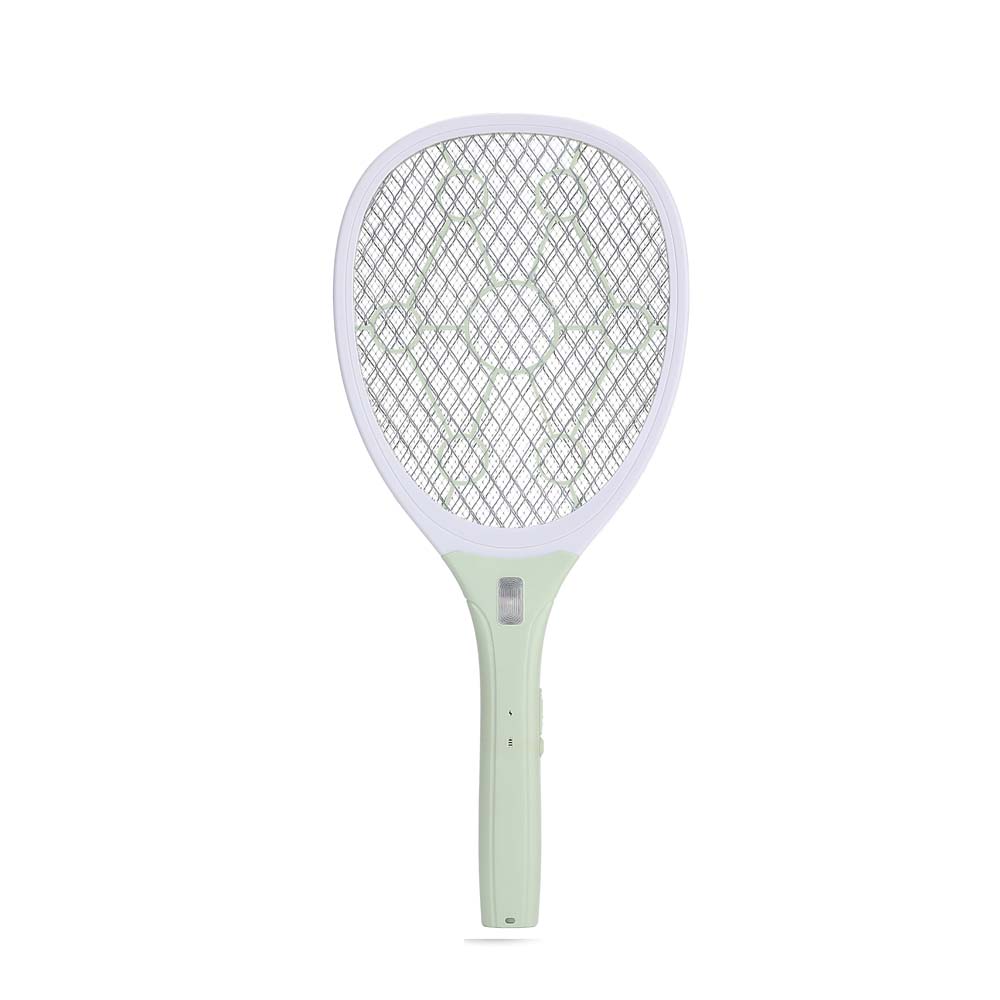
Final Summary
There is no fixed standard for the service life of an electric mosquito swatter. It mainly depends on the quality and usage habits—1-3 years for ordinary models and 3-5 years for high-quality models. As long as you avoid usage misunderstandings and do a good job in daily maintenance, you can greatly extend its "service time". In addition, we remind you that when the electric mosquito swatter has serious endurance degradation, weak discharge, rust and breakage of the power grid, or poor contact of the charging interface, it is recommended to replace it in time to avoid safety hazards during use.
Your Electric Mosquito Swatter Can Be Tailored to Your Needs
2026 Spring Festival Holiday Notice
Related Article

If you’re struggling with annoying mosquitoes, flies, and other flying pests indoors and outdoors, upgrading from traditional manual tools to anElectric Mosquito Swatter is the most efficient solution. Many homeowners and renters search where to buy fly swatter online to find durable, safe, and high-performance electric models that deliver instant pest control.
Where to Buy Fly Swatter
Most importers of electric mosquito swatters obsess over the first order: samples requested, factories vetted, a pre-shipment inspection booked. Then the reorder arrives eight months later and something is off. The grid feels softer. The charge port is a slightly different shade of black. The carton thickness dropped from 350 gsm to 300 gsm. Nothing is catastrophic — but the product no longer matches what your retail customers approved, and quietly, your return rate starts climbing.
How to Keep Mosquito Swatter Quality Consistent Across Repeat Orders
Warranty returns are the silent margin killer in the mosquito control category. A distributor who buys a swatter at $1.80 FOB and retails it at $9.90 can absorb a 1% return rate without noticing — but at 5%, the combined cost of replacement units, reverse logistics, and refund processing erases most of the line's profit.
Common mosquito swatter killer lamp failure modes wholesale spec guide

Digital bathroom scales rank as the second-highest-volume consumer weighing product category, only behind kitchen scales, with distinct market and product characteristics that set them apart from other scale types in importers’ product portfolios.
Digital bathroom body fat-bia-scale wholesale buyers guide