
How Long Does It Take to Charge an Electric Mosquito Swatter
2025-10-09
How Long Does It Take to Charge an Electric Mosquito Swatter? A Complete Guide to Charging Duration and Precautions
When mosquitoes run rampant in summer, the electric mosquito swatter is nothing short of a "mosquito - killing artifact". However, many people are confused when using it: How long does it take to charge an electric mosquito swatter? Charging it for too long may damage the battery, while charging it for too short a time may result in insufficient power and affect its use. In fact, the charging duration of an electric mosquito swatter is not a fixed value. It is mainly affected by the battery type, battery capacity and charger specifications. Today, we will break it down in detail to help you accurately master the charging rhythm.
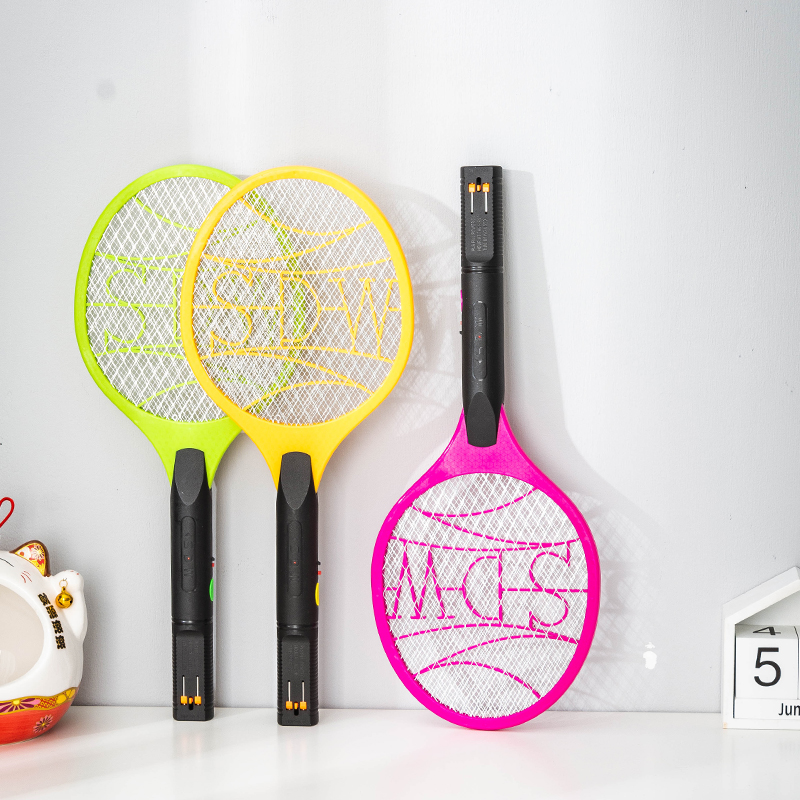
I. Significant Differences in Charging Duration Between Different Battery Types
Currently, electric mosquito swatters on the market are mainly equipped with two types of batteries: lead - acid batteries and lithium - ion batteries. The charging durations of these two types of batteries are significantly different, and they are the core factors determining the charging time.
1. Lead - Acid Batteries: Traditional Choice, Requiring 8 - 12 Hours of Charging
Lead - acid batteries are the mainstream configuration of early electric mosquito swatters. Their capacity is usually between 400mAh and 800mAh, and they are mostly matched with low - power linear chargers (with an output current of about 50mA - 100mA). Due to the small charging current and the need for "slow charging activation" of lead - acid batteries, the charging duration is relatively long.
General Situation: When using a new electric mosquito swatter for the first time, it is recommended to charge it continuously for 12 hours to fully activate the battery and extend its service life. For subsequent daily charging, after the indicator light changes from red to green (or the indicator light goes out), you can charge it for an additional 1 - 2 hours. The total charging duration should be controlled between 8 and 12 hours.
Note: If a lead - acid battery is over - discharged (for example, charging it only after it is completely dead), its service life may be shortened. It is recommended to charge the battery in a timely manner when the power is lower than 20% to avoid long - term power loss.
2. Lithium - Ion Batteries: Mainstream Choice, Requiring Only 2 - 4 Hours of Charging
With the upgrading of technology, lithium - ion batteries (mostly 18650 or polymer lithium - ion batteries) have become the mainstream. Their capacity is generally between 1000mAh and 2000mAh, and they are matched with intelligent fast - charging chargers (with an output current of about 500mA - 1A). Lithium - ion batteries have higher charging efficiency and support "charging at any time when in use", without the need for long - term activation.
General Situation: There is no need to deliberately extend the charging time for the first charge. You can disconnect the power supply after the indicator light turns green (some models will stop flashing). The charging duration is usually 2 - 3 hours. For daily charging, depending on the remaining power, it can be fully charged within 1.5 - 4 hours. For example, a 1000mAh battery can be fully charged in about 2 hours with a 500mA charger.
Advantage: Lithium - ion batteries have no "memory effect", so there is no need to wait until the battery is completely dead to charge it. Fragmented charging is more convenient and can also reduce battery loss.
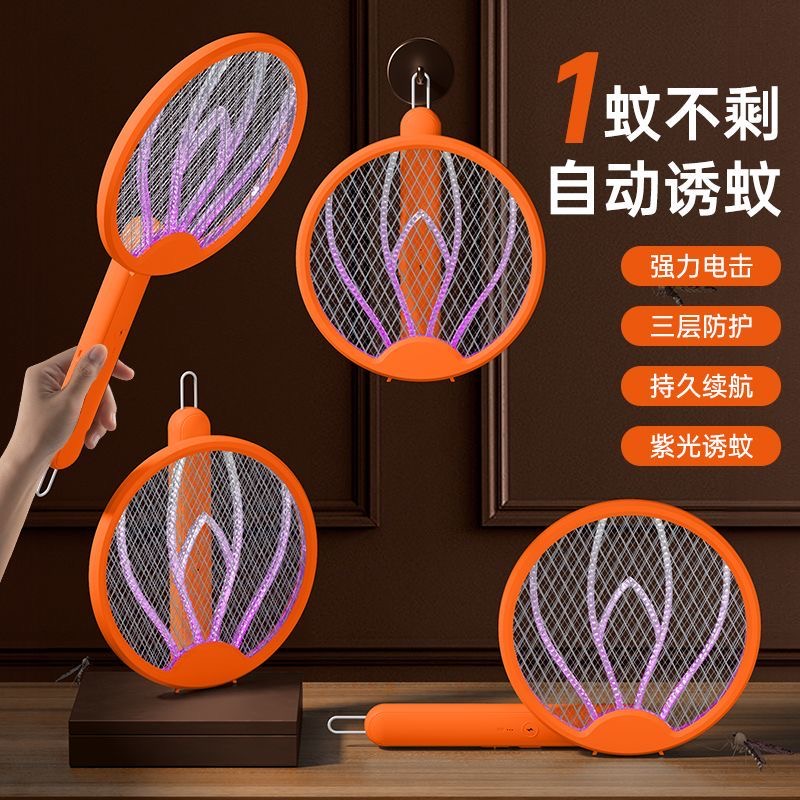
II. Other Factors Affecting Charging Duration Should Not Be Ignored
In addition to the battery type, there are two details that can quietly change the charging time, which need to be paid more attention to during use:
1. Whether the Charger Is Compatible: Original Chargers Are More Efficient
Many people tend to mix chargers of different small household appliances. However, the output voltage (usually 4.2V, 6V) and current of the charger for electric mosquito swatters have fixed specifications. If a charger with too small a current is used (for example, replacing a 500mA charger with a 200mA one), the charging duration will be doubled, and the battery may even not be fully charged. If a charger with too high a voltage is used, it may even directly damage the battery or the circuit board.
Suggestion: Priority should be given to using the original charger that comes with the electric mosquito swatter. If the charger is lost, you need to purchase a new one according to the "charging parameters" in the product manual to avoid blind replacement.
2. Charging Environment Temperature: 20 - 30℃ Is the Most Suitable
The charging efficiency of the battery is closely related to the temperature. In high - temperature summers (exceeding 35℃), the battery will activate the protection mechanism, reduce the charging current, and cause the charging to slow down. In low - temperature winters (below 5℃), the activity of lithium - ion batteries decreases, and the charging speed will also slow down significantly. There may even be a situation of "false full charge" (the indicator light turns green but the actual power is insufficient).
Note: When charging, try to place the electric mosquito swatter in a cool and ventilated place, avoiding direct sunlight or being close to heating vents or air conditioning outlets. When the temperature is suitable, the charging efficiency is the highest, and the battery can also be protected.
III. Charging Safety Tips to Extend Service Life
While mastering the charging duration, doing the following can make the electric mosquito swatter last longer and be safer:
- Avoid Over - Charging: Even for lithium - ion batteries, it is not recommended to keep them plugged in for more than 2 hours after they are fully charged. Long - term over - charging will accelerate the aging of the battery and may even pose a risk of bulging. More attention should be paid to lead - acid batteries. After they are fully charged, the power should be disconnected in a timely manner to prevent electrolyte leakage.
- Do Not Use While Charging: Some people are used to using the electric mosquito swatter to kill mosquitoes while it is charging. However, the circuit of the electric mosquito swatter is in a high - voltage state when charging. Using it at the same time may cause unstable current, which not only reduces the mosquito - killing effect but also may cause a short circuit.
- Regularly Check the Battery Status: If you find that the battery is bulging or leaking, or there is an unusual smell or severe heat generation during charging, you should stop using it immediately, replace the battery in a timely manner or discard the electric mosquito swatter to avoid potential safety hazards.
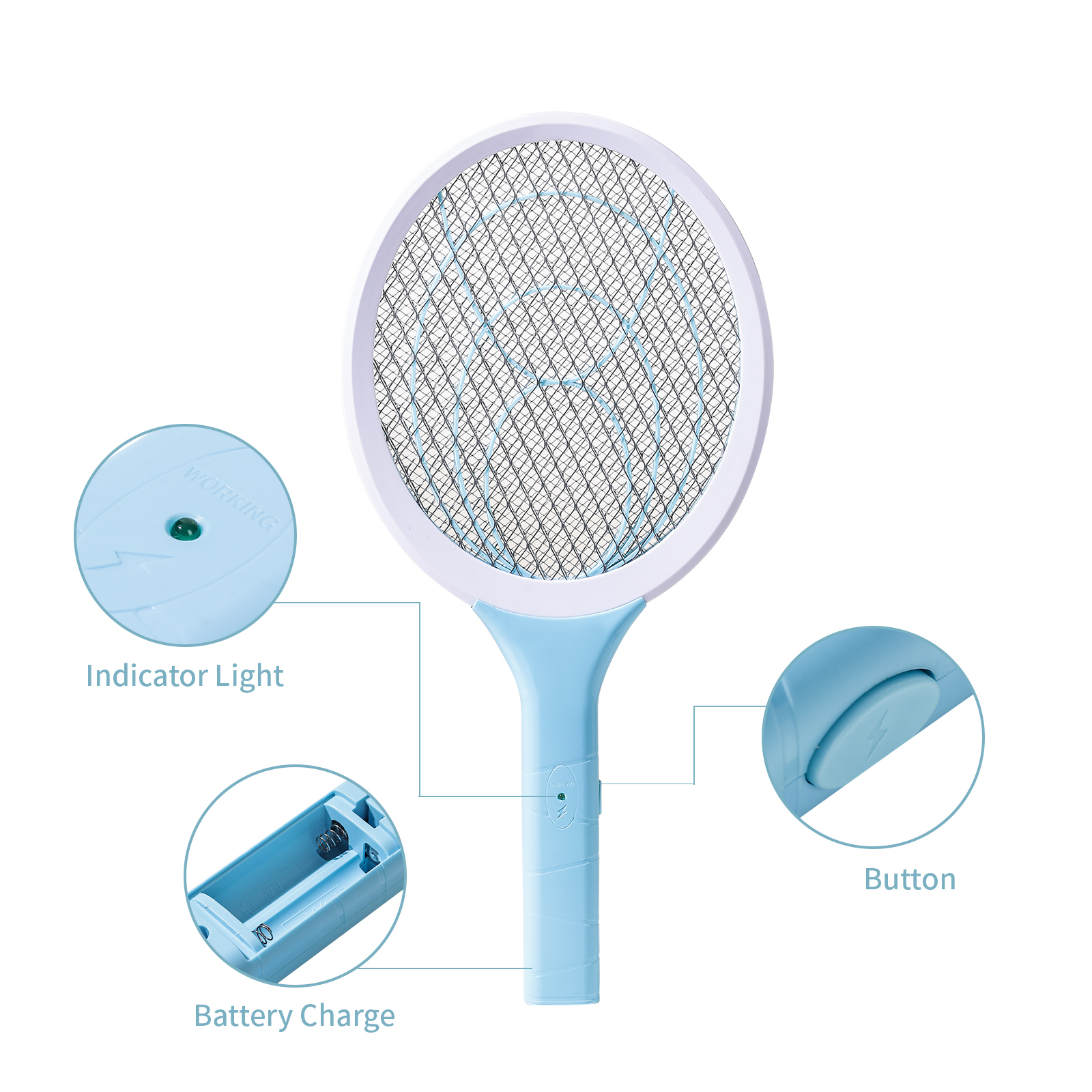
Summary: Remember the Core Charging Durations to Easily Handle Charging
Finally, let's summarize the key points for you:
- Electric mosquito swatters with lead - acid batteries: 12 hours for the first charge, 8 - 12 hours for daily charging;
- Electric mosquito swatters with lithium - ion batteries: 2 - 3 hours for the first charge, 1.5 - 4 hours for daily charging;
- Key principles: Use the original charger, charge at a suitable temperature, and avoid over - charging and mixed use.
By mastering this knowledge, you will no longer be confused about "how long to charge the electric mosquito swatter". Let your mosquito - killing artifact be ready for use at all times and help you spend a mosquito - free summer safely and comfortably!
3 Key Reasons Electric Mosquito Swatters Are Almost Always Oval
Autumn Mosquitoes Are Ferocious
Related Article

If you’re struggling with annoying mosquitoes, flies, and other flying pests indoors and outdoors, upgrading from traditional manual tools to anElectric Mosquito Swatter is the most efficient solution. Many homeowners and renters search where to buy fly swatter online to find durable, safe, and high-performance electric models that deliver instant pest control.
Where to Buy Fly Swatter
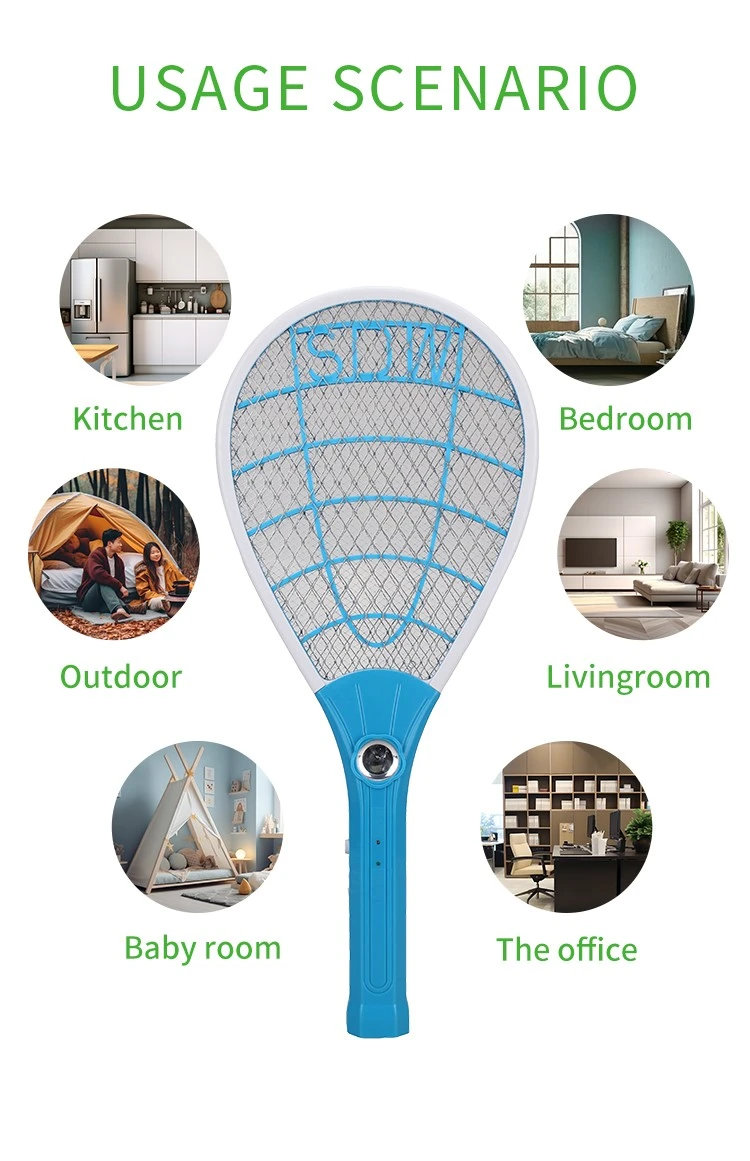
Most importers of electric mosquito swatters obsess over the first order: samples requested, factories vetted, a pre-shipment inspection booked. Then the reorder arrives eight months later and something is off. The grid feels softer. The charge port is a slightly different shade of black. The carton thickness dropped from 350 gsm to 300 gsm. Nothing is catastrophic — but the product no longer matches what your retail customers approved, and quietly, your return rate starts climbing.
How to Keep Mosquito Swatter Quality Consistent Across Repeat Orders
Warranty returns are the silent margin killer in the mosquito control category. A distributor who buys a swatter at $1.80 FOB and retails it at $9.90 can absorb a 1% return rate without noticing — but at 5%, the combined cost of replacement units, reverse logistics, and refund processing erases most of the line's profit.
Common mosquito swatter killer lamp failure modes wholesale spec guide

Digital bathroom scales rank as the second-highest-volume consumer weighing product category, only behind kitchen scales, with distinct market and product characteristics that set them apart from other scale types in importers’ product portfolios.
Digital bathroom body fat-bia-scale wholesale buyers guide