
How Long is the Production Cycle of an Electric Mosquito Swatter
2026-01-17
How Long is the Production Cycle of an Electric Mosquito Swatter? Unveiling the Entire Process from Parts to Finished Product
Every season when mosquitoes run rampant, electric mosquito swatters become a "mosquito-killing artifact" in every household. You may wonder how long this handheld "mosquito-eliminating tool" takes to complete its production journey from raw materials to finished products. In fact, the production cycle of an electric mosquito swatter is not fixed. Affected by multiple factors such as product type, production process, and supply chain efficiency, the industry average cycle ranges from 15 to 45 days, while the cycle for high-end intelligent models or customized products may extend to several months.
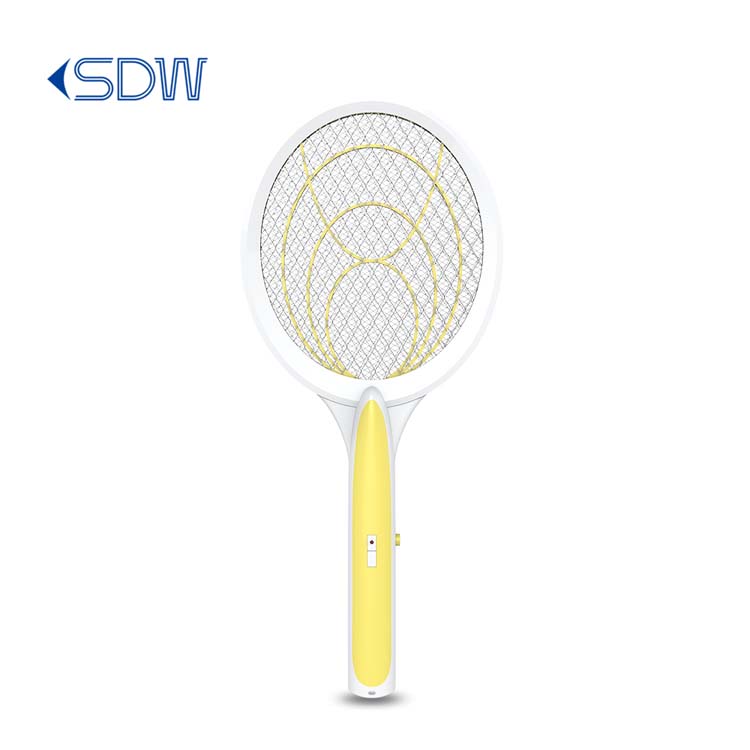
Core Production Process: Key Links Determining the Basic Cycle
The production of electric mosquito swatters is a sophisticated systematic process, and the time consumed by each link directly adds up to the basic production cycle. From the perspective of core processes, it is mainly divided into five stages, with a total time of about 7-12 days, which is also the core production duration for most standardized products.
First is the precision mesh and structural component assembly. This link requires bonding and fixing the three-layer mesh (protective mesh, high-voltage mesh, protective mesh) with keels and aluminum mesh through ultrasonic compression technology to ensure the mesh is durable and prevents accidental contact. A single process takes about 2 days. At the same time, folding rod assembly is carried out in parallel, using double reinforcement of hot stamping fixation and screw connection to balance grip and storage. The overall assembly of structural components takes about 3 days.
Next is the circuit and core component assembly, known as the "heart surgery" of the electric mosquito swatter. Workers accurately weld the light board and main board through a constant temperature soldering station, and each component undergoes a continuity test to ensure circuit stability and normal lighting function. Combined with lithium battery implantation (mainstream capacity is 1200-1500mAh), this link takes 2-3 days. It is worth mentioning that leading enterprises will add an intelligent BMS (Battery Management System) module at this stage, which increases the process time by 0.5 days but can significantly extend the product lifespan.
Finally, there is performance testing and detail processing, including pulse current release testing, safety protection testing, industrial alcohol disinfection, labeling of anti-misopening stickers, etc., to ensure mosquito-killing efficiency and usage safety. This finishing work takes 1-2 days. So far, the workshop production process of a single standardized electric mosquito swatter is basically completed.
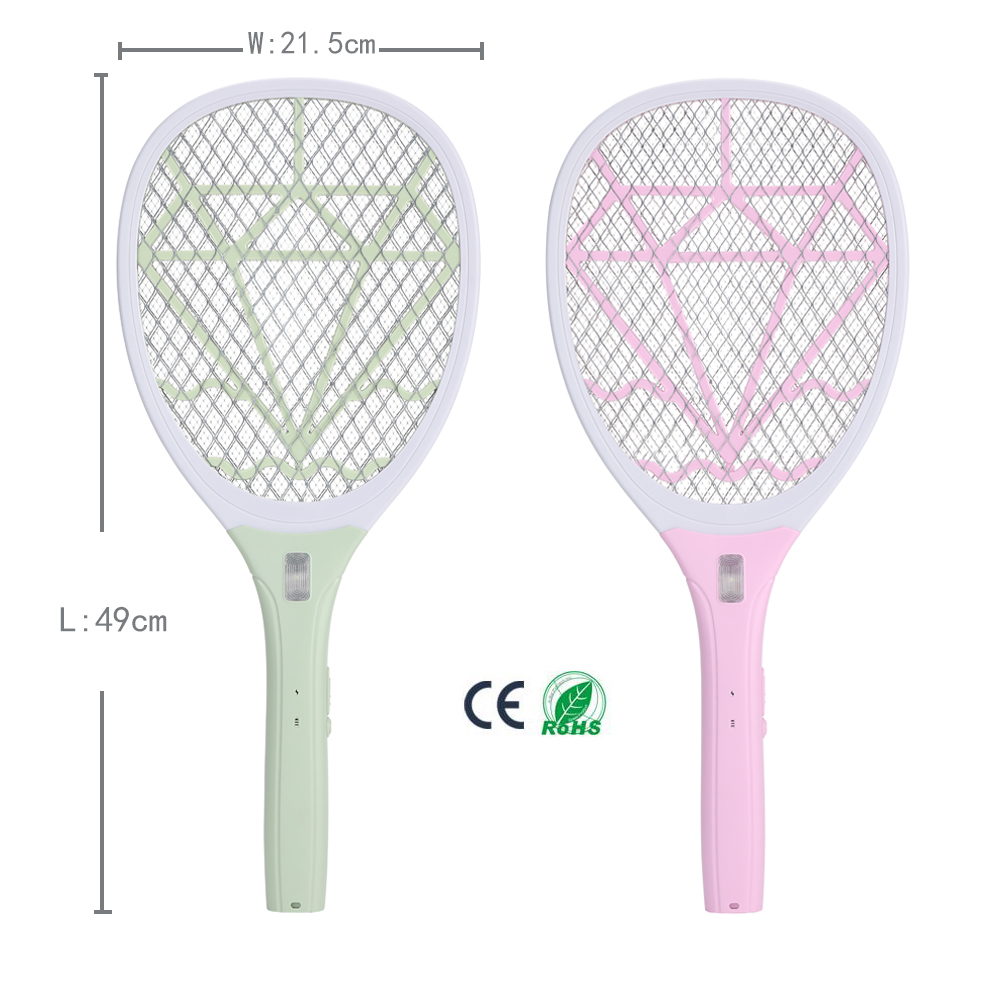
Three Core Factors Affecting Cycle Fluctuations
Why does the production cycle of electric mosquito swatters vary several times? The key lies in differences in supply chains, product complexity, and production models, which are often the main drivers of cycle fluctuations.
Supply chain stability is the basic guarantee. The core raw materials of electric mosquito swatters include ABS plastic, stainless steel mesh, lithium batteries, PCB boards, etc. If the JIT (Just-In-Time) supply model is adopted and suppliers are concentrated within a 200-kilometer radius, the raw material procurement cycle can be controlled within 3-5 days. However, the prices of lithium batteries, electronic components and other raw materials fluctuate greatly. In case of supply shortage, the procurement cycle may be extended to 10-15 days, directly delaying the overall production progress.
Product complexity and technical threshold directly extend the cycle. Basic electric mosquito swatters have simple processes and high efficiency in standardized production; while high-end models with ultraviolet mosquito trapping, intelligent sensing, and APP connection control require additional chip implantation, software debugging, and function adaptation, which increases the R&D and production cycle by 2-4 weeks. In addition, export products need to pass a full set of certifications such as CE and RoHS, and the certification process takes 4-6 months. If the certification is not completed in advance, the mass production cycle will be significantly extended.
Production model and automation level determine the upper limit of efficiency. A traditional manual production line has a daily output of about 500 units per shift, while a production line with modular design and automated robotic arms can produce 200 units per hour, increasing production capacity by more than 3 times and shortening the cycle by 40%. Through vertical integration of supply chains and flexible production, leading enterprises can compress the delivery cycle of customized products to 7-10 days, far exceeding the industry average.
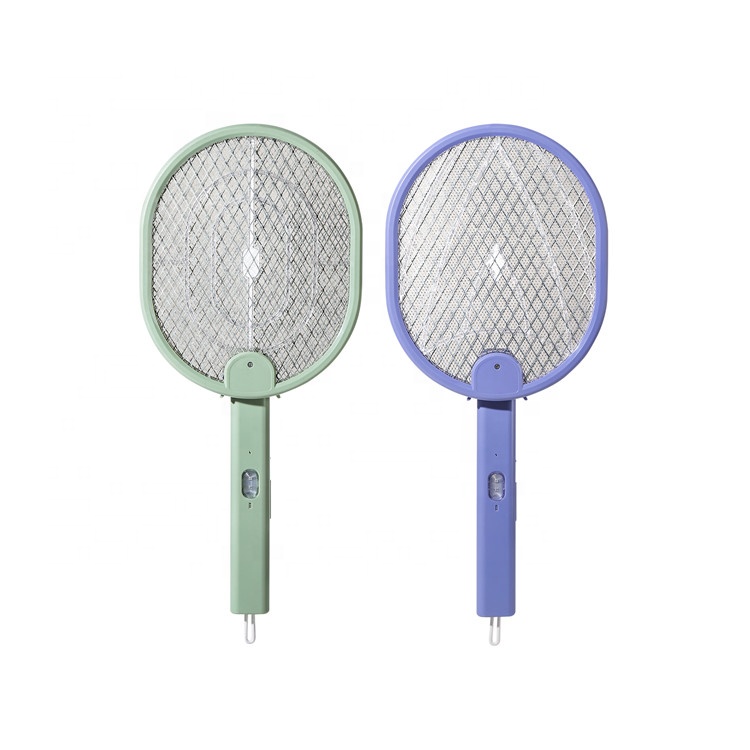
Industry Status Quo: The Balance Between Seasonal Demand and Cycle Control
The electric mosquito swatter market shows significant seasonal characteristics. Sales from April to September account for more than 72% of the annual total, and monthly sales from June to August are 3-5 times that of the off-season. This feature forces enterprises to optimize cycle control and arrange production in advance.
To meet peak season demand, mainstream manufacturers reserve core components in the off-season, start large-scale production 2 months before the peak season, and release more than 60% of production capacity in advance to avoid order backlogs. At the same time, they optimize processes through lean production theory, adopt one-piece flow and pull systems to reduce work-in-progress inventory and waiting time, further compressing the cycle. The surge in cross-border e-commerce orders has also promoted enterprises to improve their rapid response capabilities. Currently, the delivery cycle of standard orders of leading enterprises in the industry can be controlled within 7 days.
Conclusion: The Game Between Quality Control and Efficiency Behind the Cycle
The production cycle of electric mosquito swatters is essentially the result of balancing quality control and production efficiency. Relying on standardized processes and mature supply chains, basic products can be transformed from parts to finished products in 15-20 days; for high-end or customized products, it is normal for the cycle to extend to 1-3 months due to R&D, certification and testing links.
For consumers, understanding the production cycle can not only help them understand the reasons for product premium in the peak season but also view the quality differences of products at different prices more rationally—those high-end models with longer cycles often embody more R&D investment and quality control costs. For enterprises, how to shorten the cycle through supply chain optimization, automation upgrading and flexible production while adhering to safety and quality bottom lines is the key to standing firm in the 10-billion-yuan market.
The Types of Electric Mosquito Swatters
No Mosquitoes in Winter
Related Article

If you’re struggling with annoying mosquitoes, flies, and other flying pests indoors and outdoors, upgrading from traditional manual tools to anElectric Mosquito Swatter is the most efficient solution. Many homeowners and renters search where to buy fly swatter online to find durable, safe, and high-performance electric models that deliver instant pest control.
Where to Buy Fly Swatter
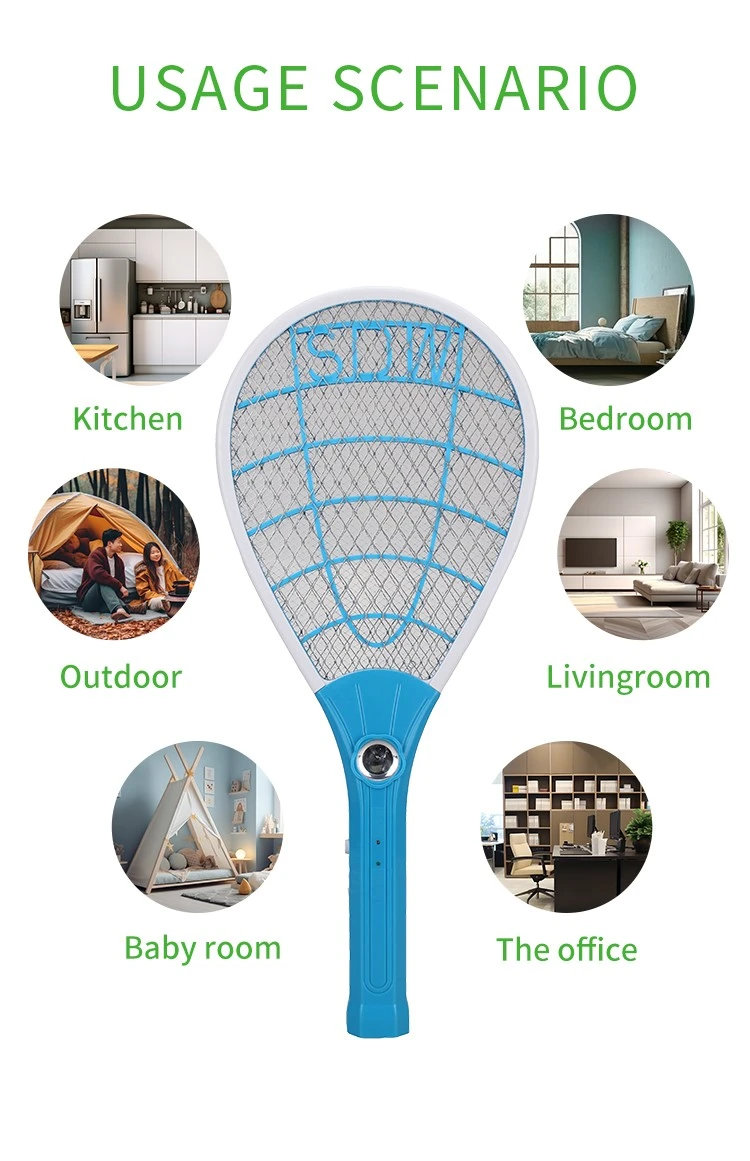
Most importers of electric mosquito swatters obsess over the first order: samples requested, factories vetted, a pre-shipment inspection booked. Then the reorder arrives eight months later and something is off. The grid feels softer. The charge port is a slightly different shade of black. The carton thickness dropped from 350 gsm to 300 gsm. Nothing is catastrophic — but the product no longer matches what your retail customers approved, and quietly, your return rate starts climbing.
How to Keep Mosquito Swatter Quality Consistent Across Repeat Orders
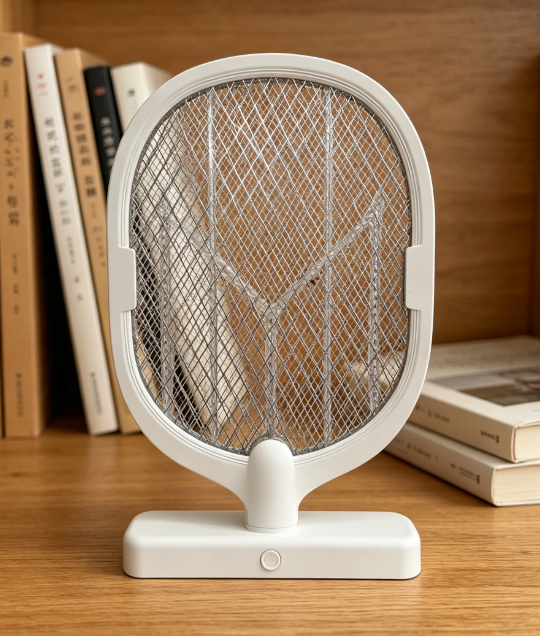
Warranty returns are the silent margin killer in the mosquito control category. A distributor who buys a swatter at $1.80 FOB and retails it at $9.90 can absorb a 1% return rate without noticing — but at 5%, the combined cost of replacement units, reverse logistics, and refund processing erases most of the line's profit.
Common mosquito swatter killer lamp failure modes wholesale spec guide

Digital bathroom scales rank as the second-highest-volume consumer weighing product category, only behind kitchen scales, with distinct market and product characteristics that set them apart from other scale types in importers’ product portfolios.
Digital bathroom body fat-bia-scale wholesale buyers guide