
How long is the shelf life of an electric mosquito swatter
2025-12-14
How long is the shelf life of an electric mosquito swatter?
Can an Electric Mosquito Swatter Still Work After Sitting Unopened for Half a Year? Let’s Clarify Its Shelf Life and Service Life
You unpacked an electric mosquito swatter that’s been stored at home for over half a year—can it still be used? Your three-year-old “trusty companion” is less effective at killing mosquitoes: is it past its shelf life or time to replace it? Some people even keep using swatters with swollen batteries, completely unaware of the safety hazards. Actually, the core of everyone’s confusion lies in mixing up the “shelf life” and “service life” of electric mosquito swatters. Today, we’ll clear this up once and for all: how long can they be stored, how long can they be used, and how to tell when it’s time to retire them~
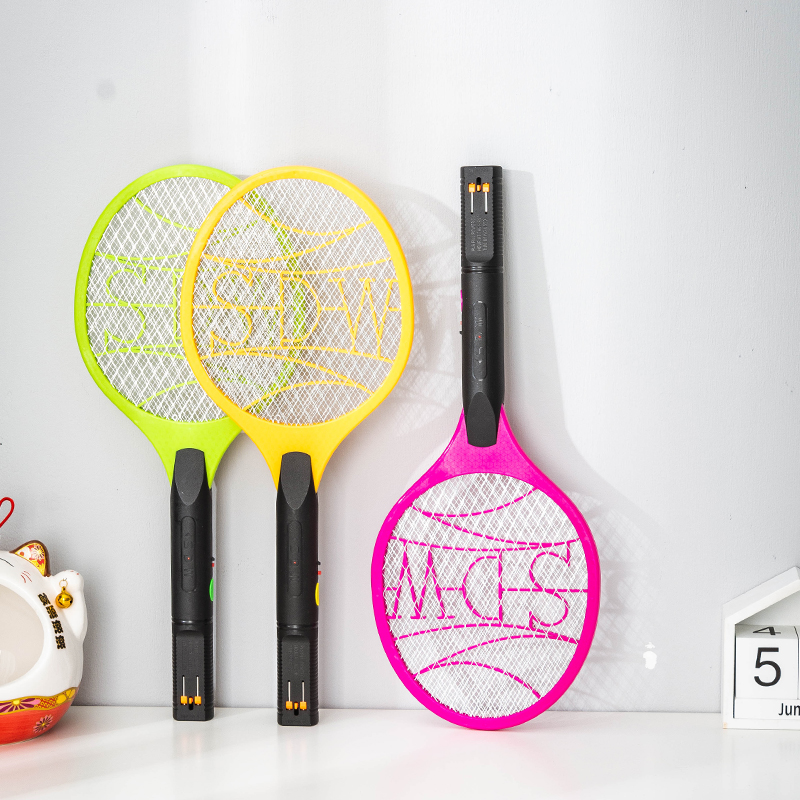
1. First, distinguish between two key concepts: Shelf Life ≠ Service Life
When buying an electric mosquito swatter, asking “how long is the shelf life” actually hides two needs: how long can the unopened product be stored, and how many years can it last with normal use? The answers to these two questions are completely different—let’s clarify the concepts first:
- Shelf Life: Refers to the period during which the product maintains qualified performance when unused and stored under specified conditions. Essentially a “quality guarantee period,” it is usually clearly marked on the packaging.
- Service Life: Refers to the duration the product can maintain normal functions after being put into use. Affected by usage frequency and maintenance methods, it serves as a reference for “how long it can actually be used.”
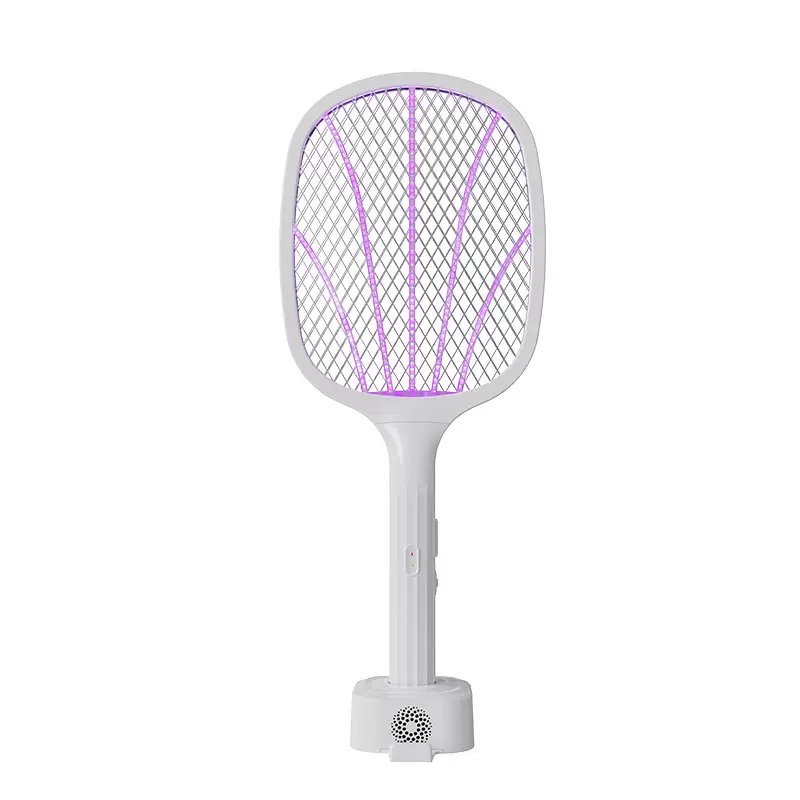
2. Shelf Life of Electric Mosquito Swatters: 1-2 Years is the Norm—Check the Packaging for Accuracy
According to mainstream market product information, there is no unified national mandatory standard for the shelf life of electric mosquito swatters. However, brands set their own time limits based on quality control, with the common range being 1-2 years:
- Budget basic models: Most have a 1-year shelf life. For example, multi-functional swatters popular in Douyin live broadcasts and entry-level models commonly found in supermarkets are mostly labeled “1-year shelf life,” and some manufacturers only offer a 3-month warranty. These products have lower costs for core components, so their quality guarantee periods are relatively short.
- Mid-to-high-end models: Can have a 2-year shelf life. Well-known brands like Caihong (Rainbow) offer foldable mosquito-attracting models clearly marked with a 2-year shelf life. Their packaging usually uses moisture-proof boxes to better ensure stable performance during storage.
Note: Even within the shelf life, improper storage (such as long-term dampness or exposure to direct sunlight) may cause internal battery swelling or circuit moisture damage, rendering the product unusable.
3. Service Life Holds Secrets: Good Maintenance Extends It from 3 to 5 Years
Expired shelf life doesn’t mean the swatter is “scrapped.” As long as the core components are intact, it can still be used. The industry’s default normal service life is 3-5 years, depending largely on the condition of two core components:
- Battery: The “backbone” of service life: Currently, mainstream electric mosquito swatters use nickel-cadmium (Ni-Cd) or lithium batteries. Ni-Cd batteries can be recharged over 1,000 times, and lithium batteries have a longer lifespan—but both are vulnerable to “storage with low power.” If not used for a long time, recharge it once every 3 months (for 8 hours or more) to avoid premature battery aging. On the contrary, leaving it unused in a corner for half a year without charging may result in it being unable to hold a charge after just 1 year.
- Power grid and circuit: Determine “combat effectiveness”: High-quality swatters use three-layer rust-proof metal grids + ABS flame-retardant casings. As long as they aren’t frequently hit against hard objects or exposed to water, the grid won’t easily deform or rust. However, frequent rinsing with water or contact with metal conductors may cause circuit short circuits, directly shortening the service life.
4. 3 Signs It’s Time to Replace Your Electric Mosquito Swatter
Regardless of whether the shelf life has expired, replace it promptly if these issues occur—safety first:
- Abnormal charging: It can’t be used for more than 1 day after charging for over 12 hours, or the casing gets hot during charging. This may indicate a swollen battery or damaged charging module.
- Reduced mosquito-killing effectiveness: The grid only “sizzles” when it touches mosquitoes but doesn’t kill them. This is likely due to insufficient voltage and internal circuit aging.
- Safety hazards: Cracks in the casing, exposed power grid, or malfunctioning switch. Even if it’s used for less than 1 year, don’t use it anymore to avoid electric shock risks.
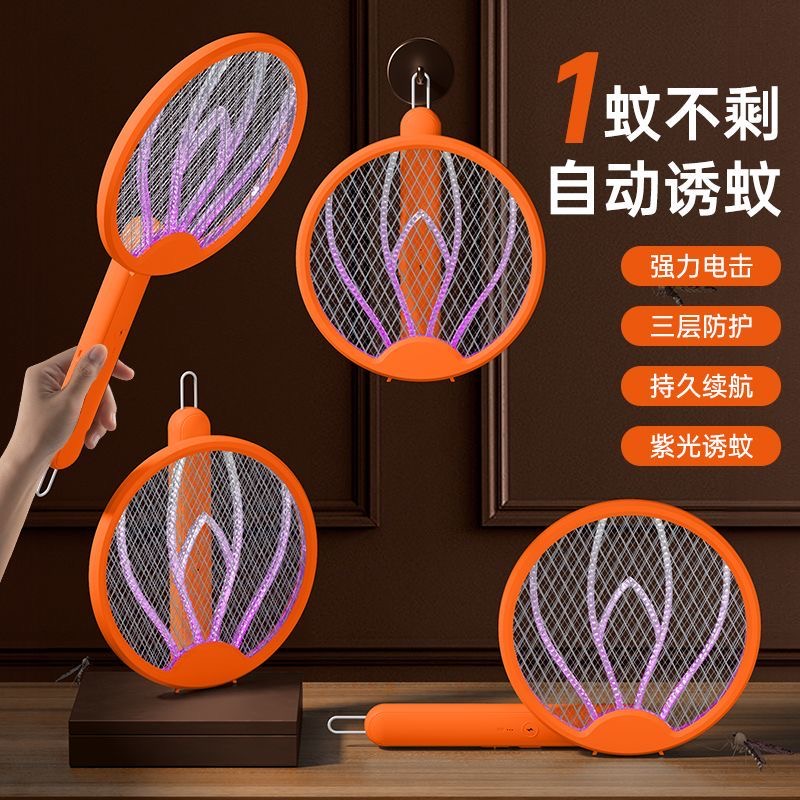
5. 4 Practical Tips to Extend Service Life
- Proper storage: Fully charge it before long-term storage, seal it in a moisture-proof bag, and store it in a dry place. Recharge it once every 3 months.
- Avoid overcharging: Charge it for 8 hours for the first use, and no more than 12 hours for subsequent charges to prevent battery damage from overcharging.
- Gentle cleaning: Use a soft brush to sweep or tap off mosquito residues on the grid. Don’t rinse with water or wipe with a damp cloth.
- Avoid taboos during use: Don’t hit walls or metal objects with it, keep it away from flammable and explosive environments, and dry it promptly after use in humid weather.
Approximately how many electric mosquito swatters can fit in one container
Container Transit Time – A Core Concern for Foreign Trade and Logistics
Related Article

If you’re struggling with annoying mosquitoes, flies, and other flying pests indoors and outdoors, upgrading from traditional manual tools to anElectric Mosquito Swatter is the most efficient solution. Many homeowners and renters search where to buy fly swatter online to find durable, safe, and high-performance electric models that deliver instant pest control.
Where to Buy Fly Swatter

Most importers of electric mosquito swatters obsess over the first order: samples requested, factories vetted, a pre-shipment inspection booked. Then the reorder arrives eight months later and something is off. The grid feels softer. The charge port is a slightly different shade of black. The carton thickness dropped from 350 gsm to 300 gsm. Nothing is catastrophic — but the product no longer matches what your retail customers approved, and quietly, your return rate starts climbing.
How to Keep Mosquito Swatter Quality Consistent Across Repeat Orders

Warranty returns are the silent margin killer in the mosquito control category. A distributor who buys a swatter at $1.80 FOB and retails it at $9.90 can absorb a 1% return rate without noticing — but at 5%, the combined cost of replacement units, reverse logistics, and refund processing erases most of the line's profit.
Common mosquito swatter killer lamp failure modes wholesale spec guide

Digital bathroom scales rank as the second-highest-volume consumer weighing product category, only behind kitchen scales, with distinct market and product characteristics that set them apart from other scale types in importers’ product portfolios.
Digital bathroom body fat-bia-scale wholesale buyers guide