
How long should you charge an electric mosquito swatter
2025-12-16
How long should you charge an electric mosquito swatter?
Charge it too short, and you’ll worry about running out of power when you need it most; charge it too long, and you might damage the battery. This practical guide covers all the core questions about charging electric mosquito swatters—from charging durations to common pitfalls—helping you master the skill easily and keep your mosquito-killing tool fully powered at all times!
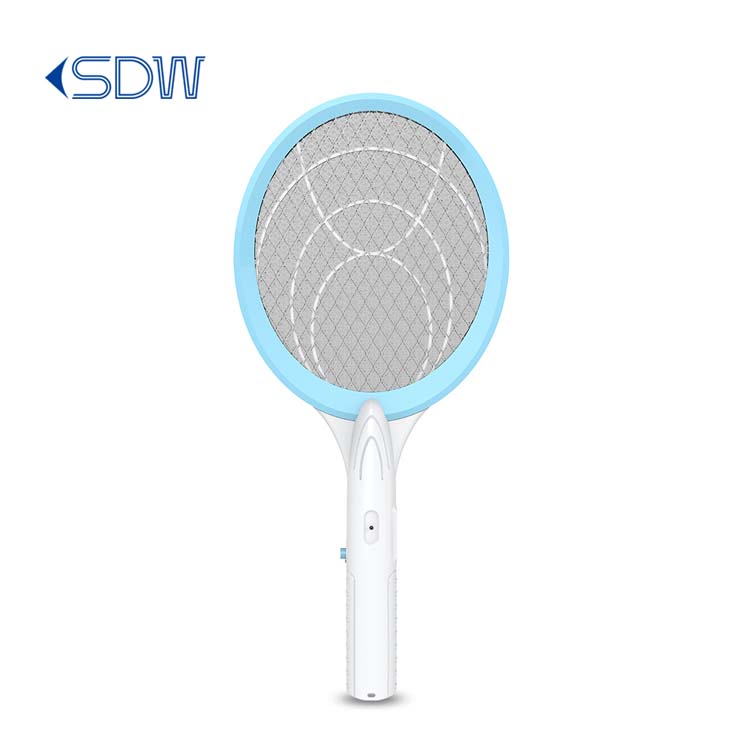
I. Core Answer: Charging Time for Different Scenarios
1. First-Time Charging (Battery Activation)
For a newly purchased electric mosquito swatter, the battery is in an unactivated state. First-time charging requires 6-12 hours (please refer to the instruction manual for specific details).
- Nickel-cadmium (NiCd)/Nickel-metal hydride (NiMH) batteries: It is recommended to charge for 10-12 hours and complete 3 cycles of "full charge - full discharge" to maximize battery capacity activation;
- Lithium-ion (Li-ion) batteries: No long-term activation is needed. Charge for 6-8 hours only to avoid damage from overcharging.
2. Daily Charging (Power Supplement & Endurance)
The charging duration varies based on the remaining battery power after daily use. The core principle is "stop once fully charged":
- When the battery is fully depleted: Charge for 2-4 hours (2-3 hours for Li-ion batteries, 3-4 hours for NiCd batteries);
- When 30%-50% power remains: Charge for 1-2 hours;
- After the indicator shows "fully charged", trickle charge for about 30 minutes (no more than 1 hour) to ensure the battery is fully saturated without overloading.
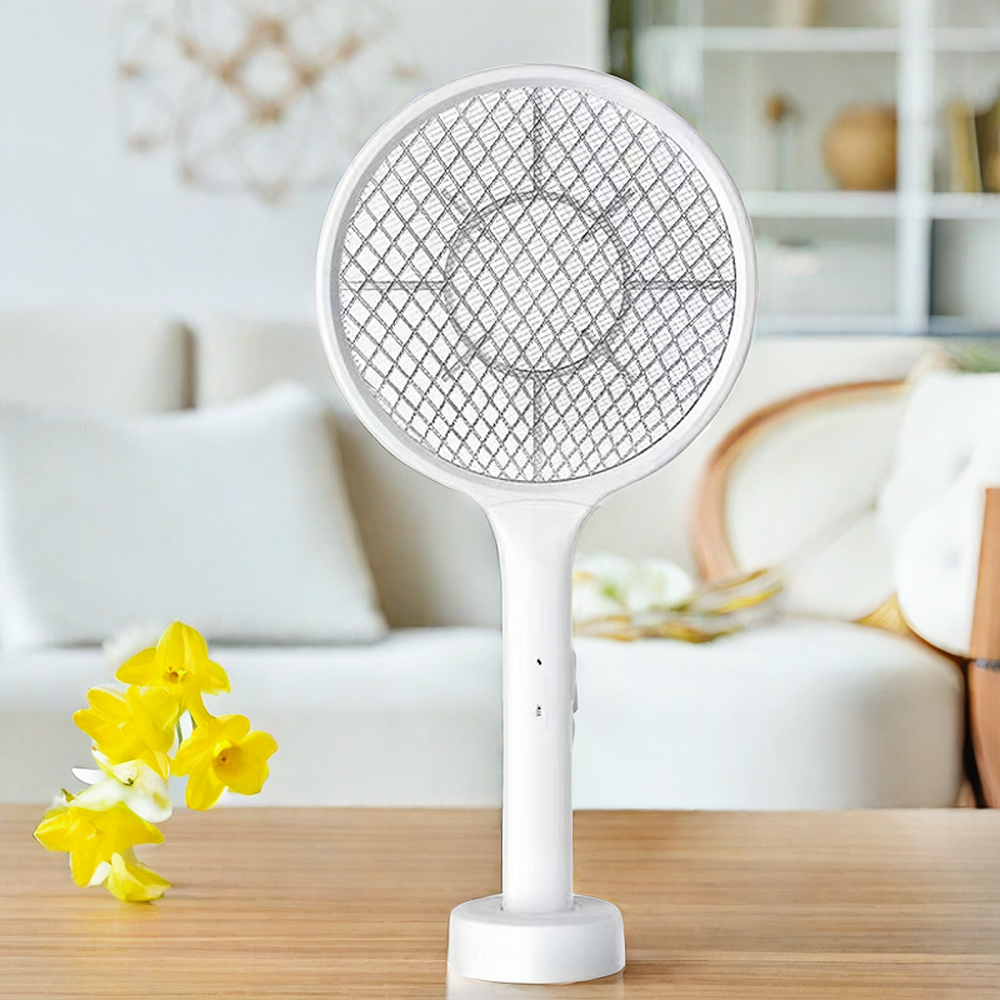
II. 3 Key Factors Affecting Charging Duration
- Battery Type: Li-ion batteries have the highest charging efficiency (1C fast charging), while NiCd/NiMH batteries are slightly slower. Li-ion batteries take 30% less charging time than NiCd/NiMH batteries of the same capacity;
- Battery Capacity: Common electric mosquito swatter batteries range from 400mAh to 1200mAh. The larger the capacity, the longer the charging time (e.g., a 400mAh Li-ion battery takes 2 hours to charge, while a 1200mAh one needs 3-4 hours);
- Charger Power: Original chargers usually have a power of 5V/1A. Using a higher-power charger (e.g., 5V/2A) can shorten the charging time, but ensure the electric mosquito swatter supports fast charging (to avoid battery damage from mismatched power).
III. Charging Pitfalls: Avoid These Mistakes!
❌ Prolonged overcharging: Leaving it plugged in for more than 8 hours after full charge will accelerate battery aging (NiCd batteries are prone to "memory effect", and Li-ion batteries may swell);
❌ Charging only when fully depleted: Frequent full discharge before charging damages the battery's cycle life. It is recommended to recharge when 20%-30% power remains;
❌ Using non-original chargers: Chargers from different brands may have different interfaces and power, leading to abnormal charging (e.g., incomplete charging, battery overheating). Prioritize using the original charger;
❌ Charging in high-temperature/humid environments: Keep the electric mosquito swatter away from direct sunlight and heaters during charging to avoid overheating. Maintain dryness to prevent short circuits.
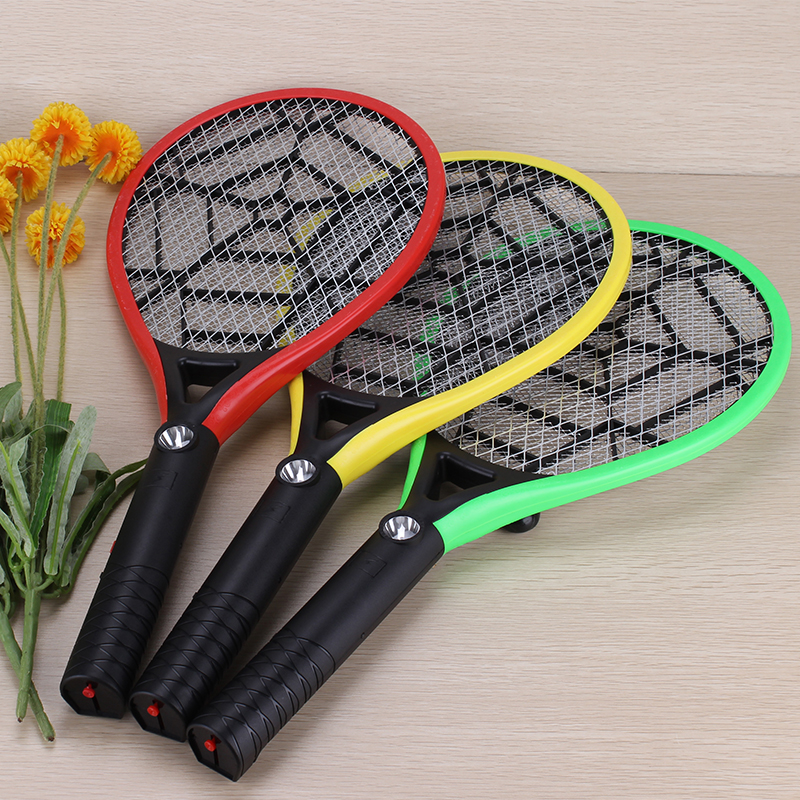
IV. Practical Tips: Extend Battery Life + Accurately Judge Charging Status
- Observe the indicator light while charging: A red light means it’s charging; a green light or a turned-off light indicates full charge (some models have a steady green light for full charge—refer to the instruction manual);
- For long-term non-use: Charge once a month (maintain 50% power) to avoid battery scrapping due to deep discharge;
- If the battery gets noticeably hot or emits an odor during charging, disconnect the power immediately. This may indicate a battery malfunction—stop using it.
Guide to Winter Mosquito Control
What is factory inspection
Related Article

If you’re struggling with annoying mosquitoes, flies, and other flying pests indoors and outdoors, upgrading from traditional manual tools to anElectric Mosquito Swatter is the most efficient solution. Many homeowners and renters search where to buy fly swatter online to find durable, safe, and high-performance electric models that deliver instant pest control.
Where to Buy Fly Swatter
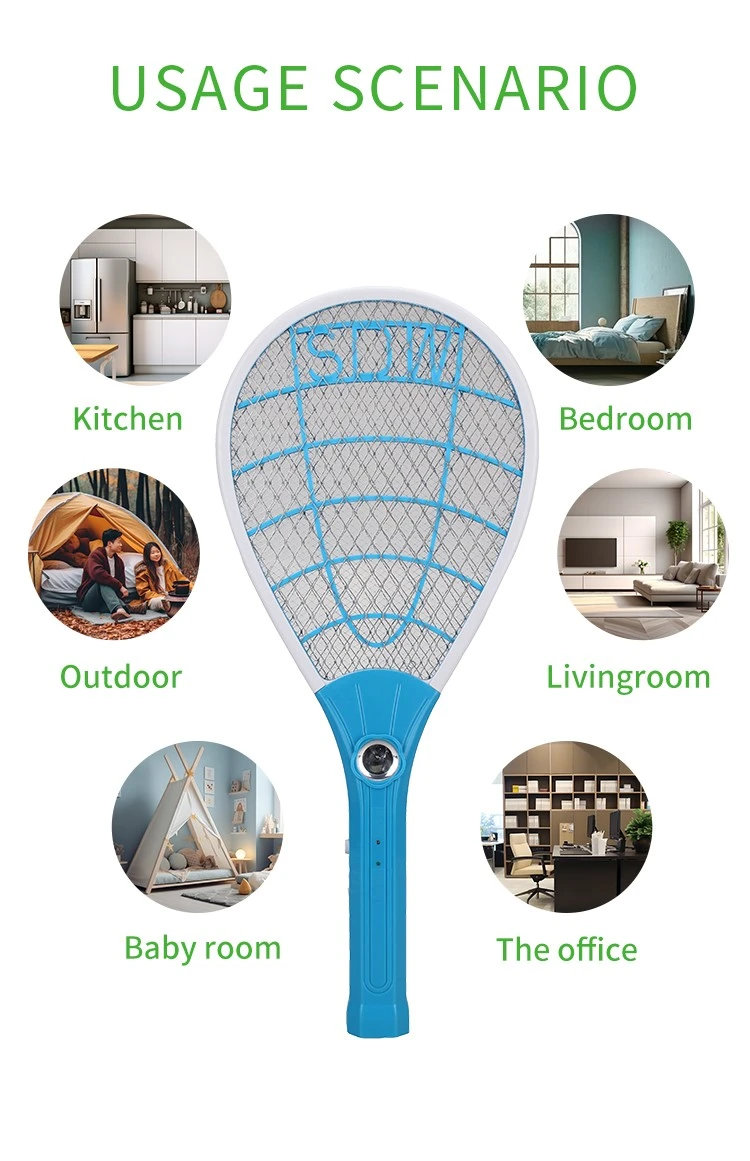
Most importers of electric mosquito swatters obsess over the first order: samples requested, factories vetted, a pre-shipment inspection booked. Then the reorder arrives eight months later and something is off. The grid feels softer. The charge port is a slightly different shade of black. The carton thickness dropped from 350 gsm to 300 gsm. Nothing is catastrophic — but the product no longer matches what your retail customers approved, and quietly, your return rate starts climbing.
How to Keep Mosquito Swatter Quality Consistent Across Repeat Orders
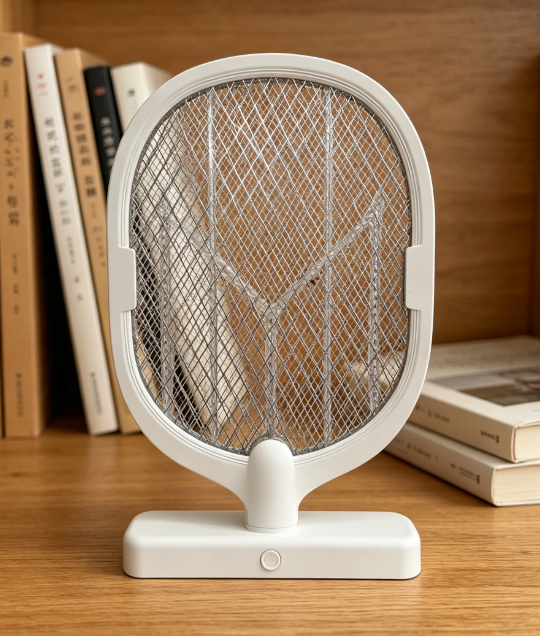
Warranty returns are the silent margin killer in the mosquito control category. A distributor who buys a swatter at $1.80 FOB and retails it at $9.90 can absorb a 1% return rate without noticing — but at 5%, the combined cost of replacement units, reverse logistics, and refund processing erases most of the line's profit.
Common mosquito swatter killer lamp failure modes wholesale spec guide

Digital bathroom scales rank as the second-highest-volume consumer weighing product category, only behind kitchen scales, with distinct market and product characteristics that set them apart from other scale types in importers’ product portfolios.
Digital bathroom body fat-bia-scale wholesale buyers guide