
How Much of Pest Control
2025-12-11
How Much of Pest Control? A Complete Price Guide
Discovering pests in your home or business is stressful enough—then comes the inevitable question: How much is it for pest control? The answer isn’t one-size-fits-all, but understanding the key factors that shape costs can help you budget wisely and avoid surprises. Let’s break down what you need to know about pest control pricing.
Key Factors That Determine Pest Control Costs
The first thing to note is that pest control prices vary based on several critical variables. Here’s what impacts the final bill:
1. Type of Pest
Different pests require different treatments, and some are more labor-intensive (or costly) to eliminate than others. For example:
- Common pests like ants, roaches, or spiders: Typically cheaper, as they respond to standard sprays or baits.
- Wood-destroying pests like termites: More expensive, since they require specialized treatments (e.g., termite barriers, fumigation) and long-term monitoring.
- Rodents (mice, rats): Mid-range, as they may need traps, bait stations, and sealing entry points.
- Wildlife (squirrels, raccoons): Higher cost, due to the need for humane removal, exclusion, and cleanup.
2. Severity of Infestation
A minor ant trail in the kitchen will cost far less than a full-blown termite colony or a rodent infestation that’s spread through your walls. Severe infestations require more frequent visits, stronger products, and extra labor—all of which drive up the price.
3. Size of Your Property
Pest control companies often charge based on square footage. A small apartment (500–800 sq. ft.) will cost less than a 3,000+ sq. ft. house, as more area means more product and time. Outdoor treatments (e.g., yard pest control) also factor in lot size.
4. Treatment Type & Frequency
- One-time service: Best for minor, isolated infestations. Prices range from \(150–\)500, depending on the pest and property size.
- Monthly/quarterly maintenance: Ideal for preventing recurring pests (e.g., roaches in warm climates, seasonal ants). Monthly plans typically cost \(30–\)75 per visit, while quarterly plans range from \(100–\)300 per visit.
- Emergency service: If you need immediate help (e.g., a wasp nest near your front door), expect a premium—usually 20–50% more than standard rates.
5. Location
Costs also vary by region. Urban areas with higher living costs (e.g., New York, Los Angeles) tend to have higher pest control prices than rural areas. Additionally, regions with year-round warm weather (e.g., Florida, Texas) may have higher maintenance costs due to persistent pest activity.
Average Pest Control Price Ranges (2024)
To give you a ballpark idea, here are the average costs for common pest control services in the U.S.:
|
Pest Type
|
One-Time Service
|
Monthly Maintenance
|
Quarterly Maintenance
|
|
Ants/Roaches/Spiders
|
\(150–\)300
|
\(30–\)60
|
\(100–\)200
|
|
Termites
|
\(500–\)2,500 (initial treatment)
|
\(30–\)50 (monitoring)
|
N/A
|
|
Rodents (Mice/Rats)
|
\(200–\)400
|
\(40–\)75
|
\(150–\)300
|
|
Wasps/Hornets
|
\(100–\)300
|
N/A
|
N/A
|
|
Wildlife (Squirrels/Raccoons)
|
\(300–\)800
|
N/A
|
N/A
|
Note: Prices are averages and may vary by location, property size, and infestation severity.
How to Save Money on Pest Control
While pest control is an investment in your home’s health, there are ways to keep costs in check:
- Address infestations early: Catching pests before they multiply avoids costly severe treatments.
- Compare quotes: Get 2–3 estimates from licensed companies to ensure you’re getting a fair price.
- Opt for preventive plans: Quarterly maintenance is often cheaper than dealing with repeat infestations.
- Do minor DIY prep: Seal cracks, keep food stored securely, and eliminate standing water to reduce pest attraction—this can lower treatment costs.
Final Thoughts: Is Pest Control Worth the Cost?
When asking “how much is it for pest control,” it’s important to weigh the cost against the risks. Pests can damage your home (termite wood damage costs billions annually), spread diseases (rodents carry hantavirus, roaches trigger allergies), and ruin your peace of mind. Professional pest control is often more effective and safer than DIY methods, saving you time and money in the long run.
If you’re dealing with pests, start by contacting a licensed exterminator for a free inspection—most companies offer this to assess the problem and provide a customized quote. This way, you’ll get a clear answer to “how much is it for pest control” tailored to your specific situation.
Core Components Determine Classification
The Correct Usage of Electric Mosquito Swatters
Related Article

If you’re struggling with annoying mosquitoes, flies, and other flying pests indoors and outdoors, upgrading from traditional manual tools to anElectric Mosquito Swatter is the most efficient solution. Many homeowners and renters search where to buy fly swatter online to find durable, safe, and high-performance electric models that deliver instant pest control.
Where to Buy Fly Swatter
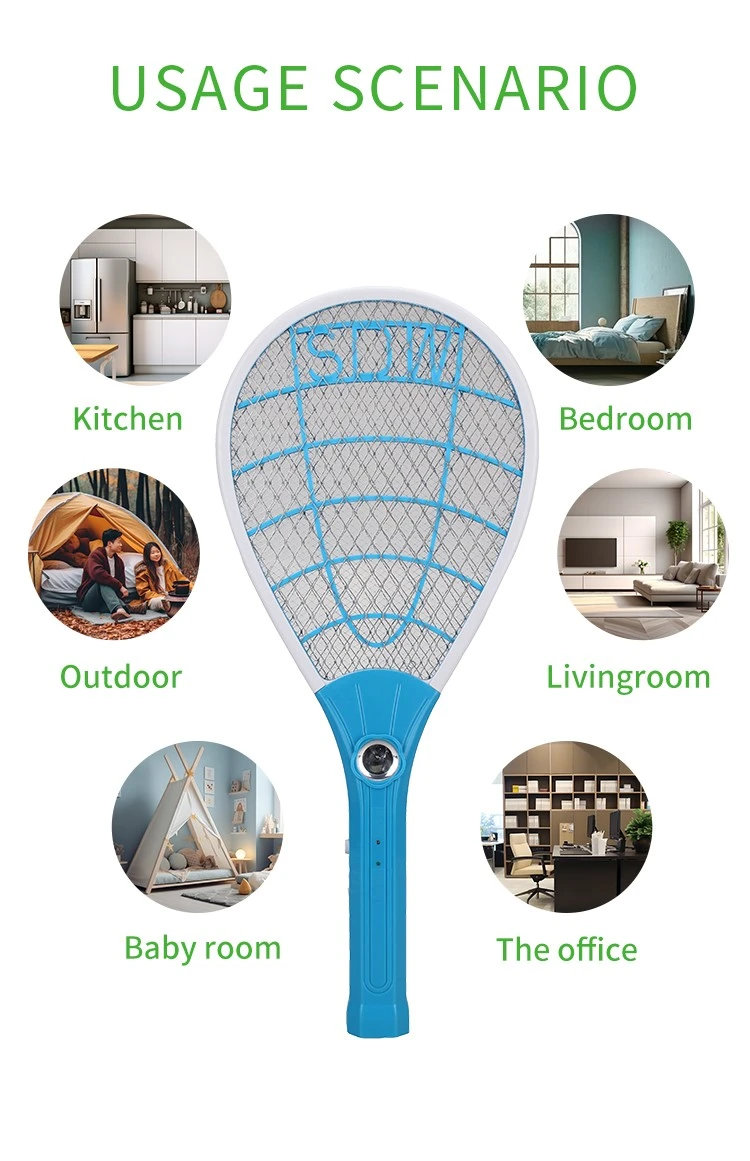
Most importers of electric mosquito swatters obsess over the first order: samples requested, factories vetted, a pre-shipment inspection booked. Then the reorder arrives eight months later and something is off. The grid feels softer. The charge port is a slightly different shade of black. The carton thickness dropped from 350 gsm to 300 gsm. Nothing is catastrophic — but the product no longer matches what your retail customers approved, and quietly, your return rate starts climbing.
How to Keep Mosquito Swatter Quality Consistent Across Repeat Orders
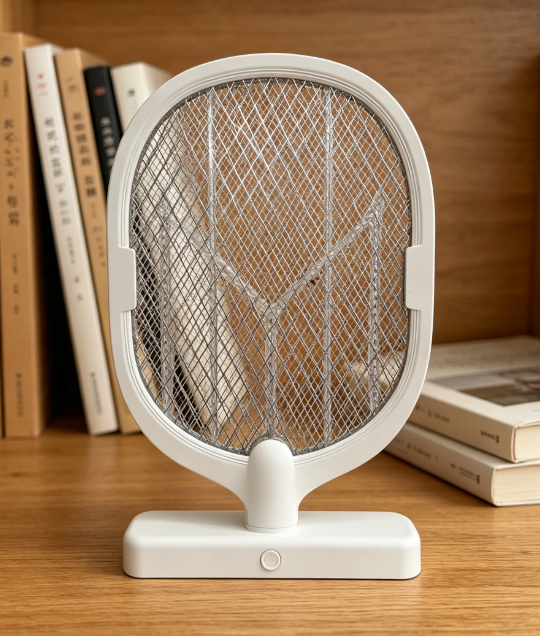
Warranty returns are the silent margin killer in the mosquito control category. A distributor who buys a swatter at $1.80 FOB and retails it at $9.90 can absorb a 1% return rate without noticing — but at 5%, the combined cost of replacement units, reverse logistics, and refund processing erases most of the line's profit.
Common mosquito swatter killer lamp failure modes wholesale spec guide

Digital bathroom scales rank as the second-highest-volume consumer weighing product category, only behind kitchen scales, with distinct market and product characteristics that set them apart from other scale types in importers’ product portfolios.
Digital bathroom body fat-bia-scale wholesale buyers guide