
How Often Should I Clean My Electric Mosquito Swatter
2026-06-17
How Often Should I Clean My Electric Mosquito Swatter? Complete Cleaning Guide
Electric mosquito swatters, especially rechargeable ones, are the most popular chemical-free mosquito-killing tools for households in warm seasons. After daily use, dead bug debris, insect dust and sticky residues will stick to the high-voltage mesh gradually. Most users ignore regular cleaning, which leads to weaker killing power, unpleasant odor, even short-circuit risks. Many homeowners ask: How often should I clean a mosquito swatter exactly? This guide clarifies standard cleaning frequency, classification cleaning rules, correct steps and forbidden cleaning behaviors for safe and long-term use.
1. Standard Cleaning Frequency for Daily Household Use
Cleaning cycles vary based on usage frequency, indoor insect density and use environment. We divide it into three universal cleaning rules for easy follow-up:
Light use (1-3 times per week): Clean the mosquito swatter once every 7 days. Suitable for air-conditioned rooms, high-floor apartments, or dry areas with few mosquitoes. Only tiny bug residues accumulate on the mesh, weekly dust removal is enough to keep normal voltage performance.
Regular daily use (daily use every night): Clean the mosquito swatter once every 2 to 3 days. This is the most common cycle for ground-floor houses, suburban homes, and households with open windows. A large number of mosquitoes, gnats and flies will stick to the mesh, blocking high-voltage conduction if left uncleaned.
Heavy intensive use: Clean after every single use. Required for outdoor camping, courtyard use, rainy humid nights, or peak mosquito seasons from June to August. Humid air makes bug carcasses rot quickly, producing mold and foul smell within 24 hours.
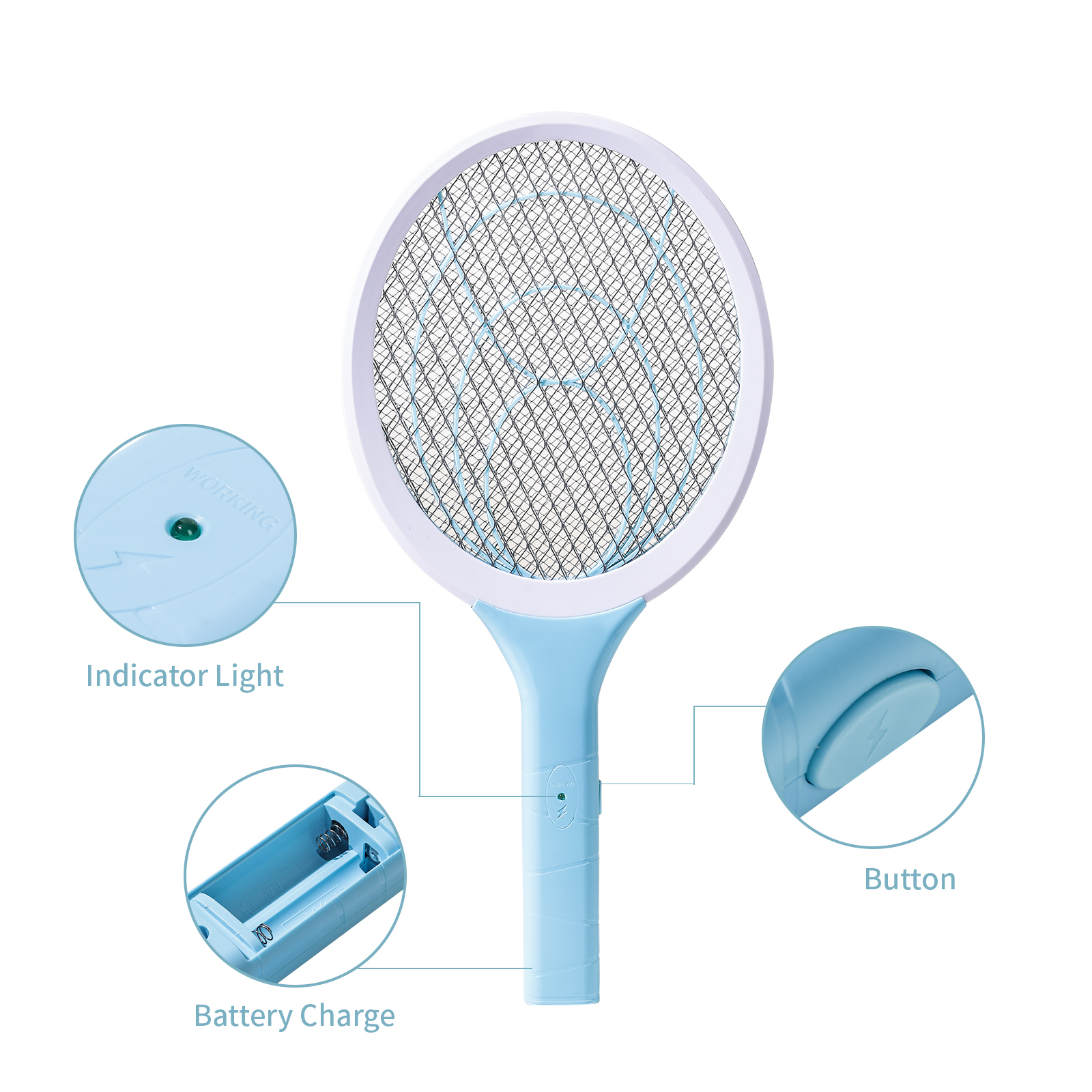
2. 4 Clear Signs Your Mosquito Swatter Needs Immediate Cleaning
Besides fixed time cycles, you can judge cleaning needs via obvious device changes. Stop using and clean it right away if you notice these situations:
-
The electric spark becomes faint when touching insects, and mosquitoes can escape after being shocked
-
Visible bug piles, black burnt dust or sticky insect liquid covers more than 1/3 of the mesh surface
-
Odd burnt odor or musty smell comes out when turning on the electric shock mode
-
The swatter takes longer to kill the same type of mosquitoes compared with a new one
3. Difference: Deep Cleaning vs. Daily Surface Cleaning
Not all cleaning work is the same. Distinguish surface sweeping and deep cleaning to extend the service life of rechargeable mosquito swatters:
Daily Surface Cleaning
It is a quick dry cleaning method for routine maintenance. Use a soft brush, cotton swab or dry tissue to sweep off dry bug remains. It takes less than 1 minute, matches the 2-7 day regular cleaning cycle, no water contact needed.
Monthly Deep Cleaning
Do thorough deep cleaning once a month during the mosquito season. Turn off power fully and remove charging cable first. Wipe the mesh with slightly damp lint-free cloth to remove burnt stubborn stains and insect mucus. Deep cleaning can restore 100% original high-voltage power, and prevent mesh corrosion.
4. Critical Cleaning Rules for Rechargeable Mosquito Swatters
Rechargeable lithium battery mosquito swatters have stricter cleaning rules than disposable battery models. Wrong cleaning will damage the built-in battery and circuit board:
-
Cut off all power before cleaning: Turn off the power switch, and make sure the swatter is not plugged in for charging at any time.
-
No direct water soaking: Most swatter handles and battery bases are non-waterproof. Only the outer mesh can be wiped damply, never soak the whole device in water.
-
Do not use corrosive detergent: Avoid alcohol, disinfectant spray or cleaning liquid, which will damage the insulating protective layer of the mesh and cause electric leakage.
-
Fully air-dry before reuse: If you use damp cloth for cleaning, place the swatter in a ventilated place until completely dry before turning it on again.
5. Consequences of Neglecting Mosquito Swatter Cleaning
Many users skip cleaning out of laziness, which brings hidden troubles for household use:
First, reduced killing efficiency. Bug residues form an insulating layer on the high-voltage grid, lowering electric voltage, making mosquitoes only stunned instead of killed. Second, hygiene risks. Rotting insect bodies breed bacteria and mites, spreading allergens in closed bedrooms. Third, safety hazards. Accumulated conductive bug dust may cause short circuit, electric spark leakage, even circuit burnout for rechargeable models. Fourth, shortened battery life. Long-term dirty mesh increases operating load, speeding up lithium battery consumption.
Final Cleaning Summary
To simplify the rule: Clean dry debris every 2-3 days for daily home use, do monthly deep wiping, and clean instantly after outdoor use. Stick to simple regular cleaning, your rechargeable mosquito swatter can keep stable killing performance for 2-3 years, meanwhile keeping indoor air clean and household use safe.
Can a Mosquito Bite Kill You
Why Rechargeable Electric Mosquito Swatters Are Top Home Mosquito Killers
Related Article

If you’re struggling with annoying mosquitoes, flies, and other flying pests indoors and outdoors, upgrading from traditional manual tools to anElectric Mosquito Swatter is the most efficient solution. Many homeowners and renters search where to buy fly swatter online to find durable, safe, and high-performance electric models that deliver instant pest control.
Where to Buy Fly Swatter

Most importers of electric mosquito swatters obsess over the first order: samples requested, factories vetted, a pre-shipment inspection booked. Then the reorder arrives eight months later and something is off. The grid feels softer. The charge port is a slightly different shade of black. The carton thickness dropped from 350 gsm to 300 gsm. Nothing is catastrophic — but the product no longer matches what your retail customers approved, and quietly, your return rate starts climbing.
How to Keep Mosquito Swatter Quality Consistent Across Repeat Orders

Warranty returns are the silent margin killer in the mosquito control category. A distributor who buys a swatter at $1.80 FOB and retails it at $9.90 can absorb a 1% return rate without noticing — but at 5%, the combined cost of replacement units, reverse logistics, and refund processing erases most of the line's profit.
Common mosquito swatter killer lamp failure modes wholesale spec guide

Digital bathroom scales rank as the second-highest-volume consumer weighing product category, only behind kitchen scales, with distinct market and product characteristics that set them apart from other scale types in importers’ product portfolios.
Digital bathroom body fat-bia-scale wholesale buyers guide