
How Often Should You Charge an Electric Mosquito Swatter
2026-04-17
How Often Should You Charge an Electric Mosquito Swatter? A Complete Guide to Charging and Maintenance for Beginners
How often should you charge the electric mosquito swatter at home? Charging it too frequently may damage the battery, while charging it too little may leave it powerless when you need it most. In fact, there is no fixed answer to the charging frequency. It mainly depends on the frequency of use and the battery type. Today, we will clarify it all at once, so even beginners can easily master it, making the electric mosquito swatter both durable and worry-free~
I. Charging Frequency of Electric Mosquito Swatters: 2 Key Factors (Usage Frequency + Battery Type)
Mainstream electric mosquito swatters on the market are divided into rechargeable (lithium battery, nickel-cadmium battery) and non-rechargeable (dry battery). Among them, rechargeable ones are the most commonly used. Their charging frequency is mainly determined by the frequency of use, with great differences in different scenarios. There is no need to blindly follow "charging every day" or "charging after use up".
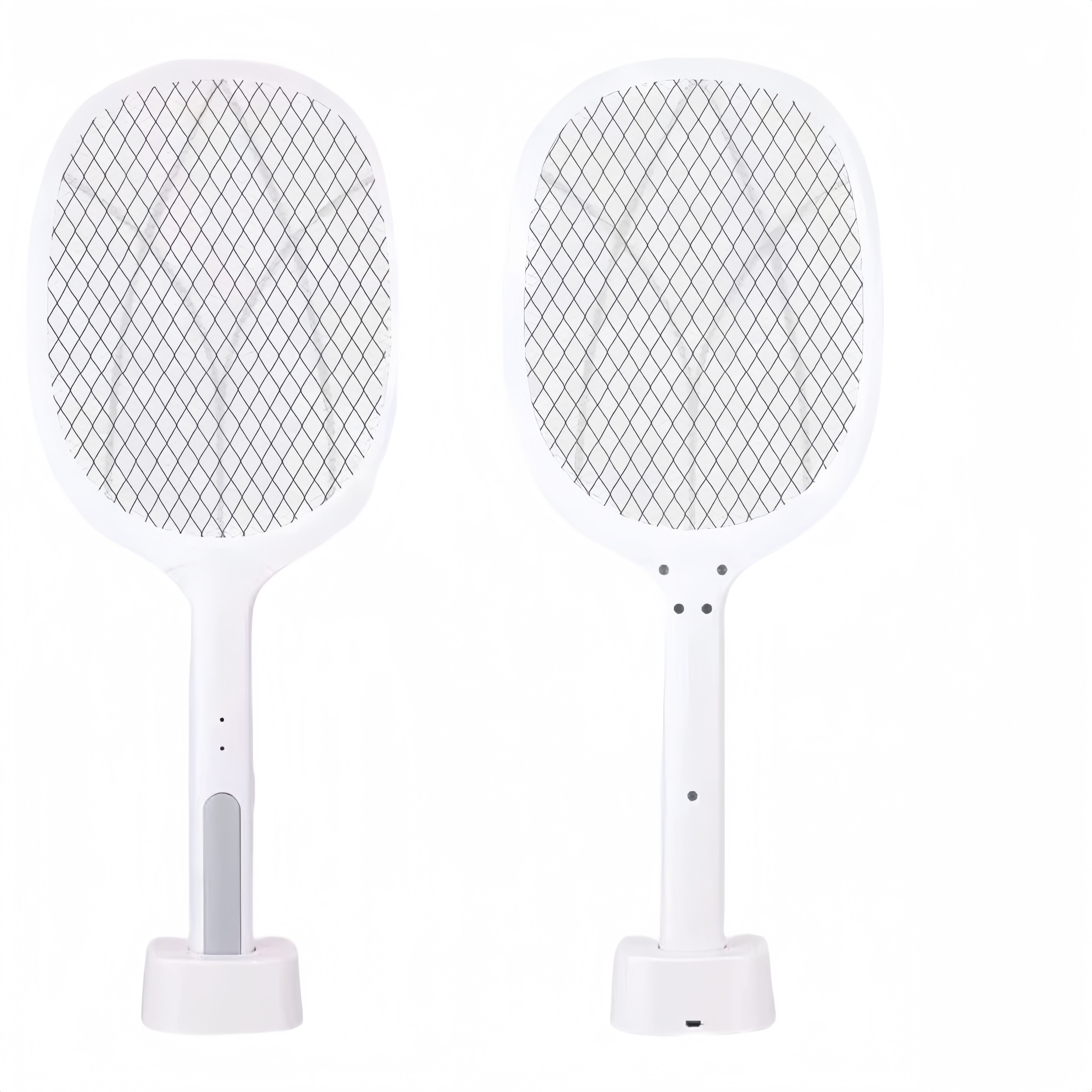
1. Divided by Usage Frequency: Precise Matching, No Waste or Undercharging
In daily use, we can flexibly adjust the charging time according to the daily usage duration to avoid damaging the battery due to overcharging or over-discharging:
High-frequency use (1-2 times a day, 5-10 minutes each time): Suitable for scenarios such as mosquito-dense summer nights and outdoor cooling. Under this intensity of use, the battery consumes quickly, so it is recommended to charge it every 3-5 days. At this time, the electric shock intensity of the mosquito swatter will gradually weaken, and the indicator light may flash (for some models). Charging in time can ensure the mosquito-killing effect and avoid battery undercharging.
Medium-frequency use (once every 2-3 days, 3-5 minutes each time): Suitable for scenarios where there are few mosquitoes indoors and only occasional "escapees" need to be eliminated. In this case, the battery consumes slowly, so it is recommended to charge it every 7-10 days. After being fully charged, it can usually maintain normal use for about 10 days under this intensity of use.
Low-frequency use (less than once a week, occasional emergency use): Suitable for scenarios where there are few mosquitoes in spring and autumn, or only for standby. At this time, the battery consumes very slowly, so there is no need to charge it frequently. It is recommended to charge it every 15-30 days, mainly to maintain battery activity and avoid battery aging and failure due to long-term placement.
2. Divided by Battery Type: Different Batteries, Different Charging Rhythms
The battery type of the rechargeable electric mosquito swatter directly affects the charging frequency and battery life. The usage skills of the two mainstream batteries should be distinguished:
Lithium battery type (currently mainstream): It has strong battery life and long service life. It can be used for a longer time after one charge, and the charging frequency is relatively lower. For example, a 2000mAh lithium battery electric mosquito swatter only needs to be charged about twice a month when used every day, and it can be fully charged in about 3 hours each time. After being fully charged, the indicator light will change from red to green to remind. Lithium batteries do not need to be fully discharged before charging, and charging at any time will not damage the battery, making them more suitable for daily high-frequency use.
Nickel-cadmium battery type (common in old-fashioned electric mosquito swatters): It has slightly weaker battery life and has a "memory effect". It needs to be fully discharged before being fully charged, otherwise the battery life will be gradually shortened. It is recommended to charge it only when the electric shock intensity is significantly weakened and it can hardly kill mosquitoes. The charging frequency is slightly higher than that of the lithium battery type, usually every 2-3 days, and each charge takes 6-8 hours, which should not exceed 8 hours to avoid damaging the battery.
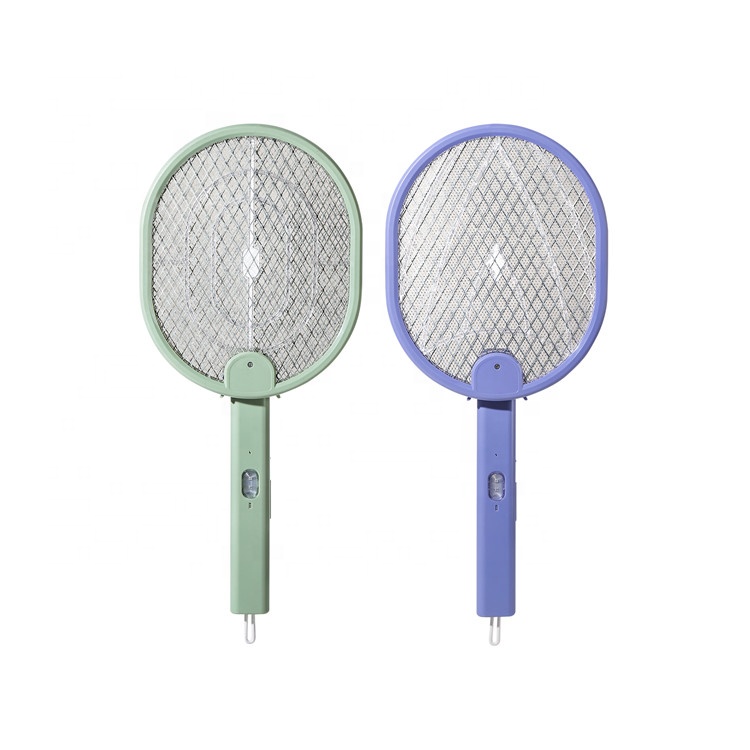
II. Correct Charging Steps + Time to Avoid Damaging the Battery
Many people not only struggle with the charging frequency but also easily ignore the charging method. Incorrect charging methods will greatly shorten the service life of the electric mosquito swatter. These key details must be remembered:
1. First Charge: Do a Good Job of "Activation" to Lay a Durable Foundation
The first charge of a newly purchased electric mosquito swatter is crucial, which directly affects the subsequent battery life and service life. Regardless of the battery type, it is recommended to charge it for 4-8 hours for the first time (4-6 hours for lithium batteries, 6-8 hours for nickel-cadmium batteries) to ensure complete activation of the battery. Note: There is no need to wait until the battery is completely dead for the first charge. The new electric mosquito swatter has a small amount of power. It can be charged when it is full, and overcharging is not allowed.
2. Daily Charging: Control the Time and Refuse "Long-term Plug-in Charging"
During daily charging, first switch the power switch of the electric mosquito swatter to the OFF position, then push out the AC plug and insert it into a 220V power socket. At this time, the charging indicator light is on, indicating that it is charging. The charging time of lithium batteries is usually 3-6 hours, and that of nickel-cadmium batteries is 6-8 hours. Unplug the power in time after full charging. Do not keep it plugged in the socket for "floating charging", otherwise, it will cause the battery to overheat and age, and even pose a safety hazard. The maximum charging time should not exceed 15 hours.
3. Charging Taboos: These 3 Things Must Never Be Done
① Do not press the switch or touch the mesh surface when charging to avoid electric shock or damage to the internal circuit; ② Do not use a non-matching charger for charging. Different models of electric mosquito swatters have different charging voltages and currents. Mixing chargers will burn the battery or circuit board; ③ Do not charge in a high-temperature and humid environment, such as a balcony exposed to direct sunlight or a bathroom, which may easily cause short circuits or battery bulging.
III. Common Charging Misunderstandings + Maintenance Tips to Extend the Service Life of Electric Mosquito Swatters
In addition to mastering the charging frequency, avoiding misunderstandings and doing a good job in maintenance can make the electric mosquito swatter last longer and the battery life not attenuate.
1. 3 Common Misunderstandings That Many People Are Making
Misunderstanding 1: "Charging after use up" is more durable — Wrong! Especially for lithium batteries, over-discharging will damage the battery capacity, leading to shorter and shorter subsequent battery life. It is recommended to charge when the remaining power is about 20%; although nickel-cadmium batteries need to be fully discharged, do not wait until they can no longer be used to charge to avoid undercharging.
Misunderstanding 2: "Long-term plug-in" is more convenient — Wrong! Long-term plug-in will keep the battery in a "full power state", accelerate aging and shorten the service life. The key is to unplug the plug in time after full charging.
Misunderstanding 3: "No need to charge when not in use for a long time" — Wrong! If the electric mosquito swatter is not used for a long time (more than 1 month), it will cause battery undercharging, decreased activity, and even failure to charge normally. It is recommended to supplement charging once every 3 months, 8 hours or more each time, to maintain battery activity.
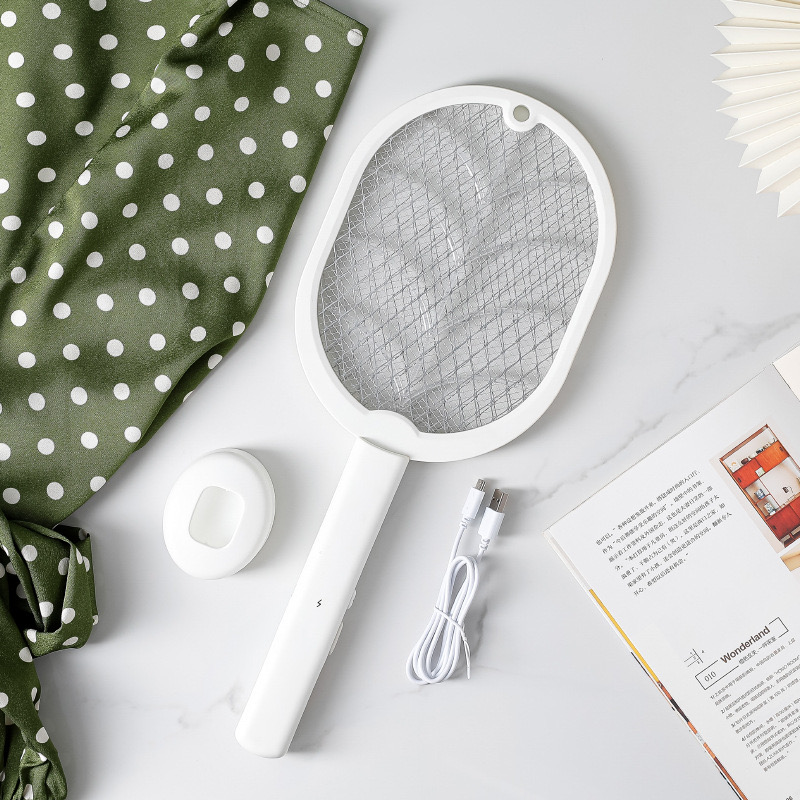
2. Simple Maintenance Tips to Easily Extend the Service Life
① Cleaning and maintenance: After use, timely clean the mosquito remains on the mesh surface, gently brush them off with a soft brush, do not rinse with water to avoid moisture and short circuit; in humid weather, you can dry it with a hair dryer or in the sun to restore the electric shock effect.
② Storage skills: When not in use for a long time, first fully charge it, then place it in a dry, cool and ventilated place to avoid high-temperature and humid environments. For lithium battery models, the battery can be taken out and stored separately to prevent leakage from corroding the circuit.
③ Regular inspection: Regularly check whether the battery is bulging or leaking, and whether it heats abnormally during charging. If these situations occur, stop using it immediately, replace the battery or send it for repair to avoid safety hazards.
To sum up: There is no fixed standard for the charging frequency of electric mosquito swatters. The core is "charging on demand" — charge every 3-5 days for high-frequency use, every 7-10 days for medium-frequency use, and every 15-30 days for low-frequency use, which can be adjusted according to the battery type. Mastering the correct charging method and maintenance skills can not only ensure the mosquito-killing effect but also extend the service life of the electric mosquito swatter. You will no longer worry about the electric mosquito swatter being out of power this summer~
Electric Mosquito Swatter Buying Guide
Do Mosquito Lamps Emit Radiation
Related Article

If you’re struggling with annoying mosquitoes, flies, and other flying pests indoors and outdoors, upgrading from traditional manual tools to anElectric Mosquito Swatter is the most efficient solution. Many homeowners and renters search where to buy fly swatter online to find durable, safe, and high-performance electric models that deliver instant pest control.
Where to Buy Fly Swatter
Most importers of electric mosquito swatters obsess over the first order: samples requested, factories vetted, a pre-shipment inspection booked. Then the reorder arrives eight months later and something is off. The grid feels softer. The charge port is a slightly different shade of black. The carton thickness dropped from 350 gsm to 300 gsm. Nothing is catastrophic — but the product no longer matches what your retail customers approved, and quietly, your return rate starts climbing.
How to Keep Mosquito Swatter Quality Consistent Across Repeat Orders
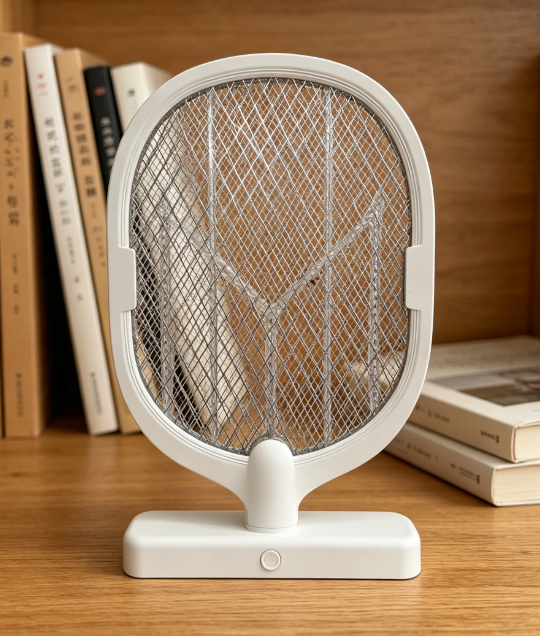
Warranty returns are the silent margin killer in the mosquito control category. A distributor who buys a swatter at $1.80 FOB and retails it at $9.90 can absorb a 1% return rate without noticing — but at 5%, the combined cost of replacement units, reverse logistics, and refund processing erases most of the line's profit.
Common mosquito swatter killer lamp failure modes wholesale spec guide

Digital bathroom scales rank as the second-highest-volume consumer weighing product category, only behind kitchen scales, with distinct market and product characteristics that set them apart from other scale types in importers’ product portfolios.
Digital bathroom body fat-bia-scale wholesale buyers guide