
How Often Should You Charge an Electric Mosquito Swiper
2026-07-08
How Often Should You Charge an Electric Mosquito Swiper? Complete Charging & Maintenance Guide
Electric mosquito swipers are essential household tools for repelling and killing mosquitoes in summer. However, most people are confused about their correct charging routine. Some charge them every day, causing battery bulging and shortened service life; others only charge them when the battery is completely dead, leading to gradually degraded battery life. In fact, there is no fixed rule for how often to charge an electric mosquito swiper. The charging frequency mainly depends on the battery type, usage frequency and storage condition. This guide will elaborate on the correct charging cycles to help you properly use and maintain your electric mosquito swiper and extend its service life.
1. Daily Usage: Charging Cycles for Different Usage Frequencies
There is no need to charge your mosquito swiper on a fixed schedule in daily use. The core principle is to charge it only when the power is low and avoid frequent shallow charging. The charging routine varies greatly according to different usage frequencies.
High-frequency usage (daily use in mosquito-heavy summer): If you use the swiper for 10 to 20 minutes every day to kill mosquitoes and flies,charge it once every 3 to 7 days. Frequent daily use drains the battery faster. Obvious signs of low power include weaker electric shock sounds and reduced shock frequency when pressing the button. Charge it in a timely manner once these signs appear, and avoid unnecessary daily top-ups.
Low-frequency usage (occasional use with few mosquitoes): Mosquitoes are rare in spring, autumn and winter, and you may only use the swiper once every few days or weeks. Frequent charging is unnecessary in this case. A full charge can normally last 1 to 2 months with occasional use. Most new lithium-ion mosquito swipers have superior battery life and can even last through the entire low-mosquito season on a single full charge.
It is worth noting that frequent shallow charging should be avoided in daily use. Keeping the battery in continuous charge-discharge cycles will accelerate aging, resulting in declining battery life and poor power retention over time.
2. Long-term Storage: Charging Rules for Off-season Idle Use
Most people store their electric mosquito swipers directly after summer use, leaving them idle for months in autumn, winter and spring. This is the leading cause of battery damage. The charging requirements for idle storage are completely different from daily use, and the top priority is to avoid storing the swiper with a depleted battery.
Short-term idle storage (1-2 months of disuse): Fully charge the swiper before storage, and no interim recharging is needed. Store it in a dry and cool place to prevent circuit and battery damage caused by moisture.
Long-term idle storage (more than 3 months of disuse): Recharge it once every 3 months for 6 to 8 hours each time. All batteries self-discharge naturally over time. Long-term storage with no power will reduce battery activity, age the electrode plates, and even cause permanent battery failure, resulting in unchargeable devices and zero battery life when you take it out for reuse the next year. This explains why many mosquito swipers fail to work after off-season storage.
3. Lithium Battery vs Lead-acid Battery: Key Differences in Charging Frequency
Electric mosquito swipers on the market are mainly equipped with two types of batteries: lead-acid batteries and lithium-ion batteries. They have distinct charging cycles, charging durations and maintenance requirements. Improper charging methods will greatly shorten the battery lifespan.
3.1 Traditional Lead-acid Battery Mosquito Swipers
Lead-acid batteries are widely used in old-version mosquito swipers, featuring high stability and cost performance. A full charge takes 8 to 12 hours, and charging over 16 hours is strictly prohibited to avoid overcharging and potential safety hazards. They offer long battery life, lasting 2 to 3 months with low-frequency use after a full charge. However, they are vulnerable to damage from power depletion, so regular recharging is mandatory during idle storage.
3.2 Modern Lithium-ion Battery Mosquito Swipers
Most new mosquito swipers adopt lithium-ion batteries with USB fast charging support, which are lightweight and convenient. A full charge only takes 3 to 5 hours. Lithium batteries have better cycle life than lead-acid batteries and support flexible partial charging, but frequent shallow charging and long-term plug-in charging after full power are still not recommended. For high-frequency summer use, charge it around every 5 days, and stick to the 3-month supplementary charging rule for idle storage.
4. 3 Signs That Your Mosquito Swiper Needs Charging
You do not need to memorize fixed charging intervals. You can accurately judge the charging timing by observing the device status to avoid both power depletion and overcharging:
1. Weakened electric shock: A fully charged swiper produces a clear, crisp electric shock sound when mosquitoes touch the grid. Low power leads to faint, intermittent shock sounds, or even failure to kill pests;
2. Dim indicator light: Most models have power indicator lights. A full battery shows a steady green light, while low power triggers flashing lights, red light or obvious dimming;
3. Dim mosquito trapping light: 2-in-1 mosquito swipers with built-in trapping lights will have significantly dimmer lights when the battery is nearly exhausted.
5. Common Bad Charging Habits That Damage Mosquito Swipers
Most mosquito swipers break down within half a year not due to quality defects, but improper charging habits. Avoid the following common mistakes:
1. Overnight overcharging: Many people charge the swiper overnight. Charging lead-acid batteries for more than 12 hours and lithium batteries for more than 6 hours will cause overcharging, overheating and battery bulging, which may trigger potential safety risks in severe cases;
2. Full power depletion before charging: Recharging only after the battery is completely drained will seriously damage battery activity, leading to a sharp drop in battery life after repeated operations;
3. Using the swiper while charging with the power on: Operating the device during charging causes simultaneous charging and discharging, which disrupts the circuit and damages the mainboard and battery. Always turn the switch to the OFF position before charging.
6. Summary: Optimal Charging Routine Cheat Sheet
1. High-frequency summer use: Charge lithium-ion models every 3-5 days, and lead-acid models every 5-7 days;
2. Low-frequency daily use: A full charge lasts 1-2 months; charge on demand;
3. Long-term idle storage: Recharge once every 3 months for 6-8 hours each time;
4. Standard charging duration: 3-5 hours for lithium batteries, 8-12 hours for lead-acid batteries; never overcharge.
By following the correct charging and maintenance methods, an electric mosquito swiper can normally serve you for 2 to 3 years. This avoids the trouble of frequent replacements and eliminates safety hazards caused by overcharging and power depletion, bringing you a safe and comfortable mosquito-free summer.
How to Keep Mosquitoes Away
Does Mosquito Killer Lamp Light Affect Sleep
Related Article

If you’re struggling with annoying mosquitoes, flies, and other flying pests indoors and outdoors, upgrading from traditional manual tools to anElectric Mosquito Swatter is the most efficient solution. Many homeowners and renters search where to buy fly swatter online to find durable, safe, and high-performance electric models that deliver instant pest control.
Where to Buy Fly Swatter
Most importers of electric mosquito swatters obsess over the first order: samples requested, factories vetted, a pre-shipment inspection booked. Then the reorder arrives eight months later and something is off. The grid feels softer. The charge port is a slightly different shade of black. The carton thickness dropped from 350 gsm to 300 gsm. Nothing is catastrophic — but the product no longer matches what your retail customers approved, and quietly, your return rate starts climbing.
How to Keep Mosquito Swatter Quality Consistent Across Repeat Orders
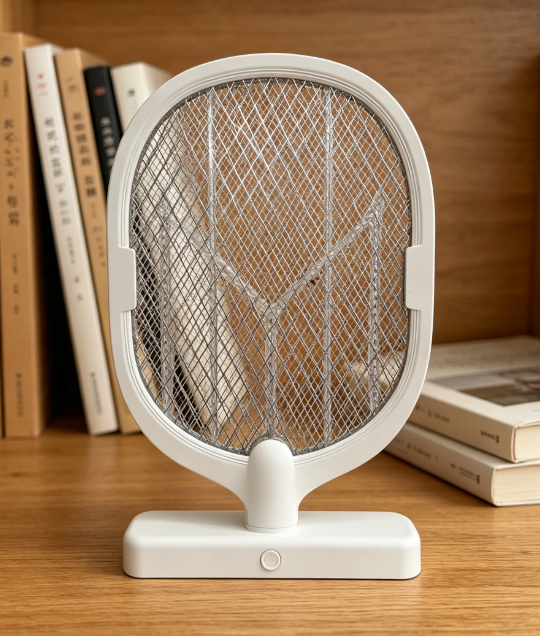
Warranty returns are the silent margin killer in the mosquito control category. A distributor who buys a swatter at $1.80 FOB and retails it at $9.90 can absorb a 1% return rate without noticing — but at 5%, the combined cost of replacement units, reverse logistics, and refund processing erases most of the line's profit.
Common mosquito swatter killer lamp failure modes wholesale spec guide

Digital bathroom scales rank as the second-highest-volume consumer weighing product category, only behind kitchen scales, with distinct market and product characteristics that set them apart from other scale types in importers’ product portfolios.
Digital bathroom body fat-bia-scale wholesale buyers guide