
How Often Should You Replace the Battery of an Electric Mosquito Swatter
2025-09-22
How Often Should You Replace the Battery of an Electric Mosquito Swatter? Master These Points to Avoid "Letting You Down When It Matters Most"
Most people who have used an electric mosquito swatter have probably encountered this awkward situation: mosquitoes buzz around your ears at night, but when you pick up the swatter, it has no power to "discharge," leaving you watching the mosquitoes escape helplessly. In fact, this is mostly a sign that the battery needs to be replaced. So, how often should you replace the battery of an electric mosquito swatter? Today, we’ll talk in detail about this issue to help you avoid the trouble of "the swatter letting you down when you need to repel mosquitoes most."
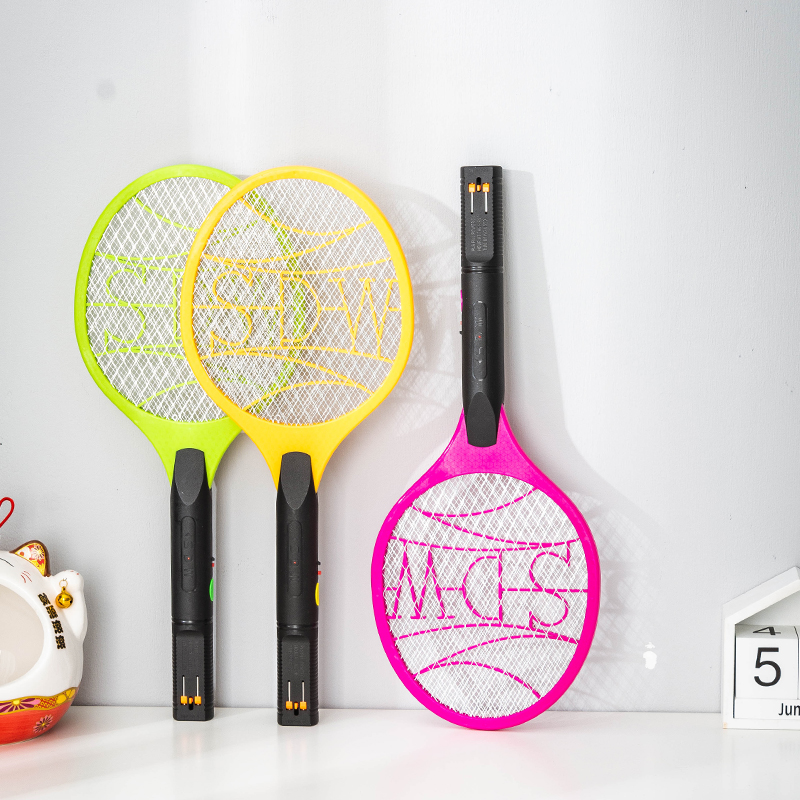
I. What Type of Battery Does an Electric Mosquito Swatter Use?
To know how often to replace the battery, you first need to figure out what type of battery your electric mosquito swatter uses. Currently, there are mainly three types of batteries used in electric mosquito swatters on the market, and the replacement cycles of different battery types vary greatly:
- Rechargeable lead-acid batteries are commonly found in electric mosquito swatters that are relatively low-priced and slightly larger in size. The advantages of this type of battery are low cost and stable initial battery life, but it also has obvious drawbacks — a relatively short lifespan and a certain degree of "memory effect" (if you charge it before it is fully discharged, its capacity will gradually decrease).
- Rechargeable lithium-ion batteries (such as 18650 lithium-ion batteries) are mostly used in mid-to-high-end electric mosquito swatters. Lithium-ion batteries have prominent advantages: longer lifespan, high charging efficiency, no obvious memory effect, and their small size and light weight make the mosquito swatter more portable. However, they have slightly higher requirements for charging conditions and need to be paired with a dedicated charger.
- Non-rechargeable dry batteries (such as 2 AA batteries) — there’s no need to worry about the "replacement cycle" for this type. You just need to replace them with new dry batteries when they run out of power. However, the long-term replacement cost is much higher than that of rechargeable batteries.
II. Core Question: How Often Should You Replace the Battery of a Rechargeable Electric Mosquito Swatter?
Excluding the non-rechargeable dry battery type, let’s focus on the most commonly used "rechargeable electric mosquito swatters." There is no absolutely uniform answer to their battery replacement cycle, which is mainly affected by three factors: battery type, frequency of use, and maintenance method. We can analyze it based on different situations:
1. Lead-Acid Batteries: Replace Every 1-2 Years
If your electric mosquito swatter uses a lead-acid battery (usually with a capacity of 400-800mAh), under normal use, its lifespan is generally 1-2 years. How to tell when it’s time to replace it? There are two obvious signs:
- It runs out of power quickly after charging: For example, it used to last for a week on a single charge, but now it only lasts 1-2 days. Moreover, the "crackling" sound when zapping mosquitoes becomes weaker, and it may even fail to kill mosquitoes.
- Abnormal charging time: It used to take 4-6 hours to fully charge, but now it still can’t be fully charged even after more than 10 hours of charging, or the charger light stays red (normally, it turns green when fully charged).
The wear rate of this type of battery is closely related to the frequency of use. If you only use it for 1-2 hours at night in summer, it may not need to be replaced for 2 years. But if you use it frequently even during the day in summer (for example, if you have children at home and are afraid of mosquitoes), you may need to replace it after just 1 year.
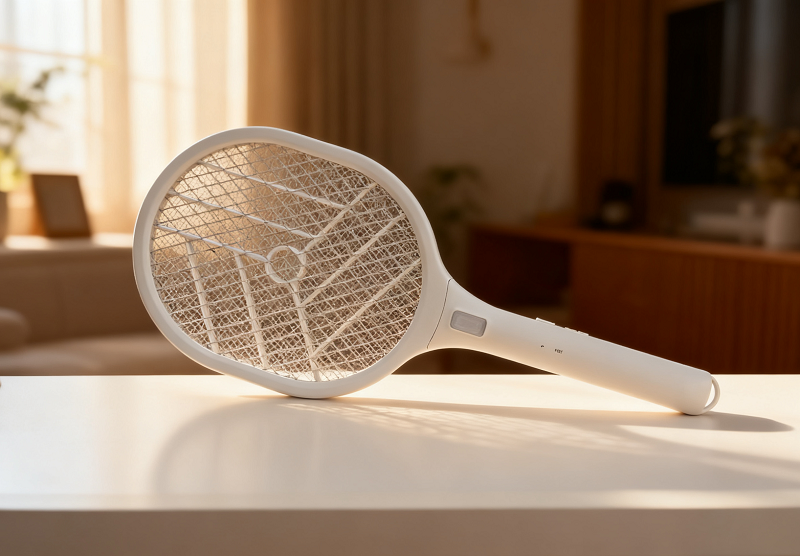
2. Lithium-Ion Batteries: Replace Every 2-3 Years
Lithium-ion batteries (with a common capacity of 1200-2000mAh) have a longer lifespan than lead-acid batteries and can normally be used for 2-3 years. The signs to judge replacement are similar to those of lead-acid batteries, but there’s a more accurate method: check the "battery life attenuation range."
- A new electric mosquito swatter, when used for 2 hours a day, can last for 10-15 consecutive days on a single charge. If the battery life is only 1/3 of the original later (for example, it can only last 3-5 days on a single charge), it means the battery capacity has shrunk significantly and needs to be replaced.
- In addition, if the electric mosquito swatter "heats up when charging" or "suddenly shuts down during use," it’s recommended to replace the battery in time even if it hasn’t been used for 2 years — this may be a safety hazard caused by battery aging.
It should be noted that although lithium-ion batteries have no obvious memory effect, they will still wear out gradually if not used for a long time (such as being idle in winter). Therefore, the maintenance method has a great impact on their lifespan.
3 Tips to Extend Battery Life and Save One Year’s Replacement Cost
In fact, in many cases, the battery of an electric mosquito swatter "retires early" not because of poor quality, but due to incorrect usage habits. Mastering these 3 tips can extend the battery life by an additional 6 months to 1 year, which is equivalent to saving the cost of one replacement:
1. Don’t Overcharge or Let the Battery Run Completely Dead
- Lead-acid batteries: Use the battery until it’s completely dead (for example, when it’s weak in zapping) before charging. Unplug the power supply once it’s fully charged, and don’t leave it plugged in all the time (especially in summer, long-term charging may cause the battery to bulge).
- Lithium-ion batteries: There’s no need to deliberately drain the battery before charging; it’s more friendly to charge it whenever needed. However, don’t wait until the battery is completely dead to charge it (deep discharge will accelerate the wear of lithium-ion batteries). Similarly, unplug the charger in time after it’s fully charged.
2. Don’t Leave It Idle Without Care
After summer, the electric mosquito swatter may be idle for half a year or more. At this time, you should pay attention to:
- Fully charge the battery before storing it (for lithium-ion batteries, it’s recommended to charge them to 50%-70%; for lead-acid batteries, charge them to full capacity).
- Store it in a dry and cool place. Don’t expose it to direct sunlight (such as on the balcony) or place it in a humid bathroom — moisture will cause the battery contacts to rust, affecting charging and use.
3. Don’t Use "No-Brand Chargers"
Many people use a random compatible charger when they lose the original one, which is very harmful to the battery. Different electric mosquito swatters have different charging voltages and currents (for example, lead-acid batteries usually use a 6V charger, and lithium-ion batteries usually use a 5V charger). Using the wrong charger may cause the battery to overcharge, bulge, or even trigger safety issues. It’s recommended to either get an original charger from the brand’s after-sales service or choose a third-party charger with completely matching parameters.
Final Reminder: Pay Attention to These 2 Points When Replacing the Battery — Safety First
If you’re sure you need to replace the battery, there are two safety details you must pay attention to:
- Choose a Matching Battery: First, check the battery parameters in the electric mosquito swatter’s manual (such as "6V 800mAh lead-acid battery" or "3.7V 1800mAh lithium-ion battery") and buy a battery according to these parameters. Don’t randomly replace it with a battery with a larger capacity or mismatched voltage, otherwise, it may burn out the internal circuit of the mosquito swatter.
- Not Good at DIY? Ask a Professional for Help: If the electric mosquito swatter needs to have its case opened to replace the battery (many models require unscrewing screws and soldering contacts), don’t force it to disassemble if you’re not confident. You can ask a technician from an appliance repair shop for help. Especially for lithium-ion batteries, there’s a risk of short circuit if you disassemble them by yourself.
In short, the battery replacement cycle for electric mosquito swatters is 1-2 years for lead-acid batteries and 2-3 years for lithium-ion batteries. By combining signs such as "battery life attenuation" and "abnormal charging" to make judgments, you can replace the battery in time and prevent the mosquito swatter from "letting you down" when repelling mosquitoes. At the same time, proper daily maintenance can also extend the battery life and save you a lot of trouble!
Super Typhoon is Approaching
Mosquito Swatter Cleaning Guide
Related Article

If you’re struggling with annoying mosquitoes, flies, and other flying pests indoors and outdoors, upgrading from traditional manual tools to anElectric Mosquito Swatter is the most efficient solution. Many homeowners and renters search where to buy fly swatter online to find durable, safe, and high-performance electric models that deliver instant pest control.
Where to Buy Fly Swatter
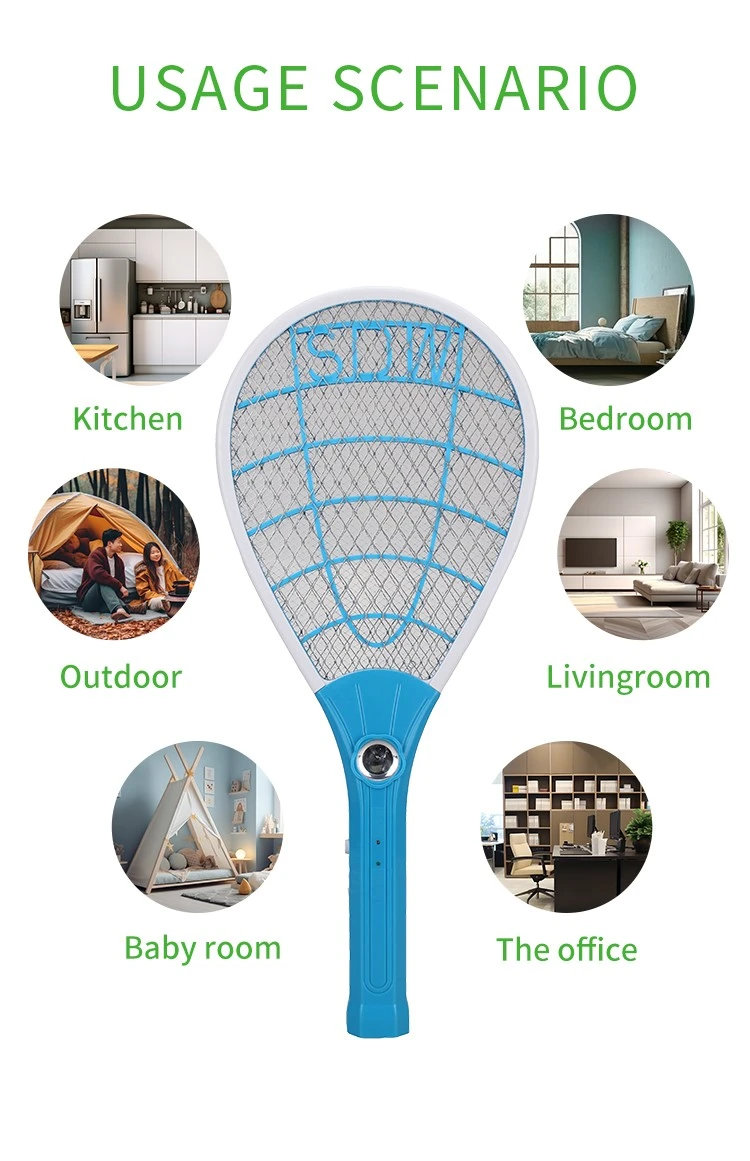
Most importers of electric mosquito swatters obsess over the first order: samples requested, factories vetted, a pre-shipment inspection booked. Then the reorder arrives eight months later and something is off. The grid feels softer. The charge port is a slightly different shade of black. The carton thickness dropped from 350 gsm to 300 gsm. Nothing is catastrophic — but the product no longer matches what your retail customers approved, and quietly, your return rate starts climbing.
How to Keep Mosquito Swatter Quality Consistent Across Repeat Orders
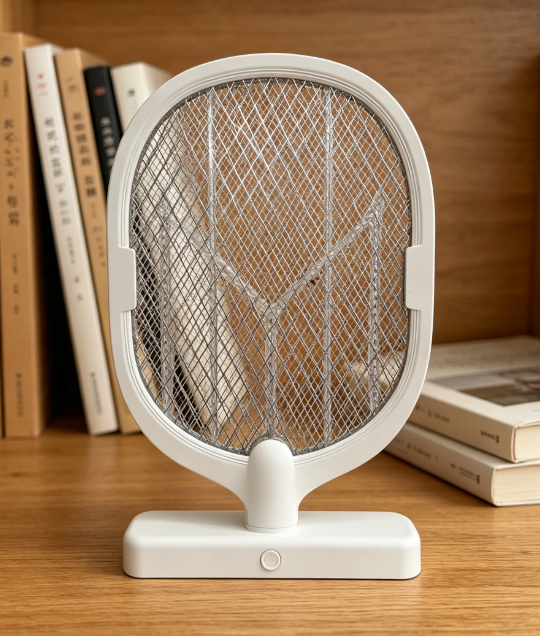
Warranty returns are the silent margin killer in the mosquito control category. A distributor who buys a swatter at $1.80 FOB and retails it at $9.90 can absorb a 1% return rate without noticing — but at 5%, the combined cost of replacement units, reverse logistics, and refund processing erases most of the line's profit.
Common mosquito swatter killer lamp failure modes wholesale spec guide

Digital bathroom scales rank as the second-highest-volume consumer weighing product category, only behind kitchen scales, with distinct market and product characteristics that set them apart from other scale types in importers’ product portfolios.
Digital bathroom body fat-bia-scale wholesale buyers guide