
How Rampant Were Mosquitoes in Ancient Times
2026-01-22
How Rampant Were Mosquitoes in Ancient Times? The Ingenious Mosquito Control Methods of the Ancients
Many people wonder: without electric mosquito swatters or insect repellents, were mosquitoes just as numerous in ancient times? And how did the ancients defend themselves against these pests? In fact, mosquitoes were no less rampant in ancient times than they are today, and the ancient methods of mosquito control embodied both simple life wisdom and characteristics of the era.
Ancient Mosquitoes: Wide Distribution, Great Harm, and an Unavoidable Summer Nuisance
The number and distribution of mosquitoes in ancient times were closely related to the natural environment and living conditions of the time. Firstly, the vegetation coverage in ancient times was much higher than it is today, with swamps, wetlands, rivers, and other water areas spread all over—ideal places for mosquitoes to lay eggs and reproduce. Especially in the water towns of the Jiangnan region and the humid and hot areas of Lingnan, abundant summer rains led to a plague of mosquitoes. There are even historical records describing "mosquitoes buzzing like thunder in summer," depicting the dense hum of swarming mosquitoes.
Secondly, the urban drainage systems in ancient times were underdeveloped, making it easy for domestic sewage and garbage to accumulate, further fostering mosquito breeding. In rural areas, people mostly lived near water, and the dark corners beside thatched cottages and firewood piles were perfect habitats for mosquitoes. More notably, ancient mosquitoes not only disturbed sleep but also transmitted infectious diseases such as malaria. In an era of backward medical conditions, malaria was known as "miasma," prevalent in humid and hot regions. Essentially, it was caused by pathogens transmitted through mosquito bites. Many literati, poets, and border guards suffered from it, and some even lost their lives.
However, the distribution of mosquitoes in ancient times also varied by region. In the north, long and cold winters made it difficult for mosquitoes to survive the season, so they were only active in summer. In the south, with its humid and hot climate, mosquitoes were active for a longer period and caused greater harm. Overall, mosquito control in summer was an essential part of daily life for the ancients.

Ancient Mosquito Control: Diverse Methods from Physical Isolation to Natural Repellents
Physical Isolation: The First Line of Defense for a "Mosquito-Free Space"
The earliest mosquito control method used by the ancients was physical isolation to block mosquitoes from entering their dwellings, which was also the most direct and effective approach. Among these, mosquito nets were the most widely used and long-lasting tool. As early as the Spring and Autumn Period, there were records of "chou," the earliest form of mosquito nets. Made mostly of linen or silk, these nets were hung over beds to separate humans from mosquitoes.
Early mosquito nets were relatively rough with large gaps, limiting their effectiveness. Later, the ancients continuously improved the craftsmanship, weaving finer fabrics and sewing weights along the edges to prevent mosquitoes from sneaking through the gaps. Wealthy families used more exquisite mosquito nets made of silk brocade, embroidered with delicate patterns, serving both mosquito protection and decorative purposes. Ordinary people, on the other hand, used cheap linen nets—simple but highly practical. In addition to mosquito nets, the ancients also installed gauze curtains on doors and windows, or wove curtains from reeds and bamboo strips, which allowed ventilation and light while blocking mosquitoes from entering the house.
Natural Repellents: Using Plant Properties to Create an "Aromatic Shield"
Without chemical insect repellents, the ancients were adept at using the properties of natural plants to make mosquito repellents. Mugwort and calamus were the most common mosquito-repellent plants. The ancients believed their pungent and aromatic scent could drive away mosquitoes and purify the air. Around the Dragon Boat Festival every year, people would hang mugwort and calamus on both sides of doors and windows, or burn them after drying—mosquitoes would be repelled by the curling smoke. This custom still persists in some regions today.
Besides mugwort and calamus, plants such as mint, agastache, and sweet wormwood were also used for mosquito control. The ancients crushed these herbs and applied the paste to their skin, using the scent to repel mosquito bites. They also put the herbs into sachets to carry with them, which not only drove away insects but also emitted a pleasant fragrance. Wealthy families even boiled these herbs in water to wipe their bodies or take baths, which both repelled mosquitoes and relieved summer heat. Additionally, the ancients burned cypress leaves, camphorwood, and other materials indoors to drive away mosquitoes with smoke. However, this method produced heavy smoke and posed certain safety hazards, so it was mostly used in open spaces.
Environmental Modification: Reducing Mosquito Breeding at the Source
The ancients also knew how to control mosquitoes at the source by modifying their living environment to reduce breeding grounds. Wealthy families dug ditches in their courtyards to dredge water flow and avoid stagnant water accumulation. They also planted mosquito-repellent plants to create "mosquito-free courtyards." Ordinary people promptly cleared weeds and garbage around their houses, filled in low-lying areas prone to waterlogging, and covered water containers such as vats and basins to prevent mosquitoes from laying eggs in them.
In the humid and hot regions of the south, the ancients built stilt houses, elevating dwellings above the ground to reduce ground humidity and mosquito infestations. At night, they placed burning herbs under beds or lit oil lamps indoors to attract mosquitoes, then killed them with smoke. These simple methods reflected the ancients' life philosophy of "preventing problems before they occur."
Conclusion: Ancient Wisdom Embedded in Mosquito Control
The rampant mosquitoes in ancient times stemmed from the natural environment and living conditions of the era. Meanwhile, the ancient mosquito control methods were not only practical but also in harmony with natural laws. From simple mosquito nets and natural herbs to environmental modification, each method embodied the life wisdom of the ancients. Compared with modern chemical repellents and electrical mosquito killers, ancient methods were more environmentally friendly and closer to nature, and many of them still have reference value today.
Today, although we have more convenient mosquito control tools, we also face problems such as mosquito resistance to insecticides and side effects of chemical repellents. Perhaps the ancient concept of "adapting to nature and adjusting measures to local conditions" can bring us new inspiration—finding a balance in coexisting with nature.
Global Best-Selling Electric Mosquito Swatters
Do Mosquito Killer Lamp Lights Harm Eyes
Related Article

If you’re struggling with annoying mosquitoes, flies, and other flying pests indoors and outdoors, upgrading from traditional manual tools to anElectric Mosquito Swatter is the most efficient solution. Many homeowners and renters search where to buy fly swatter online to find durable, safe, and high-performance electric models that deliver instant pest control.
Where to Buy Fly Swatter
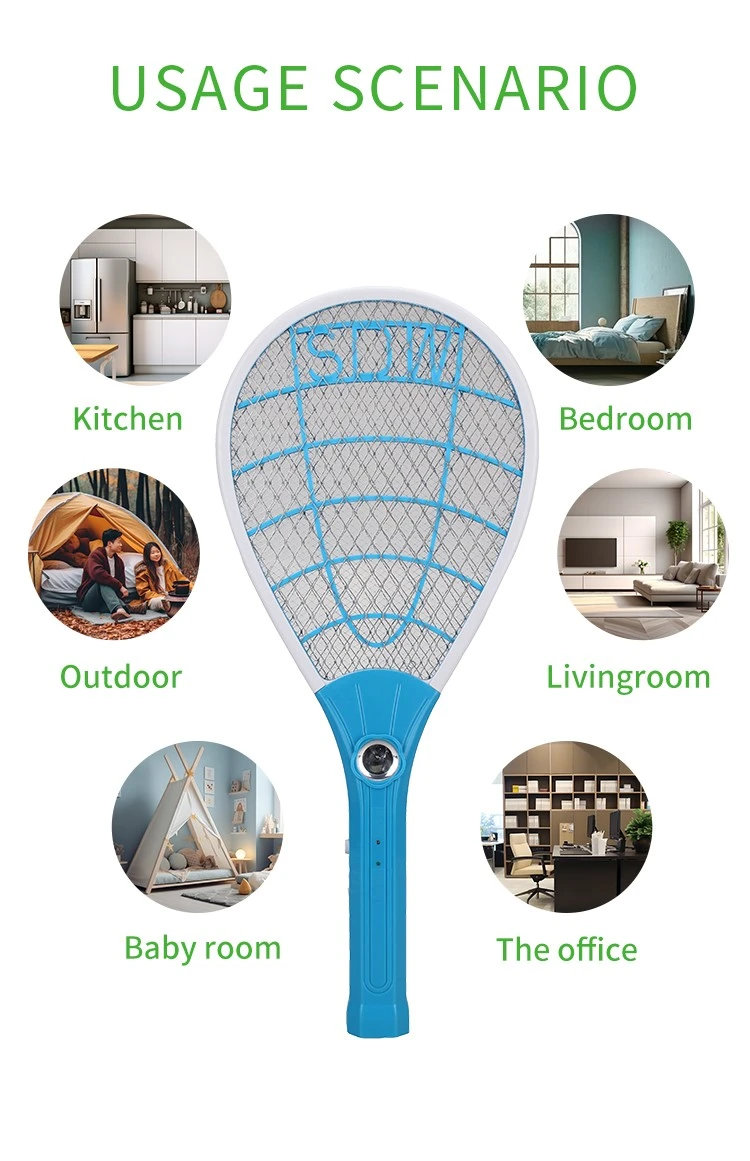
Most importers of electric mosquito swatters obsess over the first order: samples requested, factories vetted, a pre-shipment inspection booked. Then the reorder arrives eight months later and something is off. The grid feels softer. The charge port is a slightly different shade of black. The carton thickness dropped from 350 gsm to 300 gsm. Nothing is catastrophic — but the product no longer matches what your retail customers approved, and quietly, your return rate starts climbing.
How to Keep Mosquito Swatter Quality Consistent Across Repeat Orders
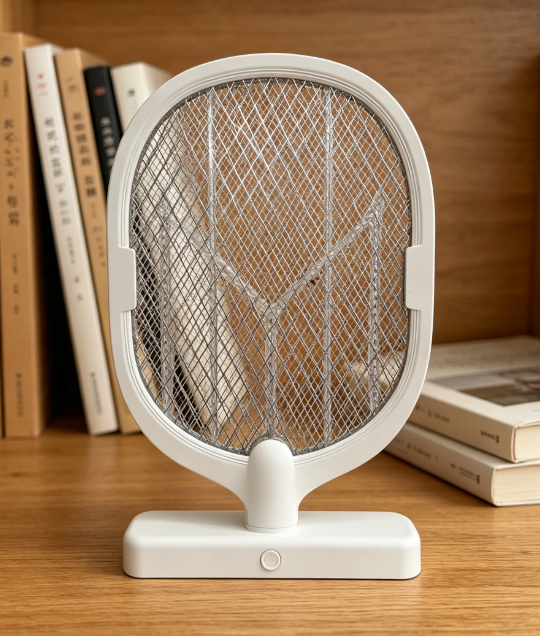
Warranty returns are the silent margin killer in the mosquito control category. A distributor who buys a swatter at $1.80 FOB and retails it at $9.90 can absorb a 1% return rate without noticing — but at 5%, the combined cost of replacement units, reverse logistics, and refund processing erases most of the line's profit.
Common mosquito swatter killer lamp failure modes wholesale spec guide

Digital bathroom scales rank as the second-highest-volume consumer weighing product category, only behind kitchen scales, with distinct market and product characteristics that set them apart from other scale types in importers’ product portfolios.
Digital bathroom body fat-bia-scale wholesale buyers guide