
How to Attract Mosquitoes to Bug Zapper
2025-06-26
How to Attract Mosquitoes to Bug Zapper
Understanding Mosquito Behavior
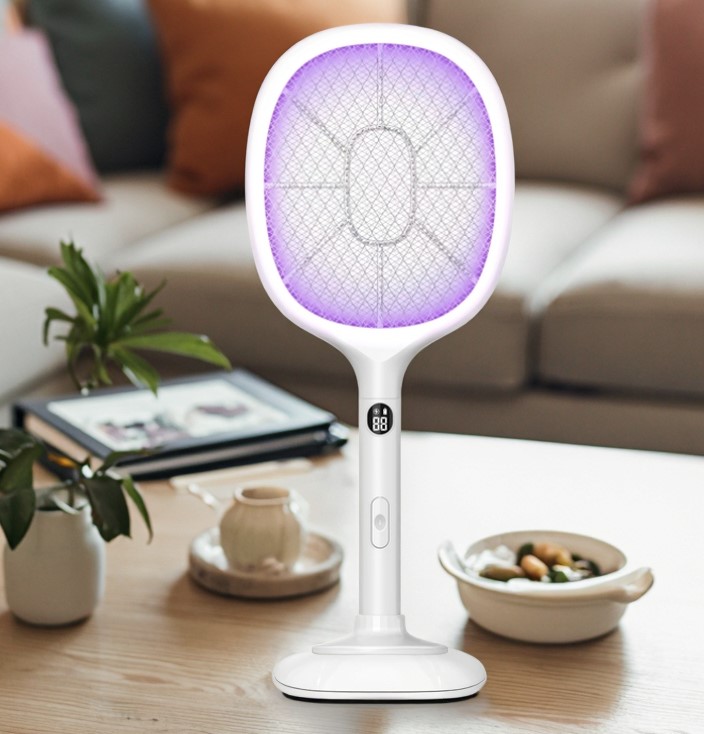
Before delving into how to attract mosquitoes to a bug zapper, it's essential to understand mosquito behavior. Mosquitoes are highly sensitive to carbon dioxide, heat, odors, and light. Carbon dioxide produced when humans and animals breathe attracts mosquitoes, and they can detect it from tens of meters away. Additionally, the heat emitted by the human body and the unique odors formed by substances like lactic acid and uric acid in sweat also draw mosquitoes in. Moreover, different mosquito species have varying preferences for light. Understanding these behaviors is the foundation for effectively attracting mosquitoes to a bug zapper.
Choosing the Right Bug Zapper
Light Source Type
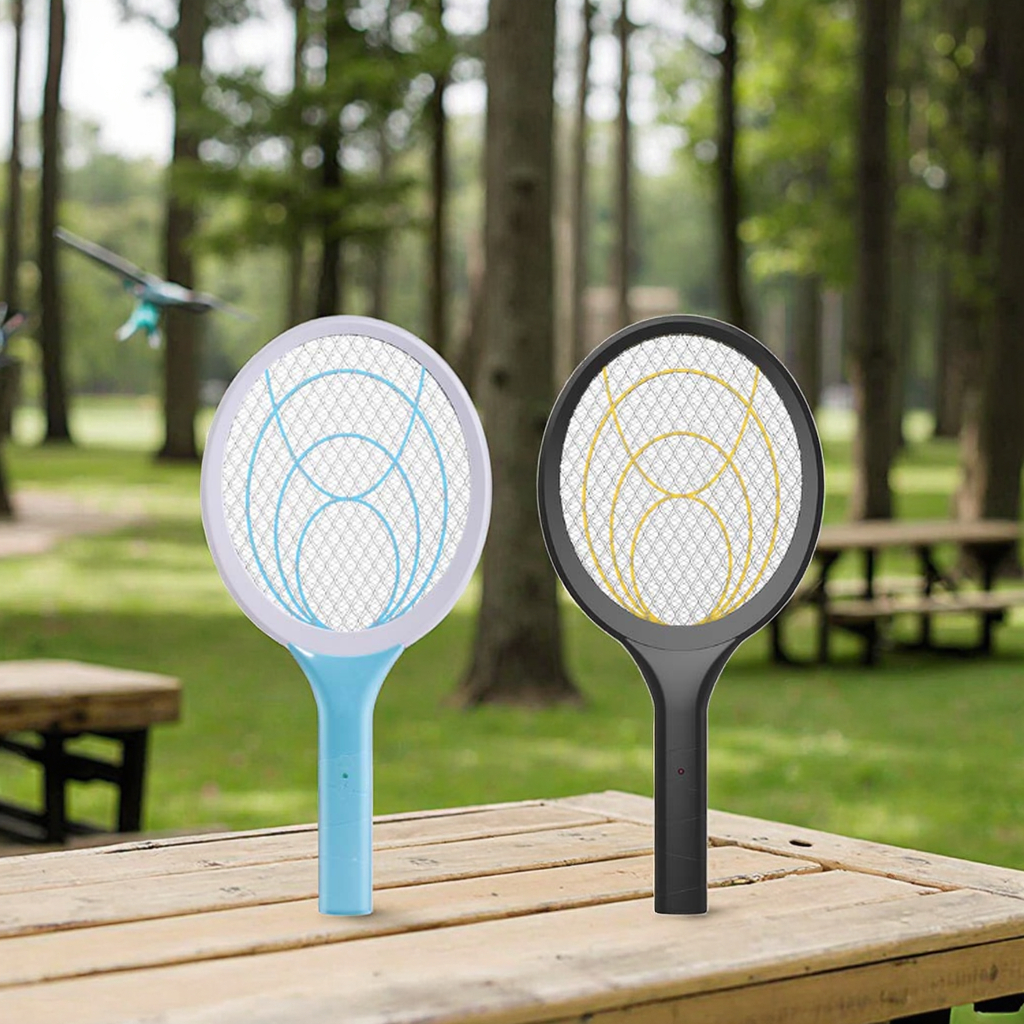
The light source of a bug zapper is one of the key factors in attracting mosquitoes. Most bug zappers use ultraviolet (UV) light tubes because many mosquitoes are attracted to specific wavelengths of UV light. Some bug zappers are equipped with dual-color light tubes that emit not only UV light but also visible light of a specific color, further expanding the range of attraction for mosquitoes. When selecting a bug zapper, check the product description to ensure that its light source type is suitable for attracting common mosquito species in your area.
Additional Features
Some high-end bug zappers are equipped with carbon dioxide generators, which can mimic the carbon dioxide released by human respiration and enhance the attraction of mosquitoes. Others have heating devices that can simulate the heat emitted by the human body or built-in devices that emit specific odors to imitate the smell of sweat. These additional features can significantly improve the effectiveness of the bug zapper in attracting mosquitoes.
Optimizing the Placement of the Bug Zapper
Close to Mosquito Activity Areas
Place the bug zapper in areas where mosquitoes frequently,such as outdoor gardens, patios, near doors and windows, as well as corners and vents indoors. Outdoors, choose locations close to water sources and dense vegetation, as these are areas where mosquitoes prefer to inhabit and breed. Indoors, place it in rooms where people often spend time, such as bedrooms and living rooms, to better attract mosquitoes that approach humans.
Appropriate Height
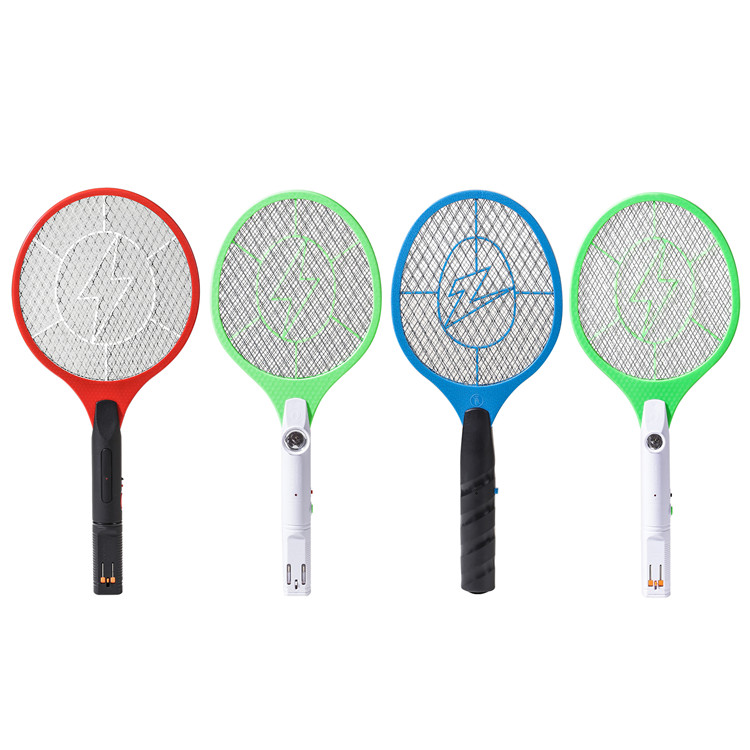
The placement height of the bug zapper is also crucial. Generally, it is advisable to place the bug zapper at a height of 1 - 1.5 meters from the ground. This height is close to the average flying height of mosquitoes, making it easier to attract them. At the same time, avoid placing the bug zapper too high or too low, as this may affect its attraction effect.
Adding Extra Attractants
Sources of Carbon Dioxide
In addition to the carbon dioxide generator built into the bug zapper, we can use other methods to provide carbon dioxide. For example, place a small cup of yeast water near the bug zapper. Yeast ferments in water to produce carbon dioxide, simulating the effect of human respiration. The specific method is to add a spoonful of yeast to warm water, stir well, and then place the cup next to the bug zapper. However, be careful to prevent the liquid from spilling and affecting the normal operation of the bug zapper.
Odor Attraction
Taking advantage of mosquitoes' preference for specific odors, we can place some odor-emitting items around the bug zapper. For instance, place a few slices of cut banana peels near the bug zapper, as the odor of banana peels can attract some mosquitoes. Additionally, the scents of some herbs like mint and lavender, although pleasant to humans, can interfere with mosquitoes to a certain extent. At the same time, they can mask human odors, prompting mosquitoes to be more inclined to fly towards the bug zapper.
Maintaining and Cleaning the Bug Zapper
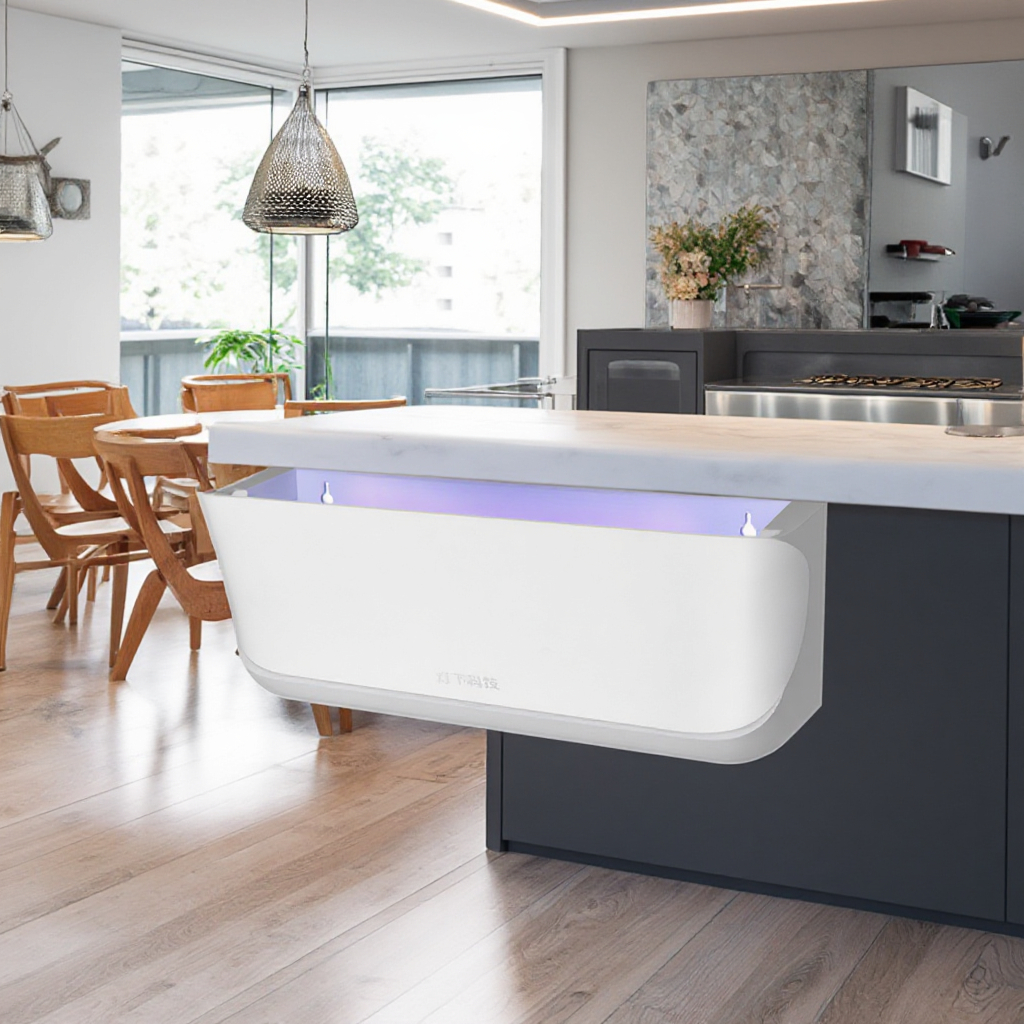
Keeping the bug zapper clean and in good working condition is essential for continuously attracting mosquitoes. Regularly clean the dead mosquitoes and other insects trapped inside the bug zapper to prevent excessive accumulation from affecting its normal operation and attraction effect. Also, check whether the light source of the bug zapper is emitting light normally and whether all components are functioning well. Replace any damaged parts in a timely manner to ensure that the bug zapper is always in optimal working condition.
By understanding mosquito behavior, choosing the right bug zapper, optimizing the placement, adding attractants, and maintaining and cleaning the bug zapper, we can more effectively attract mosquitoes to the bug zapper, thereby reducing mosquito infestations and creating a more comfortable living environment.
Does Bleach Kill Insects
What Insect Kills Stink Bugs
Related Article

If you’re struggling with annoying mosquitoes, flies, and other flying pests indoors and outdoors, upgrading from traditional manual tools to anElectric Mosquito Swatter is the most efficient solution. Many homeowners and renters search where to buy fly swatter online to find durable, safe, and high-performance electric models that deliver instant pest control.
Where to Buy Fly Swatter
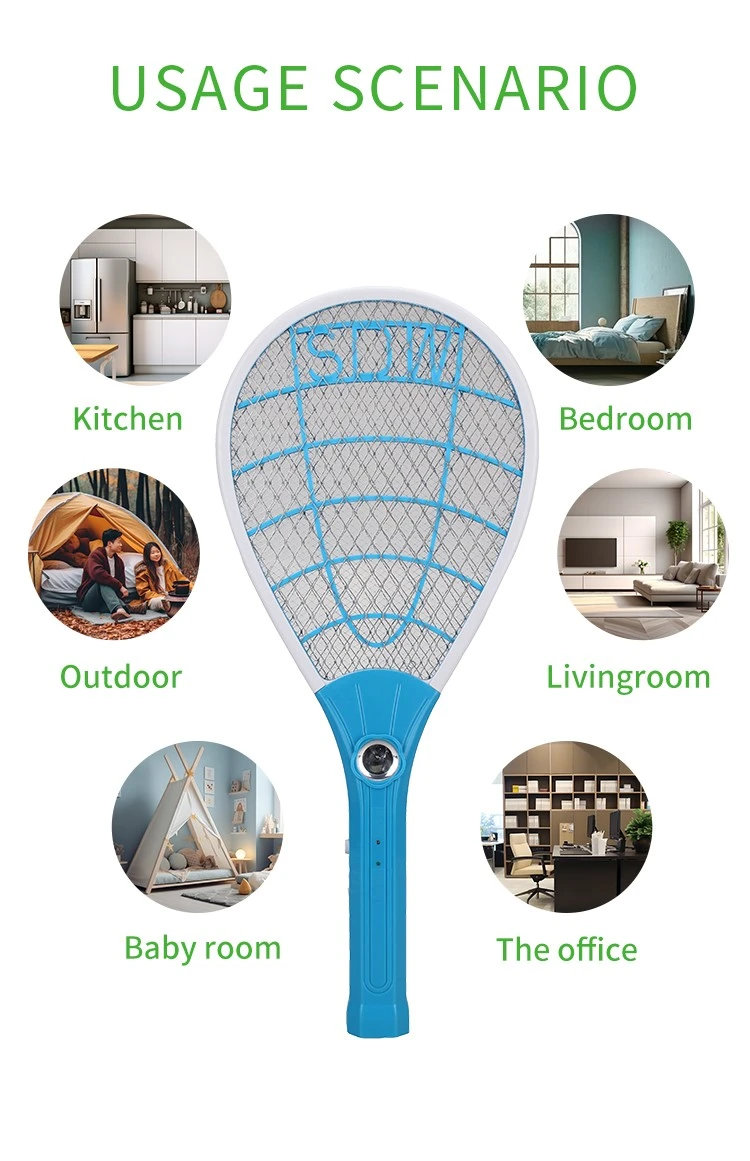
Most importers of electric mosquito swatters obsess over the first order: samples requested, factories vetted, a pre-shipment inspection booked. Then the reorder arrives eight months later and something is off. The grid feels softer. The charge port is a slightly different shade of black. The carton thickness dropped from 350 gsm to 300 gsm. Nothing is catastrophic — but the product no longer matches what your retail customers approved, and quietly, your return rate starts climbing.
How to Keep Mosquito Swatter Quality Consistent Across Repeat Orders
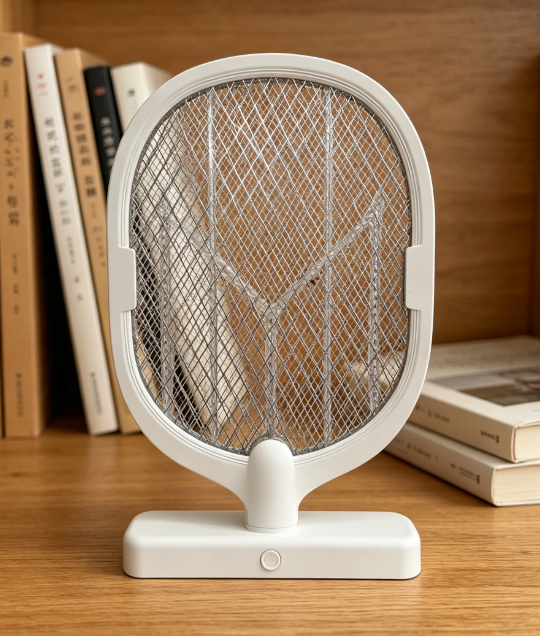
Warranty returns are the silent margin killer in the mosquito control category. A distributor who buys a swatter at $1.80 FOB and retails it at $9.90 can absorb a 1% return rate without noticing — but at 5%, the combined cost of replacement units, reverse logistics, and refund processing erases most of the line's profit.
Common mosquito swatter killer lamp failure modes wholesale spec guide

Digital bathroom scales rank as the second-highest-volume consumer weighing product category, only behind kitchen scales, with distinct market and product characteristics that set them apart from other scale types in importers’ product portfolios.
Digital bathroom body fat-bia-scale wholesale buyers guide