
How to Attract Mosquitoes to a bug zapper
2025-05-24
How to Attract Mosquitoes to a Bug Zapper
Understand Mosquito Behavior
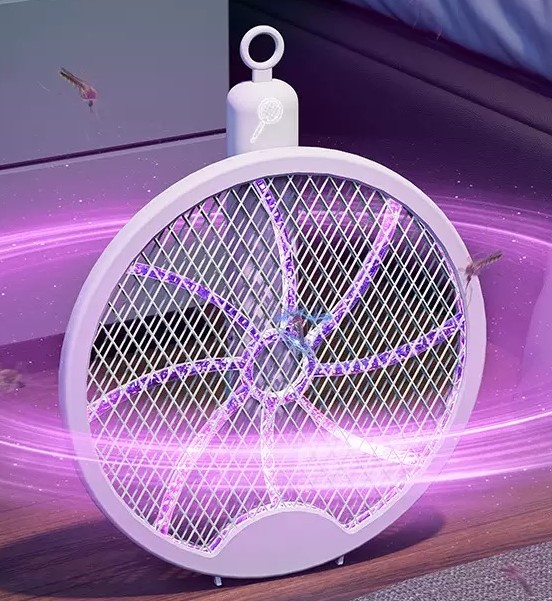
Before discussing how to attract mosquitoes to a bug zapper, we first need to understand mosquito behavior. Mosquitoes rely mainly on their sense of smell and vision to find prey. They are highly sensitive to carbon dioxide, heat, light, and specific odors. Understanding these characteristics can help us make better use of bug zappers to capture mosquitoes.
Mosquitoes' Visual Preferences
Mosquitoes are sensitive to light of specific wavelengths, especially ultraviolet light. Most bug zappers take advantage of this characteristic by emitting ultraviolet light to attract mosquitoes. Additionally, mosquitoes are most active during dusk and dawn, when their visual perception is at its sharpest.
Mosquitoes' Olfactory Preferences
Mosquitoes perceive chemical substances in the environment through their sense of smell. Carbon dioxide is an important clue for mosquitoes to find hosts. Carbon dioxide exhaled by humans and animals attracts mosquitoes. Moreover, the smell of lactic acid and ammonia in sweat, as well as certain cosmetics and perfumes, can also pique mosquitoes' interest.
Methods to Enhance the Attraction of Bug Zappers
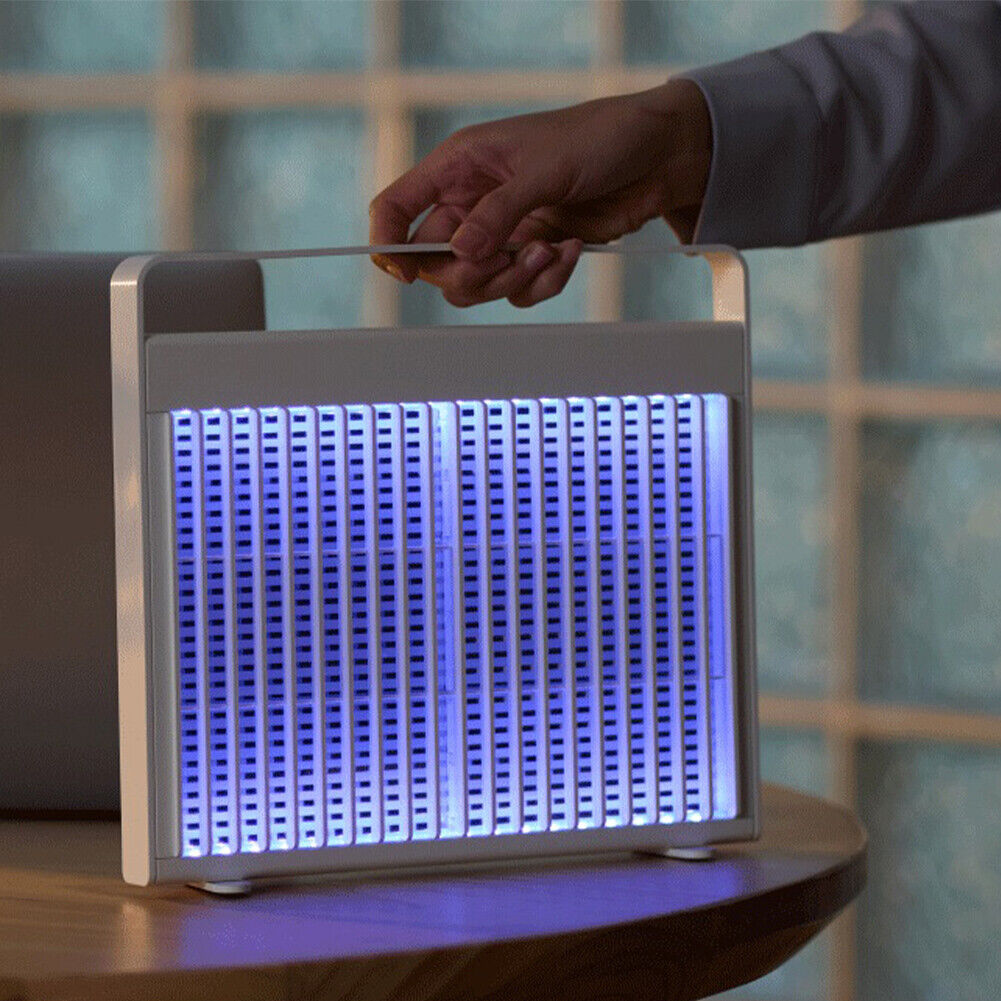
Attract with Light
Most bug zappers are equipped with ultraviolet lights, which is the basis for attracting mosquitoes. However, you can optimize this further by placing the bug zapper in a dimly lit area. The dark environment will make the light of the bug zapper more prominent, attracting more mosquitoes. For example, place the bug zapper in the corner of a room, away from other bright lights.
Attract with Heat
Mosquitoes are very sensitive to heat because warm places usually mean potential hosts. You can place a heating device near the bug zapper, such as a small heating pad, but be cautious to avoid fire hazards. Alternatively, place the bug zapper near warm electrical devices, like a computer host, and use the heat emitted by the appliances to attract mosquitoes.
Attract with Carbon Dioxide
Carbon dioxide is an effective attractant for mosquitoes. You can use dry ice, which releases a large amount of carbon dioxide as it sublimates. However, handle dry ice with care as it is extremely cold and can cause skin damage. Special carbon dioxide release devices are also available, which can continuously and steadily release carbon dioxide to attract mosquitoes to the bug zapper.
Attract with Odors
In addition to carbon dioxide, certain odors can also attract mosquitoes. You can place items containing lactic acid or ammonia near the bug zapper, such as sour cheese or clothes soaked in sweat (remember to change them regularly to avoid hygiene issues). Some essential oils, like geranium oil with a high content of geraniol, can also attract mosquitoes. You can drip a few drops of essential oil onto a cotton ball near the bug zapper.
Placement Tips for Bug Zappers
The height at which the bug zapper is placed is also crucial. Generally, placing the bug zapper at a height of 1 - 1.5 meters above the ground is ideal, as this height is close to the average flight height of mosquitoes, increasing the chances of mosquitoes detecting and approaching the bug zapper.
Away from People
To make the bug zapper more effective in attracting mosquitoes, place it away from areas where people are active. For example, during an outdoor gathering, place the bug zapper at the edge of the venue so that mosquitoes will be attracted to the bug zapper first instead of directly flying towards people.
How to Kill Mosquitoes in My House
Why do flies not react to fly swatters
Related Article

If you’re struggling with annoying mosquitoes, flies, and other flying pests indoors and outdoors, upgrading from traditional manual tools to anElectric Mosquito Swatter is the most efficient solution. Many homeowners and renters search where to buy fly swatter online to find durable, safe, and high-performance electric models that deliver instant pest control.
Where to Buy Fly Swatter
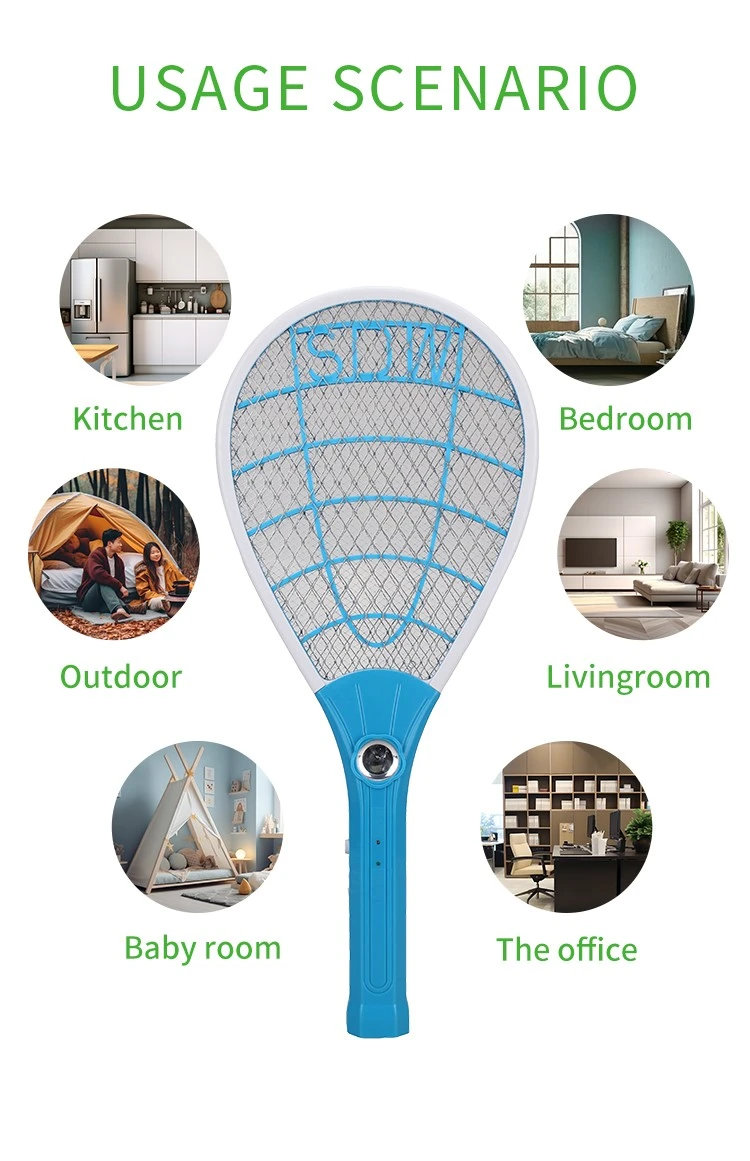
Most importers of electric mosquito swatters obsess over the first order: samples requested, factories vetted, a pre-shipment inspection booked. Then the reorder arrives eight months later and something is off. The grid feels softer. The charge port is a slightly different shade of black. The carton thickness dropped from 350 gsm to 300 gsm. Nothing is catastrophic — but the product no longer matches what your retail customers approved, and quietly, your return rate starts climbing.
How to Keep Mosquito Swatter Quality Consistent Across Repeat Orders
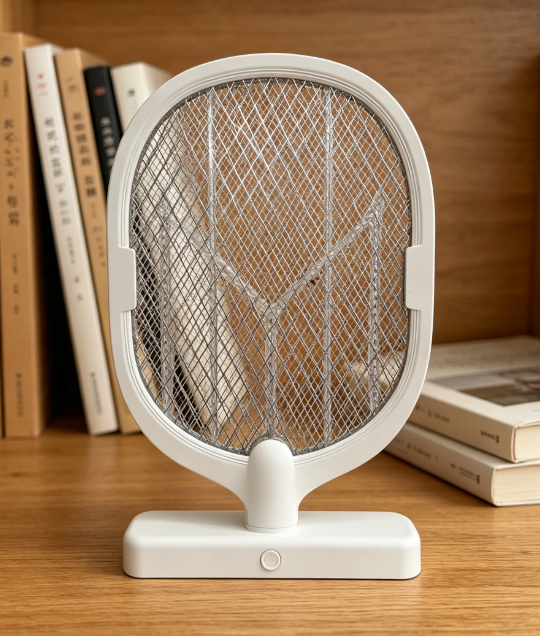
Warranty returns are the silent margin killer in the mosquito control category. A distributor who buys a swatter at $1.80 FOB and retails it at $9.90 can absorb a 1% return rate without noticing — but at 5%, the combined cost of replacement units, reverse logistics, and refund processing erases most of the line's profit.
Common mosquito swatter killer lamp failure modes wholesale spec guide

Digital bathroom scales rank as the second-highest-volume consumer weighing product category, only behind kitchen scales, with distinct market and product characteristics that set them apart from other scale types in importers’ product portfolios.
Digital bathroom body fat-bia-scale wholesale buyers guide