
How to Attract Mosquitoes to Bug Zapper
2025-05-17
How to Attract Mosquitoes to Bug Zapper
Bug zappers can be a useful tool in the fight against mosquitoes, but their effectiveness largely depends on how well they can attract these pesky insects. If you're wondering how to make your bug zapper more appealing to mosquitoes, this blog post will guide you through various strategies and tips.
Understanding What Attracts Mosquitoes
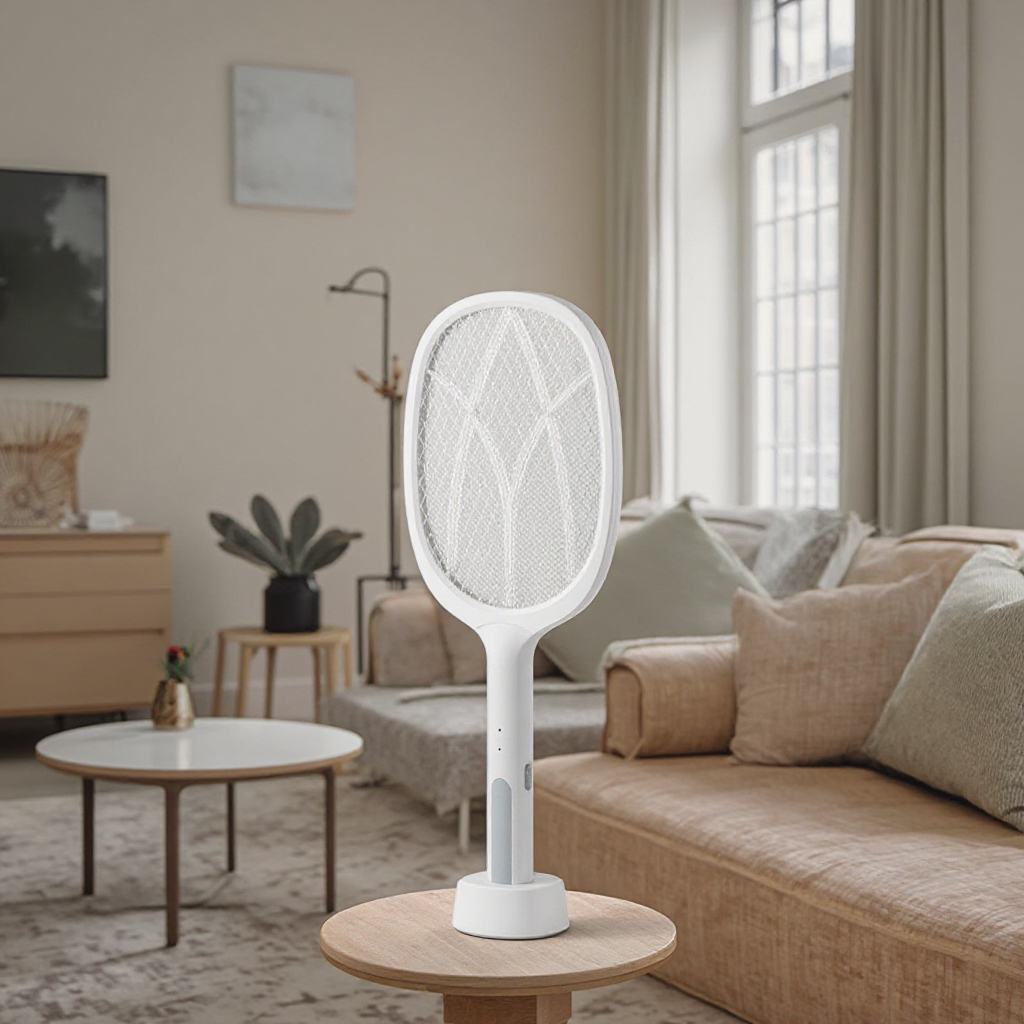
Chemical Signals
Mosquitoes are highly sensitive to a variety of chemical signals. Carbon dioxide, which humans exhale, is a powerful attractant. They can detect even trace amounts of CO₂ from up to 100 feet away. Lactic acid, which is present in human sweat, along with other skin secretions like ammonia and uric acid, also act as strong lures for mosquitoes. Additionally, certain scents from lotions, perfumes, and even beer can draw mosquitoes in.
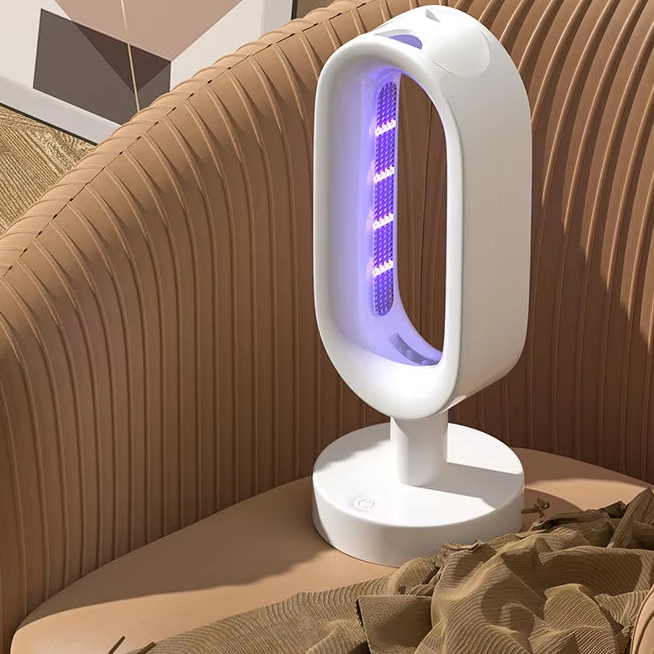
While mosquitoes rely more on chemical senses, visual cues also play a role. Dark objects, especially those that contrast sharply with the background, are more likely to catch their attention. Movement can also attract mosquitoes, as they often target moving targets, which they associate with potential hosts.
Heat and Moisture
Mosquitoes are attracted to heat sources, as body warmth indicates the presence of a potential blood - meal provider. They can detect infrared radiation emitted by warm bodies. Moisture is another factor, as mosquitoes are often found near water sources where they breed and lay eggs.
Enhancing Bug Zapper's Attraction
Adding Attractants
Carbon Dioxide - Based Lures
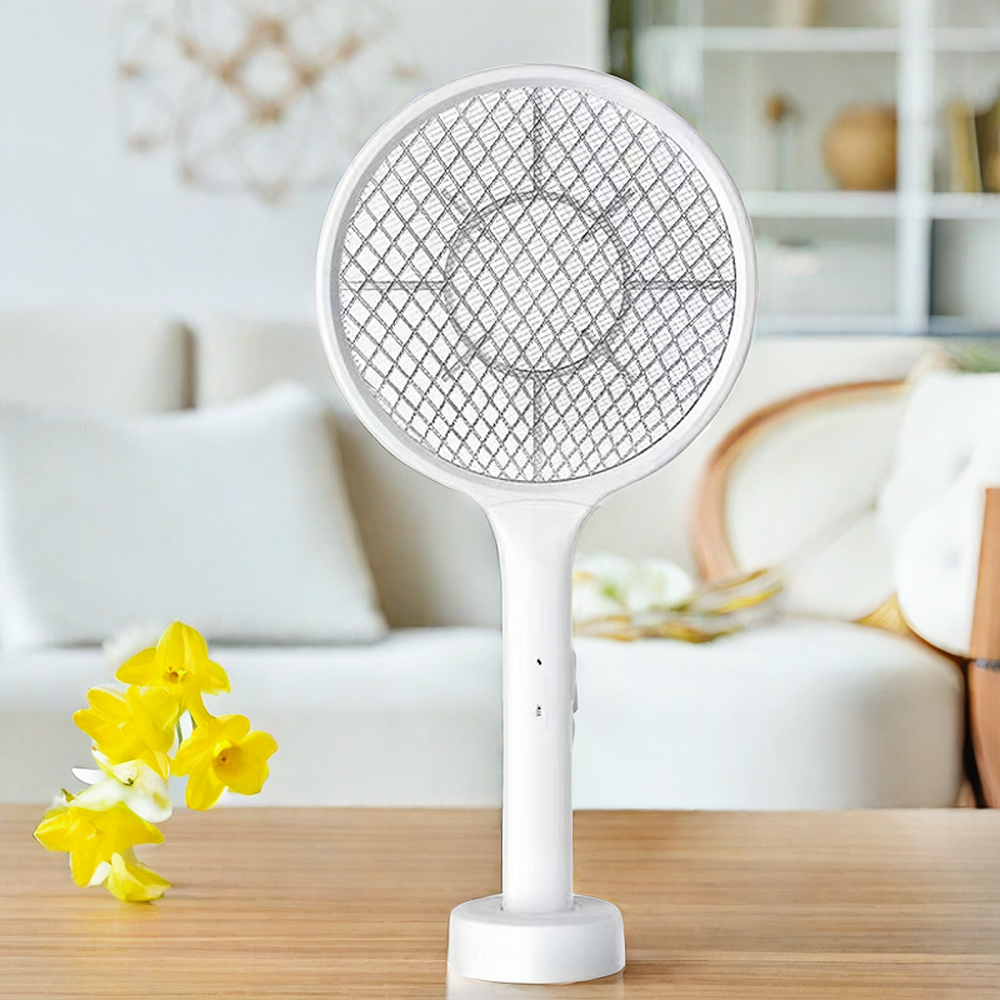
Many modern bug zappers allow for the addition of carbon dioxide - based lures. These lures can be in the form of cartridges that release a steady stream of CO₂, mimicking human breath. By incorporating such lures, you can significantly increase the bug zapper's ability to attract mosquitoes from a greater distance.
Heat - Emitting Devices
Attach small heat - emitting devices to your bug zapper. These can be simple heat pads or more advanced heating elements. The added heat will make the zapper more appealing to mosquitoes, as it replicates the warmth of a human body.
Scent - Infused Traps
Some bug zappers come with scent - infused surfaces or you can create your own by applying substances that mosquitoes find attractive. For example, soaking a cloth in a solution containing a small amount of lactic acid and placing it near the zapper can act as an additional attractant.
Optimizing Placement
Location Selection
Place your bug zapper in areas where mosquitoes are most active. These include near standing water, such as ponds, birdbaths, or flower pots with saucers, which are breeding grounds for mosquitoes. Also, position the zapper in shaded areas, as mosquitoes tend to avoid direct sunlight and prefer cooler, darker spots during the day.
Height and Distance
Hang the bug zapper at a height of around 3 - 6 feet, which is within the typical flight range of mosquitoes. Keep it at least 10 - 15 feet away from areas where people gather, such as outdoor dining areas or patios. This ensures that the zapper attracts mosquitoes away from humans rather than drawing them closer.
Maintenance and Functionality
Keep It Clean
Regularly clean your bug zapper to ensure it's working at its best. A dirty zapper with a buildup of dead insects can reduce its light output and overall attractiveness. Remove the dead insects from the collection tray or sticky surface as often as needed.
Check for Malfunctions
Periodically check the bug zapper for any malfunctions, such as a damaged UV light or a faulty electric grid. A malfunctioning zapper may not attract mosquitoes effectively or may even pose a safety hazard. Replace any damaged parts promptly to maintain its functionality.
Additional Tips for Success
- Use Multiple Zappers: In larger areas, using multiple bug zappers can increase the coverage and attract more mosquitoes. Place them strategically around the property, especially in areas with high mosquito activity.
- Time Your Use: Mosquitoes are most active during dawn and dusk. Turn on your bug zapper during these peak activity times to maximize its effectiveness. You can also keep it on overnight if you're concerned about mosquitoes entering your home or outdoor living spaces.
- Combine with Other Methods: Bug zappers work best when combined with other mosquito control methods. Use insect repellents, wear long - sleeved clothing, and eliminate standing water around your property to reduce the overall mosquito population and complement the efforts of your bug zapper.
In conclusion, by understanding what attracts mosquitoes and implementing the strategies mentioned above, you can significantly improve the ability of your bug zapper to draw in these insects. Remember, a well - maintained and strategically placed bug zapper, enhanced with the right attractants, can be a powerful weapon in your battle against mosquitoes.
Does Bug Zapper Kill Bees
Does a Bug Zapper Work on Mosquitoes
Related Article

If you’re struggling with annoying mosquitoes, flies, and other flying pests indoors and outdoors, upgrading from traditional manual tools to anElectric Mosquito Swatter is the most efficient solution. Many homeowners and renters search where to buy fly swatter online to find durable, safe, and high-performance electric models that deliver instant pest control.
Where to Buy Fly Swatter

Most importers of electric mosquito swatters obsess over the first order: samples requested, factories vetted, a pre-shipment inspection booked. Then the reorder arrives eight months later and something is off. The grid feels softer. The charge port is a slightly different shade of black. The carton thickness dropped from 350 gsm to 300 gsm. Nothing is catastrophic — but the product no longer matches what your retail customers approved, and quietly, your return rate starts climbing.
How to Keep Mosquito Swatter Quality Consistent Across Repeat Orders

Warranty returns are the silent margin killer in the mosquito control category. A distributor who buys a swatter at $1.80 FOB and retails it at $9.90 can absorb a 1% return rate without noticing — but at 5%, the combined cost of replacement units, reverse logistics, and refund processing erases most of the line's profit.
Common mosquito swatter killer lamp failure modes wholesale spec guide

Digital bathroom scales rank as the second-highest-volume consumer weighing product category, only behind kitchen scales, with distinct market and product characteristics that set them apart from other scale types in importers’ product portfolios.
Digital bathroom body fat-bia-scale wholesale buyers guide