
How to Avoid Mosquito-Borne Diseases After Floods
2026-07-14
How to Avoid Mosquito-Borne Diseases After Floods: A Comprehensive Post-Flood Prevention Guide
Recently, affected by residual circulation of Typhoon Maysak and persistent heavy rainfall, Guangxi has suffered from widespread and severe flooding. Many river sections have exceeded warning levels, villages and roads are submerged, and stagnant water and silt have spread across urban and rural areas. Local authorities are currently fully engaged in post-flood silt removal, drainage and recovery work. After floodwaters recede, besides environmental cleaning and disinfection, mosquito-borne disease prevention and control is the most overlooked yet critical epidemic prevention measure. Residual stagnant water, accumulated garbage and silt, and persistent humid and sweltering weather will trigger massive mosquito breeding, leading to clustered outbreaks of dengue fever, malaria, Japanese encephalitis and other mosquito-borne diseases. Most people only focus on safety protection during floods but ignore the 1-2 week golden prevention window after flooding, making them highly vulnerable to contagious mosquito-borne infections. This article elaborates on how to avoid mosquito-borne diseases after floods from multiple dimensions, including mosquito breeding mechanisms, common post-flood mosquito-borne diseases, practical indoor and outdoor prevention methods, common misconceptions and emergency treatments, helping residents in flood-affected areas of Guangxi and other regions conduct scientific post-flood mosquito and disease prevention.
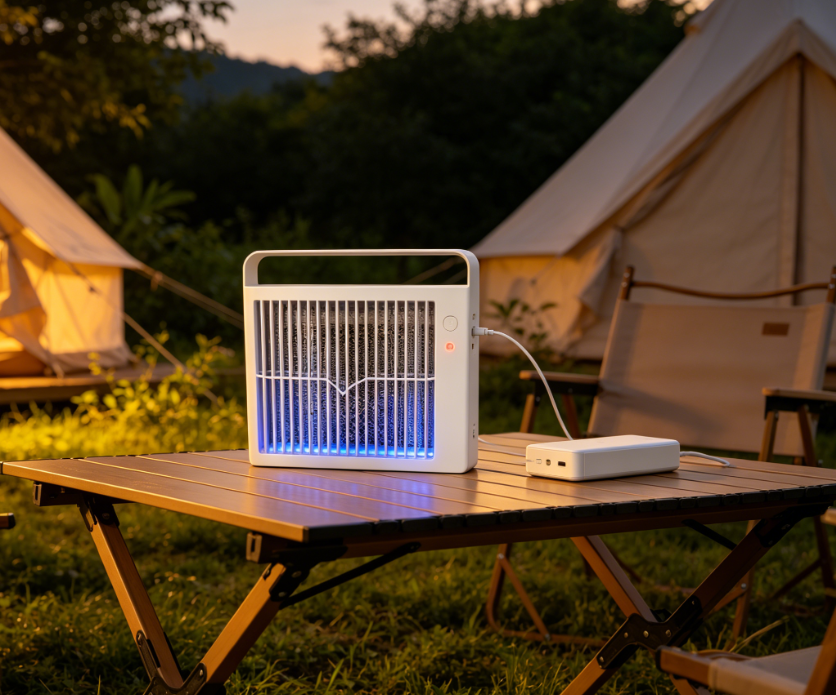
1. Why Do Mosquito-Borne Diseases Break Out Widely After Floods?
To effectively prevent mosquito-borne diseases after floods, it is essential to understand the core causes of mosquito overpopulation and disease outbreaks, so as to target and cut off breeding and transmission sources for optimal prevention results.
1.1 Stagnant Water Forms Ideal Mosquito Breeding Grounds
Mosquitoes rely entirely on standing water for growth and reproduction. After floods recede, low-lying yards, flower pot trays, waste bottles and cans, sewers, roof gaps and other areas retain large amounts of non-drainable stagnant water. Mixed with silt and decaying debris, such water is rich in nutrients, providing perfect conditions for egg-laying and breeding of disease-carrying mosquitoes including Aedes, Culex and Anopheles. Under high summer temperatures, mosquitoes can complete a full breeding cycle in about 7 days, leading to a sharp surge in mosquito populations in a short time.
1.2 Temperature and Humidity Accelerate Pathogen Transmission
Post-flood areas feature persistently high air humidity and sweltering temperatures, which not only adapt to mosquito growth but also extend their survival time significantly. Meanwhile, humid environments facilitate the proliferation of various viruses and bacteria. When mosquitoes bite humans, they directly transmit carried pathogens, greatly increasing the risk of mosquito-borne infections after floods.
1.3 Damaged Living Environments Reduce Protection Capabilities
Floods often damage window screens, door screens and ventilation facilities. Some affected residents live in temporary shelters with incomplete protective equipment, resulting in longer skin exposure time and a higher risk of mosquito bites and subsequent mosquito-borne diseases.
2. Common Post-Flood Mosquito-Borne Diseases and Symptoms
Post-flood mosquitoes carry a wide range of pathogens, and different mosquito species transmit distinct diseases. Early understanding of disease symptoms enables early detection, intervention and treatment to avoid severe complications.
2.1 Dengue Fever (High-Incidence Priority)
Primarily transmitted by Aedes mosquitoes, it is the most prevalent mosquito-borne disease after floods. Typical symptoms include sudden high fever, severe myalgia, headache, fatigue and skin rashes. Severe cases may involve gum bleeding, visceral bleeding and other critical conditions, with children, the elderly and immunocompromised groups at higher infection risk.
2.2 Malaria
Transmitted by Anopheles mosquitoes, malaria is characterized by periodic chills, fever and sweating. Recurrent episodes may cause anemia and splenomegaly, and delayed treatment can lead to coma, organ failure and even death. Flood-affected areas with poor sanitary conditions are high-risk zones for malaria recurrence and new infections.
2.3 Japanese Encephalitis
Spread by Culex mosquitoes, it mostly occurs after summer and autumn floods and mainly attacks the nervous system. Initial symptoms include fever, nausea and drowsiness, while severe cases may develop convulsions and confusion with high risks of long-term sequelae, especially among children.
2.4 Chikungunya
Also transmitted by Aedes mosquitoes, chikungunya shares similar early symptoms with dengue fever but is distinguished by severe joint pain that may limit physical movement. It features a long and recurrent course, severely disrupting post-flood life recovery.
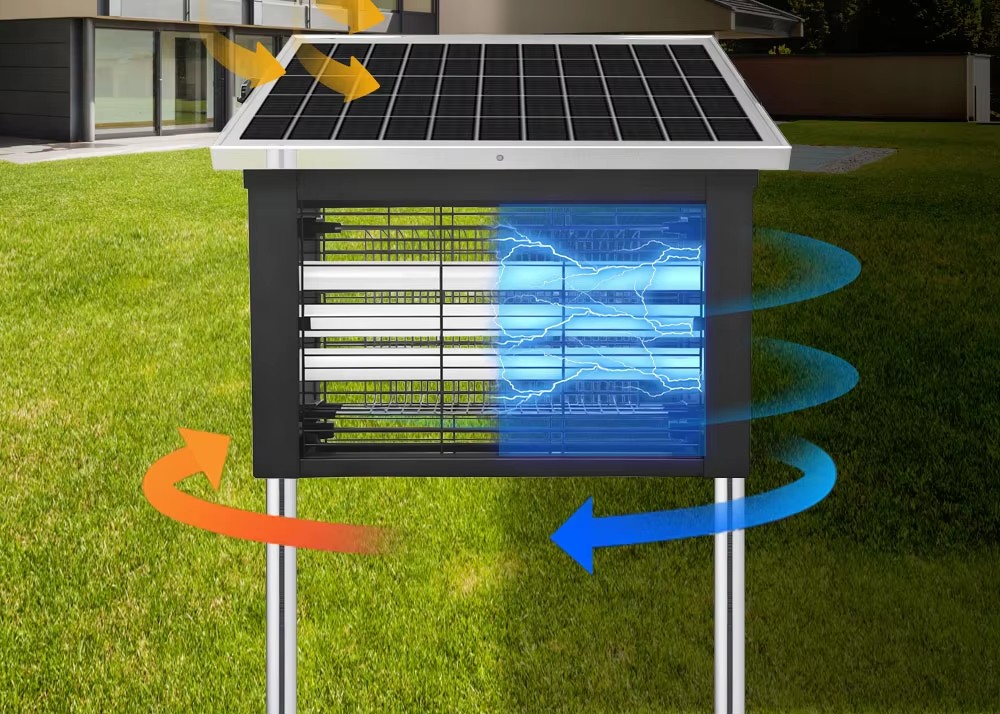
3. Practical Indoor Mosquito and Disease Prevention Methods After Floods (Core Steps)
Indoor spaces are the main daily activity areas and key mosquito gathering spots. Effective indoor mosquito control and disinfection serve as the core key to avoiding mosquito-borne diseases after floods, focusing on three major measures: eliminating stagnant water, killing adult mosquitoes and preventing bites.
3.1 Thoroughly Remove Stagnant Water to Cut Off Mosquito Breeding Sources
No stagnant water, no mosquitoes. Complete removal of all standing water is the fundamental solution to eradicate mosquito breeding, requiring comprehensive and dead-end-free inspection.
3.1.1 Comprehensive Indoor Stagnant Water Inspection and Removal
Daily clean residual water on kitchen, bathroom, balcony and window sills; empty water from flower pot trays, water dispenser trays, idle basins and buckets; discard or invert waste bottles and plastic containers to prevent water accumulation. Regularly clean air conditioner condensate water to eliminate tiny indoor water sources for mosquito breeding.
3.1.2 Key Outdoor and Courtyard Stagnant Water Treatment
Timely dredge front and backyard drainage ditches and sewers by removing silt and debris to prevent blockages; fill low-lying pits and tile gap water in courtyards; clean stagnant water on rooftops, awnings and air conditioner outer unit trays; centrally store or drill drainage holes in idle tires, water vats and storage buckets that easily accumulate water.
3.2 Scientific Mosquito Disinfection and Killing to Reduce Mosquito Density
After removing stagnant water, targeted adult mosquito elimination is required to rapidly reduce environmental mosquito density and build an indoor epidemic prevention barrier.
3.2.1 Priority to Physical Mosquito Control (Safe & Harmless)
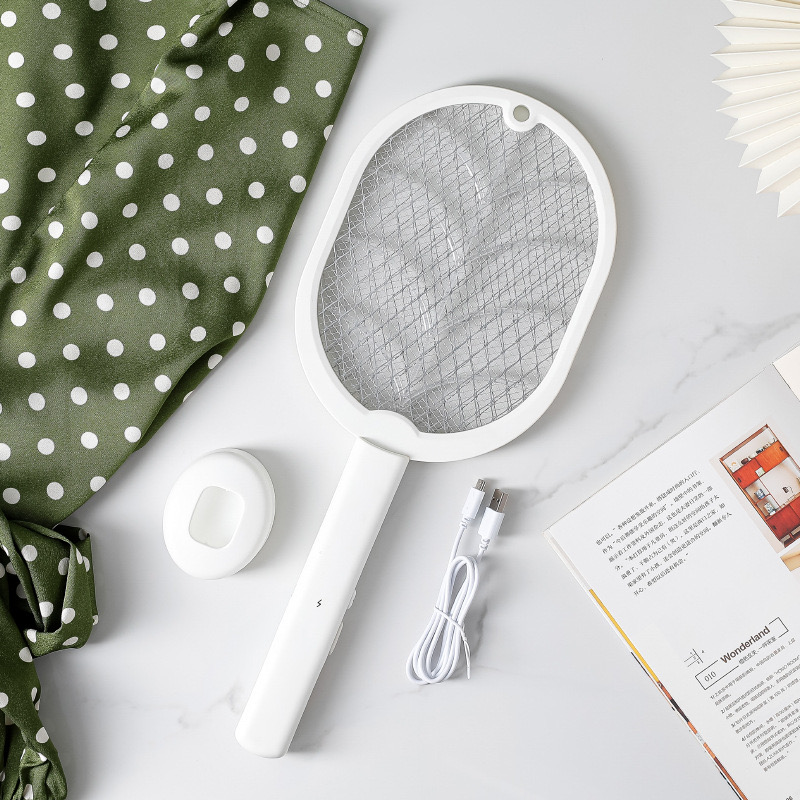
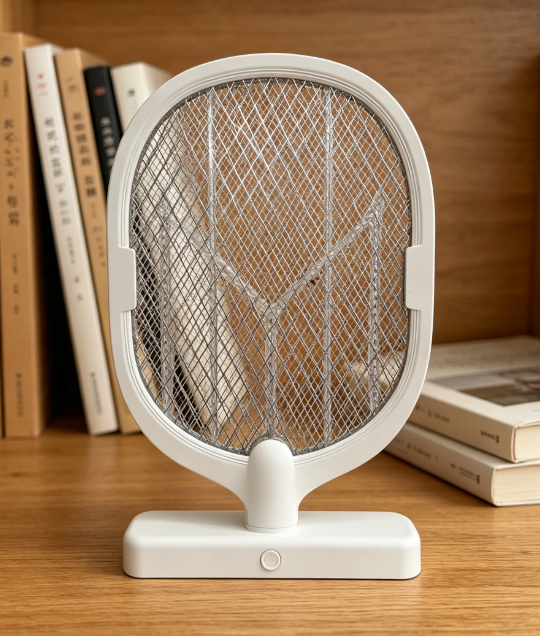
Repair damaged window screens, door screens and mosquito nets to block mosquito entry; strengthen protection during daytime ventilation and use mosquito nets all night; use electric swatters and mosquito lamps to kill indoor adult mosquitoes. Free of chemical residues, these methods are safe for families with infants, pregnant women and the elderly.
3.2.2 Standardized Chemical Disinfection Operations
Spray compliant pyrethroid insecticides on indoor corners, walls, window screens and bathrooms where mosquitoes gather; conduct residual spraying on walls, green belts and debris piles within 5-10 meters of residential buildings for long-term mosquito control. Avoid spraying on food, tableware and personal clothing. Keep doors and windows closed for 30 minutes after disinfection and ventilate thoroughly before re-entry.
3.3 Daily Indoor Protection to Prevent Mosquito Bites
Wear long-sleeve shirts and long pants indoors to minimize skin exposure; reduce window opening frequency during peak mosquito activity periods (morning and evening); maintain dry and ventilated indoor environments, conduct regular cleaning, and remove decaying debris to destroy mosquito habitats and fully prevent mosquito-borne diseases caused by bites.
4. Outdoor Mosquito and Disease Prevention Precautions After Floods
Outdoor mosquito density is much higher than indoor levels after floods. Outdoor areas feature abundant stagnant water, diverse mosquito species and higher pathogen carriage rates, requiring comprehensive protection for outdoor travel and post-flood work.
4.1 Avoid High-Risk Mosquito Areas
Stay away from low-lying waterlogged areas, overgrown weeds, garbage dumps and river canals where mosquitoes concentrate; minimize contact with silt-stacked, humid and messy post-flood areas to reduce mosquito exposure risks.
4.2 Professional Outdoor Protection Measures
Wear fully covered long sleeves, long pants and non-slip rain boots during outdoor travel and post-flood cleanup work to reduce skin exposure; apply compliant long-lasting mosquito repellent on exposed skin and clothing, reapply every 4-6 hours to maintain protection efficacy. Avoid prolonged outdoor activities during dawn and dusk mosquito peak hours.
4.3 Timely Cleaning and Disinfection After Outdoor Activities
Change clothes immediately after outdoor work, and clean the whole body to remove residual repellent and attached mosquitoes; wash and sun-dry changed clothes, and conduct simple disinfection if necessary to prevent mosquito eggs and pathogens from being brought indoors.
5. Common Misconceptions in Post-Flood Mosquito Disease Prevention
Poor mosquito control results and persistent mosquito-borne infections after floods are mainly caused by preventive misconceptions. Wrong operations fail to achieve epidemic prevention effects and may delay the optimal prevention window.
5.1 Only Spraying Pesticides Without Removing Stagnant Water (Treating Symptoms Not Root Causes)
Many people rely solely on insecticides to kill mosquitoes while ignoring stagnant water removal. Pesticides only eliminate existing adult mosquitoes, while residual water continues to breed new mosquitoes, leading to a rapid rebound in mosquito density and failing to fundamentally stop disease transmission.
5.2 No Need for Daytime Protection Due to Invisible Mosquitoes
Most people mistakenly believe mosquitoes are only active at night and ignore daytime protection. However, Aedes mosquitoes (the main dengue vector) are highly active and aggressive during daytime, especially in the morning and afternoon, making unprotected daytime exposure a major infection risk.
5.3 Abusive Use of Mosquito Repellents and Pesticides
Blind use of high-concentration or unqualified repellents, as well as excessive frequent spraying, may cause skin allergies and respiratory discomfort. Overuse also leads to mosquito drug resistance, greatly reducing subsequent prevention and disinfection efficacy.
5.4 Stopping Prevention When Mosquito Numbers Decrease
The 1-2 week post-flood period is the golden window for mosquito breeding and disease prevention. Even with no visible mosquitoes, residual stagnant water may contain dormant eggs. Early termination of prevention will lead to mosquito resurgence and renewed disease transmission risks once eggs hatch.
6. Emergency Treatment for Suspected Mosquito-Borne Infections
Mosquito-borne diseases have short incubation periods after floods. Timely intervention is required to prevent condition deterioration after mosquito bites and physical discomfort.
6.1 Monitor Physical Symptoms Closely
Observe physical conditions continuously for 3-14 days after mosquito bites. Symptoms such as sudden high fever, severe joint and muscle pain, rashes, fatigue, chills and severe headaches are typical warning signs of mosquito-borne infections.
6.2 Seek Medical Treatment Immediately for Diagnosis
Early-stage mosquito-borne disease symptoms are similar to common colds and prone to misdiagnosis. Do not self-medicate for fever relief when suspicious symptoms appear. Visit a formal hospital immediately and actively inform doctors of flood exposure and mosquito bite history for rapid diagnosis and targeted treatment.
6.3 Implement Isolation and Environmental Disinfection
Patients diagnosed with mosquito-borne diseases need strict anti-mosquito isolation to avoid secondary virus transmission through repeated mosquito bites. Conduct comprehensive environmental disinfection and remove surrounding stagnant water to eliminate mosquito breeding sources and prevent cross-infection among family members.
7. Summary of Long-Term Post-Flood Mosquito Disease Prevention
The core logic of post-flood mosquito-borne disease prevention is source elimination first, adult mosquito elimination second, and long-term persistent protection. Compared with direct flood damage, hidden post-flood mosquito-borne disease risks are more persistent and widespread. Effective disease avoidance relies on three core principles: first, thoroughly eliminate all stagnant water to cut off mosquito breeding sources; second, conduct scientific disinfection to reduce mosquito density rapidly; third, maintain comprehensive indoor and outdoor protection to prevent mosquito bites.
The first 1-2 weeks after floods are the critical prevention period. Do not relax vigilance. Adhere to regular cleaning, disinfection and personal protection to fully avoid dengue fever, malaria and other mosquito-borne disease risks, and protect post-flood physical health and stable daily life.
Global Electric Mosquito Swatter Certification Standards by Region
What Kind of Garbage Does an Electric Mosquito Swatter Belong to
Related Article

If you’re struggling with annoying mosquitoes, flies, and other flying pests indoors and outdoors, upgrading from traditional manual tools to anElectric Mosquito Swatter is the most efficient solution. Many homeowners and renters search where to buy fly swatter online to find durable, safe, and high-performance electric models that deliver instant pest control.
Where to Buy Fly Swatter
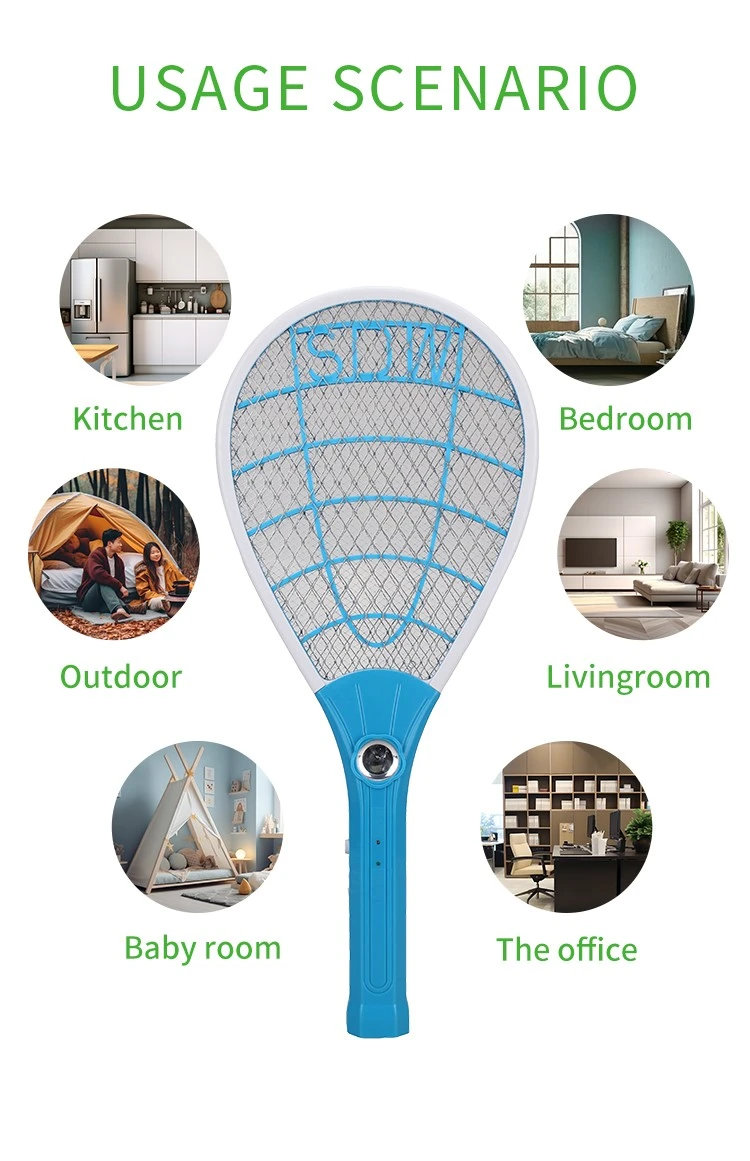
Most importers of electric mosquito swatters obsess over the first order: samples requested, factories vetted, a pre-shipment inspection booked. Then the reorder arrives eight months later and something is off. The grid feels softer. The charge port is a slightly different shade of black. The carton thickness dropped from 350 gsm to 300 gsm. Nothing is catastrophic — but the product no longer matches what your retail customers approved, and quietly, your return rate starts climbing.
How to Keep Mosquito Swatter Quality Consistent Across Repeat Orders
Warranty returns are the silent margin killer in the mosquito control category. A distributor who buys a swatter at $1.80 FOB and retails it at $9.90 can absorb a 1% return rate without noticing — but at 5%, the combined cost of replacement units, reverse logistics, and refund processing erases most of the line's profit.
Common mosquito swatter killer lamp failure modes wholesale spec guide

Digital bathroom scales rank as the second-highest-volume consumer weighing product category, only behind kitchen scales, with distinct market and product characteristics that set them apart from other scale types in importers’ product portfolios.
Digital bathroom body fat-bia-scale wholesale buyers guide