
How to Balance Mosquito Control and Ecology
2025-08-20
Mosquito Killer Lamps: Do They "Kill the Wrong Insects"? How to Balance Mosquito Control and Ecology?
As summer arrives, the buzzing and biting of mosquitoes become a major nuisance. Mosquito killer lamps, as common anti-mosquito tools, are highly anticipated by many. However, the recent phenomenon of mosquito killer lamps "killing the wrong insects" has raised concerns. How can we balance mosquito control with ecological preservation?
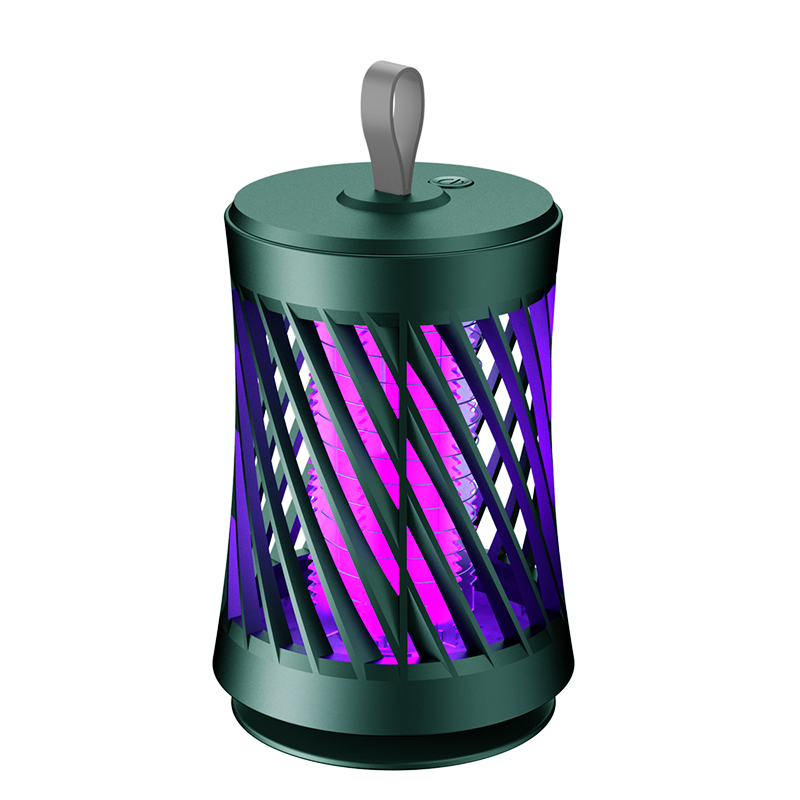
How Mosquito Killer Lamps Work
Most mosquito killer lamps on the market attract and eliminate mosquitoes by leveraging their phototaxis, thermotaxis, and sensitivity to specific chemicals. The majority use ultraviolet light of a specific wavelength (between 350-400 nanometers) to mimic moonlight or plant-reflected light and attract mosquitoes. Some photocatalytic mosquito killer lamps produce trace amounts of carbon dioxide and water vapor through photocatalytic reactions to simulate human exhalation. Others are equipped with chemical attractants such as octenol or lactic acid to enhance their appeal to mosquitoes. Once mosquitoes approach, they are eliminated via electric shock, air suction, or adhesive trapping.
Uncovering the "Killing the Wrong Insects" Phenomenon
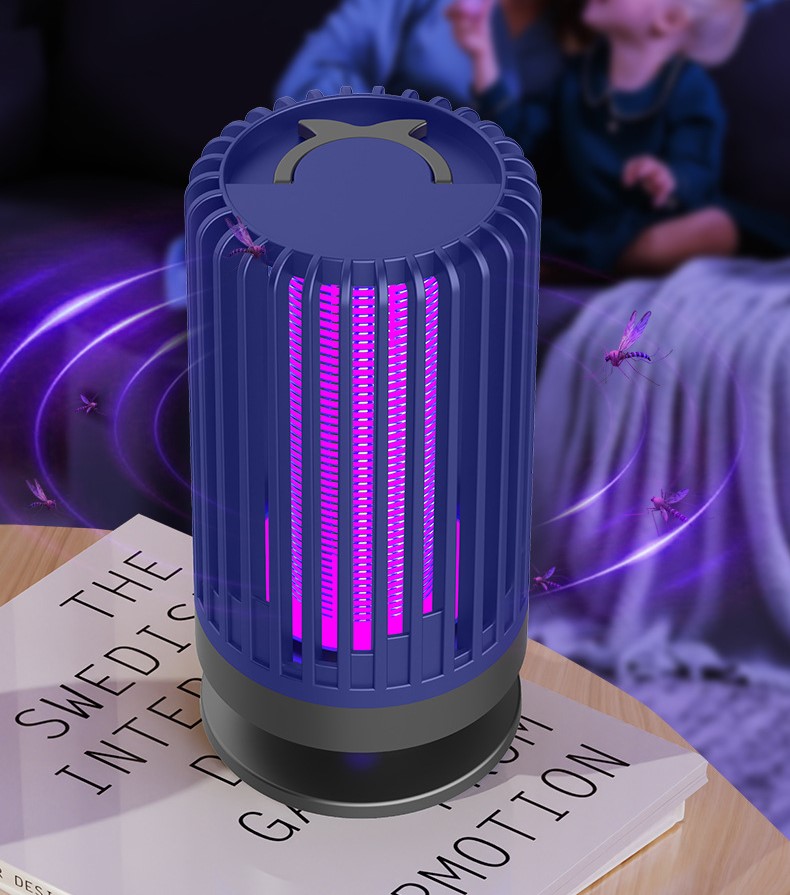
A two-year study by entomologists at the University of Delaware showed that among over 13,000 insects killed by electric shock-type mosquito killer lamps, female blood-sucking mosquitoes accounted for less than 0.22%. The vast majority of the dead insects were harmless or beneficial species, such as beetles and moths. This is because when humans and mosquito killer lamps are present simultaneously, the carbon dioxide exhaled by humans, body temperature, and lactic acid in sweat are far more attractive to mosquitoes than the lamps themselves. Mosquito killer lamps may kill more other insects that are attracted to their light. The American Mosquito Control Association (AMCA) has also noted that outdoor use of mosquito killer lamps may attract mosquitoes from distant areas, increasing the density of mosquitoes in living spaces.
The Ecological Impact of Mosquito Killer Lamps
Reduction in Beneficial Insects
Many insects mistakenly killed by mosquito killer lamps play important roles in the ecosystem. For example, pollinators like bees and butterflies are crucial for plant reproduction, while insects such as beetles participate in soil decomposition and nutrient cycling. A decline in their populations can affect plant reproduction and the material cycle of the ecosystem.
Disruption to the Food Chain
Insects are a food source for many animals, including birds, bats, and frogs. Mosquito killer lamps alter the population structure and quantity of insects, which may lead to food shortages for animals that depend on these insects for sustenance, thereby affecting the entire food chain and ecological balance.
Strategies to Balance Mosquito Control and Ecology
Prioritize Physical Protection
At home, installing window screens and screen doors can prevent mosquitoes from entering the house, and mosquito nets can provide a safe sleeping environment. When going out, wear light-colored long-sleeved clothing to reduce skin exposure and lower the risk of mosquito bites.
Environmental Management
Mosquitoes rely on water for reproduction. Regularly clean water-holding containers such as flower pot saucers, discarded tires, and air conditioning condensate pipes. Dredge community drainage ditches and fill in low-lying areas to reduce mosquito breeding grounds and control mosquito populations at the source.
Biological Control
Use the interdependent relationships between organisms to control mosquito populations. For instance, introduce mosquito fish into ponds and water features—mosquito fish feed on mosquito larvae. Alternatively, use microbial agents such as Bacillus thuringiensis israelensis (Bti). Bti can specifically kill mosquito larvae without harming other organisms and is suitable for areas like parks and wetlands.
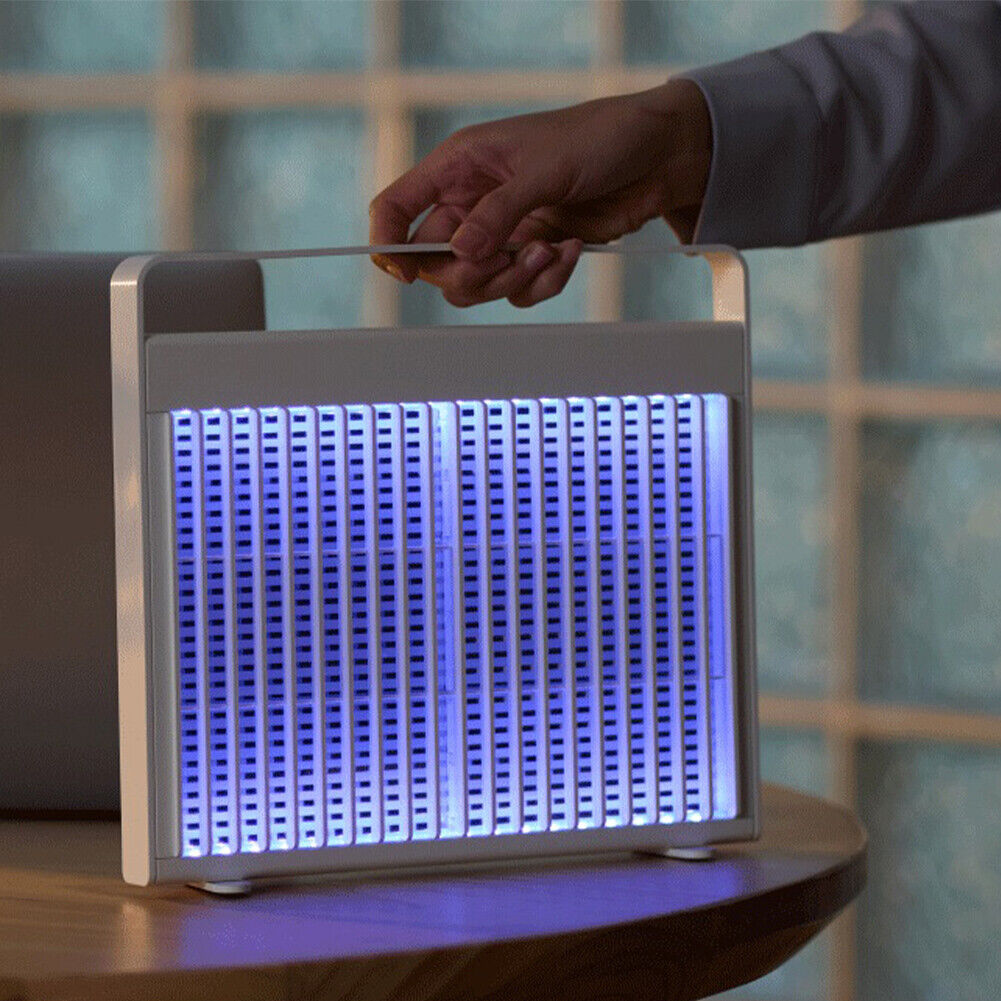
Choose mosquito killer lamps that are highly targeted at the target mosquito species and place them appropriately. When used indoors, avoid placing them in areas with frequent human activity; instead, place them in corners, near windows, or other areas where mosquitoes are likely to appear. When used outdoors, control the scope and duration of use to minimize impact on beneficial insects.
Explore New Technologies
Researchers are exploring gene-editing technologies, such as developing "sterile mosquitoes." Releasing male mosquitoes carrying sterile genes to mate with wild female mosquitoes results in unhatched eggs, controlling mosquito populations. They are also developing technologies to reduce mosquitoes' willingness and ability to find humans, such as editing the genes that allow mosquitoes to detect lactic acid in human sweat. If these technologies can be maturely applied, they are expected to effectively control mosquitoes while minimizing ecological impact.
Mosquito control and ecological protection are not mutually exclusive. By comprehensively using various mosquito control methods, rationally using mosquito killer lamps, and actively exploring new technologies, we can enjoy a mosquito-free life while safeguarding ecological balance. What experiences or ideas do you have in mosquito control? Welcome to share and discuss.
Should You Choose a Trading Company or a Manufacturer
A Guide to Using Mosquito Traps
Related Article

If you’re struggling with annoying mosquitoes, flies, and other flying pests indoors and outdoors, upgrading from traditional manual tools to anElectric Mosquito Swatter is the most efficient solution. Many homeowners and renters search where to buy fly swatter online to find durable, safe, and high-performance electric models that deliver instant pest control.
Where to Buy Fly Swatter
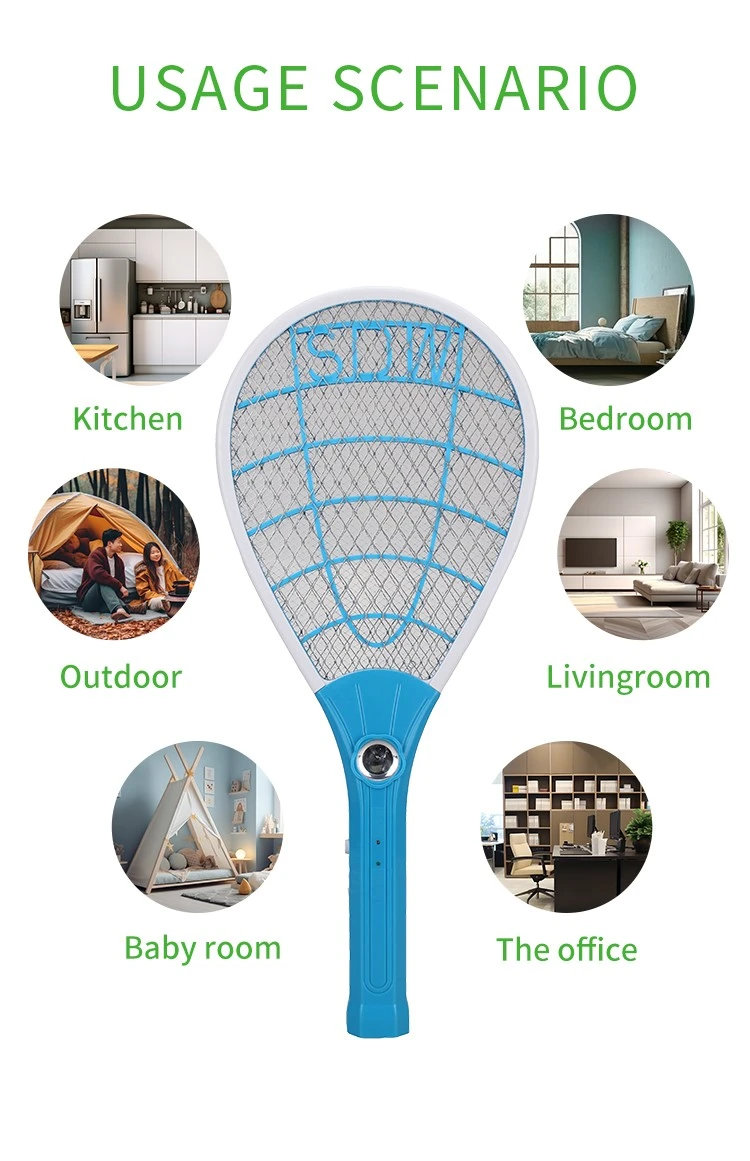
Most importers of electric mosquito swatters obsess over the first order: samples requested, factories vetted, a pre-shipment inspection booked. Then the reorder arrives eight months later and something is off. The grid feels softer. The charge port is a slightly different shade of black. The carton thickness dropped from 350 gsm to 300 gsm. Nothing is catastrophic — but the product no longer matches what your retail customers approved, and quietly, your return rate starts climbing.
How to Keep Mosquito Swatter Quality Consistent Across Repeat Orders
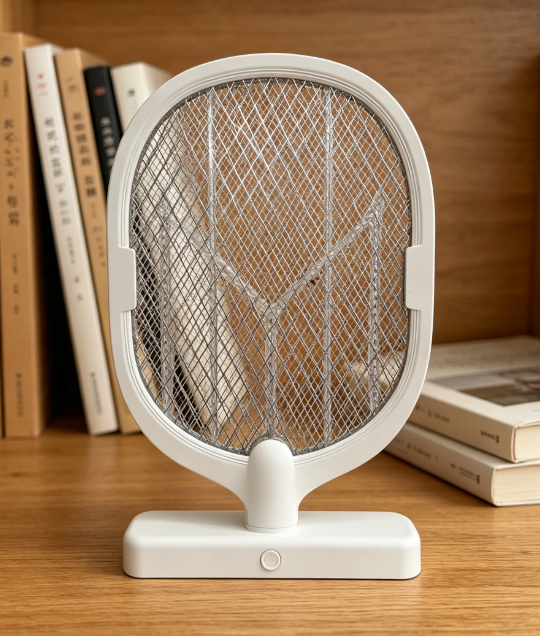
Warranty returns are the silent margin killer in the mosquito control category. A distributor who buys a swatter at $1.80 FOB and retails it at $9.90 can absorb a 1% return rate without noticing — but at 5%, the combined cost of replacement units, reverse logistics, and refund processing erases most of the line's profit.
Common mosquito swatter killer lamp failure modes wholesale spec guide

Digital bathroom scales rank as the second-highest-volume consumer weighing product category, only behind kitchen scales, with distinct market and product characteristics that set them apart from other scale types in importers’ product portfolios.
Digital bathroom body fat-bia-scale wholesale buyers guide