
How to Build a Profitable Mosquito Swatter Brand
2026-08-12
How to Build a Profitable Mosquito Swatter Brand: From Factory to Retail Shelf
The global household pest control market has maintained steady annual growth in recent years, with electric mosquito swatters standing out as a low-cost, high-demand, and seasonally resilient consumer essential. Unlike niche electronic products with limited market space, mosquito swatters are indispensable for family life, rental housing, outdoor camping, and commercial spaces such as hotels and restaurants. For aspiring brand founders and cross-border sellers, choosing to start mosquito killer brand centered on electric mosquito swatters offers a low entry barrier, stable supply chain, and huge profit margin potential. Among multiple brand operation modes, launching a private label mosquito swatter business has become the most profitable and sustainable model, enabling sellers to get rid of low-price white-label competition, build independent brand barriers, and gain long-term retail premium returns. This guide will elaborate on the complete operational process from market verification, factory docking, product customization, brand compliance to retail shelf layout and profit optimization, helping entrepreneurs build a profitable mosquito swatter brand systematically.
1. Market Validation: Confirm Profit Potential of Private Label Mosquito Swatter Business
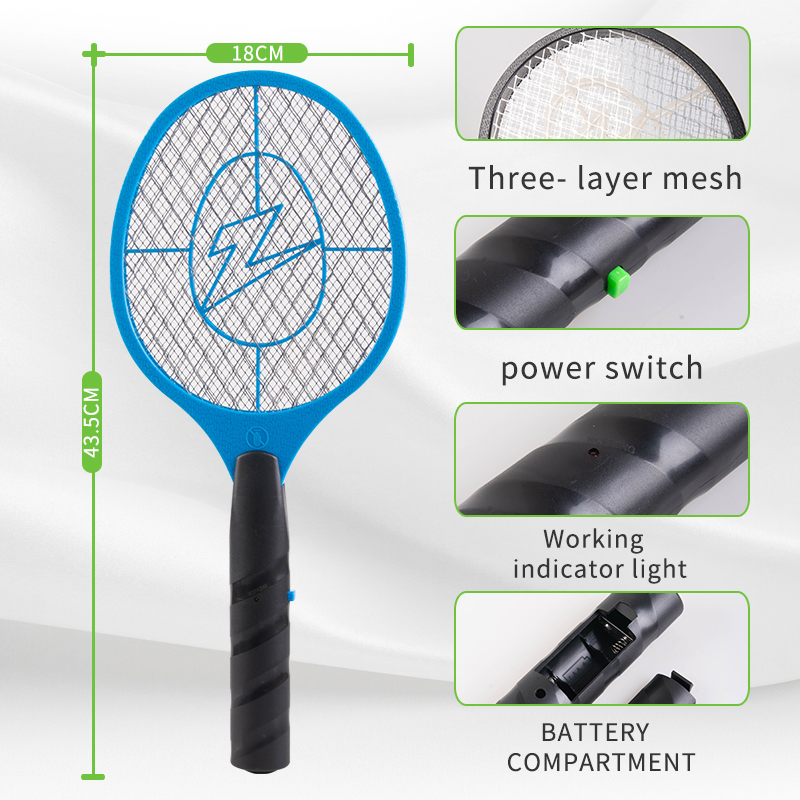
Before investing in production and brand building, thorough market research and demand validation are the core prerequisites for avoiding blind investment and ensuring profitability. The electric mosquito swatter market has obvious rigid demand characteristics and segmented consumption trends, which creates sufficient living space for new private label brands.
First of all, the market demand is continuous and global. In tropical, subtropical, and temperate regions with obvious summer seasons, mosquito infestation lasts for 4 to 8 months every year, forming a stable seasonal rigid demand. Meanwhile, with the upgrading of consumption, consumers have gradually abandoned traditional mosquito coils and insecticides with chemical residues, and prefer physical mosquito killing tools represented by electric mosquito swatters, which are safe, non-toxic, efficient, and reusable. In addition to household scenarios, outdoor scenarios such as camping, fishing, and garden leisure have further expanded the product application scope, realizing the transformation from single seasonal demand to multi-scenario annual demand.
Secondly, the market competition has obvious segmentation gaps. At present, the mosquito swatter market is divided into two extreme camps: first, traditional big brands with high brand premiums and high channel costs, whose product pricing is generally high, lacking cost-effectiveness advantages; second, a large number of generic white-label products with single functions, rough workmanship, no quality assurance, and no brand endorsement, which can only compete at ultra-low prices and have almost no profit space. For entrepreneurs, launching a private label mosquito swatter can precisely fill the market gap between high-end big brands and low-end white-label products. Through differentiated design, standardized quality control, and independent brand packaging, it can target mid-mass consumers who pursue cost-effectiveness, safety, and practicality, obtaining stable profit margins.
Finally, the product profit model is flexible and scalable. The production cost of electric mosquito swatters is low, with flexible customization of materials, functions, and appearances. The unit profit margin of private label products can reach 30% to 60%, far higher than that of white-label products with a profit margin of less than 10%. Moreover, after the initial brand accumulation, the brand can expand product lines to multi-functional mosquito killers, intelligent mosquito repellent lamps, and household pest control combinations, realizing continuous business growth. Therefore, to start mosquito killer brand with electric mosquito swatters as the core is a low-risk, high-return entrepreneurial project suitable for long-term operation.
2. Core Advantages of Private Label Mosquito Swatter Brand Model
Many new entrepreneurs initially choose white-label wholesale and resale mode to enter the mosquito swatter market, but they will eventually fall into the dilemma of homogeneous price competition. In contrast, the private label model is the core key to building a profitable brand, and its advantages run through the entire link from production to retail sales.
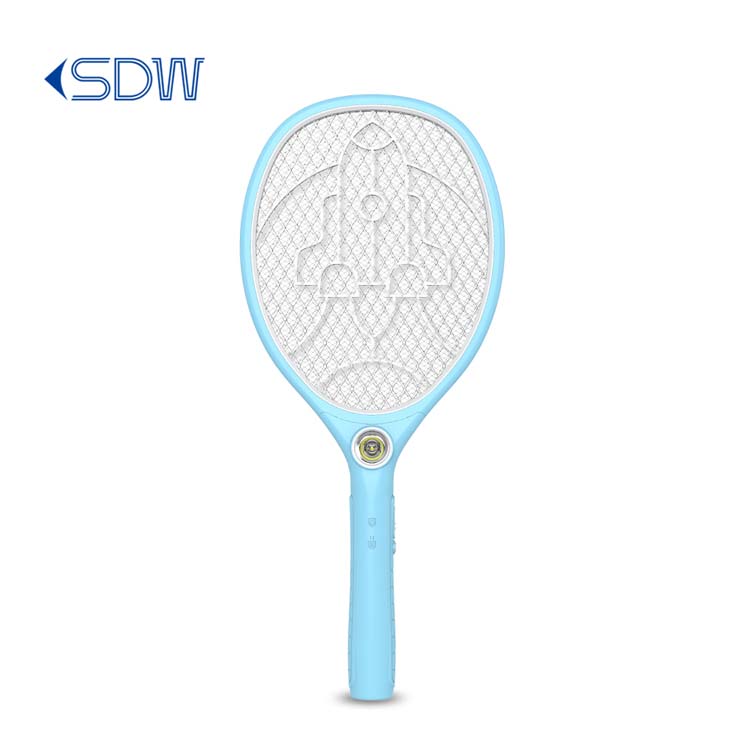
First, independent brand ownership and pricing power. White-label products have no exclusive brand, and all sellers share the same product and packaging, which can only compete by lowering prices. While private label mosquito swatter products support exclusive brand logo printing, customized packaging, and independent product naming. Sellers completely master the brand ownership, can formulate differentiated pricing strategies according to product positioning and market demand, and get rid of passive price competition. For mid-end customized products, brands can easily achieve 2-3 times the premium of factory wholesale prices, greatly improving unit profit.
Second, differentiated product customization to adapt to segmented markets. Private label cooperation allows in-depth customization of products according to target market characteristics. For example, for European and American markets with high safety standards, products can be customized with overcharge protection, anti-electric shock safety grid, and EU CE certification; for Southeast Asian markets with high temperature and humidity, waterproof and drop-resistant models can be developed; for young consumer groups, portable foldable models, dual-purpose mosquito swatter and mosquito lamp integrated models, and trendy color matching designs can be launched. This differentiated customization makes private label products have unique market competitiveness and avoid homogeneous rolling.
Third, long-term brand asset accumulation. Reselling white-label products cannot accumulate any brand awareness and user reputation, and the business is completely dependent on price advantages with no sustainable development. While every sale of private label products is an accumulation of brand assets. With the continuous launch of products and market promotion, the brand will gradually form a stable user reputation and market recognition, realizing the transformation from "selling products" to "selling brands". In the later stage, brand influence can drive the sales of full-category pest control products, forming a closed-loop brand operation.
Fourth, flexible supply chain and low inventory risk. Formal mosquito swatter factories support flexible private label order quantities. Compared with the high threshold of brand self-built factories, private label cooperation has low initial investment, no need to bear equipment and site costs, and can adjust order quantities according to seasonal demand and sales data, effectively reducing inventory backlog risks. This lightweight operation model is very friendly to new entrepreneurs and small and medium-sized sellers.
3. Factory Screening & Supply Chain Building: The Foundation of Product Profitability
Product quality is the foundation of brand survival, and excellent factory supply capacity determines product quality stability, delivery efficiency, and cost control level. When you start mosquito killer brand, screening reliable private label manufacturers is the most critical link in the whole process, which directly affects retail sales and profit levels.
First, clarify factory screening standards. Excellent mosquito swatter private label factories need to meet three core conditions: complete qualification certification, stable production capacity, and mature customization experience. First of all, check the factory's production qualifications, including business license, production qualification of small household appliances, and product safety certification reports (CE, FCC, RoHS, etc. for cross-border markets, and national safety certification for domestic markets) to avoid unqualified products being removed from shelves or detained by customs. Secondly, verify production capacity. It is necessary to select factories with independent production lines, mold development workshops, and quality inspection teams to ensure stable product quality and on-time delivery, especially to meet the peak demand before the arrival of summer. Finally, prioritize factories with rich private label mosquito swatter cooperation experience. Such factories are familiar with brand customization processes such as logo printing, packaging customization, and certificate processing, which can effectively reduce communication costs and customization cycle.
Second, carry out factory field inspection and sample confirmation. After initially screening alternative factories through B2B platforms such as Alibaba, it is necessary to conduct in-depth communication and field inspection. Focus on inspecting the factory's raw material procurement standards, production process, quality inspection links, and after-sales service system. For example, high-quality mosquito swatters use high-density safety grids, pure copper motors, and high-capacity lithium batteries, with strict anti-electric shock, overcharge, and short-circuit protection designs. After confirming the factory strength, apply for product samples, test the product's mosquito killing efficiency, battery life, safety performance, and appearance quality, and confirm whether the customized logo, color, and packaging meet brand positioning requirements.
Third, determine private label cooperation terms and cost negotiation. The core of factory cooperation is to control comprehensive costs, including unit production cost, customization fee, packaging fee, shipping fee, and after-sales warranty cost. For new brands with small initial orders, negotiate flexible MOQ (minimum order quantity) to reduce initial investment pressure. For long-term cooperation, sign exclusive customization agreements to prevent factories from providing the same customized products to competing brands. At the same time, clarify the delivery cycle, quality problem replacement mechanism, and after-sales liability division in the contract to avoid subsequent operational risks.
Fourth, build stable multi-source supply chain. In order to avoid production stagnation caused by single factory failure, it is necessary to establish a dual-factory supply mechanism in the early stage of brand operation. Cooperate with one core factory for long-term bulk orders and one backup factory for emergency replenishment, so as to ensure the stability of product supply and lay a foundation for stable retail shelf supply.
4. Product Differentiation Customization & Compliance Certification: Build Core Selling Points
In the homogeneous mosquito swatter market, only differentiated products can gain retail premium and user recognition. Combined with market demand pain points, targeted private label customization and compliance certification are key steps to improve product competitiveness and profitability.
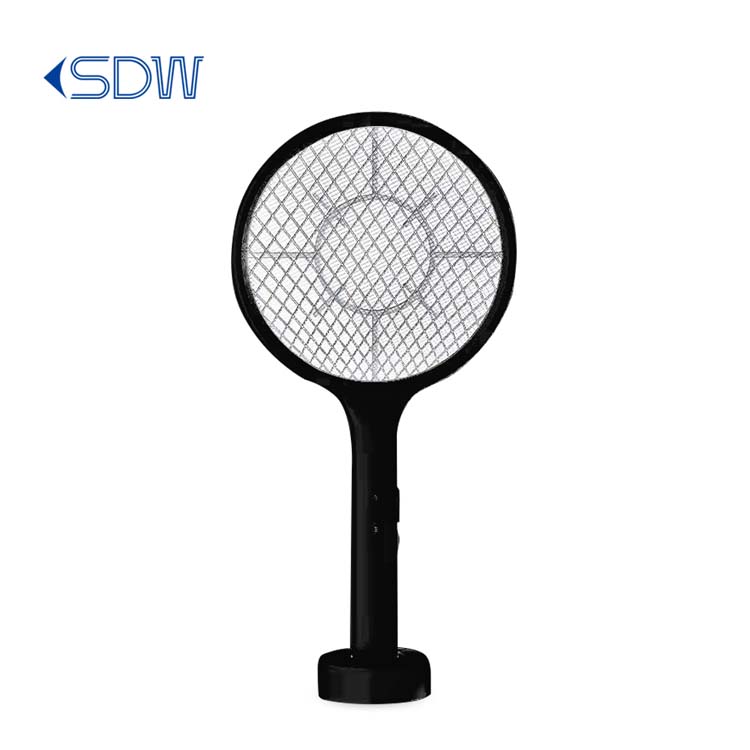
In terms of functional customization, break through the limitations of traditional single-function mosquito swatters. According to user pain points such as single use, short battery life, and poor safety of traditional products, develop multi-functional integrated products. For example, launch dual-purpose electric mosquito swatter with manual and automatic mosquito killing modes, which can be used for handheld mosquito shooting and placed on the desktop as a mosquito trap lamp; upgrade high-capacity lithium batteries to solve the pain point of frequent charging; add intelligent light control function, automatically turn on the mosquito killing mode at night and turn off during the day to save power; optimize the safety grid structure to prevent children and pets from electric shock, improving product safety. These differentiated functions can form unique selling points of private label mosquito swatter products, effectively distinguishing them from low-end white-label products.
In terms of appearance and packaging customization, shape brand recognition. Appearance design is the first visual impression of consumers, which directly affects purchase decisions. Combined with the aesthetic preferences of target consumer groups, carry out personalized design: for family users, adopt simple and safe color matching and rounded anti-collision appearance; for young outdoor users, adopt portable foldable design and trendy color matching. In terms of packaging, abandon the simple ordinary carton packaging of white-label products, customize exclusive brand color boxes, add brand LOGO, brand story, product function introduction, and safety instructions in multiple languages, improve product grade, and enhance brand professionalism. Exquisite packaging also helps products stand out on retail shelves and attract consumers' attention.
In terms of compliance certification, open up global retail channels. Compliance is the prerequisite for products to enter offline supermarkets, chain stores, and cross-border e-commerce platforms. When you start mosquito killer brand, you must complete all necessary certification according to the target market. For the European and American markets, products need to obtain CE safety certification, FCC electromagnetic compatibility certification, and RoHS environmental protection certification; for the Southeast Asian market, complete local mandatory safety certification; for domestic sales, comply with national small household appliance safety standards. Complete certification not only avoids product shelf removal and customs detention risks but also improves consumer trust in the brand, which is an important endorsement for high-margin sales.
5. Brand Registration & Asset Construction: Lay a Foundation for Long-term Retail Operations
A qualified private label brand must have complete brand assets, which is the core support for entering high-quality retail channels and obtaining long-term profits. Many new sellers ignore brand asset construction in the early stage, resulting in products unable to enter formal retail shelves and limited profit space. Complete brand construction mainly includes trademark registration, brand filing, and intellectual property protection.
First, complete trademark registration. Trademark is the core asset of the brand and the premise of private label product sales. It is necessary to register corresponding class trademarks according to product attributes (small household appliances, pest control products). For cross-border operation, register domestic and international trademarks in advance to prevent brand squatting and infringement. Only with a registered trademark can products be labeled with exclusive brand logos and enjoy brand protection rights, which is a necessary condition for entering offline supermarkets, chain retail stores, and mainstream e-commerce platforms.
Second, complete platform brand filing. For online retail channels such as Amazon, Shopify, and local e-commerce platforms, complete official brand filing after obtaining the trademark. Brand filing can unlock platform traffic support, brand authorization, and anti-infringement protection functions, avoid product linking and plagiarism by competitors, and help brand products occupy a dominant position in platform search and recommendation.
Third, strengthen intellectual property protection. For independently customized product appearance, structural functions, and packaging designs, apply for appearance patents and utility model patents in a timely manner. Prevent competitors from copying differentiated products, maintain the brand's unique competitive advantage, and ensure long-term profit stability of private label mosquito swatter products.
6. Pricing Strategy & Profit Model Optimization: Maximize Retail Profit Margin
Scientific pricing is the key to ensuring brand profitability. On the premise of controlling factory costs and operating costs, formulate differentiated pricing strategies for different retail channels to maximize comprehensive profits while ensuring market competitiveness.
First, calculate comprehensive cost accounting. The total cost of private label mosquito swatter products includes factory production cost, customization fee, packaging fee, certification fee, logistics and warehousing cost, platform commission, and operating labor cost. Different from white-label products that only calculate single production cost, private label brands need to amortize early-stage brand construction cost, certification cost, and mold customization cost into unit product cost. After accurate cost accounting, clarify the lowest profit margin of products to avoid loss caused by blind price reduction.
Second, formulate channel differentiated pricing. For offline retail channels such as supermarkets, convenience stores, and hardware stores, the pricing can be increased appropriately. Offline consumers pay more attention to product quality and brand reliability, with low price sensitivity, which can bear higher brand premiums. For online e-commerce channels, the pricing is moderately competitive, retaining sufficient profit space while referring to the pricing of competing products of the same grade to ensure online traffic and sales volume. For wholesale channels, set tiered wholesale prices according to order quantity, encourage bulk procurement, and quickly expand market coverage.
Third, optimize the profit model to realize diversified income. On the basis of single product sales profit, expand profit channels through combination sales and product line iteration. Launch combination packages such as "electric mosquito swatter + mosquito repellent lamp + mosquito repellent liquid" to increase customer unit price and gross profit; launch upgraded products regularly, iterate functional and appearance designs, maintain brand freshness, and avoid profit decline caused by product aging. In addition, long-term brand operation can accumulate user resources, realize repurchase and word-of-mouth drainage, and reduce customer acquisition costs, further improving net profit margin.
7. Full-channel Retail Shelf Layout: From Factory Inventory to Terminal Sales
After completing product customization and brand construction, full-channel retail layout is the core link to realize product monetization. Combining online and offline channels can quickly open the market, improve brand exposure, and realize stable sales and profit growth for private label mosquito swatter products.
Offline retail channels are the core profit channels for physical products. First, cooperate with local supermarkets, chain convenience stores, home furnishing stores, and hardware stores to enter terminal shelves. Such channels have stable passenger flow and strong consumer trust, which are suitable for high-margin brand product sales. When docking offline retailers, provide complete brand qualification certificates, product certification reports, and display samples, formulate reasonable shelf display schemes and promotional policies, and improve product shelf exposure. Second, develop wholesale distributors to cover sinking markets. Through regional distributors, products can enter township markets and small and medium-sized retail stores, rapidly expanding market coverage with low operating costs. Third, cooperate with hotel chains, homestays, catering and other commercial customers to carry out bulk customized sales, realizing large-order profit income.
Online e-commerce channels are the main channels for brand exposure and volume expansion. Cross-border sellers can settle in Amazon, eBay, Shopify independent stations and other platforms, relying on platform traffic and independent station private domain traffic to carry out global sales. Domestic sellers can layout e-commerce platforms such as Taobao, JD, and Pinduoduo, and combine short video platforms such as TikTok and Douyin for live broadcast sales and content marketing. Online channels break through regional restrictions, enabling private label mosquito swatter products to face global consumers, greatly expanding sales volume and brand influence. At the same time, online user evaluation and feedback can be used to optimize products and services iteratively, improving user stickiness.
In terms of shelf operation optimization, unified brand display standards are formulated. Whether online product detail pages or offline physical shelves, unified brand LOGO, visual style, and selling point display are adopted to strengthen user brand memory. For offline shelves, place products in eye-catching positions such as seasonal promotional areas and daily necessities areas, and match promotional posters and display stands; for online stores, optimize product titles, keywords, and detail pages, focus on highlighting brand advantages, safety certification, and differentiated functions, and improve product conversion rate.
8. Brand Marketing & Long-term Operation: Sustain Profit Growth
To build a profitable long-term mosquito killer brand, short-term product sales are not enough. Sustained brand marketing and refined operation are required to realize the transformation from product sales to brand value sales and maintain long-term high profit margins.
First, seasonal precision marketing. The mosquito swatter industry has obvious seasonal attributes, and marketing promotion needs to be deployed in advance of the peak sales season. Carry out pre-heat promotion 1-2 months before summer comes, release new product information and preferential policies, accumulate early sales volume and user reputation; launch seasonal promotional activities in the peak sales season, such as second-piece discount, combination package discount, etc., to boost sales volume; carry out off-season stock preparation and brand exposure maintenance in winter, stabilize brand market share, and avoid brand fading.
Second, content marketing and word-of-mouth drainage. Create targeted content according to product selling points and user pain points, release popular science content such as "household safe mosquito killing methods" and "electric mosquito swatter selection guide" on social platforms, implant brand products, and enhance professional brand image. Encourage users to share product usage experiences, accumulate positive reviews and word-of-mouth, form spontaneous user drainage, and reduce brand marketing costs.
Third, refined user operation and brand iteration. Establish user files, analyze user consumption habits and demand feedback, iterate product functions and appearance designs in a targeted manner, and keep the products in line with market demand. At the same time, enrich the brand product line, expand from single electric mosquito swatters to intelligent mosquito killing equipment, household pest control supplies, etc., form a full-category household pest control brand, improve brand comprehensive competitiveness, and realize sustainable profit growth.
9. Common Pitfalls & Risk Avoidance for Private Label Mosquito Swatter Brand
Many new brands encounter profit losses and market elimination in the operation process, mainly due to ignoring industry risks and operational pitfalls. Summarizing common problems and formulating avoidance strategies can effectively improve the success rate of brand operation.
First, avoid blind low-price competition. Some new brands blindly reduce product pricing in order to pursue sales volume, resulting in meager profit or even loss. The core advantage of private label mosquito swatter is differentiation and brand premium, not low price. It is necessary to always adhere to quality and service advantages, lock mid-end high-profit market, and avoid homogeneous price competition with white-label products.
Second, avoid incomplete product compliance qualifications. Uncertified products will face the risk of shelf removal, customs detention, and user complaints, which will bring huge losses to the brand. Before products go on the market, all market-required safety certifications and qualification documents must be completed to ensure compliant sales.
Third, avoid single supply chain dependence. Long-term cooperation with a single factory may lead to risks such as delayed delivery, quality decline, and price increase. Establishing a multi-factory backup supply chain can effectively resist supply chain risks and ensure stable product supply and cost control.
Fourth, ignore brand asset accumulation. Some sellers only focus on short-term product sales and do not pay attention to trademark protection, intellectual property application, and brand promotion, resulting in no brand barriers. Once the market competition intensifies, they will be easily eliminated. Long-term brand asset accumulation is the core guarantee of sustainable profitability.
Conclusion
Building a profitable mosquito swatter brand is a systematic project integrating market research, supply chain management, product customization, brand building, and channel operation. Choosing the private label mosquito swatter model is the best choice for new entrepreneurs to enter the pest control product market, which can effectively avoid homogeneous competition, master independent pricing power and brand ownership, and obtain high and stable profit margins. From factory docking and differentiated product customization in the early stage, to brand compliance construction and full-channel retail shelf layout in the middle stage, and to long-term brand marketing and product iteration in the later stage, every link determines the final profit level of the brand. For entrepreneurs who want to start mosquito killer brand, following this complete operational logic, adhering to quality-oriented and brand-driven development, can quickly build a competitive profitable brand and achieve long-term stable growth in the global household pest control market.
Mosquito Swatter Packaging Design Guide
Rechargeable vs Battery-Powered Mosquito Swatters
Related Article

If you’re struggling with annoying mosquitoes, flies, and other flying pests indoors and outdoors, upgrading from traditional manual tools to anElectric Mosquito Swatter is the most efficient solution. Many homeowners and renters search where to buy fly swatter online to find durable, safe, and high-performance electric models that deliver instant pest control.
Where to Buy Fly Swatter
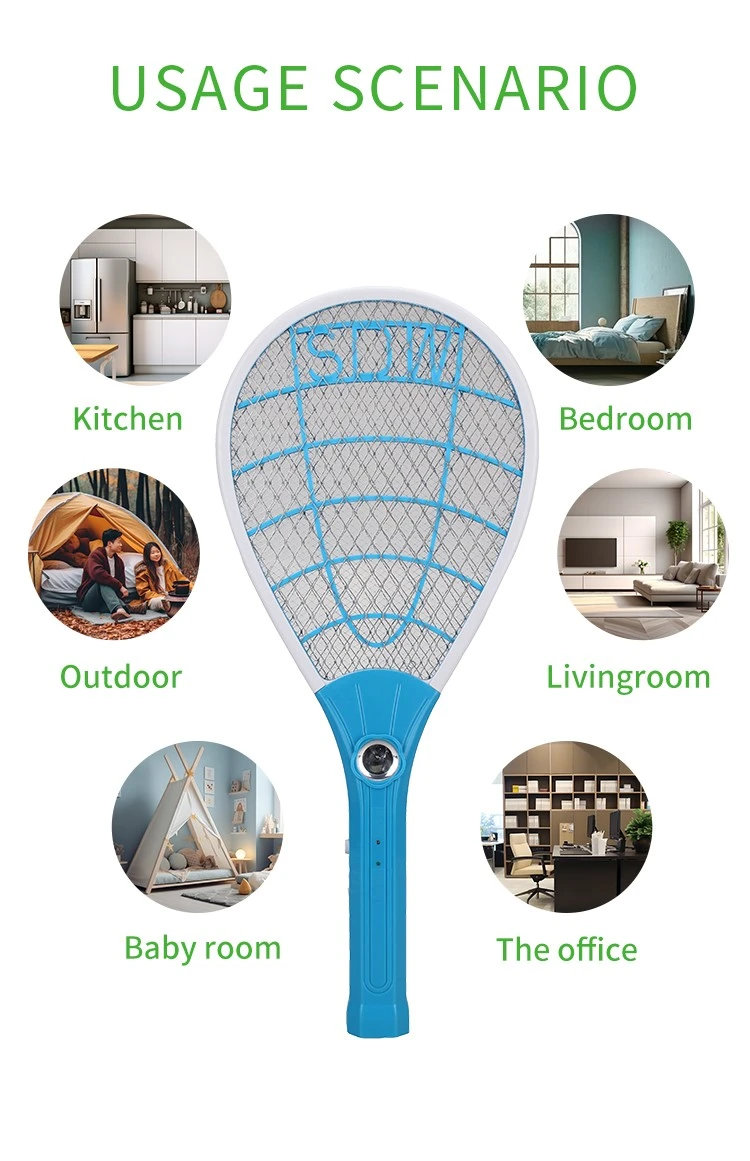
Most importers of electric mosquito swatters obsess over the first order: samples requested, factories vetted, a pre-shipment inspection booked. Then the reorder arrives eight months later and something is off. The grid feels softer. The charge port is a slightly different shade of black. The carton thickness dropped from 350 gsm to 300 gsm. Nothing is catastrophic — but the product no longer matches what your retail customers approved, and quietly, your return rate starts climbing.
How to Keep Mosquito Swatter Quality Consistent Across Repeat Orders
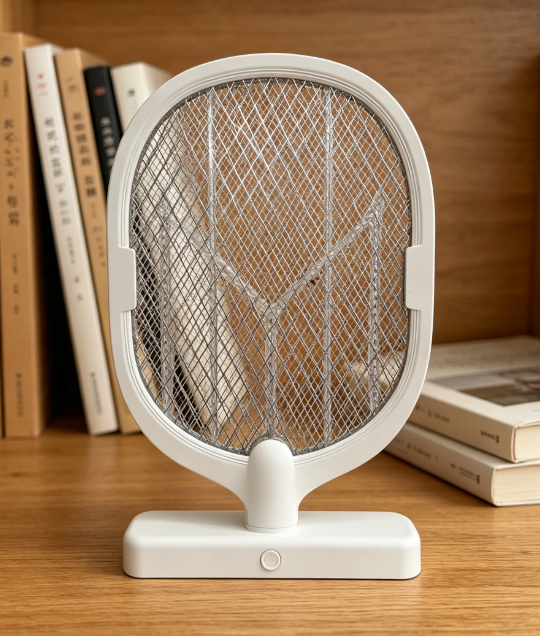
Warranty returns are the silent margin killer in the mosquito control category. A distributor who buys a swatter at $1.80 FOB and retails it at $9.90 can absorb a 1% return rate without noticing — but at 5%, the combined cost of replacement units, reverse logistics, and refund processing erases most of the line's profit.
Common mosquito swatter killer lamp failure modes wholesale spec guide

Digital bathroom scales rank as the second-highest-volume consumer weighing product category, only behind kitchen scales, with distinct market and product characteristics that set them apart from other scale types in importers’ product portfolios.
Digital bathroom body fat-bia-scale wholesale buyers guide