
How to Choose a Kitchen Scale
2026-05-10
How to Choose a Kitchen Scale? A Beginner's Guide to Avoid Pitfalls, Just Pick One Confidently After Reading
For beginners in cooking and baking, the easiest mistake is to "go by feeling" — adding one extra spoonful of flour can make the bread sticky and shapeless; one gram less butter can ruin the crispness of cookies; when weighing ingredients during weight loss, a difference of a few grams may deviate from your daily calorie target. In fact, a reliable kitchen scale is the magic tool to help you say goodbye to "going by feeling". Based on my own experience from making mistakes to mastering the skill of choosing, I have sorted out this super practical guide. Whether you need it for home use, baking or calorie control, you can find a suitable one after reading, and you will no longer be fooled by the fancy promotions of merchants~
I. Determine the Scenario First: Different Needs, Different Key Selection Points
When choosing a kitchen scale, don’t blindly follow the trend to buy expensive ones or those with many functions. First, figure out what you will use it for. Matching your needs accurately is the most cost-effective and useful choice, avoiding leaving it unused at home.
1. Daily Home Use (Home-cooked Dishes, Simple Baking)
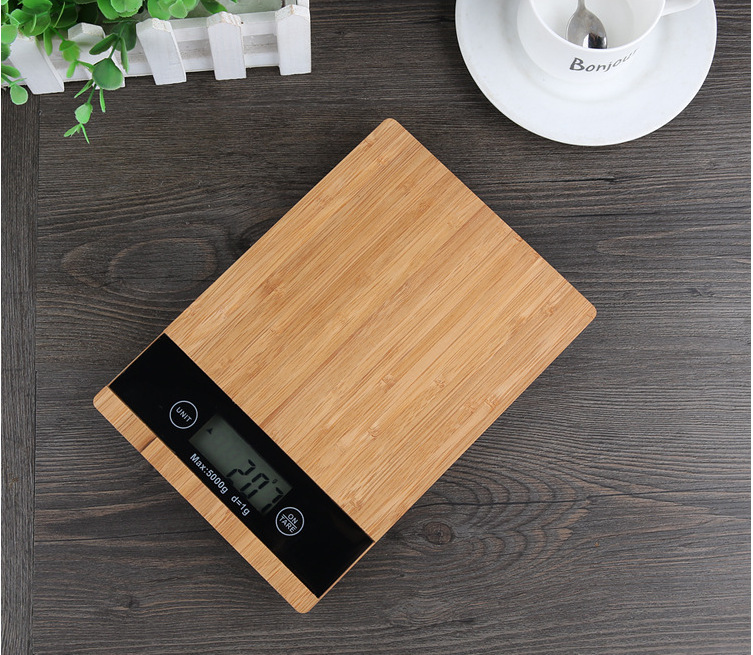
If you only occasionally weigh vegetables, meat, seasonings to cook home-cooked dishes, or simply bake some cookies and steamed buns, the requirement for accuracy is not high. Focus on choosing a basic model that is "easy to use, easy to clean and cost-effective". There is no need to pursue complex functions. As long as it can tare with one button, has a clear reading and a large enough weighing pan to hold common bowls and plates, it can fully meet daily needs, and you can buy a suitable one for only a few dozen yuan.
2. Professional Baking (Chiffon Cake, Macaron, Sourdough Bread)
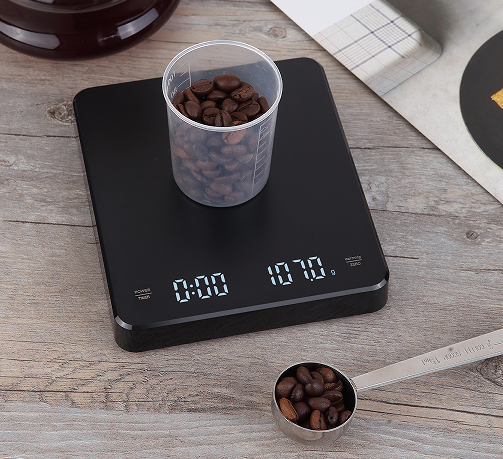
Baking emphasizes that "a miss is as good as a mile", especially for categories with high requirements for proportioning such as chiffon cake, macaron and sourdough bread. An error of 1 gram may lead to the failure of the finished product — chiffon collapse, macarons failing to form skirts, and insufficient fermentation of sourdough bread are mostly caused by inaccurate weighing. For such needs, accuracy is the core. Prioritize a kitchen scale with 0.1g accuracy, and the range is recommended to be 2-5kg. It can not only weigh trace ingredients such as yeast, salt and vanilla extract, but also a sufficient amount of flour and butter. Stability is also important to avoid numerical fluctuations during weighing.
3. Weight Loss & Calorie Control/Health Management
For people in weight loss or fitness, it is necessary to accurately control the intake of protein, carbohydrates and fat per meal. At this time, the "accuracy" and "practicality" of the kitchen scale are particularly crucial. It is recommended to choose 0.1g accuracy, which supports switching between multiple units such as grams (g), kilograms (kg) and ounces (oz), making it convenient to refer to the measurement standards of different recipes; it is better to have a backlit large screen, so that you can clearly see the reading even if the kitchen light is dark, avoiding affecting the calorie control effect due to misreading the numbers.
II. Core Selection Parameters: These 6 Points Help You Avoid All Pitfalls
After clarifying the usage scenario, focus on the core parameters — these 6 points can help you screen out most problematic models. Beginners remember them well, so you don’t have to compare and hesitate repeatedly, and easily choose the right one without stepping on pitfalls.
Point 1: Accuracy + Range, Both Are Practical
Accuracy and range are the core of a kitchen scale. You can’t just look at one of them. You should choose a balance according to your own needs, avoiding "sufficient accuracy but insufficient range" or "sufficient range but insufficient accuracy".
Accuracy selection: For daily home use, choose 1g accuracy, which is enough to cope with home-cooked food seasoning and simple weighing, with small errors that do not affect use; for baking, weight loss and calorie control, weighing spices and medicinal materials, you must choose 0.1g accuracy, which can accurately capture the weight difference of trace ingredients and reduce mistakes. Note to avoid products with "false marked accuracy". Some merchants mark 0.1g accuracy, but the actual weighing error is very large. Try to choose brands with good reputation.
Range selection: 5kg is conventional for home use, which can not only weigh 1-2kg of flour and rice, but also a small amount of seasonings; if you need to weigh a larger amount of ingredients (such as preparing food for family gatherings, batch baking), you can choose 10kg range. However, it should be noted that the larger the range, the slightly larger the accuracy deviation may be. Choose according to your needs, and there is no need to blindly pursue a large range.
Point 2: Choose the Right Material, Durable and Worry-free
The kitchen environment is humid and oily. The material of the scale directly determines its durability and cleaning difficulty. Choosing the right material can make the kitchen scale last for several years without much effort in cleaning.
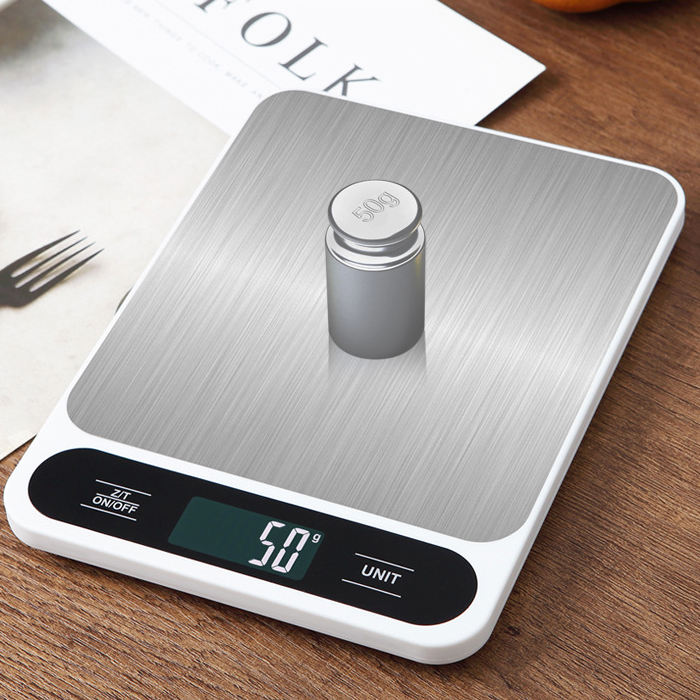
Weighing pan material:Stainless steel weighing pan is preferred. It is anti-oxidation, scratch-resistant, easy to clean oil stains and flour with a wipe, and high-temperature resistant, suitable for long-term use; followed by tempered glass weighing pan, which has high appearance and texture, looks good in photos, and is suitable for friends who like an exquisite kitchen, but pay attention to anti-fall to avoid collision and breakage; try not to choose plastic weighing pan, which is easy to retain food powder, dye, not high-temperature resistant, and will turn yellow and old after long-term use.
Base material: Prioritize ABS plastic or aluminum base, which is light, corrosion-resistant and not easy to deform; the bottom is best equipped with silicone non-slip pads, which can firmly fix on the countertop, avoid the scale sliding during weighing, especially when placing heavy containers, the stability is better, and it can also protect the countertop from scratches.
Point 3: Necessary Functions, Enough Is Enough, Don’t Be Greedy for More
Many merchants will promote a bunch of "fancy" functions, but most of them are useless and will increase the cost. Beginners focus on 3 necessary functions, and redundant functions can be ignored to avoid wasting money.
① Tare/Zero Function (Tare): This is the most basic and necessary function! First put the container (bowl, plate), press tare to zero with one button, and you can directly weigh the net weight of the ingredients without manual calculation, avoiding errors. It is especially convenient whether adding ingredients in layers for baking or weighing dishes daily. You must confirm that this function is available when purchasing.
② Multi-unit Switching: At least support three units: g, kg and oz, to meet the needs of domestic recipes (g/kg) and imported foreign recipes (oz); if you often weigh liquid ingredients (water, milk, oil), you can choose one that supports milliliter (mL) conversion, which is more practical and no need for additional conversion.
③ Backlit Large Screen: The kitchen light is generally dark, especially near the stove and sink. The backlit large screen can make the reading clearer, avoiding misreading the numbers; prioritize those with large fonts and clear display, which can be easily used by the elderly. Some with pull-out desktop displays can also avoid the large container blocking the line of sight, which is more intimate.
Bonus points: Automatic shutdown (energy-saving and power-saving, avoiding power consumption due to forgetting to shut down), rechargeable (more environmentally friendly than dry batteries, can be used for 1-3 months after one charge, no need to replace batteries frequently), IPX5 and above waterproof (can be directly rinsed, easier to clean, no need to worry about accidental water splashing), choose according to your budget and needs.
Point 4: Brand + After-sales Service, Reliable and Assured
A kitchen scale is a precision small household appliance. Brand and after-sales service are very important. Avoid buying "three-no products" (no brand, no manufacturer, no production date), which will become inaccurate after a few uses and no one will take care of it if it breaks, which is not worth the loss.
Domestic brands: Xiangshan, Kaifeng (focus on weighing instruments, reliable accuracy, high cost performance, suitable for home use); Bear, Supor (old household appliance brands, solid workmanship, complete functions, and good appearance); for beginners with limited budget, the basic models of JD JINGZAO and Xiaomi Youpin are also good, with full cost performance.
Foreign brands: Ozeri, Escali (high accuracy, exquisite workmanship, suitable for professional baking users, can be considered if the budget is sufficient). No matter which brand you choose, prioritize those that support 7-day no-reason return and exchange and 1-year and above warranty. With guaranteed after-sales service, you can use it more assuredly.
Point 5: Appearance + Size, Adapt to the Kitchen Scenario
Although practicality is the core, appearance and size cannot be ignored. After all, it is to be placed in the kitchen, so it is more intimate to be good-looking and not take up space. In terms of size, choose according to the size of the kitchen countertop. The conventional model (about 15cm × 12cm) is enough, small and does not take up space, and easy to store; if you often weigh with large bowls and plates, choose a larger weighing pan to avoid the container exceeding the weighing pan, which affects the weighing accuracy.
In terms of appearance, choose according to your kitchen style. Simple white and gray are versatile and do not pick styles; the tempered glass model has higher appearance, suitable for exquisite kitchens; the stainless steel model is more dirt-resistant, suitable for daily high-frequency use, choose according to your needs.
Point 6: Budget Reference, Allocate on Demand Without Waste
Finally, let’s talk about the budget. Different needs correspond to different budgets. Don’t blindly buy expensive ones. The one that suits you is the best:
① Daily home use (1g accuracy, basic functions): 30-80 yuan, enough to meet daily weighing needs, full cost performance;
② Baking/weight loss and calorie control (0.1g accuracy, necessary functions): 80-200 yuan, high accuracy, good stability, complete functions, suitable for high-frequency use;
③ Professional baking/high-end needs (0.1g accuracy, multi-function, high quality): more than 200 yuan, reliable brand, exquisite workmanship, suitable for users with high requirements for baking.
To sum up: When choosing a kitchen scale, first determine the scenario, then look at accuracy, material and necessary functions, and finally combine the budget and brand. Beginners choose according to this logic, and will never step on pitfalls. A good kitchen scale can help you avoid many detours, making cooking and baking easier and more accurate. Arrange it quickly~
Do Electric Mosquito Swatters Work on Flies
How to Get Rid of Mosquito Bites Overnight
Related Article

If you’re struggling with annoying mosquitoes, flies, and other flying pests indoors and outdoors, upgrading from traditional manual tools to anElectric Mosquito Swatter is the most efficient solution. Many homeowners and renters search where to buy fly swatter online to find durable, safe, and high-performance electric models that deliver instant pest control.
Where to Buy Fly Swatter
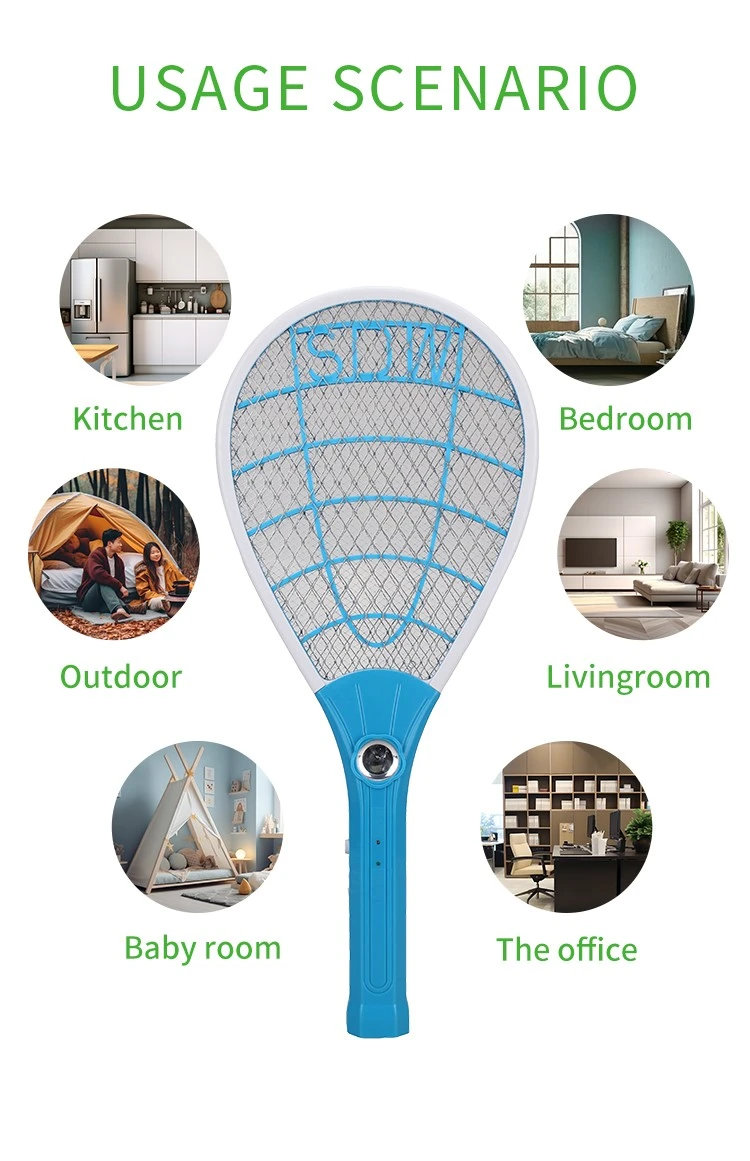
Most importers of electric mosquito swatters obsess over the first order: samples requested, factories vetted, a pre-shipment inspection booked. Then the reorder arrives eight months later and something is off. The grid feels softer. The charge port is a slightly different shade of black. The carton thickness dropped from 350 gsm to 300 gsm. Nothing is catastrophic — but the product no longer matches what your retail customers approved, and quietly, your return rate starts climbing.
How to Keep Mosquito Swatter Quality Consistent Across Repeat Orders
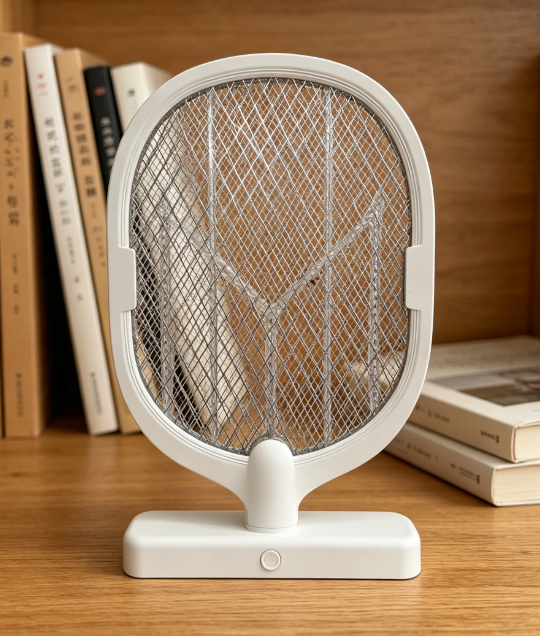
Warranty returns are the silent margin killer in the mosquito control category. A distributor who buys a swatter at $1.80 FOB and retails it at $9.90 can absorb a 1% return rate without noticing — but at 5%, the combined cost of replacement units, reverse logistics, and refund processing erases most of the line's profit.
Common mosquito swatter killer lamp failure modes wholesale spec guide

Digital bathroom scales rank as the second-highest-volume consumer weighing product category, only behind kitchen scales, with distinct market and product characteristics that set them apart from other scale types in importers’ product portfolios.
Digital bathroom body fat-bia-scale wholesale buyers guide