
How to Choose an Electric Mosquito Swatter That Suits You
2026-05-18
How to Choose an Electric Mosquito Swatter That Suits You
The core of choosing an electric mosquito swatter is "adapting to needs while balancing safety and practicality". There is no need to blindly pursue high parameters. By focusing on the following 5 core dimensions in combination with your own usage scenarios and family composition, you can accurately select a style that suits you, which not only kills mosquitoes efficiently but also avoids unnecessary troubles.
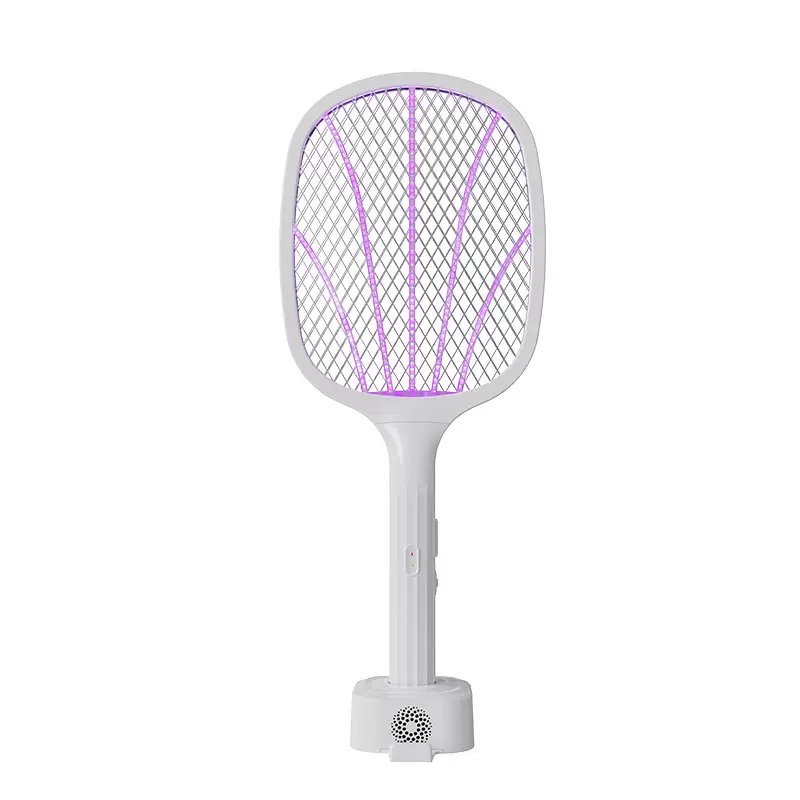
I. First Clarify Your Core Needs to Lock in the Basic Direction
Different usage scenarios and needs correspond to different types of electric mosquito swatters. Clarifying your own needs first can reduce invalid choices:
-
Daily home use (with the elderly/children/pets): Prioritize safety, focus on protective design and anti-misoperation mechanisms, and there is no need to pursue excessively high voltage, as long as it meets basic mosquito killing needs.
-
Scenarios with dense mosquitoes (low-rise residential buildings, balconies, rural courtyards): Focus on mosquito killing efficiency, choose styles with moderate voltage, large mesh surface and dense power grid to deal with various small flying insects.
-
Occasional use (few mosquitoes, short-term rental use): Focus on convenience and cost-effectiveness, you can choose lightweight, entry-level models without complex functions to reduce costs.
-
Multi-scenario reuse (both mosquito killing and emergency): You can choose multi-functional styles with LED lighting, foldable/telescopic, or 2-in-1 (electric mosquito swatter + mosquito trap light) to improve the flexibility of use.
II. Core Performance: Determines Mosquito Killing Effect, 3 Key Points to Check
1. Voltage and Discharge Stability: Just Enough, Don’t Blindly Pursue High
The mosquito killing effect of an electric mosquito swatter depends not only on the voltage but also on the discharge stability and capacitor quality, not the higher the voltage, the better. The mainstream voltage of electric mosquito swatters on the market is between 2000V and 3500V. 2000V can effectively kill most mosquitoes. If there are dense mosquitoes (such as small black mosquitoes and fruit flies), you can choose styles with 2500V-3500V to ensure the success rate of killing and avoid mosquitoes escaping with injuries. At the same time, pay attention to choosing styles with stable discharge to avoid the situation of "only making noise but not killing". Some high-quality styles will indicate that the discharge current is controlled within a safe range, balancing effect and safety.
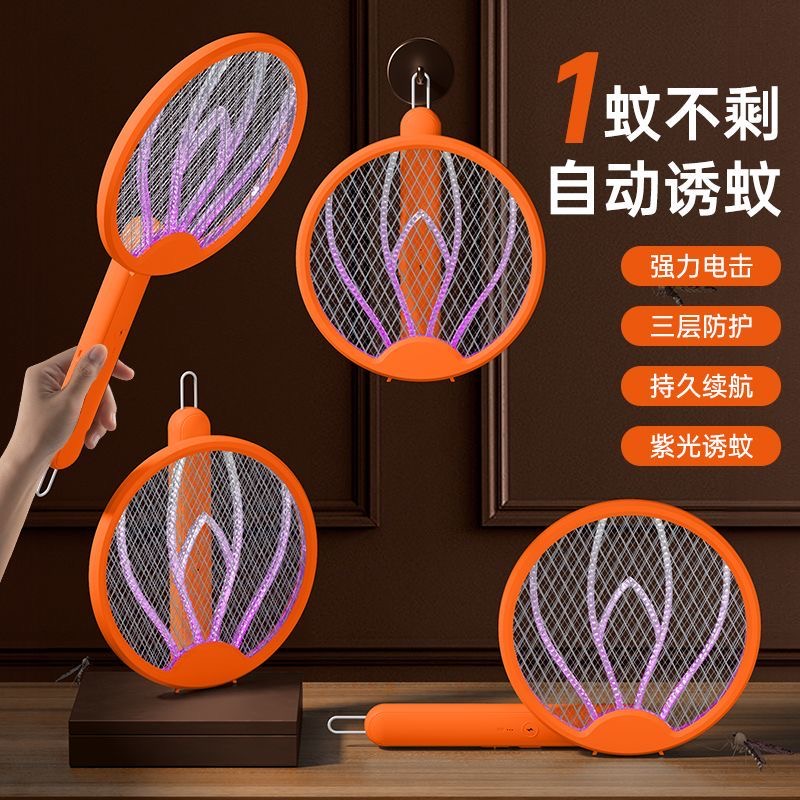
2. Power Grid Design: Three-Layer Grid + Dense Mesh, Balancing Safety and Efficiency
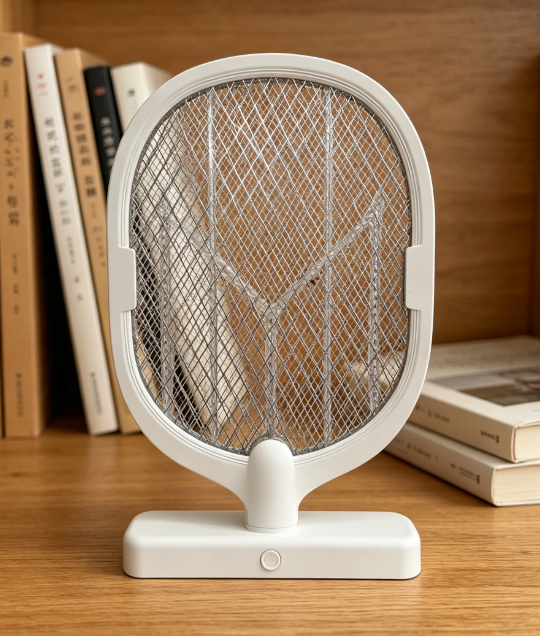
The power grid is the core component of an electric mosquito swatter, which directly affects the mosquito killing efficiency and use safety. Priority should be given to the three-layer grid design, which is the current mainstream configuration that balances safety and practicality—it consists of a middle high-voltage layer and two front and back protective layers, which can not only reduce the risk of electric shock from misoperation but also avoid the problem of mosquitoes escaping easily with single-layer or double-layer grids.
The mesh density also needs attention: the diameter of the mesh surface is recommended to be 20cm-25cm, about 1.5 times larger than the palm, which can not only improve the hit rate of swinging the swatter but also not be too heavy to affect operation; the dense mesh design with mesh spacing less than 1.5mm-2mm is more suitable for dealing with small flying insects such as small black mosquitoes and fruit flies, avoiding mosquitoes escaping from the mesh. In addition, the distance between the grids is recommended to be about 3mm. If it is less than 3mm, it is easy to discharge without touching the mosquitoes, affecting the use experience.
3. Power Supply Method: Type-C Charging is Preferred, Choose Battery-Powered as Needed
At present, electric mosquito swatters are mainly divided into two types: rechargeable and battery-powered. Priority should be given to Type-C rechargeable models. These models are convenient to charge, have stable battery life, and can reduce the consumption of disposable batteries, making them more environmentally friendly and durable. They are suitable for daily frequent use, especially multi-functional models with mosquito trap light function, which mostly adopt rechargeable design, and the battery life can usually meet daily use for about a week.
If you only use it occasionally and the frequency of mosquitoes appearing is low, you can choose a battery-powered model, which does not need to be charged and can be used immediately. However, long-term use requires frequent battery replacement, and there is a risk of battery aging and leakage, which is less cost-effective than rechargeable models. In addition, for rechargeable models, you can pay attention to whether they support fast charging, which can reduce waiting time and improve the convenience of use.
III. Safety Guarantee: Details Determine the Peace of Mind in Use, Focus on 4 Points
Electric mosquito swatters are high-voltage electrical appliances, especially for families with the elderly, children and pets. Safety details cannot be ignored. These points must be carefully checked:
-
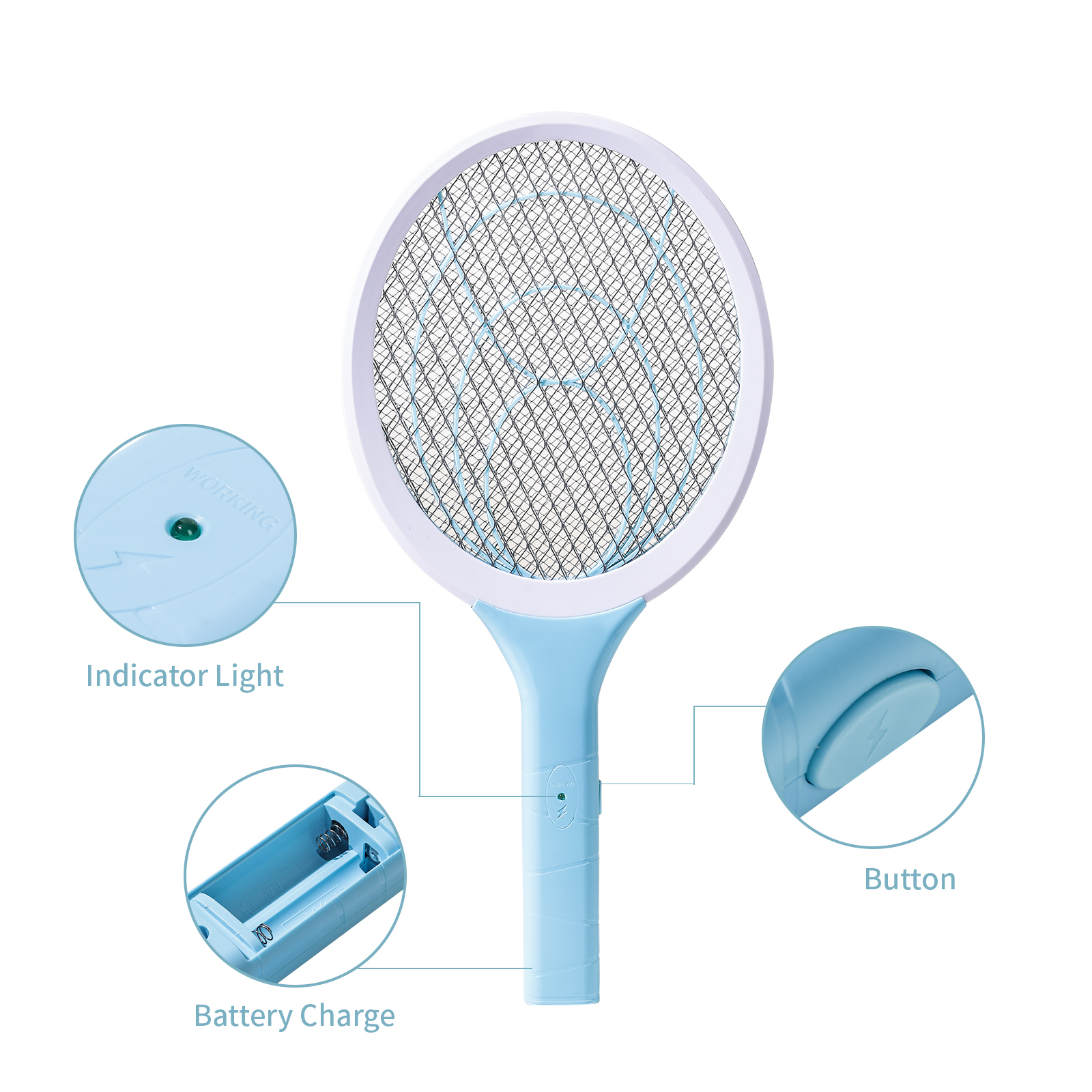
Anti-misoperation mechanism: Priority should be given to styles with double switches. The power grid will be electrified only when the power switch is turned on and the start button is pressed at the same time. After releasing the button, the residual power can be quickly released to avoid electric shock from misoperation; some high-quality styles also have an automatic power-off function, which clears the residual power within 1-3 seconds after closing, further improving safety.
-
Certification and quality: Priority should be given to brand products that have passed national 3C certification and BSMI certification, and avoid no-name brands below 200 yuan. Such products are usually checked by agents, with built-in protection chips, which can prevent overcharging, short circuits and overheating, and reduce potential safety hazards. It is recommended to purchase from large-scale stores or regular online channels to ensure product quality.
-
Material and craftsmanship: High-quality electric mosquito swatters are mostly made of ABS engineering plastic, which has good gloss, strong toughness and is not easy to deform or break; inferior products are mostly made of recycled plastic, with burrs on the shell, poor gloss, easy to damage and may have potential safety hazards. At the same time, check whether the power grid is firm and whether the handle is non-slip to avoid slipping when in use.
-
Indicator light design: Styles with indicator lights can clearly show the charging status and power-on status, which is convenient to judge whether the electric mosquito swatter is working normally, and can also find out the low power in time to avoid being unusable at critical moments.
IV. Additional Functions: Choose as Needed, Reject Unnecessary Premiums
More additional functions are not better. Choose according to your own needs to avoid paying premiums for useless functions. Common practical additional functions are as follows:
-
LED lighting: No need to turn on additional lights when getting up at night or killing mosquitoes on the balcony, and it is also practical for emergency lighting, suitable for people who often use it at night.
-
Foldable/telescopic design: Foldable styles are easy to store and do not take up space; telescopic styles can extend the length to easily deal with mosquitoes in dead corners such as ceilings and wall corners, suitable for high-rise residential buildings or scenarios with the need to kill mosquitoes at high places.
-
2-in-1 mosquito trap light: When placed, it can be used as a mosquito trap light to automatically attract mosquitoes and electrocute them without manually swinging the swatter, suitable for use during sleep at night, freeing hands.
-
Detachable mesh surface: The mesh surface of some styles is detachable, which is convenient to clean insect corpses, avoid residual stains and odors, and is more hygienic, suitable for families who pay attention to cleanliness.
V. Brand and Cost-Effectiveness: Balancing Quality and Budget
Priority should be given to well-known brands deeply engaged in the home appliance field. Brand products have been verified by the market, with more guaranteed quality and after-sales service. Avoid choosing no-name brands without qualifications. Although the price is low, there are great potential safety hazards.
In terms of budget, entry-level models (basic charging, three-layer grid) are mostly priced between 30-60 yuan, which can meet daily basic mosquito killing needs; mid-to-high-end models (multi-functional, fast charging, high-quality materials) are priced between 60-200 yuan, suitable for people with higher requirements for use experience and functions; there is no need to blindly pursue high prices. As long as the core performance and safety meet the standards and fit your own needs, it is a cost-effective choice.
In summary, the logic of choosing an electric mosquito swatter is: first clarify the usage scenario and needs, then focus on the three core performances of the power grid, voltage and power supply method, take into account safety details, and finally screen according to the budget and additional function needs, so that you can quickly select a style that suits you and easily deal with the trouble of mosquitoes.
3 Methods to Judge if Mosquito Swatter Battery Capacity Meets Standards
Do Mosquito Lamp Lights Hurt Your Eyes
Related Article

If you’re struggling with annoying mosquitoes, flies, and other flying pests indoors and outdoors, upgrading from traditional manual tools to anElectric Mosquito Swatter is the most efficient solution. Many homeowners and renters search where to buy fly swatter online to find durable, safe, and high-performance electric models that deliver instant pest control.
Where to Buy Fly Swatter
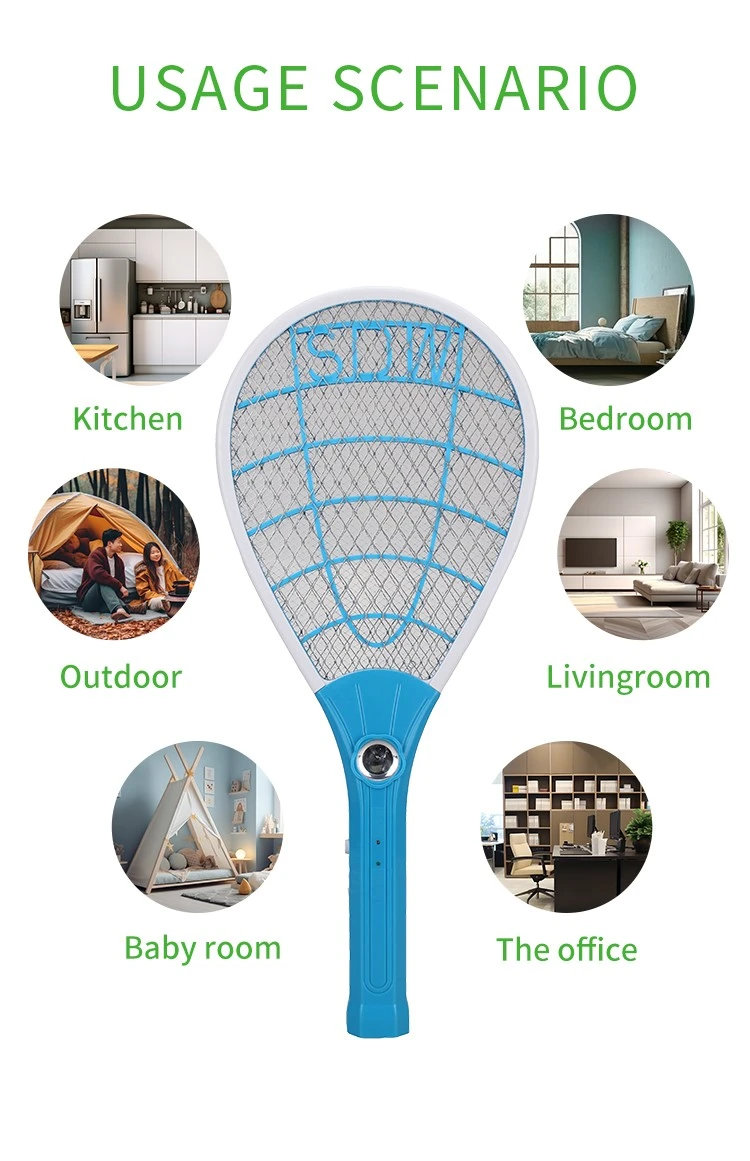
Most importers of electric mosquito swatters obsess over the first order: samples requested, factories vetted, a pre-shipment inspection booked. Then the reorder arrives eight months later and something is off. The grid feels softer. The charge port is a slightly different shade of black. The carton thickness dropped from 350 gsm to 300 gsm. Nothing is catastrophic — but the product no longer matches what your retail customers approved, and quietly, your return rate starts climbing.
How to Keep Mosquito Swatter Quality Consistent Across Repeat Orders
Warranty returns are the silent margin killer in the mosquito control category. A distributor who buys a swatter at $1.80 FOB and retails it at $9.90 can absorb a 1% return rate without noticing — but at 5%, the combined cost of replacement units, reverse logistics, and refund processing erases most of the line's profit.
Common mosquito swatter killer lamp failure modes wholesale spec guide

Digital bathroom scales rank as the second-highest-volume consumer weighing product category, only behind kitchen scales, with distinct market and product characteristics that set them apart from other scale types in importers’ product portfolios.
Digital bathroom body fat-bia-scale wholesale buyers guide