
How to Choose Mosquito Repellents for Hotels
2025-09-15
How to Choose Mosquito Repellents for Hotels? Here’s a Matching Guide
As summer approaches, mosquito problems are gradually becoming an "invisible killer" affecting hotel guests' experience. The buzzing sound in guest rooms late at night, mosquito bites while dining on outdoor terraces, and parents' worries about their children being harassed by mosquitoes during family trips—all these can significantly reduce guests' satisfaction with the hotel. Unlike household scenarios, hotels have open spaces, large passenger flows, and diverse scenarios. When choosing mosquito repellents, hotels must balance safety, effectiveness, invisibility, and user experience; blind selection may even backfire. Today, we will break down the suitable mosquito repellent products for different hotel scenarios to help hotels easily solve mosquito troubles.
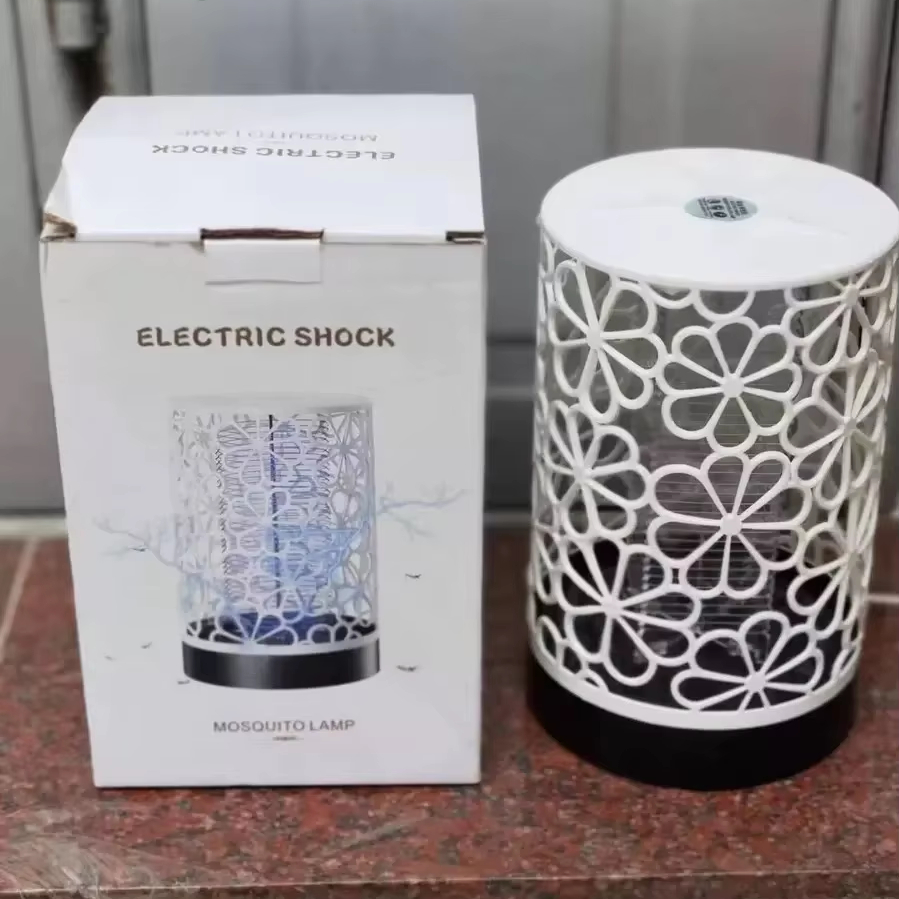
1. Guest Room Scenarios: Prioritize "Non-Irritating + Low-Disturbance" Products
Guest rooms are the core area for guests to rest. Mosquito repellents here must meet three principles: "not affecting sleep, not irritating the respiratory tract, and not damaging furniture," especially considering the needs of guests with allergies, the elderly, and children.
- First Choice: Electric Mosquito Repellent Liquid (Unscented)
Compared with traditional mosquito repellent coils, electric mosquito repellent liquid does not require combustion and leaves no smoke residue, avoiding guest discomfort caused by smoke. Choosing an unscented formula can reduce interference for guests with a sensitive sense of smell. Moreover, it has a long-lasting mosquito repellent effect (a single bottle can be used for 30-45 nights), making it suitable for long-term use in guest rooms. It is recommended to match it with a timer-equipped heater, allowing guests to adjust it independently according to their stay duration, which is both energy-saving and considerate.
- Second Choice: Mosquito Repellent Gel/Solid Balm
For guests who dislike electrical products, alcohol-free and fragrance-free mosquito repellent gel is an ideal option. This type of product works by slowly releasing mosquito-repellent ingredients (such as DEET or picaridin). It is small in size and can be placed on the bedside table or the corner of the desk, taking up no space and having an attractive appearance. Some transparent gel models can even blend into the guest room decoration style, avoiding a sense of abruptness.
- Pitfall Warning: Do not use insecticide sprays (with a pungent smell and safety hazards), burning mosquito coils (easy to cause fire risks), or strongly scented mosquito repellent patches (may conflict with the guest room fragrance and irritate the respiratory tract) in guest rooms.
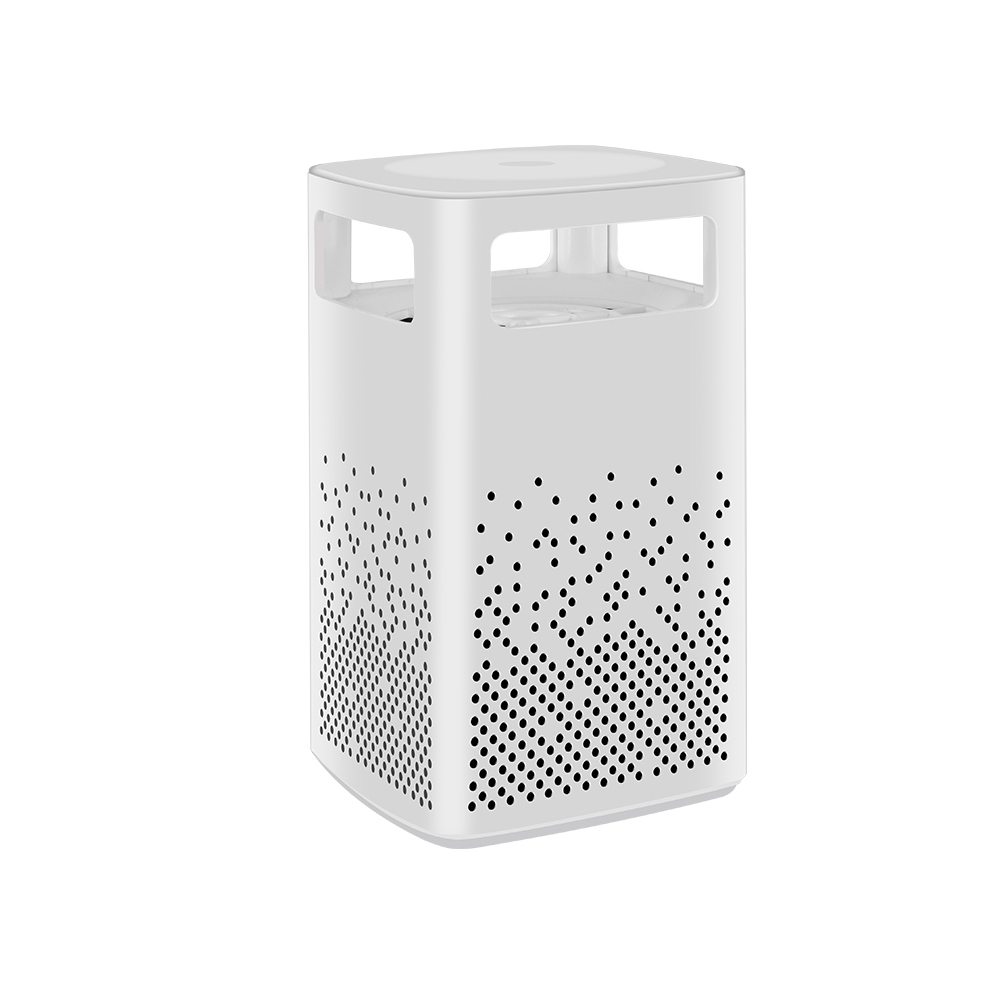
2. Public Area Scenarios: Focus on "Large-Area Protection + Invisibility" Products
Public areas of hotels, such as lobbies, restaurants, and meeting rooms, have large passenger flows and open spaces. It is necessary to balance "large-range mosquito repellent" and "not damaging the environmental aesthetics," while avoiding affecting guests' communication and dining experience.
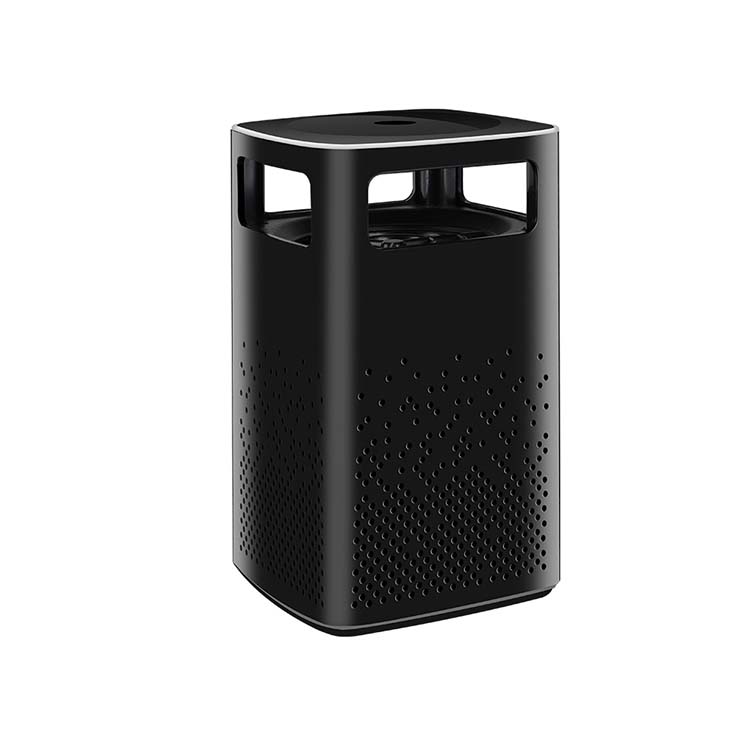
- First Choice: Ultrasonic Mosquito Repellent (Wall-Mounted/Floor-Standing)
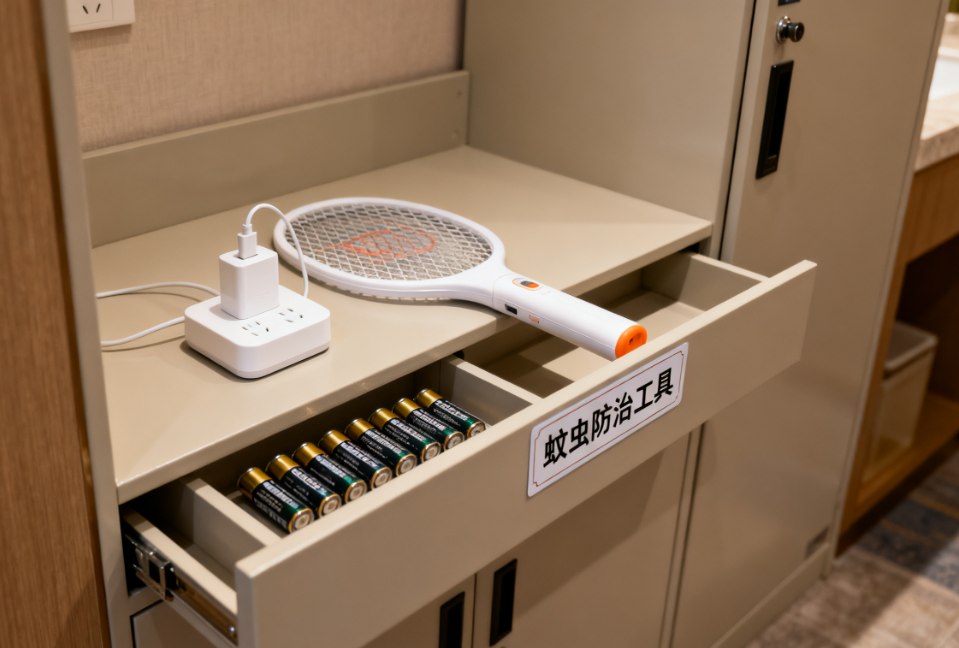
This type of product works by emitting ultrasonic waves that mosquitoes dislike. It has no smell, no noise, and no chemical residues, making it suitable for spaces of 20-50 square meters (such as meeting rooms and restaurant private rooms). Choose an appearance that matches the hotel's decoration style (such as metallic color or wood texture), which can be directly wall-mounted or placed in a corner, barely noticeable. It also has a long battery life (can be used for 7-10 days on a single charge) and requires no frequent maintenance.
- Second Choice: Plant Essential Oil Mosquito Repellent Lamp (Decorative Type)
For areas that need both "function" and "decoration," such as the lobby lounge area and outdoor tea seats, the plant essential oil mosquito repellent lamp is an excellent choice. It is not only a lighting fixture but also can slowly release natural essential oils (such as lemongrass and mint) that are harmless to humans but repellent to mosquitoes. With an attractive appearance (such as chandelier or table lamp styles), it can also enhance the space's aroma, allowing guests to enjoy a comfortable atmosphere while repelling mosquitoes.
- Pitfall Warning: It is not recommended to use personal products such as mosquito repellent bracelets and patches in public areas (due to inconsistent guest experiences), nor to use strongly scented mosquito repellent sprays (which affect dining and communication experiences).
3. Outdoor Area Scenarios: Emphasize "Strong Protection + Resistance to Environmental Interference" Products
Outdoor areas of hotels, such as courtyards, poolside areas, outdoor barbecue areas, and parking lots, have dense mosquitoes and complex environments (such as wind, rain, and sun exposure). It is necessary to choose products that are "interference-resistant and long-lasting in protection," while also ensuring the safety of guests' activities (such as preventing children from touching and pets from ingesting).
- First Choice: Outdoor Mosquito Repellent Liquid (Large-Capacity + Waterproof)
Choose waterproof mosquito repellent liquid containing 10%-20% DEET (or picaridin), fill it in a large-capacity pump bottle, and place it in easily accessible locations for guests, such as outdoor lounges and pool entrances. Match it with a "free to use" sign to facilitate guests to apply it at any time (especially suitable after swimming and before outdoor activities). This type of product is waterproof and sweat-resistant, and a single application can provide protection for 4-6 hours, capable of coping with complex outdoor environments.
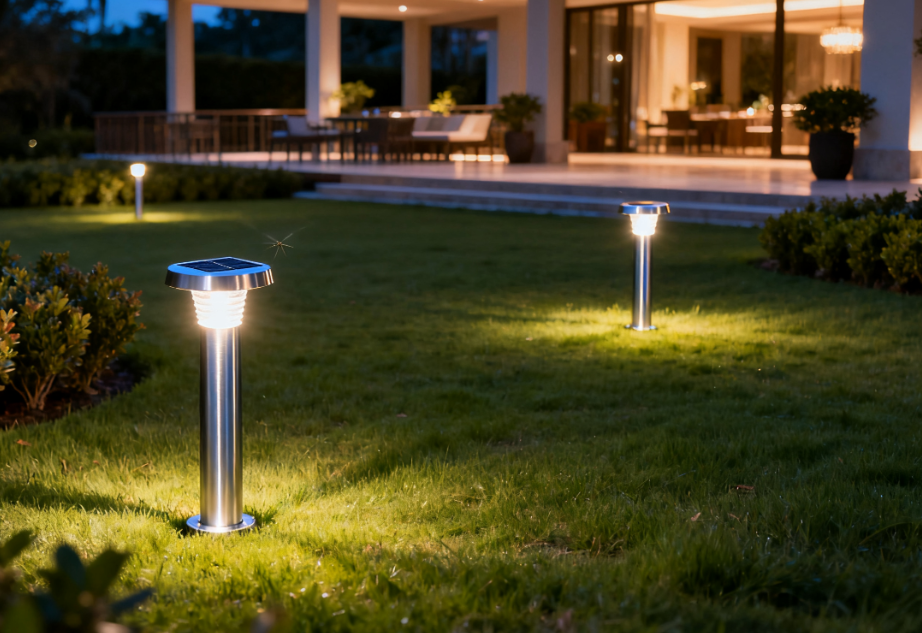
- Second Choice: Mosquito Repellent Ground Lamp/Lawn Lamp (Ground-Inserted Type)
For open outdoor areas such as courtyards and lawns, ground-inserted mosquito repellent ground lamps can be installed. They are charged by solar energy during the day and automatically light up at night (with dual functions of lighting and mosquito repellent). They not only provide night lighting for guests but also form a "mosquito-repellent circle" by releasing mosquito-repellent ingredients (such as permethrin), covering an area of about 10-15 square meters per lamp. The shell is waterproof and corrosion-resistant, capable of withstanding wind and rain. No wiring is required, and the installation is flexible (the position can be adjusted according to the density of mosquitoes).
- Pitfall Warning: Avoid using exposed mosquito bait in outdoor areas (easy to be ingested by pets), and do not recommend large-area spraying of insecticides (which pollute the environment and affect the growth of green plants).
4. Three Key Principles for Hotels to Choose Mosquito Repellents
In addition to matching products according to scenarios, hotels must also keep the following principles in mind when choosing mosquito repellents to avoid mistakes:
- Safety First: All products must comply with the national "Pesticide Registration Certificate" standards (mosquito repellents belong to the category of hygienic pesticides). Avoid using unbranded products; prioritize "low-toxicity," "micro-toxicity," or "natural ingredient" (such as plant essential oils) products, and pay special attention to the safety of children and pregnant guests.
- User Experience First: Mosquito repellents should not become a "new source of interference"—they should have no pungent smell, no harsh noise, and no abrupt appearance. Try to integrate them with the hotel environment, allowing guests to "stay away from mosquito troubles without noticing the existence of mosquito repellents."
- Controllable Cost: Reasonably plan the budget according to the number of guest rooms and the area of public areas. Prioritize products with "long battery life" and "reusability" (such as electric mosquito repellent liquid and ultrasonic mosquito repellents) to avoid high costs caused by frequent replacement. At the same time, negotiate bulk purchases with suppliers to reduce the unit price.
In short, mosquito repellent in hotels is not a trivial matter of "one-size-fits-all" but a key detail to improve guests' experience. By choosing suitable products according to the different needs of guest rooms, public areas, and outdoor scenarios, hotels can not only effectively solve mosquito problems but also reflect the thoughtful service of the hotel, allowing guests to "sleep soundly and enjoy a comfortable time" even when staying in summer.
Welcome to Our Factory
Why Foreign Buyers Flock to the 138th Canton Fair
Related Article

If you’re struggling with annoying mosquitoes, flies, and other flying pests indoors and outdoors, upgrading from traditional manual tools to anElectric Mosquito Swatter is the most efficient solution. Many homeowners and renters search where to buy fly swatter online to find durable, safe, and high-performance electric models that deliver instant pest control.
Where to Buy Fly Swatter
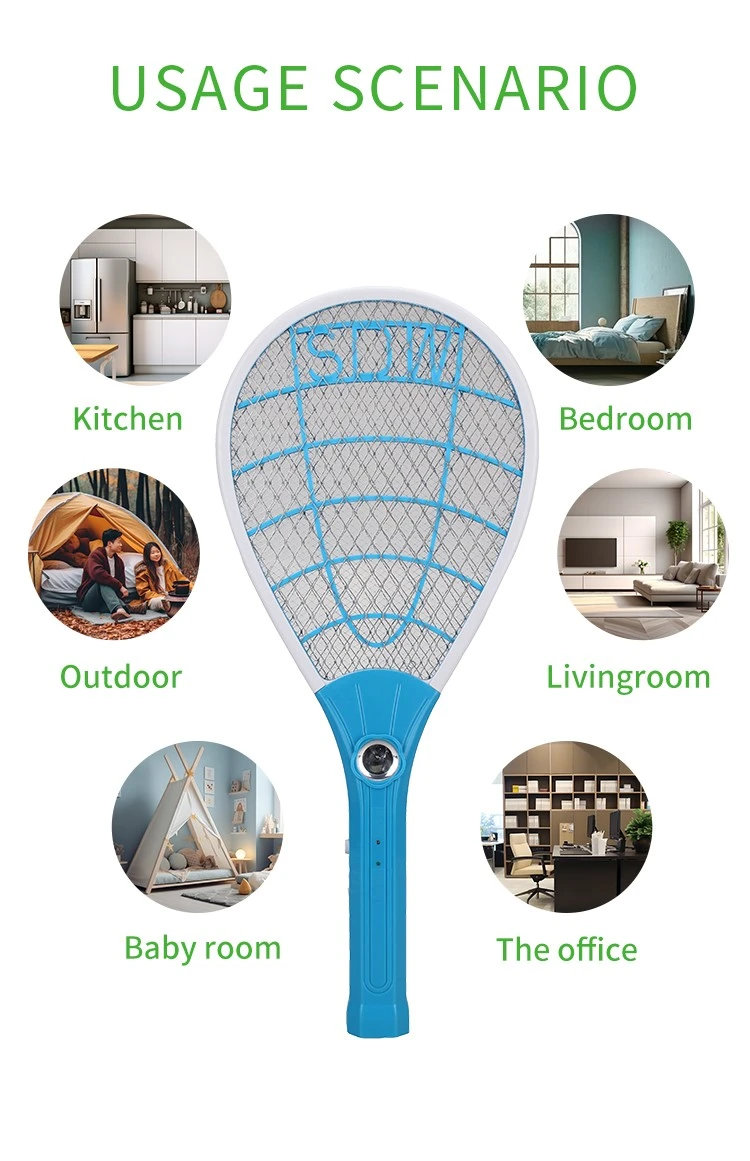
Most importers of electric mosquito swatters obsess over the first order: samples requested, factories vetted, a pre-shipment inspection booked. Then the reorder arrives eight months later and something is off. The grid feels softer. The charge port is a slightly different shade of black. The carton thickness dropped from 350 gsm to 300 gsm. Nothing is catastrophic — but the product no longer matches what your retail customers approved, and quietly, your return rate starts climbing.
How to Keep Mosquito Swatter Quality Consistent Across Repeat Orders
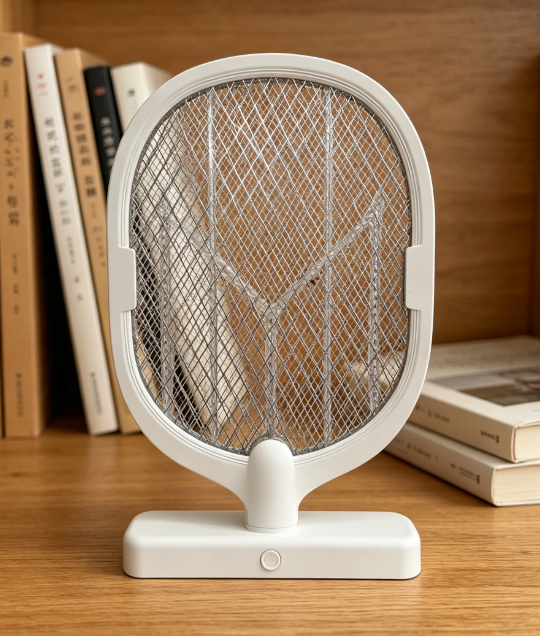
Warranty returns are the silent margin killer in the mosquito control category. A distributor who buys a swatter at $1.80 FOB and retails it at $9.90 can absorb a 1% return rate without noticing — but at 5%, the combined cost of replacement units, reverse logistics, and refund processing erases most of the line's profit.
Common mosquito swatter killer lamp failure modes wholesale spec guide

Digital bathroom scales rank as the second-highest-volume consumer weighing product category, only behind kitchen scales, with distinct market and product characteristics that set them apart from other scale types in importers’ product portfolios.
Digital bathroom body fat-bia-scale wholesale buyers guide