
How to Control Mosquitoes in Your Yard
2026-07-22
How to Control Mosquitoes in Your Yard: Effective & Long-Lasting Solutions
A mosquito-infested yard can turn relaxing outdoor moments, backyard barbecues, and evening family gatherings into itchy, uncomfortable experiences. Worse than just being annoying, mosquitoes carry harmful diseases that threaten the health of humans and pets. The good news is that most yard mosquito problems are preventable with targeted, easy-to-follow strategies. Unlike temporary bug spray fixes, long-term yard mosquito control focuses on eliminating their living and breeding environments. In this guide, we will break down practical, beginner-friendly methods to keep your yard mosquito-free all season long.
Understand Why Mosquitoes Thrive in Your Yard
Before jumping into control methods, it’s essential to know what attracts mosquitoes to your outdoor space. Mosquitoes have three core survival needs: standing water, shelter, and organic debris. Female mosquitoes, the only ones that bite, lay their eggs in stagnant water, even in tiny amounts as small as a bottle cap of water. Overgrown vegetation, damp soil, and accumulated leaves also create cool, humid hiding spots for mosquitoes to rest and reproduce.
Most homeowners make the mistake of only spraying adult mosquitoes while ignoring breeding sources. Without eliminating their reproduction grounds, new mosquitoes will keep emerging endlessly. Therefore, effective yard mosquito control starts with source elimination, followed by barrier protection and regular maintenance.
1. Eliminate All Standing Water (The Most Critical Step)
Standing water is the number one cause of yard mosquito infestations. Mosquito eggs hatch within 24 to 48 hours in stagnant water, so removing water sources is the most efficient way to cut down their population drastically. Check and clean these common water-holding spots in your yard weekly:
Small household items: Empty flower pot saucers, old buckets, discarded toys, bird baths, and pet water bowls every 2 to 3 days. These overlooked items are prime breeding grounds for small mosquito colonies.
Yard facilities: Clean clogged gutters that trap rainwater, level uneven lawn areas where rainwater pools, and drain stagnant water from pool covers, hot tubs, and outdoor furniture cushions. For permanent water features like ponds and fountains, install circulating pumps to keep water moving—mosquitoes cannot lay eggs in flowing water.
Natural spots: Trim overgrown grass and fill hollow tree stumps that collect rainwater. Low-lying, waterlogged soil in your yard also needs drainage improvement to avoid persistent dampness.
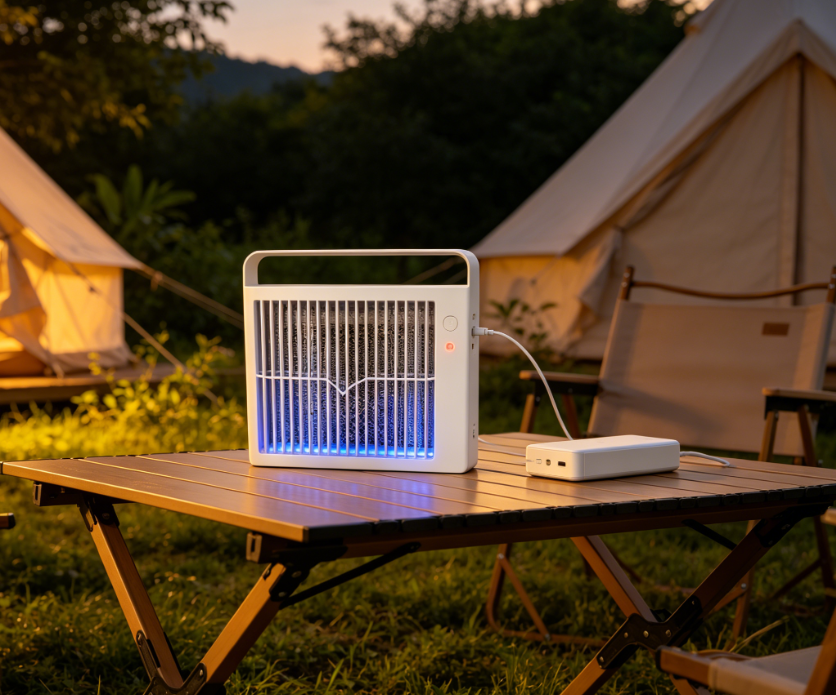
2. Trim Vegetation & Optimize Yard Ventilation
Mosquitoes avoid direct sunlight and dry, windy conditions. They prefer hiding in dense, shady, humid vegetation during hot daytime hours. Overgrown shrubs, tall grass, thick vines, and piled garden debris create perfect shelter for resting mosquitoes.
To disrupt their hiding environment, mow your lawn regularly to keep grass short, trim overgrown shrub branches and tree canopies to increase sunlight penetration and air circulation. Clear piles of fallen leaves, twigs, and mulch that retain moisture. Well-ventilated, sunlit yards are far less attractive to mosquitoes, as they cannot survive long in dry, open spaces.
3. Use Safe & Effective Mosquito Control Products
After eliminating breeding and hiding sources, you can use targeted products to kill remaining adult mosquitoes and build a protective barrier for your yard. Choose eco-friendly, pet-safe options to avoid harming your family, pets, and beneficial insects like bees and butterflies.
Larvicides for water sources: For permanent water features that cannot be drained, use mosquito dunks or larvicide tablets. These products kill mosquito larvae before they mature into biting adults and are non-toxic to plants, fish, and animals. They provide long-lasting protection for up to 30 days per application.
Yard barrier sprays: Apply outdoor mosquito barrier sprays on shrub leaves, grass, fence lines, and shaded yard edges. These residual sprays can kill mosquitoes on contact and last for 2 to 4 weeks. It’s best to spray in early morning or dusk when mosquitoes are most active and avoid spraying during heavy rain.
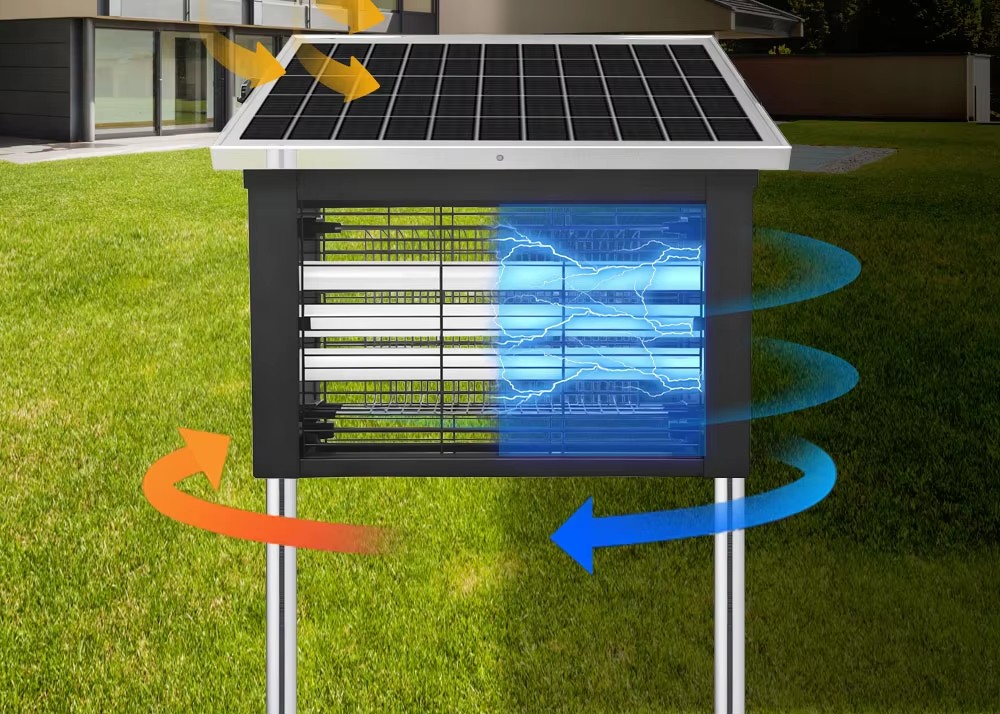
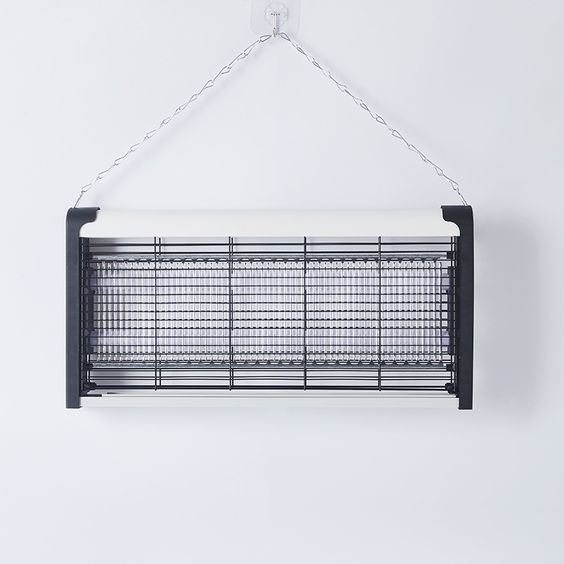
Mosquito traps: Set up UV light or CO2 mosquito traps in quiet, shaded corners of your yard. These traps attract and capture adult mosquitoes, gradually reducing the overall population over time.
4. Plant Natural Mosquito-Repellent Greenery
Integrating mosquito-repellent plants into your yard is a natural, decorative, and low-maintenance way to deter mosquitoes. These plants release strong essential oils that mosquitoes dislike, creating a mild protective barrier around your outdoor living areas.
Top effective choices include citronella grass, lavender, mint, rosemary, basil, and marigold. You can plant them in flower beds around patios, porches, and seating areas, or place potted versions near outdoor dining spaces. While these plants cannot eliminate all mosquitoes, they significantly reduce mosquito activity and add beauty and fragrance to your yard.
5. Adopt Daily Preventive Habits
Consistent small habits play a key role in keeping mosquitoes away long-term. First, install fine-mesh screens on all windows and outdoor porch areas to block mosquitoes from entering living spaces. Second, keep outdoor lights dim during dusk and night, as bright lights attract swarms of mosquitoes and other flying insects.
In addition, avoid overwatering your lawn and garden. Excessive irrigation creates persistent damp soil and small water pools, which invite mosquito breeding. Finally, clean up organic waste like rotting fruits and fallen flowers in time, as decaying organic matter attracts mosquitoes and other pests.
Common Mosquito Control Mistakes to Avoid
Many homeowners fail to get good results because of improper control methods. First, do not rely solely on handheld bug sprays—they only kill existing adult mosquitoes temporarily and cannot solve the root breeding problem. Second, do not ignore tiny water sources; even small containers can produce hundreds of new mosquitoes every week.
Third, avoid overusing harsh chemical pesticides. Excessive chemicals may pollute your yard environment, harm beneficial insects, and even affect the health of your family and pets. Always prioritize source elimination and natural methods first, and use chemical products moderately.
Final Thoughts
Controlling mosquitoes in your yard is not a one-time task but a regular maintenance routine. The core of effective mosquito control is simple: eliminate stagnant water to stop reproduction, optimize your yard environment to remove their shelters, and use safe auxiliary tools to reduce adult populations.
By following the above methods, you can greatly reduce mosquito numbers in your yard, create a safe, comfortable outdoor space, and enjoy every moment of your backyard time without annoying bites and health risks.
Do Electric Fly Swatters Kill Mosquitoes
What Is the Standard Electric Mosquito Swatter Weight
Related Article

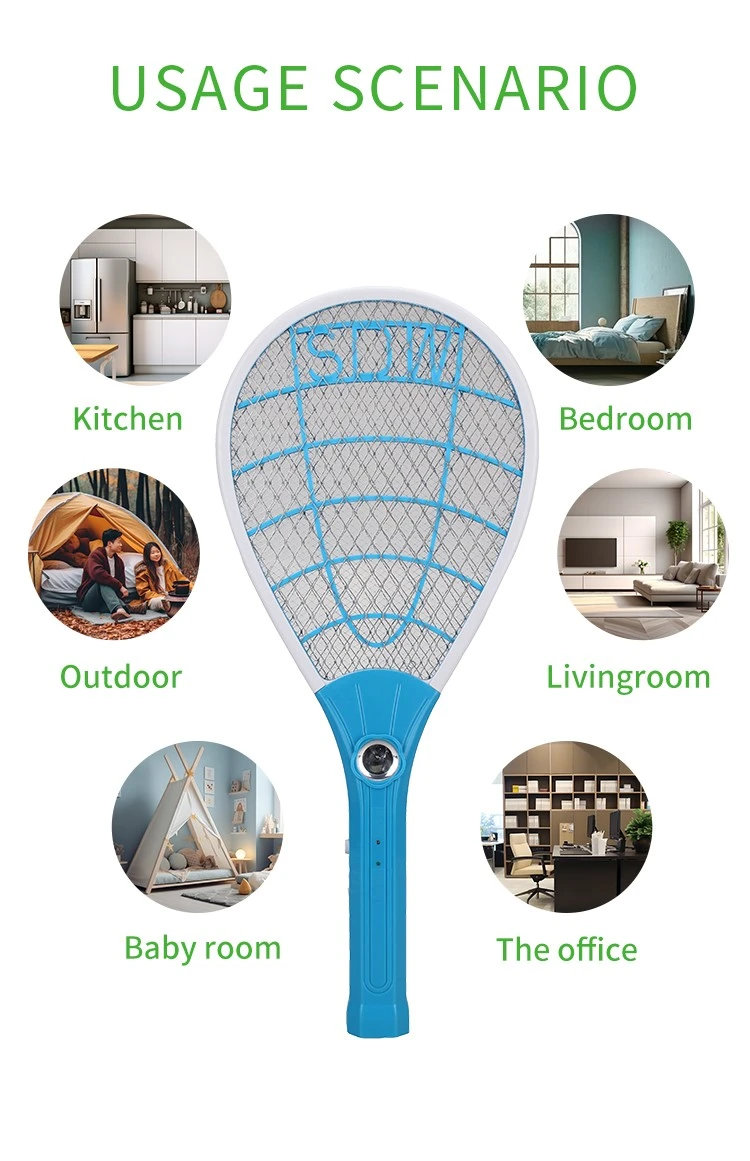
If you’re struggling with annoying mosquitoes, flies, and other flying pests indoors and outdoors, upgrading from traditional manual tools to anElectric Mosquito Swatter is the most efficient solution. Many homeowners and renters search where to buy fly swatter online to find durable, safe, and high-performance electric models that deliver instant pest control.
Where to Buy Fly Swatter
Most importers of electric mosquito swatters obsess over the first order: samples requested, factories vetted, a pre-shipment inspection booked. Then the reorder arrives eight months later and something is off. The grid feels softer. The charge port is a slightly different shade of black. The carton thickness dropped from 350 gsm to 300 gsm. Nothing is catastrophic — but the product no longer matches what your retail customers approved, and quietly, your return rate starts climbing.
How to Keep Mosquito Swatter Quality Consistent Across Repeat Orders
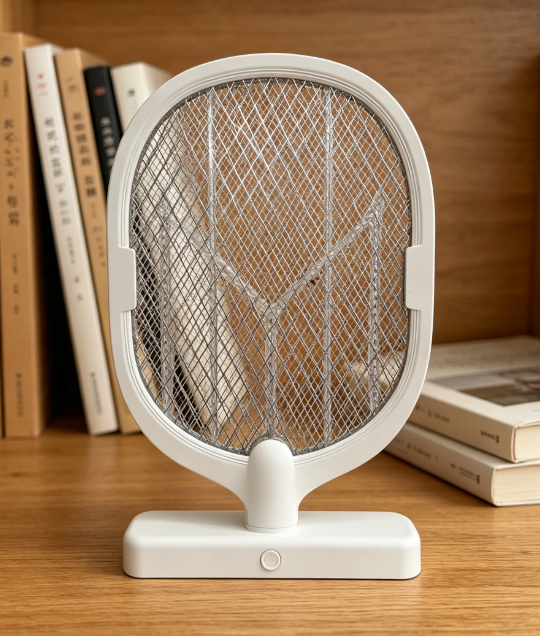
Warranty returns are the silent margin killer in the mosquito control category. A distributor who buys a swatter at $1.80 FOB and retails it at $9.90 can absorb a 1% return rate without noticing — but at 5%, the combined cost of replacement units, reverse logistics, and refund processing erases most of the line's profit.
Common mosquito swatter killer lamp failure modes wholesale spec guide

Digital bathroom scales rank as the second-highest-volume consumer weighing product category, only behind kitchen scales, with distinct market and product characteristics that set them apart from other scale types in importers’ product portfolios.
Digital bathroom body fat-bia-scale wholesale buyers guide