
How to Control Mosquitoes Outside
2026-04-14
How to Control Mosquitoes Outside: Practical Tips for a Mosquito-Free Outdoor Space
Introduction: Why Outdoor Mosquito Control Matters
Spending time outdoors—whether it’s gardening, hosting a backyard BBQ, or going camping—should be relaxing, not a battle against buzzing mosquitoes. These pesky insects not only cause itchy bites but can also carry harmful diseases like Zika, dengue, and West Nile virus. Learning how to control mosquitoes outside is key to enjoying your outdoor spaces safely and comfortably. This guide covers proven, practical methods for mosquito control, including specialized tips for campers, to help you keep these pests at bay and make the most of your time outdoors.
Understanding Mosquito Behavior: Key to Effective Outdoor Control
What Attracts Mosquitoes Outdoors?
To control mosquitoes outside, you first need to understand what draws them to your space. Mosquitoes thrive in warm, humid environments and are attracted to standing water (their breeding ground), human scent (sweat, carbon dioxide), and dark, shaded areas. They are most active at dawn and dusk, when temperatures are mild and light is low—but some species can bite throughout the day, especially in shaded or wooded areas.
Common Outdoor Mosquito Breeding Grounds
Mosquitoes lay their eggs in stagnant water, so eliminating these spots is one of the most effective ways to reduce their population. Common outdoor breeding grounds include: bird baths, clogged gutters, flowerpot saucers,废旧轮胎, buckets, children’s toys, and even small puddles in the yard. Even a small amount of standing water—just 1 inch deep—can host mosquito larvae (孑孓).
Core Methods to Control Mosquitoes Outside
1. Eliminate Standing Water (Source Control)
How to Identify and Remove Standing Water
The first step in outdoor mosquito control is to remove or treat all sources of standing water. This reduces the number of mosquito larvae before they mature into biting adults. Here’s how to do it:
-
Empty and clean bird baths, fountains, and pet water bowls at least once a week.
-
Clear clogged gutters and downspouts to ensure water flows freely.
-
Turn over buckets, flowerpot saucers, and other containers when not in use to prevent water accumulation.
-
Fill in low-lying areas in your yard that collect rainwater.
-
For permanent water features (like ponds), use a fountain or aerator to keep water moving, or add mosquito-eating fish (such as goldfish or guppies) to control larvae naturally.
2. Use Natural Mosquito Repellents and Plants
Natural Repellents for Outdoor Use
For a chemical-free approach to control mosquitoes outside, use natural repellents that are safe for humans, pets, and the environment. Effective natural options include:
-
Essential oils: Diluted peppermint, tea tree, eucalyptus, or lemon eucalyptus oil can be applied to skin or used in diffusers to repel mosquitoes.
-
Garlic spray: A homemade garlic spray (mixed with water and dish soap) can be sprayed on plants and surfaces to deter mosquitoes.
-
Apple cider vinegar: Mix equal parts apple cider vinegar and water in a spray bottle for a gentle, natural repellent.
Mosquito-Repelling Plants for Your Yard
Planting mosquito-repelling plants is a decorative and effective way to control mosquitoes outside. These plants release scents that mosquitoes find repulsive, creating a natural barrier. Top options include:
-
Citronella: A classic mosquito repellent, often used in candles and torches—plant it in pots near seating areas.
-
Lavender: Its pleasant fragrance repels mosquitoes and adds beauty to your garden.
-
Marigolds: These vibrant flowers contain pyrethrum, a natural insect repellent used in many mosquito control products.
-
Basil, mint, and rosemary: These herbs are easy to grow and can be planted in gardens or pots to repel mosquitoes while adding flavor to your cooking.
3. Physical Barriers and Traps
Outdoor Mosquito Traps
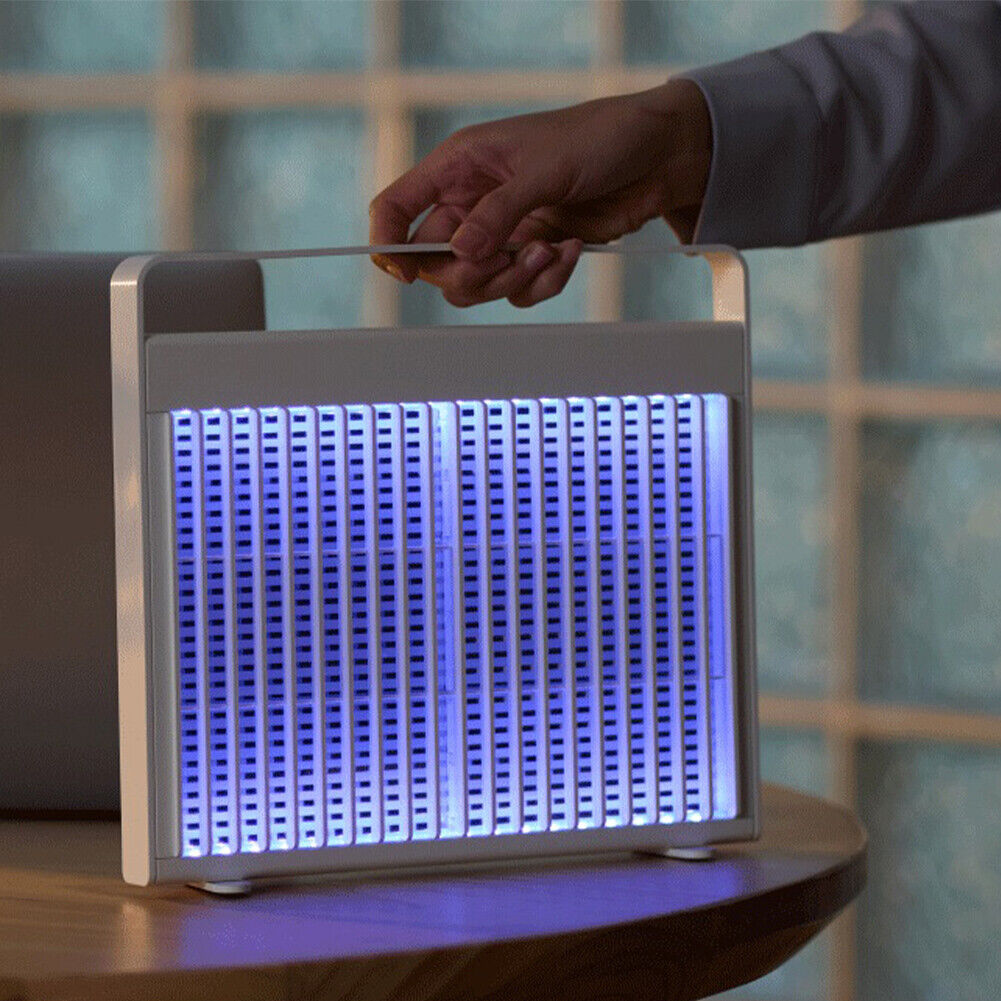
Mosquito traps are a great way to reduce adult mosquito populations without harsh chemicals. Look for traps that use UV light, carbon dioxide, or pheromones to attract mosquitoes, then trap or kill them. Place traps in shaded areas, away from seating spots, to draw mosquitoes away from where you spend time. For larger yards, consider CO2 traps, which mimic human breath to attract mosquitoes more effectively.
Physical Barriers to Keep Mosquitoes Out
Physical barriers prevent mosquitoes from reaching you while you’re outside. Install screen doors and window screens to keep mosquitoes out of your home, and use mosquito nets over patio umbrellas, gazebos, or camping tents. For added protection, wear long-sleeved shirts, long pants, and socks when mosquitoes are most active (dawn and dusk).
4. Chemical Mosquito Control (When Needed)
If natural methods aren’t enough to control mosquitoes outside, you can use chemical products—just use them cautiously to avoid harming humans, pets, and beneficial insects. Choose EPA-registered mosquito sprays or foggers that target adult mosquitoes, and apply them to shaded areas (like under trees, bushes, and porches) where mosquitoes rest. For larvae control, use larvicides (such as BTI, a bacteria that targets mosquito larvae) in standing water that can’t be removed, like ponds or rain barrels. Always follow the product instructions carefully.
Camping-Specific Mosquito Control: Compact Tools for the Outdoors
Camping brings unique challenges for mosquito control—you need portable, compact tools that don’t take up much space in your backpack. Two of the best options for campers are collapsible small mosquito swatters and small mosquito lamps, which are lightweight, easy to pack, and highly effective at keeping mosquitoes away during your trip.
Collapsible Small Mosquito Swatters: Perfect for Camping
Why Collapsible Swatters Are Ideal for Campers
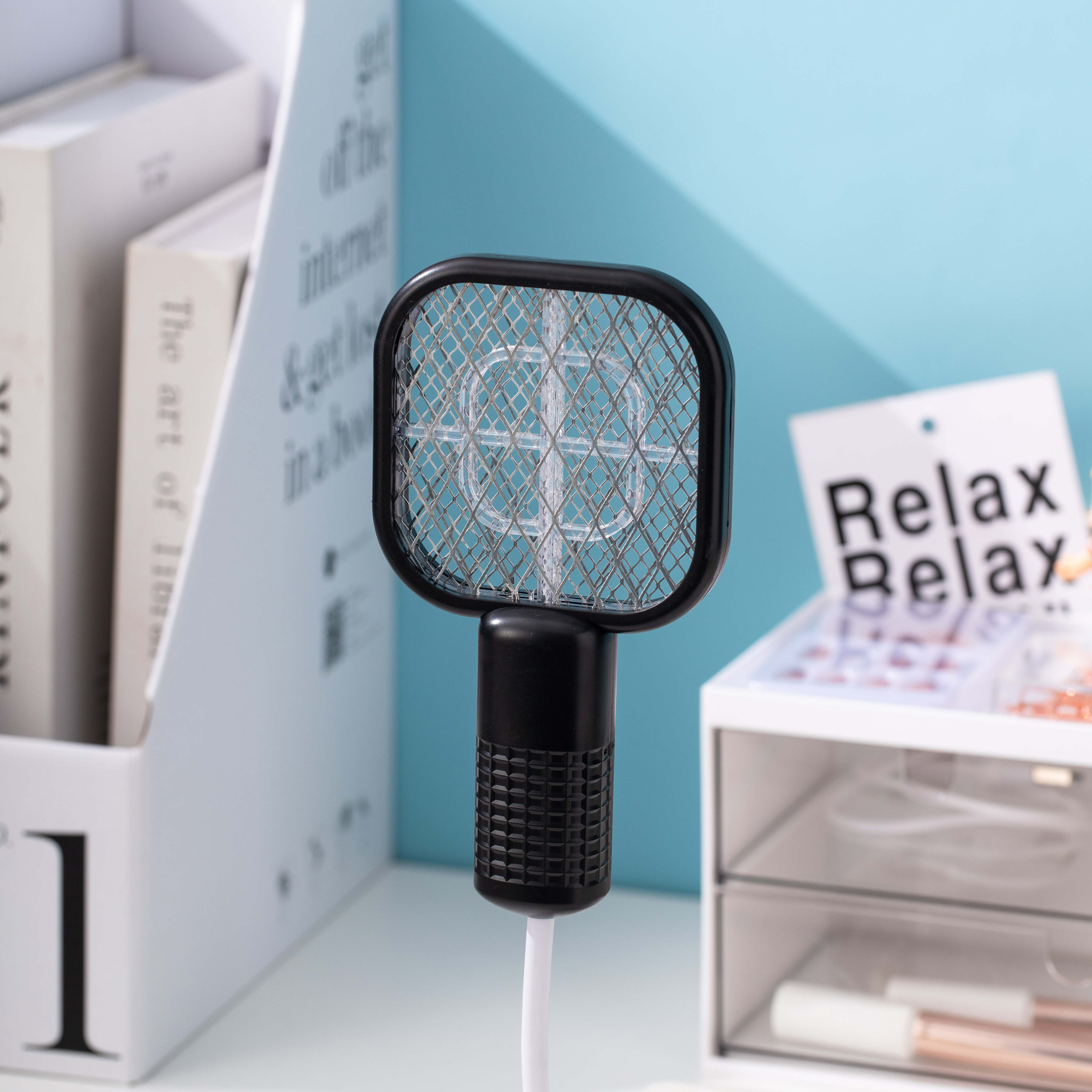
Collapsible small mosquito swatters are a must-have for any camping trip. Unlike bulky traditional swatters, they fold down to a compact size (often as small as 9 cm x 5 cm when collapsed), making them easy to store in your backpack, tent pocket, or camping gear bag. Most models are USB-rechargeable, so you don’t have to worry about carrying extra batteries, and they feature a high-voltage grid to quickly zap mosquitoes on contact. Some even have a built-in UV light to attract mosquitoes, combining the benefits of a swatter and a trap.
Tips for Using Collapsible Mosquito Swatters While Camping
-
Fold it up when not in use to save space and protect the grid.
-
Charge it fully before your trip—most models offer up to 8 hours of battery life on a single charge.
-
Use it near your tent entrance or camping seating area to kill mosquitoes before they get close.
-
Wipe the grid with a dry cloth after use to remove debris and maintain effectiveness.
Small Mosquito Lamps for Camping: Silent and Effective
Features of Camping-Friendly Mosquito Lamps
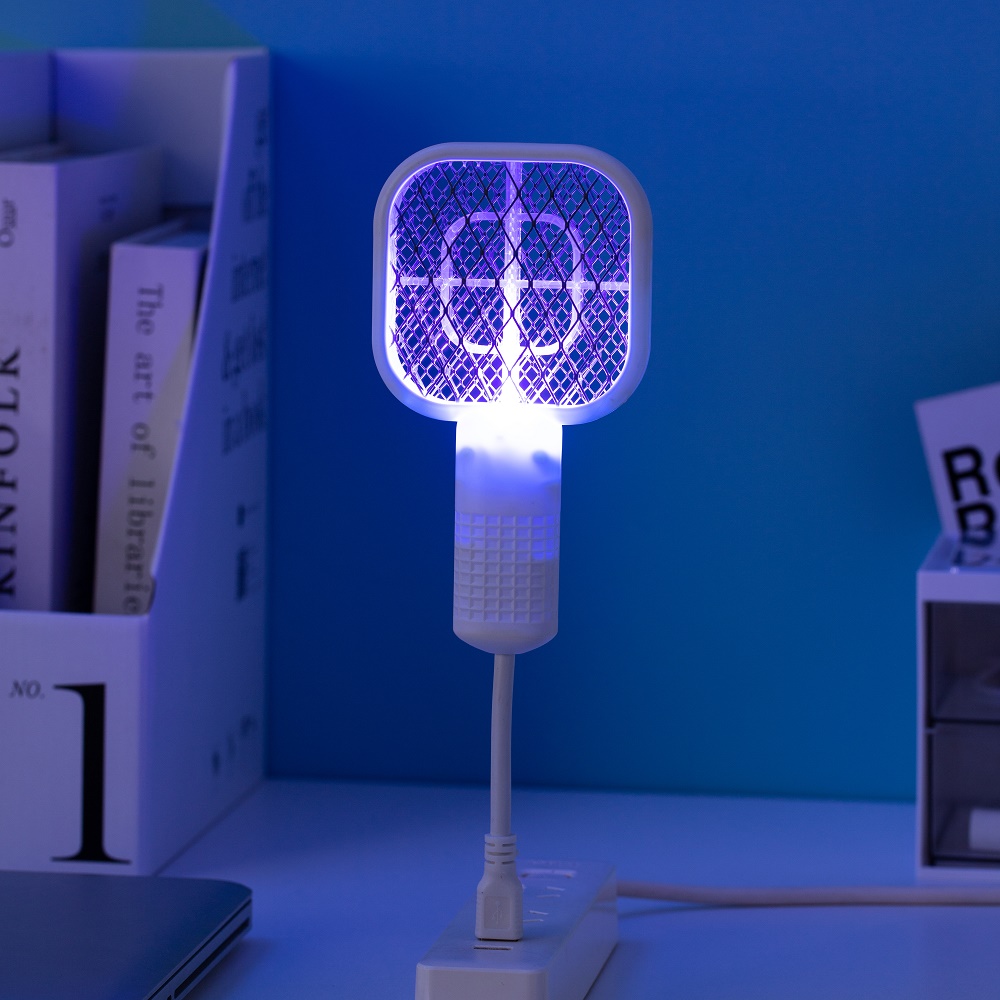
Small mosquito lamps are another excellent tool to control mosquitoes outside while camping. These compact devices use UV light to attract mosquitoes, then trap or zap them—no chemicals required. Look for models that are rechargeable, waterproof (IPX4 or higher), and lightweight (under 300g) for easy portability. Many camping mosquito lamps also double as flashlights, with multiple brightness modes, making them a versatile addition to your camping gear. Some have built-in hooks or tripods, so you can hang them inside your tent or outside near your campsite to create a mosquito-free zone.
How to Use Small Mosquito Lamps While Camping
-
Hang the lamp inside your tent or near your camping chair to attract and kill mosquitoes overnight.
-
Choose a model with a long battery life (8–30 hours, depending on brightness) to last your entire trip.
-
Place it away from other lights (like campfires or flashlights) to maximize its effectiveness—mosquitoes are more attracted to the UV light when there’s less competition.
-
Opt for waterproof models if you’re camping in wet conditions to ensure durability.
Pro Tips to Maximize Outdoor Mosquito Control
-
Avoid using scented lotions, perfumes, or hair products when spending time outside—these can attract mosquitoes.
-
Keep your yard well-maintained: mow the lawn regularly, trim overgrown bushes, and remove leaf piles, as these provide shaded resting spots for mosquitoes.
-
Use yellow “bug lights” for outdoor lighting—they attract fewer mosquitoes than standard white lights.
-
If you’re hosting an outdoor event, set up fans near seating areas—mosquitoes are weak fliers and can’t stand strong air currents.
-
For campers, choose campsites that are well-drained and away from stagnant water (like ponds or swamps) to reduce mosquito activity.
FAQs About Controlling Mosquitoes Outside
Q: How often should I remove standing water to control mosquitoes?
A: You should check for and remove standing water at least once a week. Mosquito larvae can mature into adults in as little as 7–10 days, so regular maintenance is key to preventing infestations. After rain, check your yard immediately for new puddles or water accumulation.
Q: Are collapsible mosquito swatters effective for camping?
A: Yes! Collapsible mosquito swatters are highly effective for camping. They’re portable, easy to use, and can quickly kill mosquitoes that get close to your tent or campsite. Look for models with a UV light attractor for even better results—they’ll draw mosquitoes to the swatter, making it easier to eliminate them.
Q: What’s the best natural way to control mosquitoes in a large yard?
A: For large yards, combine multiple natural methods: plant mosquito-repelling plants along the perimeter, use natural repellent sprays on seating areas, install mosquito traps in shaded spots, and eliminate all standing water. You can also use a propane-powered CO2 trap, which covers a larger area and effectively reduces adult mosquito populations.
Q: Can small mosquito lamps be used indoors and outdoors?
A: Yes, most small mosquito lamps are designed for both indoor and outdoor use. Look for waterproof models if you plan to use them outside in damp conditions. They’re perfect for use inside your camping tent, as well as outside near your campsite, patio, or backyard seating area.
Conclusion: Enjoy Your Outdoor Space Mosquito-Free
Controlling mosquitoes outside doesn’t have to be complicated. By combining source control (eliminating standing water), natural repellents, physical barriers, and (when needed) chemical treatments, you can significantly reduce mosquito populations in your yard. For campers, collapsible small mosquito swatters and small mosquito lamps are compact, effective tools that let you enjoy the great outdoors without the annoyance of bites. Follow these tips, and you’ll be able to relax, play, and camp in a mosquito-free environment all season long.
Does Ultrasonic Pest Control Work
What Blood Type Do Mosquitoes Like
Related Article

If you’re struggling with annoying mosquitoes, flies, and other flying pests indoors and outdoors, upgrading from traditional manual tools to anElectric Mosquito Swatter is the most efficient solution. Many homeowners and renters search where to buy fly swatter online to find durable, safe, and high-performance electric models that deliver instant pest control.
Where to Buy Fly Swatter
Most importers of electric mosquito swatters obsess over the first order: samples requested, factories vetted, a pre-shipment inspection booked. Then the reorder arrives eight months later and something is off. The grid feels softer. The charge port is a slightly different shade of black. The carton thickness dropped from 350 gsm to 300 gsm. Nothing is catastrophic — but the product no longer matches what your retail customers approved, and quietly, your return rate starts climbing.
How to Keep Mosquito Swatter Quality Consistent Across Repeat Orders
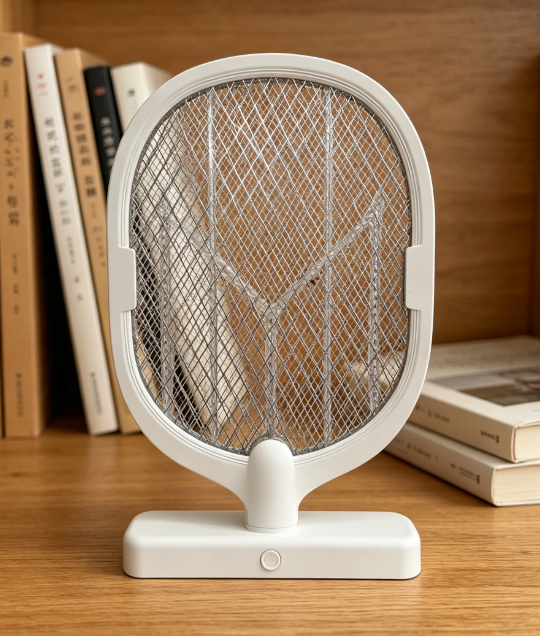
Warranty returns are the silent margin killer in the mosquito control category. A distributor who buys a swatter at $1.80 FOB and retails it at $9.90 can absorb a 1% return rate without noticing — but at 5%, the combined cost of replacement units, reverse logistics, and refund processing erases most of the line's profit.
Common mosquito swatter killer lamp failure modes wholesale spec guide

Digital bathroom scales rank as the second-highest-volume consumer weighing product category, only behind kitchen scales, with distinct market and product characteristics that set them apart from other scale types in importers’ product portfolios.
Digital bathroom body fat-bia-scale wholesale buyers guide