
How to determine whether the double protective net of an electric mosquito swatter is qualified
2026-07-01
How to determine whether the double protective net of an electric mosquito swatter is qualified?
Electric mosquito swatters are essential household appliances in summer. Although they seem simple in structure and easy to use, they hide potential safety hazards. Most electric mosquito swatters on the market are equipped with a double-layer protective net. As a core barrier, it prevents human contact with the high-voltage grid and avoids electric shocks, rather than just serving as an auxiliary mosquito-killing structure. Most people only focus on the mosquito-killing effect when purchasing and using the device, ignoring the quality of the protective net. Inferior protective nets with deformed structures, oversized meshes and insufficient spacing can easily cause electric shocks to the elderly and children. This article will share a set of simple and household-friendly inspection methods to help you quickly check whether the double-layer protective net of your electric mosquito swatter is qualified and secure household electricity safety.
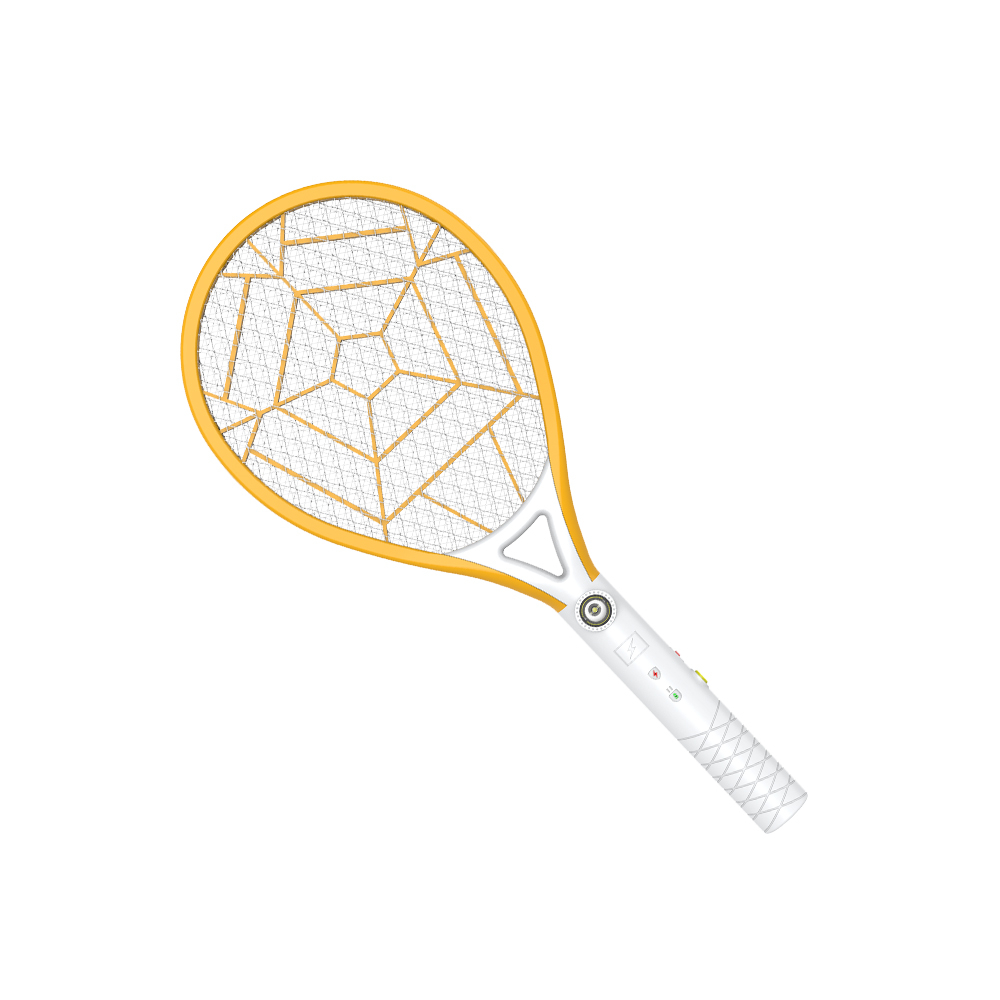
1. Core Safety Functions of the Double-layer Protective Net
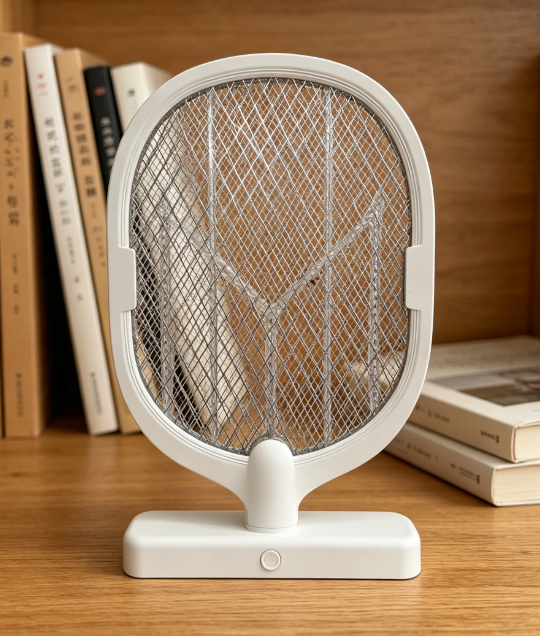
Qualified electric mosquito swatters adopt a layered design of outer protective net + inner high-voltage grid, with the two layers working together for comprehensive protection. The outer protective net is made of insulating or low-density metal materials, functioning as a physical barrier to prevent fingers, hair and foreign objects from directly touching the electrified inner grid. The inner high-voltage grid is the core mosquito-killing component that kills mosquitoes through high-voltage discharge.
A qualified double-layer protective net must meet two core criteria. First, anti-contact performance: it can prevent human fingers, especially children’s fingers, from penetrating the meshes to touch electrified parts. Second, functional stability: the structural design does not block mosquitoes from entering to ensure efficient mosquito killing, and the net has sufficient mechanical strength to resist deformation and damage. All qualification evaluation standards are formulated based on these two core principles.
2. Four Dimensions to Inspect the Qualification of Protective Nets
Combined with national and international general household appliance safety standards, we have sorted out four practical inspection methods for household use. No professional tools are required, and accurate judgments can be made through visual observation and simple measurement, covering four key indicators: structure, size, strength and insulation performance.
2.1 Mesh Size Inspection: Prevent Finger Electric Shock Risks
Mesh aperture is the most critical qualification indicator and a key focus of industrial safety inspections. According to general household appliance safety standards and special specifications for electric mosquito swatters, the aperture of the qualified outer protective net shall not exceed 8mm, with the optimal safety range of 3-5mm. This size allows mosquitoes to enter the grid smoothly while effectively preventing adults and children from inserting their fingers through the meshes.
Household simple inspection method: Prepare an ordinary toothpick or a 4-5mm diameter pen core to penetrate the meshes for testing. If the toothpick can pass through easily with large gaps left, the aperture is oversized and unqualified. If the toothpick fits tightly or cannot pass through, the aperture meets the standard. In professional inspections, a standard 4mm probe failing to touch the inner electrified grid is the core qualification criterion and a key guarantee for child safety.
2.2 Inter-layer Spacing Inspection: Avoid High-voltage Short Circuit and Electric Leakage
The two layers of the protective net are not closely attached, and the inter-layer spacing directly affects electrical safety. For qualified products, the inter-layer distance between the inner and outer nets is no less than 2.5mm, and the electrical clearance between live wires and the outer accessible protective net is at least 3mm.
Insufficient spacing will lead to two major problems. First, slight deformation of the nets will cause layer contact, resulting in high-voltage short circuits, device failure or even circuit burnout. Second, too narrow gaps reduce insulation performance, easily causing electric leakage and minor electric shocks in humid environments. You can visually check whether the inter-layer spacing is uniform without local fitting or uneven width, or use a thin feeler gauge for auxiliary measurement. Any local spacing below 2mm is unqualified.
2.3 Mechanical Strength Inspection: Resist Deformation and Loosening Under Pressure
Electric mosquito swatters are inevitably bumped and squeezed during daily use, so qualified protective nets must have basic compression resistance. Industrial standards require protective nets to withstand 50N pressure without permanent deformation. Inferior protective nets are made of thin materials with rough welding. Slight force will cause depression and deformation, disrupting the inter-layer spacing and enlarging meshes, thus completely losing protective functions.
Household inspection method: Gently press all positions of the protective net with moderate finger force. A qualified net is firm and loose-free, with no depression and can rebound completely after releasing the force. If pressing causes depression, skew, loose wires, or desoldering and warping at the edges, the strength is substandard. Such inferior nets pose great safety hazards. Meanwhile, check the net edges to ensure no burrs or sharp broken wires to avoid scratches.
2.4 Insulation and Overall Structure Inspection: Eliminate Electric Leakage Risks
The outer net and frame of qualified double-layer protective nets are fully wrapped with insulating materials, meeting a withstand voltage standard of over 3000V and a leakage current of ≤0.25mA to eliminate electric shock risks. During inspection, first check the appearance: qualified products have uniform and intact coating without peeling or exposed metal breaks, and no damage or cracks at the connection between the net frame and grid.
Simple power-on test: Turn on the electric mosquito swatter, and gently place the back of your hand close to (without touching or pressing) the outer protective net. Qualified products cause no tingling sensation. If you feel a slight electric shock when approaching or lightly touching the net, it indicates damaged insulation, displaced grid and failed protective structure. The product is seriously unqualified and should be stopped from use immediately.
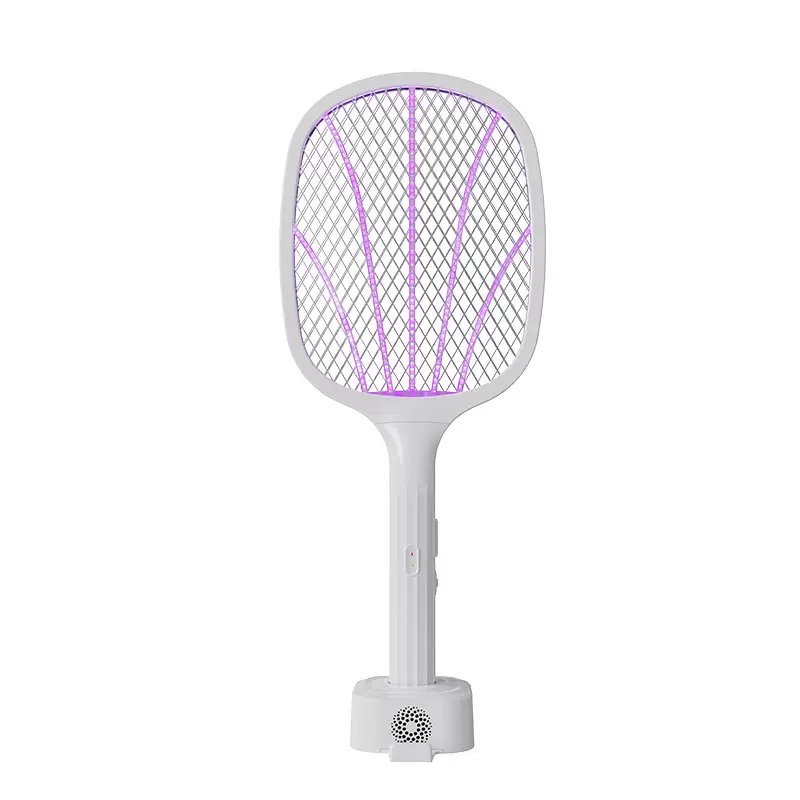
3. Three Major Safety Hazards of Unqualified Double-layer Protective Nets
Many people believe that minor defects of protective nets do not affect use, but they actually bring great hidden dangers, especially for families with the elderly and children.
First, greatly increased accidental electric shock risks. Oversized meshes and deformed nets allow fingers to directly touch the high-voltage grid. Electric mosquito swatters can generate 2000-5000V high voltage. Although the current is too low to cause fatal injury, it will bring severe stinging pain. Children with sensitive skin are prone to fright and skin damage.
Second, easy device damage and short circuit. Insufficient inter-layer spacing and loose wires lead to short circuits easily caused by accumulated mosquito carcasses and dust, resulting in device burnout, charging failure, and even overheating and fire hazards in severe cases.
Third, complete failure of protection function. Deformed and damaged protective nets lose physical barrier effects. Hair and foreign objects can easily enter the grid during cleaning, placement and use, causing equipment faults and safety accidents.
4. Daily Purchase and Maintenance: Secure the Safety of Protective Nets
4.1 Key Purchase Tips to Avoid Inferior Products
Prioritize products with regular double-layer net structure, uniform meshes and solid welding. Avoid ultra-thin, ultra-light and shoddy low-cost electric mosquito swatters with soft net wires. Choose certified regular products and stay away from unbranded three-no products. Families with infants can prefer three-layer protective net models for higher safety levels.
4.2 Daily Use and Maintenance Skills
Avoid strong collision and extrusion of the net during use to prevent deformation. Clean mosquito carcasses with a soft brush instead of pulling net wires or flushing the grid directly with water. Before long-term storage, clean dust on the net and place the device in a dry and ventilated place to prevent insulation aging and net rust damage caused by humidity.
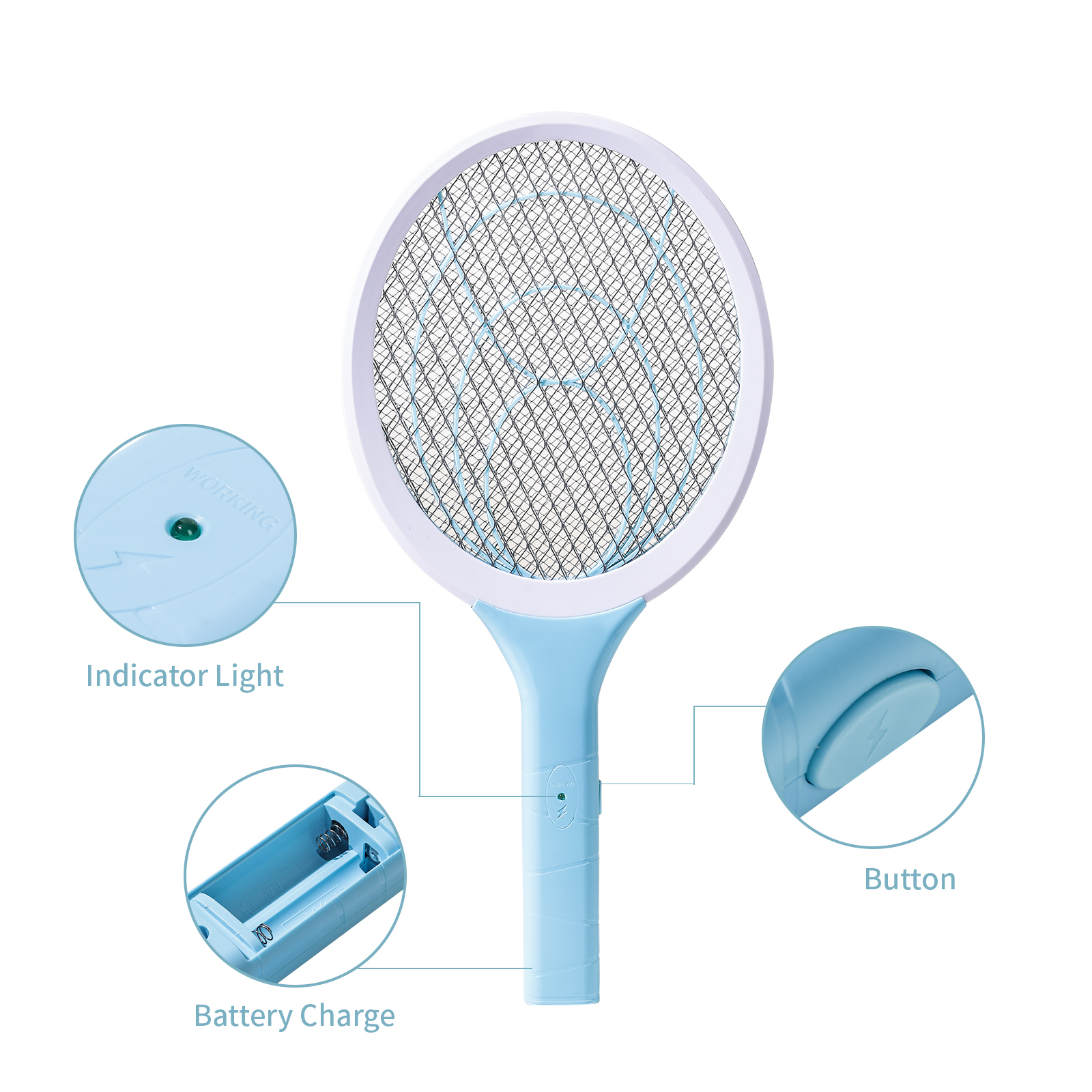
5. Summary: Simple Formula for Qualified Protective Net Judgment
Here is a simple formula for quick qualification judgment: Mesh aperture within 8mm, uniform and non-fitting inter-layer spacing, firm and deformation-resistant under pressure, no tingling sensation when powered on, and complete coating. Failure to meet any item indicates defective protection performance, and the product is not recommended for use.
As a frequently used household appliance, safety is always more important than the mosquito-killing effect for electric mosquito swatters. The tiny double-layer protective net undertakes the household electricity safety responsibility. A 1-minute simple inspection can avoid most electric shock hazards and let you spend a safe summer free from mosquito troubles.
Can Mosquito Lamps Be Charged with Fast Chargers
Do Solar Mosquito Killers Stop Working on Rainy Days
Related Article

If you’re struggling with annoying mosquitoes, flies, and other flying pests indoors and outdoors, upgrading from traditional manual tools to anElectric Mosquito Swatter is the most efficient solution. Many homeowners and renters search where to buy fly swatter online to find durable, safe, and high-performance electric models that deliver instant pest control.
Where to Buy Fly Swatter
Most importers of electric mosquito swatters obsess over the first order: samples requested, factories vetted, a pre-shipment inspection booked. Then the reorder arrives eight months later and something is off. The grid feels softer. The charge port is a slightly different shade of black. The carton thickness dropped from 350 gsm to 300 gsm. Nothing is catastrophic — but the product no longer matches what your retail customers approved, and quietly, your return rate starts climbing.
How to Keep Mosquito Swatter Quality Consistent Across Repeat Orders
Warranty returns are the silent margin killer in the mosquito control category. A distributor who buys a swatter at $1.80 FOB and retails it at $9.90 can absorb a 1% return rate without noticing — but at 5%, the combined cost of replacement units, reverse logistics, and refund processing erases most of the line's profit.
Common mosquito swatter killer lamp failure modes wholesale spec guide

Digital bathroom scales rank as the second-highest-volume consumer weighing product category, only behind kitchen scales, with distinct market and product characteristics that set them apart from other scale types in importers’ product portfolios.
Digital bathroom body fat-bia-scale wholesale buyers guide