
How to Dispose of Lithium Batteries
2026-04-30
How to Dispose of Lithium Batteries: A Safe and Eco-Friendly Guide
Lithium batteries have become an integral part of our daily lives, powering everything from smartphones and laptops to small household appliances like electric mosquito swatters. While they’re lightweight, long-lasting, and energy-efficient, their improper disposal poses serious risks to the environment and public safety. Unlike regular alkaline batteries, lithium batteries contain reactive chemicals and flammable electrolytes that can cause fires, leak toxic substances, or waste valuable resources if not handled correctly. In this blog, we’ll break down the safe disposal process for all lithium batteries—with a special focus on how to handle the lithium batteries in electric mosquito swatters, a common summer essential that’s often overlooked when it comes to end-of-life care.

Why Proper Disposal of Lithium Batteries Matters
Before diving into the “how,” it’s crucial to understand the “why” behind responsible lithium battery disposal. Many people mistakenly throw lithium batteries in household trash or curbside recycling bins, but this is a dangerous and wasteful practice for three key reasons:
-
Fire Hazards: Lithium batteries store significant energy, and if they’re crushed, punctured, or come into contact with other metals during waste processing, they can short-circuit and ignite. This risk is especially high in landfills, recycling facilities, or during transport, where batteries are often packed tightly together[.
-
Environmental Pollution: Lithium batteries contain toxic materials like cobalt, lithium, and electrolytes that can seep into soil and groundwater if left in landfills. These substances harm plant and animal life and can contaminate drinking water sources over time.
-
Wasted Resources: Lithium, cobalt, and graphite are critical minerals that require significant energy to mine and manufacture. Recycling lithium batteries allows these resources to be recovered and reused, reducing the need for virgin material extraction and lowering greenhouse gas emissions[.
It’s also important to note that many regions have laws requiring separate collection of lithium batteries, so improper disposal may even result in fines or penalties. Taking the time to dispose of them correctly protects both the planet and your community.
General Steps for Disposing of Lithium Batteries
Whether you’re dealing with a lithium-ion battery from a phone, a lithium-polymer battery from a tablet, or a small lithium battery from an electric mosquito swatter, the core disposal principles are the same. Follow these steps to ensure safety and compliance:
Step 1: Identify the Type of Lithium Battery
First, confirm that the battery is indeed a lithium battery. Look for labels on the battery or the device (like “Li-ion,” “Lithium-ion,” or “Li-polymer”)—this is especially important for small devices like electric mosquito swatters, where the battery is often hidden inside the unit. Most modern electric mosquito swatters use rechargeable lithium-ion or lithium-polymer batteries, which fall under the same disposal guidelines as other small lithium batteries.
Step 2: Prepare the Battery for Disposal
Before transporting or dropping off the battery, take simple precautions to prevent short-circuiting and fires:
-
If the battery is removable, take it out of the device (we’ll cover electric mosquito swatter-specific steps next).
-
Cover the battery terminals (the metal contacts) with non-conductive tape—electrical tape is preferred, but any non-metallic adhesive tape works. This prevents the terminals from touching other batteries or metals during transport[.
-
Place each battery in its own plastic bag to further isolate the terminals and avoid contact with other materials.
-
Never crush, puncture, or disassemble the battery, as this can cause leaks or fires. If the battery is swollen, damaged, or leaking, handle it with extra care and avoid contact with skin or eyes.
Step 3: Choose a Proper Disposal Channel
Lithium batteries should never go in household trash or curbside recycling bins. Instead, use one of these safe, authorized channels:
-
Household Hazardous Waste (HHW) Collection Centers: Most local governments operate HHW facilities that accept lithium batteries. These centers are equipped to handle hazardous materials safely and ensure they’re recycled or disposed of properly[.
-
Retailer Recycling Programs: Many electronics stores, supermarkets, and home improvement retailers have battery recycling drop-off bins. Look for collection points at stores that sell batteries or small electronics—they often accept all types of lithium batteries, including small ones from devices like electric mosquito swatters.
-
Manufacturer Take-Back Programs: Some device manufacturers (including electric mosquito swatter brands) offer take-back programs for used batteries. Check the product manual or the manufacturer’s website to see if they accept returned batteries for recycling.
-
Community Recycling Events: Many communities host monthly or quarterly recycling events, often called “green weekends,” where residents can drop off small electronics and batteries. Keep an eye on community notices or local government websites for upcoming events.
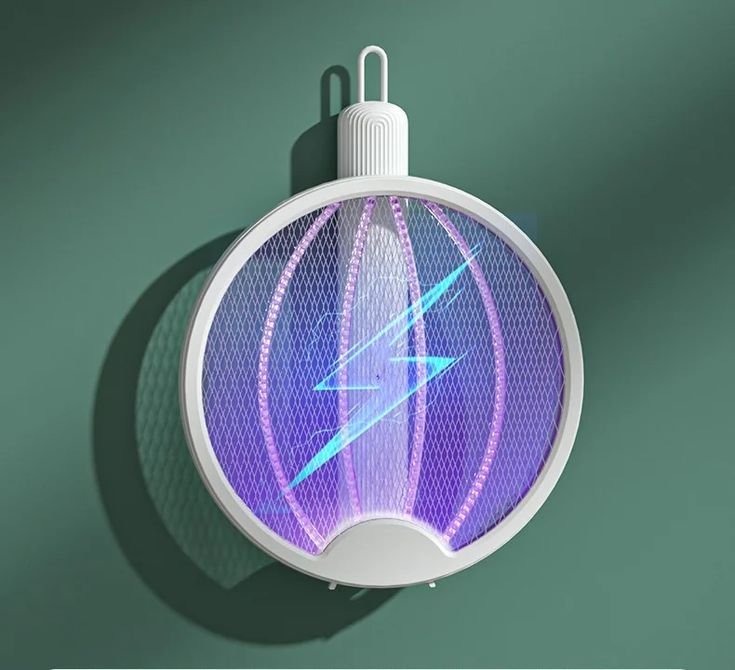
How to Dispose of Lithium Batteries in Electric Mosquito Swatters
Electric mosquito swatters are a summer staple, but when they stop working (or the battery no longer holds a charge), many people throw the entire unit in the trash—unaware that the built-in lithium battery needs special handling. Unlike alkaline batteries, the lithium battery in an electric mosquito swatter is classified as hazardous waste, and the swatter’s main body (plastic frame, metal grid) is recyclable separately. Follow these steps to dispose of it correctly:
Step 1: Check if the Battery is Removable
First, check your electric mosquito swatter’s manual to see if the lithium battery is removable. Some models have a small compartment (usually secured with a screw or clip) that allows you to take out the battery. If the battery is removable, follow the manufacturer’s instructions to remove it safely—never force it open, as this can damage the battery and cause leaks.
If the battery is non-removable (sealed inside the swatter), do not attempt to disassemble the unit yourself. Disassembling a sealed device can puncture the battery, leading to fires or toxic leaks. Instead, treat the entire swatter as electronic waste (e-waste) and drop it off at an e-waste collection site or HHW center that accepts devices with embedded lithium batteries.
Step 2: Prepare the Battery (If Removable)
If you can remove the lithium battery from the swatter, follow the same preparation steps as above: cover the terminals with non-conductive tape, place it in a separate plastic bag, and avoid crushing or damaging it. The swatter’s main body (plastic and metal parts) can be placed in your regular curbside recycling bin or taken to a recycling center that accepts plastic and metal recyclables.
Step 3: Dispose of the Battery (or Entire Swatter)
Once prepared, take the removable battery (or the entire non-removable swatter) to one of the disposal channels listed earlier: HHW centers, retailer recycling bins, community recycling events, or manufacturer take-back programs. If you’re dropping off the entire swatter (non-removable battery), make sure to inform the recycling staff that it contains a lithium battery so they can handle it properly.
Common Mistakes to Avoid
To ensure safe and eco-friendly disposal, steer clear of these common errors:
-
Throwing lithium batteries in the trash or curbside recycling: As mentioned, this is the most dangerous mistake—always use dedicated disposal channels.
-
Disassembling sealed devices: Never take apart an electric mosquito swatter (or any device) with a non-removable lithium battery—leave this to professionals.
-
Storing used lithium batteries with other metals or batteries: Always isolate the terminals to prevent short-circuiting.
-
Ignoring swollen or damaged batteries: Swollen lithium batteries are a fire risk—handle them with care and dispose of them immediately at an HHW center.
Final Thoughts
Disposing of lithium batteries—including those in electric mosquito swatters—doesn’t have to be complicated, but it does require a little care and attention. By following the steps outlined in this guide, you’re not only keeping your community safe from fires and hazards but also helping to conserve valuable resources and protect the environment. Remember: every lithium battery recycled is a step toward a more sustainable future.
Next time your electric mosquito swatter stops working, or your phone battery dies for good, take a few extra minutes to dispose of the lithium battery properly—it’s a small action that makes a big difference.
How to Naturally Kill Mosquitoes
Do Mosquitoes Sleep During the Day
Related Article

If you’re struggling with annoying mosquitoes, flies, and other flying pests indoors and outdoors, upgrading from traditional manual tools to anElectric Mosquito Swatter is the most efficient solution. Many homeowners and renters search where to buy fly swatter online to find durable, safe, and high-performance electric models that deliver instant pest control.
Where to Buy Fly Swatter

Most importers of electric mosquito swatters obsess over the first order: samples requested, factories vetted, a pre-shipment inspection booked. Then the reorder arrives eight months later and something is off. The grid feels softer. The charge port is a slightly different shade of black. The carton thickness dropped from 350 gsm to 300 gsm. Nothing is catastrophic — but the product no longer matches what your retail customers approved, and quietly, your return rate starts climbing.
How to Keep Mosquito Swatter Quality Consistent Across Repeat Orders

Warranty returns are the silent margin killer in the mosquito control category. A distributor who buys a swatter at $1.80 FOB and retails it at $9.90 can absorb a 1% return rate without noticing — but at 5%, the combined cost of replacement units, reverse logistics, and refund processing erases most of the line's profit.
Common mosquito swatter killer lamp failure modes wholesale spec guide

Digital bathroom scales rank as the second-highest-volume consumer weighing product category, only behind kitchen scales, with distinct market and product characteristics that set them apart from other scale types in importers’ product portfolios.
Digital bathroom body fat-bia-scale wholesale buyers guide